

For a Garden Full of Colorful Blooms Next Spring
Fall is an ideal time to plant. The cooler temperatures and seasonal rainfall create the right conditions for new plants to establish their root systems. This is true especially in Texas Zone 8, where summer heat and spotty rainfall can seriously stress new transplants. These native plants are particularly reliable because they are built for drought, clay soils and survival even in tough conditions. Fall planting can provide a jumpstart on the next season, allowing the time needed for plants to store energy and be ready to bloom in the spring.
Here Are 5 Native Perennials That Can be Planted In the Fall In Texas Zone 8:
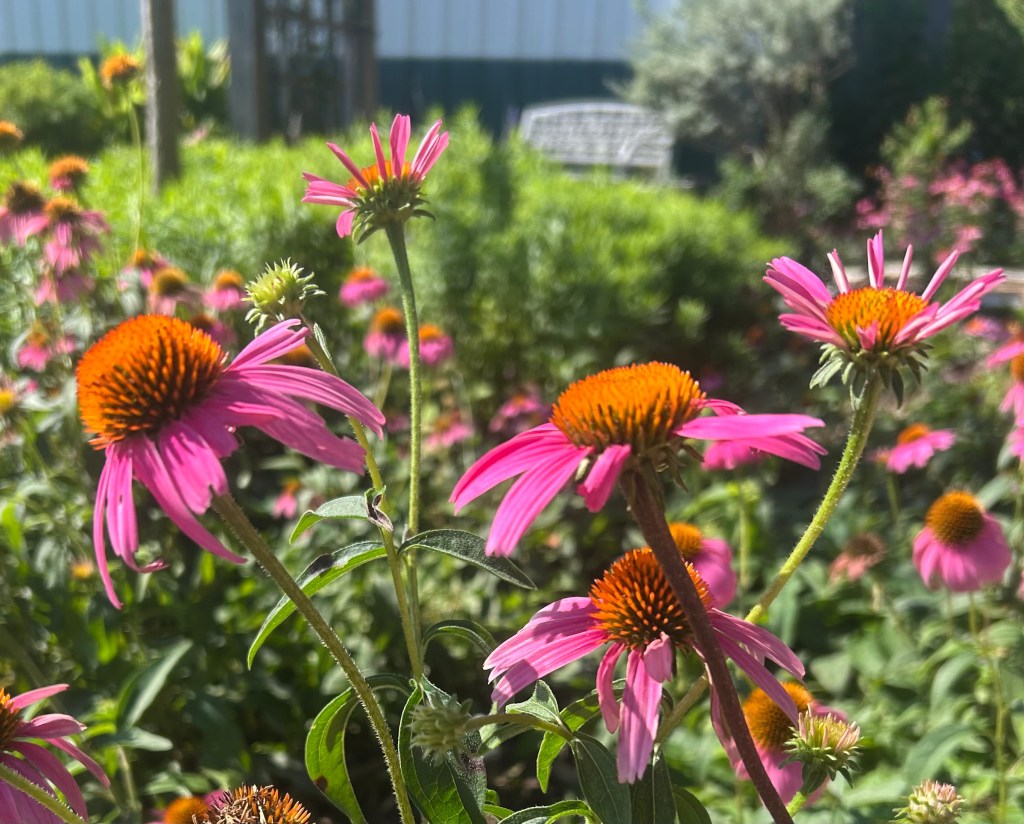
1. Purple Coneflower (Echinacea purpurea)
These are heat and drought tolerant powerhouse plants that make a great visual complement to many other flowers. They are available in a variety of colors and forms and they are visited by many pollinators. The purple variety is particularly gorgeous with the orange and green centers surrounded by contrasting purple petals. Plant in full sun in well draining soil. Planting your transplants in early Fall will give its roots time to establish before frost. Bloom time is June through August.
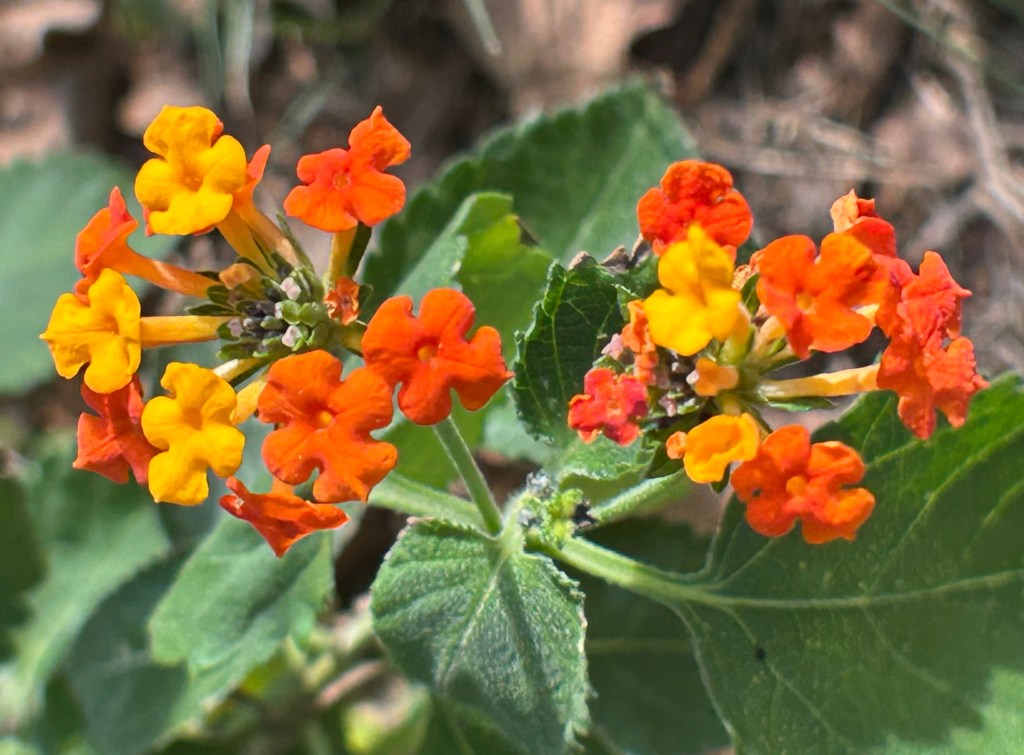
2. Texas Lantana (Lantana urticoides)
If you are looking for a resilient plant that can handle the heat, this flowering shrub will fit the bill. It has fragrant leaves and a bushy form and is beloved by many species of bees and butterflies. As with any new transplant, make sure it receives enough water initially to keep the soil moist but not soggy for the first 2-4 weeks after planting. After establishing their roots, the lantanas in the ground in my garden have pulled through our toasty summers with zero supplemental water, which is amazing in the Texas heat! Plant in full sun and well draining soil. Blooms from Spring to Fall.
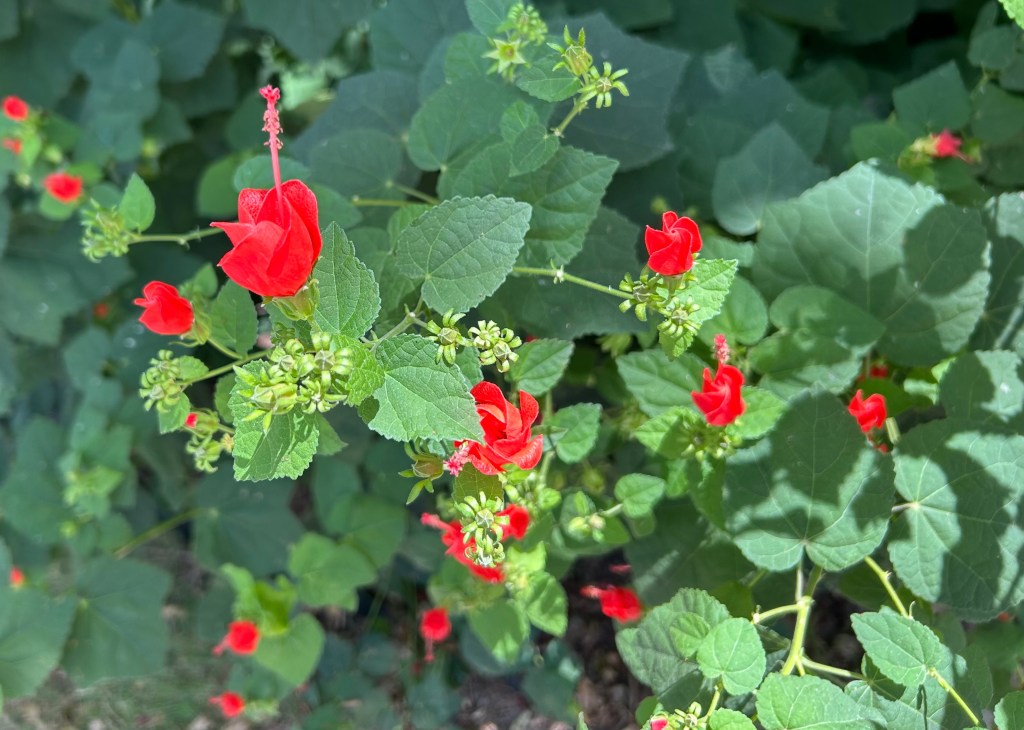
3. Turk’s Cap (Malaviscus arboreus)
If you have a shadier location with moderately moist soils, Turk’s cap is a beautiful addition. The tubular flowers are named after the Turkish fez for their shape. They attract pollinators with their bright red and pink colors and are a favorite of hummingbirds. Enjoy their blooms from late Spring into Fall.

4. Black-Eyed Susan (Rudbeckia hirta)
Another drought tolerant super bloomer from June to October. Rudbeckias come in many varieties and can be planted in full sun to part sun. They can tolerate the clay and sandy soils that are present in much of Texas. Their cheery yellow blooms create a stunning display. They often reseed themselves and birds enjoy their seeds too.

5. Blue Mistflower (Conoclinium coelestinum)
Last but not least, this native variety of mistflower is visited constantly by pollinators once its flowers come out in August through October. Flowers are small, fluffy clusters of lavender-blue that bees and butterflies just adore. They especially draw out the queen butterflies and monarchs. They prefer full to part sun and moderate moisture in well draining soil and they like to spread but not aggressively.
Conclusion
Native perennials bring beauty to your garden without the extra work, and Fall is the best opportunity to get them established. If you want to attract pollinators, enjoy year-round color, and need drought tolerant plants, these 5 plants are Texas tough choices.
Plant these 5 native perennials in your garden this fall and the pollinators will be coming in for landing next Spring!
If you are planning or planting this season, the Butterfly Garden Cheat Sheet can help you check that the basic habitat pieces are in place.
Related Guides:
Fall Blooming Plants to Fuel Butterflies at the End of the Season
The Ultimate Texas Zone 8 Garden Guide: What to Plant and When
10 Easy-Care Butterfly-Friendly Perennials to Plant in Fall in Texas
 Butterfly garden paradise
Leave a comment