

Help Butterflies and Other Pollinators to Survive the Winter with These Native Plants
Featured image: Gulf fritillary butterfly on Mexican sunflower
In our last guide, we explained ways to help pollinators as they prepare to overwinter. Butterflies and bees are still active as the summer winds down, and one of the best ways to help them survive before the cold temperatures come is to provide reliable nectar sources.
Monarchs are preparing for a long migration south, while swallowtails, skipper and painted lady butterflies look for their last sips of nectar as flowers begin to become sparse. Even one extra week of blooms can provide the needed energy for hibernating bees to last until temperature rises and spring arrives.
Planting fall-blooming flowers is one of the best ways you can support local pollinators— and continue to enjoy a garden alive with color when most blooms are fading.
Below Is a List of Native Wildflowers That Bloom Late Into the Fall:
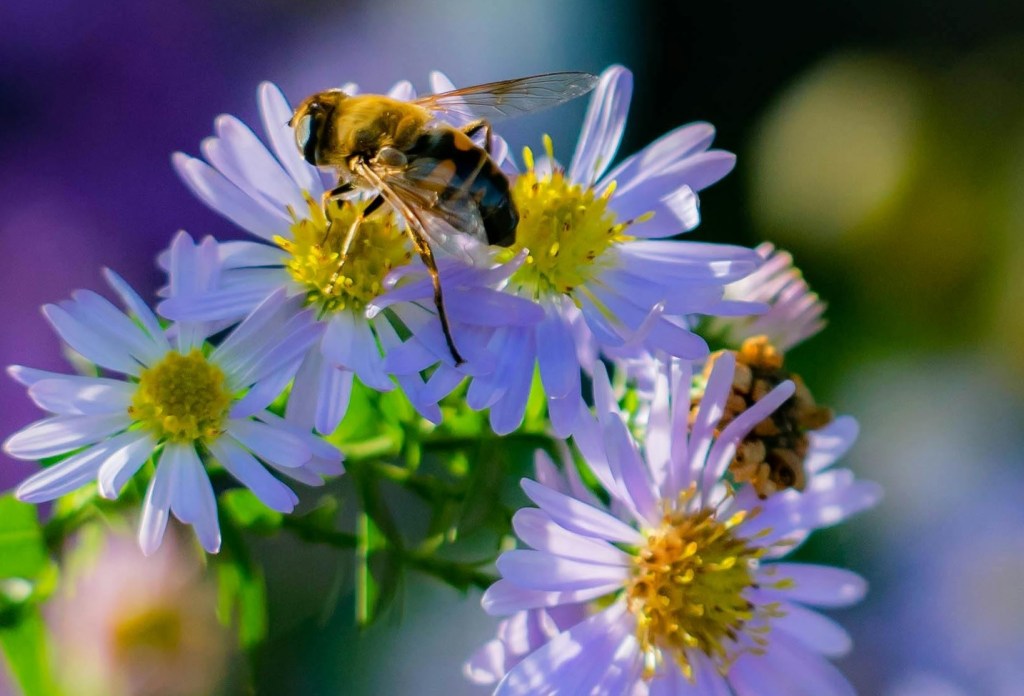
Asters (Symphyotrichum species)
Why Butterflies Love Them:
Asters provide a rich source of nectar when many other flowers have long disappeared for the year.
There are many species of American asters to choose from, with about 250 species native to North America. Colors range from purples to pinks and white. Look for a late blooming aster such as New England Aster in the North and Aromatic Aster in the South.
Best For:
Monarchs, sulphurs and painted ladies
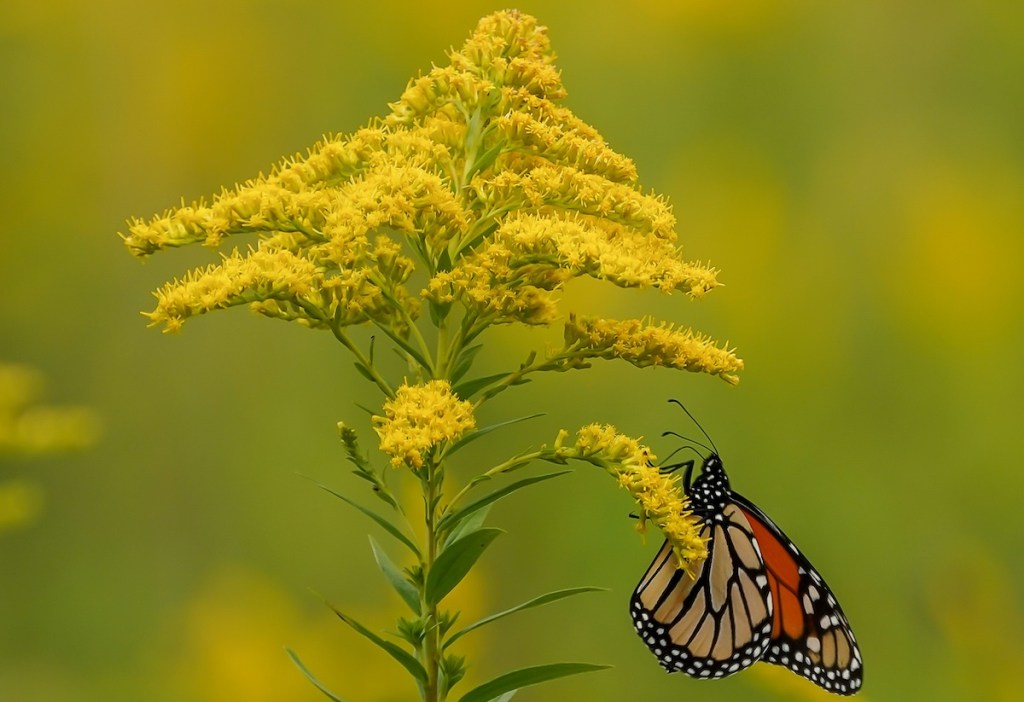
Monarch butterfly sipping on nectar from goldenrod flowers.
Goldenrod (Solidago species)
Why Butterflies Love Them:
Tons of tiny yellow flowers in clusters filled with pollen. Possibly because it produces so much pollen, it has been blamed for causing seasonal allergies. However, it is ragweed that is the true culprit.
It prefers full to part sun and well draining soil, and it can even tolerate rocky, sandy and clay soils. Abundant in the wild, you may be lucky enough to find some growing in your own yard and mow around it. Otherwise, check local nurseries and seed suppliers since it is unlikely to be offered at big box stores.
Supports:
Monarchs, skippers, bees, beetles, wasps, and moths

Goldrenrod crab spider hunting on top of a Mexican sunflower.
Mexican Sunflower (Tithonia rotundifolia)
Why Butterflies Love Them:
Native to Mexico, bright orange blooms draw in many pollinators with their nectar packed centers.
Blooms are also frequented by hummingbirds. Grow as an annual in sunny area in well drained soil. Mine were easy to grow and are doing great in sandy clayey soil despite the summer heat.
Supports:
Monarchs, Gulf fritillaries, swallowtails, queen bees
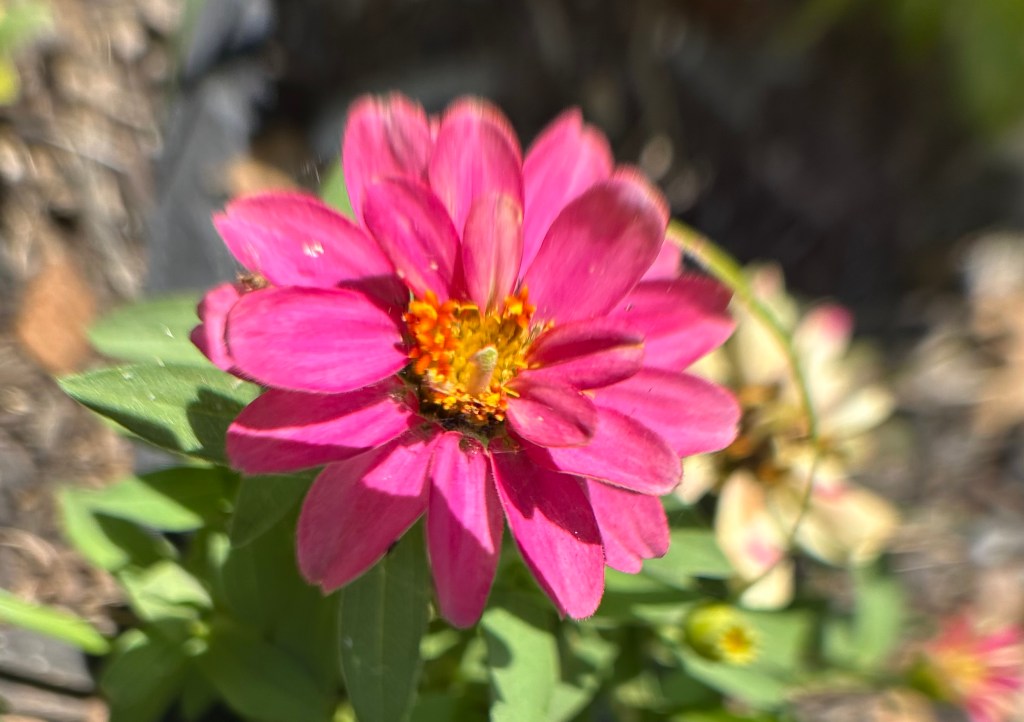
Zinnias (Zinnia elegans)
Why Butterflies Love Them:
Zinnias continuously bloom all summer and come in many colorful varieties.
They are an abundant and reliable source of nectar, provided pollinators can access the flower centers. While zinnias are annuals native to North America, some hybrids have been bred with extra petals and/or lack nectaries so be sure to plant single flowered or varieties with accessible centers for your bees and butterflies to be able to benefit.
They can add a lot of color to a sunny location. Ones that have performed well for me in the Texas heat are the cultivars Zahara and Profusion.
Benefits:
Just about every butterfly species can utilize the abundant nectar from zinnias.
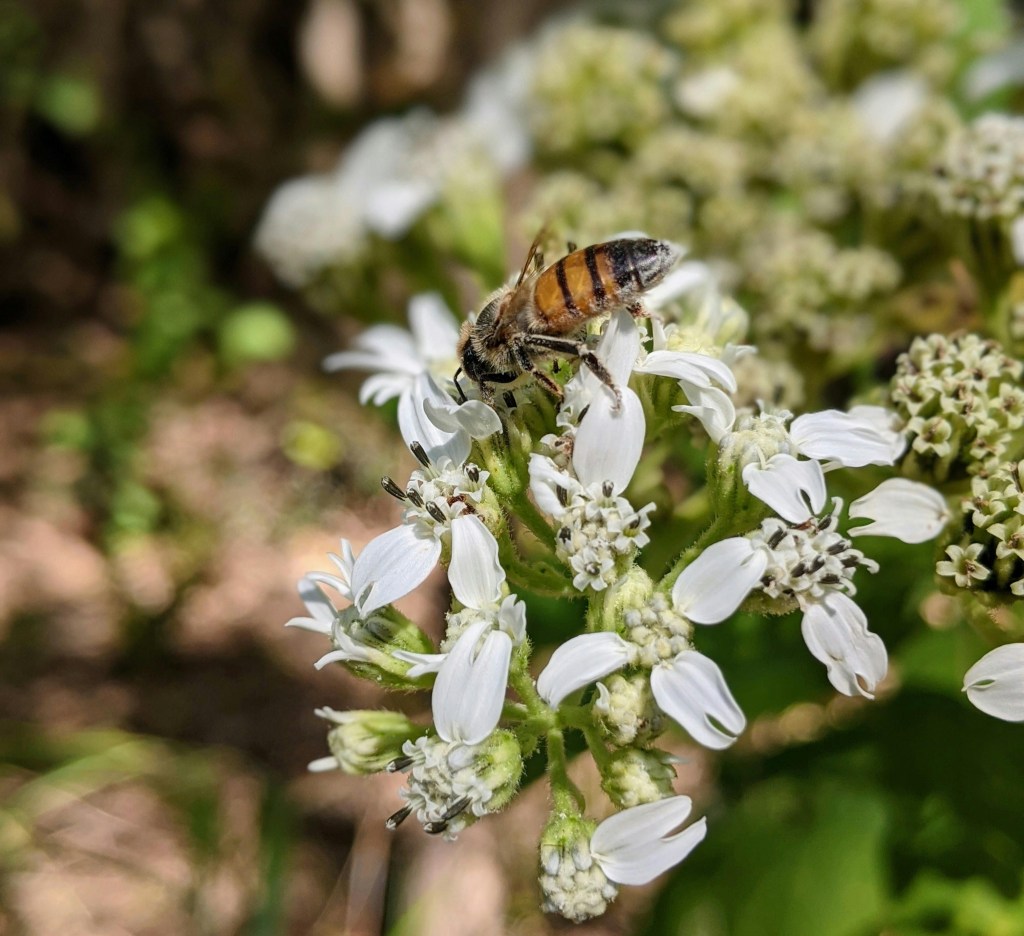
Frostweed (Verbesina virginica)
Why Butterflies Love It:
It blooms in sync with the migration of the Monarchs.
A lesser known but important native perennial, Frostweed is a member of the sunflower family and grows up to 5 feet tall. It gets its name from the ribbons of ice crystals that exude from sap in its stems after the first frost. It will grow in moderately moist rocky, clay, or limestone soils provided it has good drainage and thrives in shade or dappled sunlight locations.
Best For:
Monarchs, Bordered patch butterfly, honey bees, metallic bees

Monarch butterfly feeding on nectar from ironweed flowers.
Ironweed (Vernonia species)
Why Butterflies Love It:
Late-season blooms produce large amount of nectar. The American Painted Lady butterfly (Vanessa virginiensis) also uses it as a host plant.
Ironweed is a crucially important source of nectar for butterflies that is underused as a garden plant. Some bees even specialize in collection of pollen from this plant. Because there are approximately 25 native species of ironweed in North America alone, it is wise to choose one that fits your particular area and planting conditions. Giant ironweed or Vernonia gigantea/baldwinii are well-suited to Texas climates and can grow up to 8 feet tall.
Benefits:
Monarchs, swallowtails, slippers, moth species, various bees
Conclusion
Plant these native species in your yard and provide a late season buffet for bees, butterflies and other beneficial insects when most have already closed.
If you are planning or planting this season, the Butterfly Garden Cheat Sheet can help you check that the basic habitat pieces are in place.
Related Guides:
The Complete Guide to Butterfly Gardening: How to Attract, Feed, and Protect Butterflies All Year
How You Can Support Monarch Butterflies During Their Migration
How to Build a Fall Habitat for Overwintering Pollinators
Photo credits: Bee on fall aster – Eftodii Aurelia, monarch butterfly on Goldenrod – Jackie Best, Frostweed – R. Swafford, monarch on Ironweed – Patti Black
 Butterfly garden paradise
Leave a comment