

How to Start from Seed, Transplant, and Care for this Swallowtail Butterfly Host Plant
Bronze Fennel Foeniculum vulgare ‘Purpureum’ is a valuable host plant for swallowtail caterpillars and produces nectar for many additional butterflies and pollinators. It is an excellent plant to add to a butterfly garden. It has fine dark purplish foliage and tiny bright yellow flowers that adorn an umbrella-like shape. It lasts late into the growing season when swallowtails’ other host plants have often gone by. And it is easy to grow!
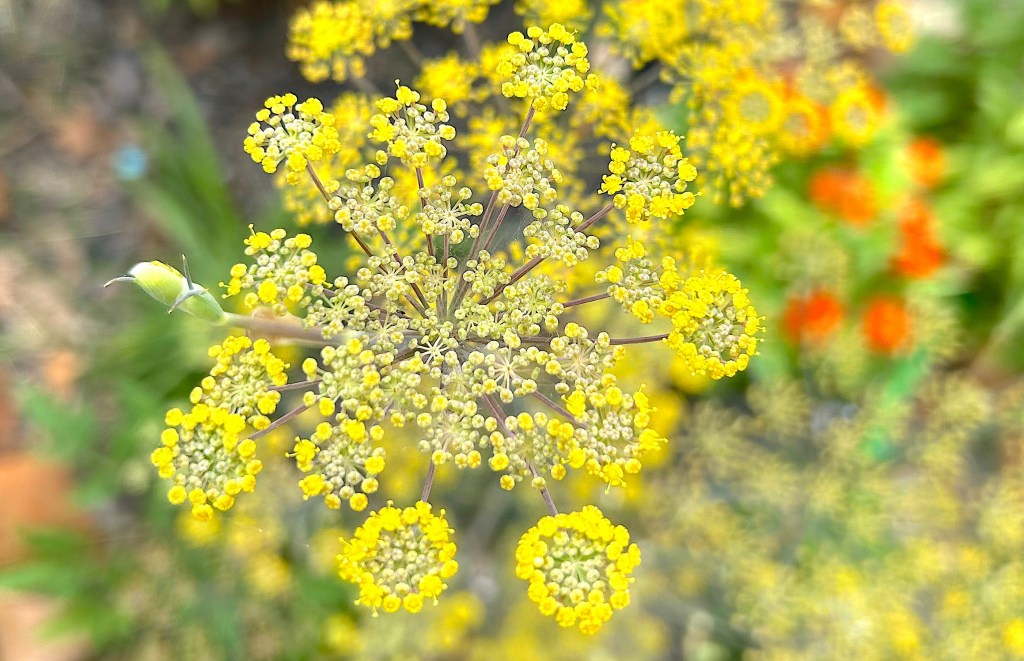
Unlike many other host plants, Bronze Fennel blooms late in the growing season, when other options for swallowtails may have finished. It is easy to grow, drought-tolerant once established, and even edible — producing licorice-flavored seeds you can use in cooking.
Pro tip: If you are building a butterfly garden, start with milkweed for monarchs first, then add bronze fennel for swallowtails to maximize pollinator diversity.
This guide will walk you through the process of starting Bronze fennel from seed step by step. It is intended to be a no-fail guide that can also be used by beginners. Additionally, we will cover ideal planting and growing conditions to help your plants to flourish in all seasons.
If you are planting a garden for butterflies and want the biggest return for your effort I would recommend growing Bronze fennel plants. Bronze fennel for swallowtail butterfly caterpillars is sure to bring additional beauty and winged visitors to enjoy your butterfly garden.
Starting from Seed Instructions:
Step 1: Selecting Bronze Fennel Seeds
Choose fresh seeds for the best germination. Look for packets labeled with the current year.
If seeds are older:
• Sow thickly: Plant 2–3 seeds per cell in case some fail to germinate.
• Viability test: Place seeds on a damp paper towel, fold it, and keep in a bright spot. Observe for sprouting over several days. If sprouting occurs, transplant carefully into soil.
Note: Bronze fennel does not require a chilling period or cold stratification to germinate. Just plant the seeds into your moist medium and go!

Step 2: Preparing the Growing Medium
• Seed starting mix is ideal because it is sterile and reduces mold risk.
• Start seeds indoors in trays to monitor moisture and guarantee survival.
• Enhance drainage: Mix in perlite if your starting mix is peat-heavy.
• Moistening: Fill the tray bottom with water and let soil soak, or water from the top and gently mix. Ensure soil is even and level before planting.
Tip: Moist soil is key, but avoid standing water which can rot tiny seeds.
Step 3: Planting Seeds
• Place seeds on top of the soil — they need light to germinate.
• Gently press seeds to ensure contact with moisture.
• Cover with a humidity dome to speed up germination.
Germination timeline:
• Typically 7–14 days, but can take up to 20 days.
• Keep the soil consistently moist and check daily.
Step 4: Caring for Seedlings
• Remove the dome once seedlings emerge to improve ventilation.
• Provide bright light — windows or grow lights indoors work best.
• Check soil daily, seedlings may look moist but can dry out on the surface.
• Water from the bottom if possible to encourage downward root growth and reduce mold.
Tip: Bronze fennel seedlings develop slowly, sending up one leaf at a time. Be patient and monitor for healthy growth.

Step 5: Transplanting Outdoors
• Wait until seedlings have two sets of true leaves or are about 3 inches tall.
• Handle carefully to avoid damaging the long taproot.
• Spacing: 18–24 inches apart for airflow and bushy growth.
• Timing: Transplant in Spring after the last frost or Fall, 4–6 weeks before frost.
Ideal Planting Conditions
• Full to part sun (at least 6 hours per day).
• Well-draining soil — tolerates sand, clay, and rocky soils.
• Moderate fertility is best; avoid high-nitrogen soils.
• Water moderately for the first 4–6 weeks, keeping the top 2 inches lightly moist.
Step 6: Bronze Fennel Maintenance
• Watering: Once established, bronze fennel is heat and drought-tolerant.
• Companion planting: Avoid tomatoes, peppers, eggplants, and potatoes due to fennel’s allopathic nature. Many other flowers and herbs do well nearby.
• Pest safety: Do not use pesticides — caterpillars rely on these leaves.
• Harvesting: Seeds can be saved for cooking; foliage can be used fresh in recipes.
Pro tip: Bronze fennel emits aromatic compounds that naturally deter pests. It’s a great ecological and culinary addition to your garden.

Black swallowtail caterpillars eating bronze fennel flowers.
Remember to avoid using pesticides or anything that can harm caterpillars on your newly planted bronze fennel.
Now you are on your way to a beautiful and ecologically valuable butterfly garden! Watch for the adult swallowtail butterflies to visit your plants to lay eggs, and check occasionally for tiny eggs on the leaves or tiny new swallowtail caterpillars to appear! The bronze fennel I planted in the Fall in Texas was visited by Black swallowtail butterflies the following year in August and had more caterpillars than I expected.
Tip: Keep a small notebook to record visits, caterpillar counts, and flowering times. This helps track garden success and guides future plantings.
Conclusion
Growing bronze fennel is a rewarding experience for gardeners and pollinators alike. By following this guide — from seed germination and indoor care to transplanting and maintenance — you can create a healthy, butterfly-attracting garden. Add bronze fennel alongside milkweed and other nectar-rich plants to observe monarch, swallowtails and other pollinators in action in your yard and to support your local ecosystem.
If you are planning or planting this season, the Butterfly Garden Cheat Sheet can help you check that the basic habitat pieces are in place.
Related Guides:
The Complete Guide to Butterfly Gardening: How to Attract, Feed, and Protect Butterflies All Year
How to Raise Black Swallowtail Butterfly Caterpillars
The Best Host Plants for Black Swallowtail Butterfly Caterpillars in Texas (Zone 8)
 Butterfly garden paradise
Leave a comment