
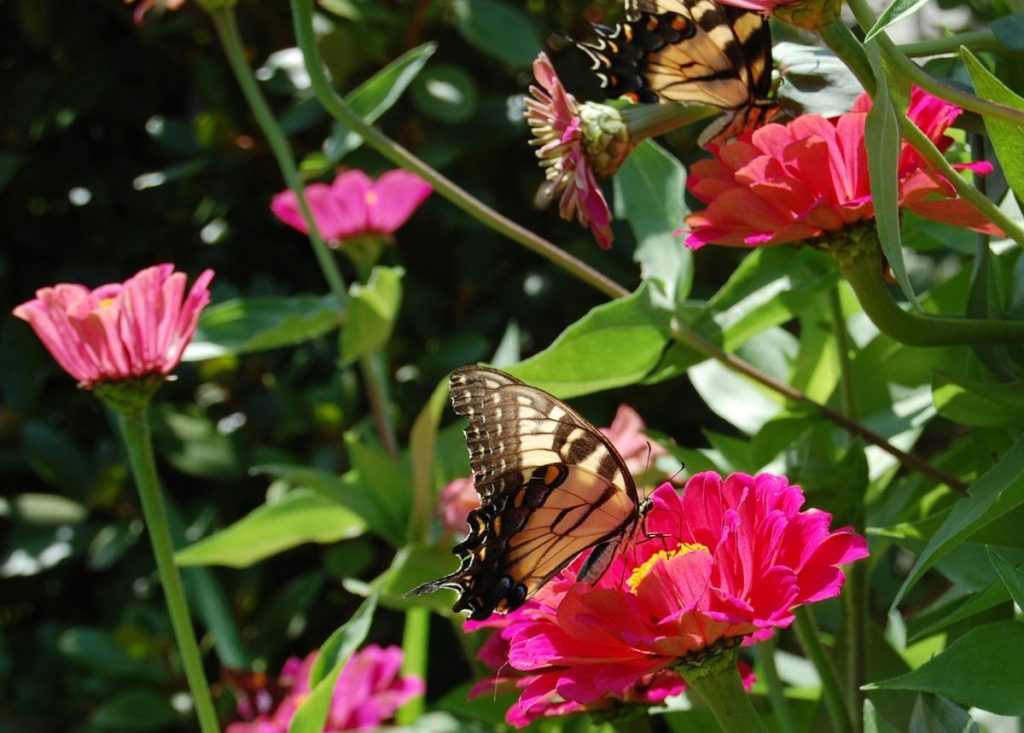
Start here if your aim is to transform your backyard into an oasis for butterflies and other pollinators. These practical steps will help you begin the journey to building a beautiful butterfly garden you can enjoy for years and through seasons to come!
Butterflies have been called “flying flowers,” but unlike flowers, they do not just decorate a space — they animate it. A butterfly garden turns an ordinary backyard into a living classroom, a pollinator hub, and a reminder that small changes in one patch of land can ripple into larger ecosystems. The good news is that you do not need acres of land or fancy landscaping to start a butterfly garden. With a few smart choices, you can make your yard into a dynamic habitat to support butterflies throughout their entire life cycle.
What You Will Learn
In this guide, you will learn:
• What butterflies actually need to survive and reproduce
• The best nectar and host plants for a successful butterfly garden
• How to protect caterpillars without using chemicals
• How to design a butterfly garden that works across seasons
If you want a deeper breakdown of butterfly species, host plants, seasonal planning, and long-term care, also see The Complete Guide to Butterfly Gardening.

Painted lady butterfly sunning itself on a warm rock in a backyard butterfly garden.
Step 1: Understand What Butterflies Actually Need
Before choosing plants or designing garden beds, it helps to understand what butterflies need to survive — not just to visit briefly, but to stay and reproduce. A true butterfly garden supports every stage of the butterfly life cycle: egg, caterpillar, chrysalis, and adult. When one of those stages is missing, butterflies may pass through your yard without ever establishing themselves there.
Adult butterflies are attracted to nectar-rich flowers, but flowers alone are not enough. Caterpillars are much more selective and can only survive on specific host plants, often within a single plant family. Without host plants, butterflies have no place to lay their eggs and no way to continue their life cycle in your garden.
Butterflies are also cold-blooded (ectothermic), meaning they rely on external heat to become active. Sunlight is essential for warming their flight muscles, which is why most butterfly gardens perform best in bright, sunny locations. In addition to warmth, butterflies need access to water, minerals, and protected places to rest, hide, and escape harsh weather or predators.
When you begin thinking of your yard as a small habitat rather than just a decorative space, everything starts to fall into place. A successful butterfly garden provides four core elements:
Food
Nectar plants fuel adult butterflies, while host plants feed caterpillars. Both are necessary for a self-sustaining garden.
Water & Minerals
Butterflies drink from damp soil or sand in a behavior called puddling, which provides hydration and essential salts used in reproduction.
Shelter
Trees, shrubs, and tucked-away areas protect butterflies from wind, heavy rain, and predators, and offer places to rest or form chrysalises.
Sunlight
Warm, sunny areas allow butterflies to regulate their body temperature and remain active throughout the day. (Most butterflies require temperatures of 60-65 degrees F to fly, 55 degrees for Monarchs)
When all of these needs are met, your garden becomes more than a place butterflies visit — it becomes a place where they can complete their entire life cycle.

Eastern tiger swallowtail butterfly sipping nectar from Joe Pye weed, a native flower.
Step 2: Choose Nectar Plants with Staying Power
Butterflies feed on nectar, but as butterfly enthusiasts will tell you, some flowers definitely attract more butterflies than others. Some of it has to do with shape, with shallow, open blooms being easiest for them to access. They are also attracted to flowers with the most abundant nectar because they provide more energy. Single-petal varieties almost always provide more nectar than doubles. They also love bright colors and sweet fragrances.
Reliable nectar plants for most regions include:
• Coneflowers (Echinacea) – sturdy, drought-tolerant, long bloomers.
• Blazing Star (Liatris) – spikes of star-like purple flowers, important to Monarchs in their migration.
• Zinnias – colorful annuals that bloom from summer until frost.
• Joe Pye weed (Eutrochium) – a tall late-season powerhouse for monarchs and swallowtails.
• Bee balm (Monarda) – produces loads of nectar and hummingbirds love it too.
Planting a few of these flowers in clusters is best so butterflies can feed efficiently and save energy.
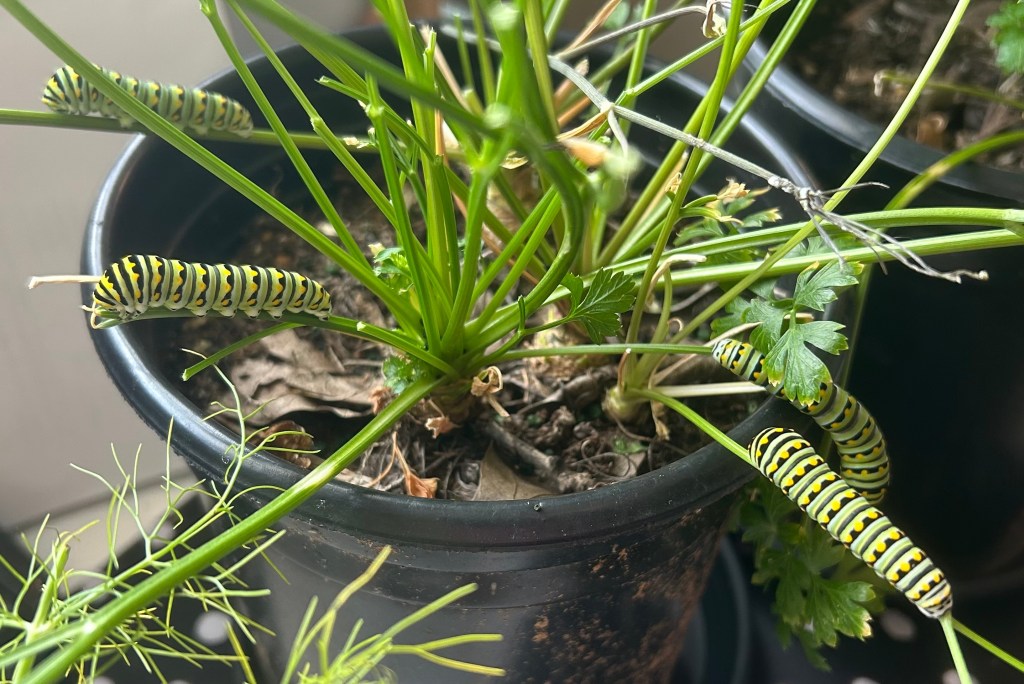
Black swallowtail butterfly caterpillars devouring cilantro down to its stems.
Step 3: Add Host Plants for Caterpillars
Nectar feeds adult butterflies, but host plants are what allow butterflies to reproduce. Each butterfly species has different preferred plants on which they lay their eggs — some only accept one or two plant families.
Examples of some important host plants:
• Milkweed (Asclepias) – Monarchs are unique in that they will only lay eggs on plants from this genus
• Golden Alexander, Parsley, Dill, Fennel – preferred hosts for black swallowtail caterpillars
• Passion Vine (Passiflora species) – almost exclusive for Gulf fritillaries
• Nettles and Hops – host plants for red admirals and commas
• Willow, Poplar, and Cherry trees – essential for many hairstreaks and viceroys
Caterpillars may chew leaves aggressively, especially in their later stages, but that is good thing. It means your garden is working.
If you are specifically interested in supporting monarchs, see our complete guide on how to grow milkweed from seed successfully.
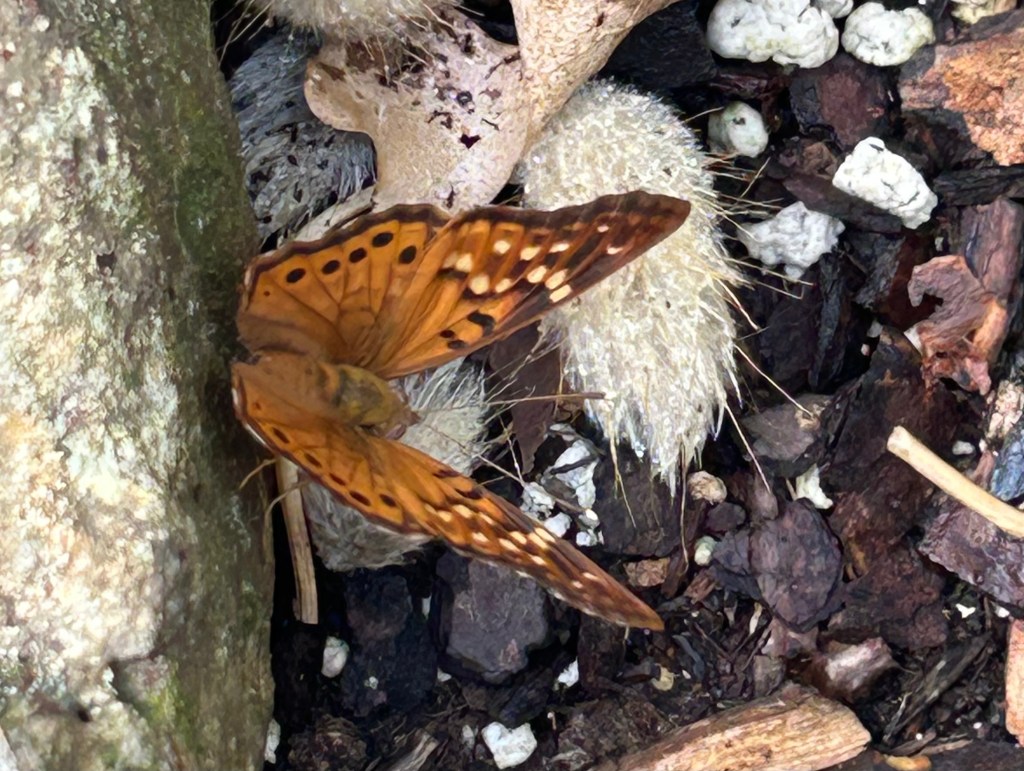
Hackberry emperor butterfly sipping water from the soil a behavior known as puddling.
Step 4: Provide Water and Minerals
Butterflies gain hydration and vital minerals from a behavior known as puddling. They congregate on damp soil or sand to drink water and absorb salts that aid reproduction. You can make a puddling station by:
- Filling a shallow dish with sand
- Adding a pinch of sea salt or wood ash
- Keeping it moist with a trickle of water
- Placing flat rocks nearby in the sun to give them basking spots to warm up after drinking
Read the whole article for Creating your own DIY Butterfly Puddler here.
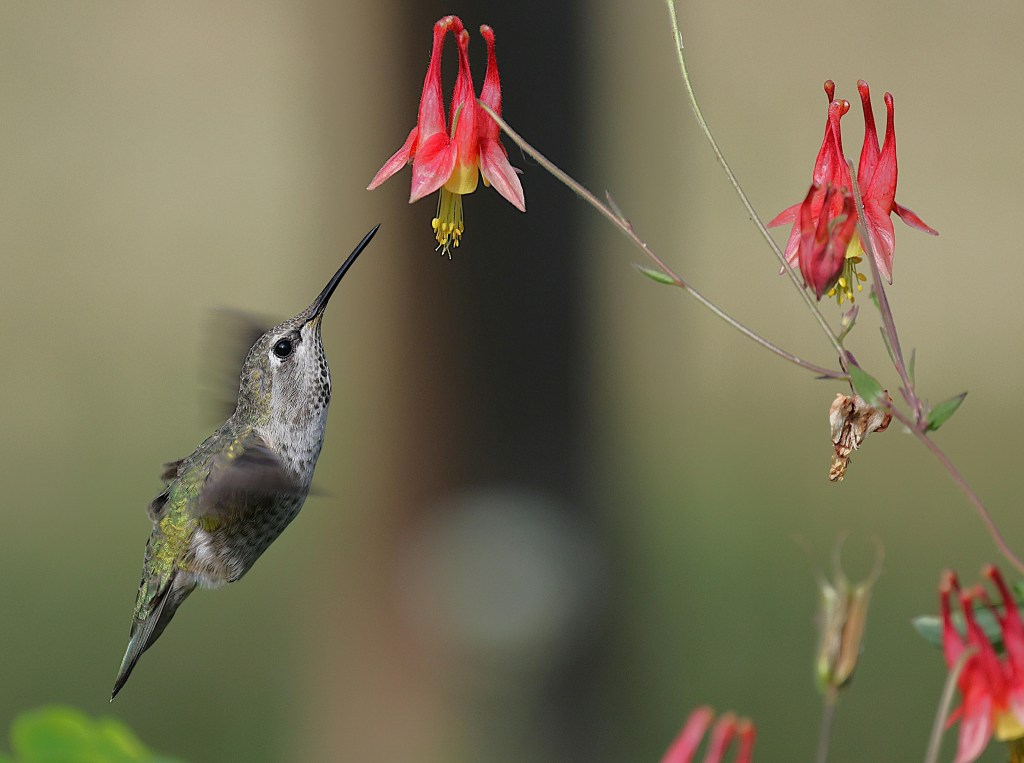
Female ruby-throated hummingbird visiting Eastern red columbine flowers in spring.
Step 5: Design to Cover All the Seasons
For continuous feeding of butterflies all year, make sure to plan your garden to include plants with staggered bloom times. Early spring and late fall nectar sources are especially critical because there is generally less of them available. Pollinators may be just waking up from the winter or preparing to migrate or hibernate in the fall and your garden can help them.
• Early Spring (March – April): Eastern red columbine, phlox, redbud trees, wild plum trees
• Late Spring (May – June): Coreopsis, some milkweeds, catmint, penstemon
• Summer (July – August): Coneflowers, zinnias, lantana, buttonbush, bee balm, liatris, rudbeckia
• Fall (September – October): Asters, goldenrod, sunflowers, sedum
Another key point to help pollinators thrive is to delay your spring and fall clean ups. Leaving leaf litter and hollow stems can shelter chrysalises and overwintering adults. Here you can find more specific information about aiding overwintering pollinators.

Milkweed beetles breeding on milkweed leaves. These beetles are not harmful to monarch caterpillars.
Step 6: Keep It Caterpillar-Safe
Pesticides and herbicides do not just kill pests — they kill butterflies and caterpillars too. Avoid even natural sprays such as neem oil on your butterfly garden plants, which are designed to kill bugs and can harm larvae. Remember that your butterfly garden is helping support a tiny ecosystem and sometimes pests are a natural part of the process. If necessary, instead of using pesticides you can:
• Hand-pick pests if necessary. Use the jet of a garden hose to spray unwanted bugs off.
• Utilize companion planting techniques to deter unwanted insects.
• Be aware that not all other bugs are harmful to caterpillars, some are actually helpful as predators or pollinators.
• See the full guide on how to protect caterpillars safely without using chemicals here.

Monarch butterfly feeding from the Orange milkweed I planted. Milkweeds are essential Monarch host plants.
Common Butterfly Garden Mistakes to Avoid
• Planting nectar plants but no host plants
• Using pesticides “just once”
• Cleaning up too early in spring or fall
Step 7: Make It Your Own and Have Fun
The way to sustain gardening for butterflies is to actually enjoy it. Add personal touches and try some of these experiments to see what brings the most butterflies to your garden:
• Grow herbs like parsley, fennel, and dill so you can cook flavorful dishes and feed caterpillars at the same time.
• Keep a written record or photograph your butterfly visitors to see which species your garden attracts.
• Incorporate art into your garden — a painted trellis, stepping stones, or a bench where you can sit and watch the butterflies soar by is a great way to make your butterfly garden feel complete.
Final Thoughts
Creating a butterfly garden in your backyard is one of the most effective ways to support pollinators while building a beautiful, living landscape.
A butterfly garden does not have to be about perfection. Even in a small area you can start creating a space where flowers and butterflies can thrive alongside you. This post is written to inspire you that planting nectar flowers is beneficial but it is also just the beginning — the real magic happens when you find a caterpillar feasting on the dill you planted yourself, a monarch pausing to refuel on some purple liatris during its migration, or a swallowtail unfolding from its chrysalis on your own fence. It all starts with a few carefully chosen plants.
The transformation of your garden can mirror the transformation of the butterflies themselves: Small changes, repeated over time, become something extraordinary!

Proud moment when a giant swallowtail butterfly visited the tall verbena I grew, starting with just a tiny seed.
If you are new to butterfly gardening, the Butterfly Garden Cheat Sheet outlines the basic conditions butterflies look for when choosing a garden.
Related Guides:
The Complete Guide to Butterfly Gardening: How to Attract, Feed, and Protect Butterflies All Year
Common Mistakes That Scare Butterflies Away: How to Keep Your Garden Butterfly-Friendly
How to Attract Monarch Butterflies to Your Garden
Photo credits: Swallowtails on pink zinnias – Brent Baumgartner, Butterfly sunning on rocks – Michael on pexels, Swallowtail on joe pye weed – Dave Thomas, Hummingbird on columbine – Veronika Andrews
 Butterfly garden paradise
Leave a comment