

A Simple Project to Attract More Butterflies to Your Garden
First of All, What Is Puddling?
Have you ever noticed butterflies gathered on the muddy ground after it rains or at the rocky edge of a pond? Or maybe you have noticed them sipping from the ground around your freshly watered flowers. This behavior is known as puddling and it is not just about drinking water. In addition to feeding on nectar, butterflies need water, but they also need salts and minerals such as sodium, potassium, calcium and amino acids. These nutrients are essential for butterfly reproduction, especially for males, who actually transfer some of these minerals to the females during mating to improve egg viability.
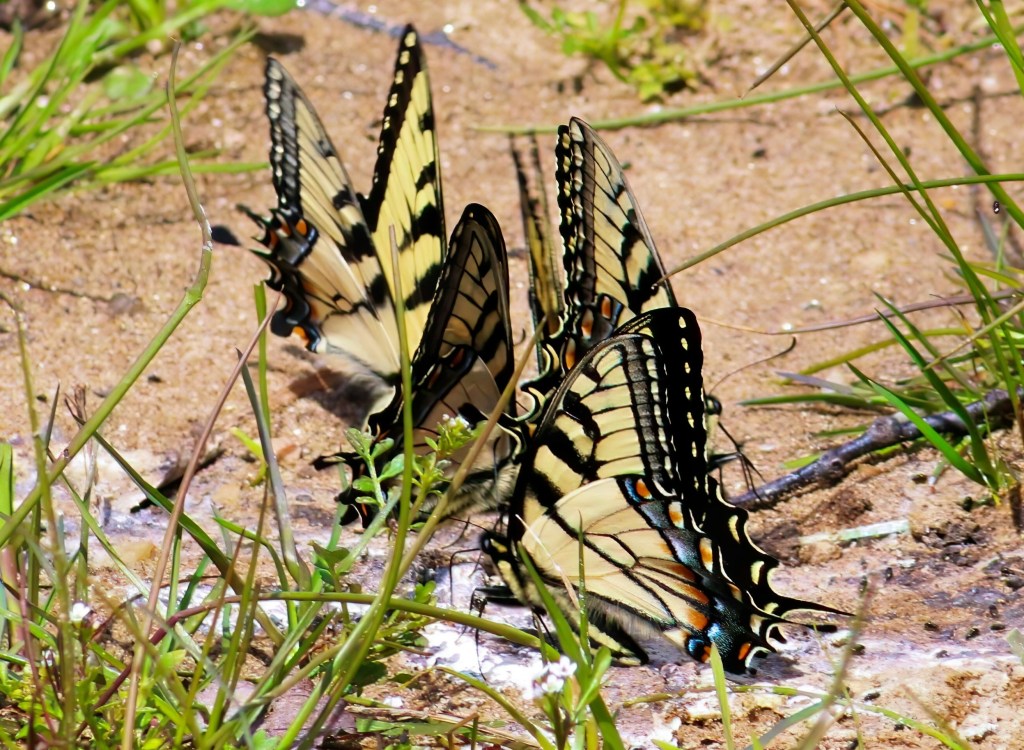
Swallowtail butterflies sipping water and minerals from a sandy area, a behavior known as puddling.
Where Do Butterflies Puddle Naturally?
Butterflies can puddle on damp riverbanks, sandy edges of ponds, or in the mud after a rainfall. Though less glamorous, they may also visit dung and decaying fruit to obtain the minerals they need. In a backyard, they may be drawn to overwatered flower beds, a dripping spigot, or damp shady patches of ground.
How Do I Create My Own Butterfly Puddling Station?
1. Choose a Shallow Container
A terracotta or plastic plant saucer no more than 2-3 inches deep will work well as a container for your puddle. Other options are shallow ceramic or clay bowls, pie pans, or even a cleared patch of soil.
2. Fill With Sand and Soil
An ideal mix is about 2 parts of sand (60-70%) for structure with 1 part topsoil or compost (30-40%) for nutrients. Spread this mixture evenly in the dish. I like to also add a couple of flat stones as perches.
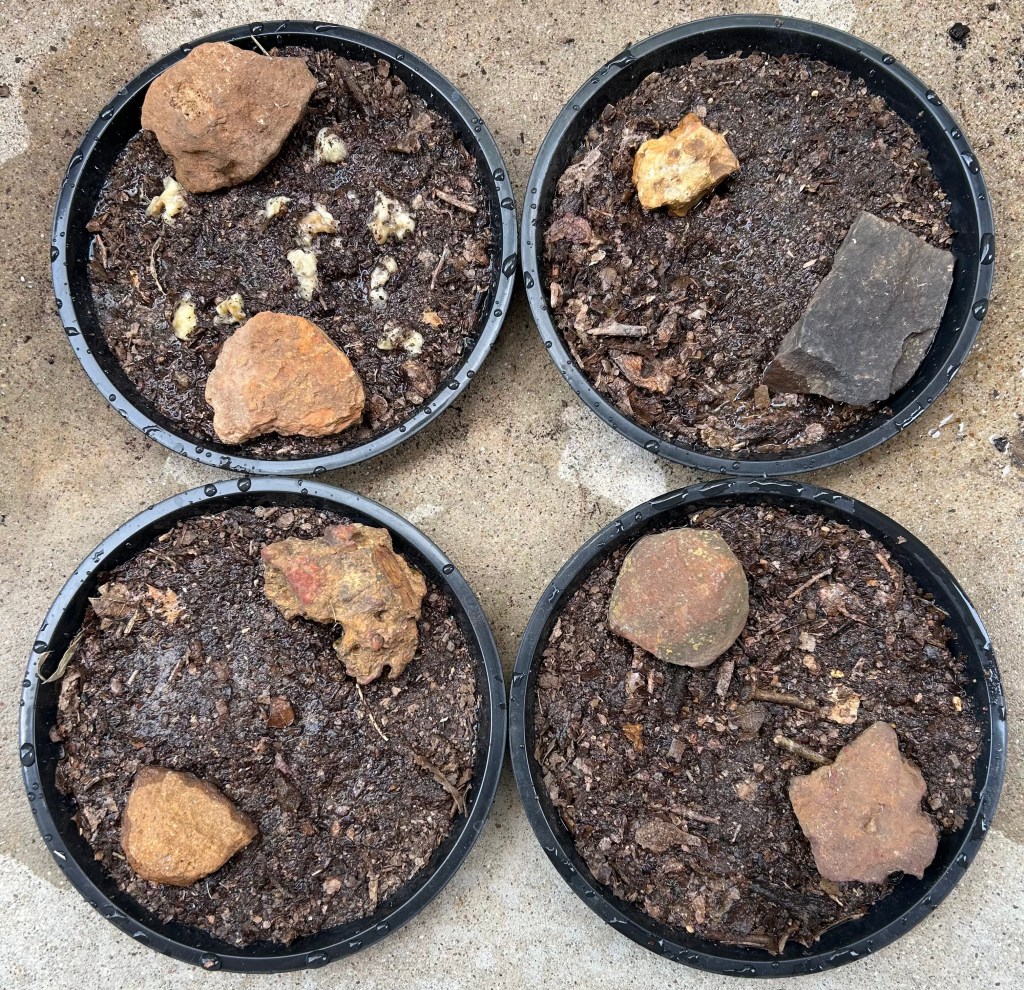
Four butterfly puddlers made with plant saucers to place in different spots of the garden.
3. Add Minerals (optional)
Sprinkle a pinch of sea salt (sodium), wood ash (potassium and more), lime (calcium), crushed egg shells or seashells (calcium), composted manure, or plain epsom salts (magnesium). A small pinch is all that is needed. You can even add banana peels or rotting fruits, just be aware these may also draw ants. (To avert this, you can place another saucer filled with water and bricks under the puddler to create an ant moat). There will already be some minerals in the topsoil or compost from Step 2 so this part is extra.
4. Add Water
Pour in just enough water to dampen the surface of the soil but avoid making it too soggy or soupy. Butterflies cannot land in standing water, so aim for a moist surface they can sip from. Refresh your puddler with water every day or two or more frequently in hot weather with the hose or a watering can to keep it just right.
It is also advisable to clean and rinse out your puddler if it develops a crust or film every couple of weeks. It should not have enough water to grow mosquitoes, so remember to empty it after rains. (To avoid mosquitoes altogether, choose a shallow dish and fill it almost to the top with your soil mixture).
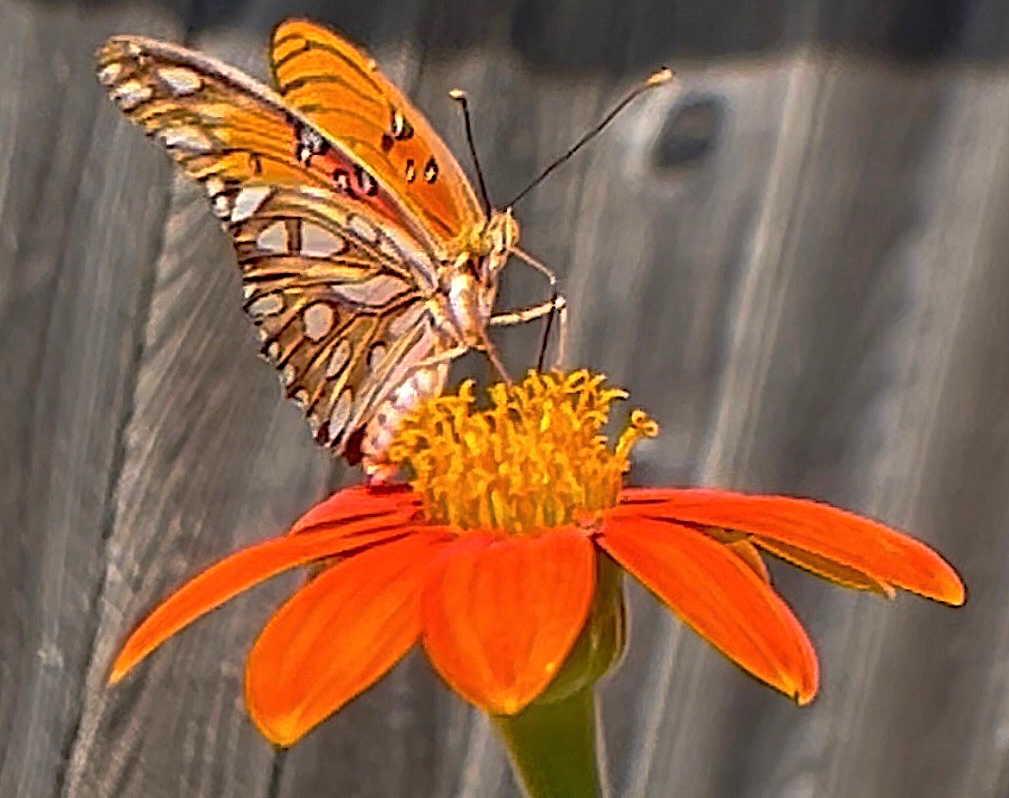
Gulf fritillary butterfly drinking through its straw-like tongue called a probiscus.
5. Place Your Puddler In A Sunny But Sheltered Location
Butterflies depend on warmth, so tucking the puddler into a sunny area beside the flowers they already visit will make them more likely to land on it. It helpful to have some flat rocks nearby for them to use as perches to sun themselves. Your butterfly puddler does not have to be pretty, but you have the option to dress it up with pretty stones or choose to disguise it behind your plants. Either way, it is sure to benefit your butterflies and keep them around your garden for longer. As long as you keep it moist and mineral rich, the butterflies will come.
Conclusion
In closing, butterfly puddling stations are a valuable and helpful perk you can add to your butterfly garden to ensure your butterflies get what they need to stay healthy and vibrant and most importantly, make more butterflies. Create multiple stations in different parts of your garden and use different additives to observe the different kinds of butterflies they bring in. Or just put together your first one this week to try it out.
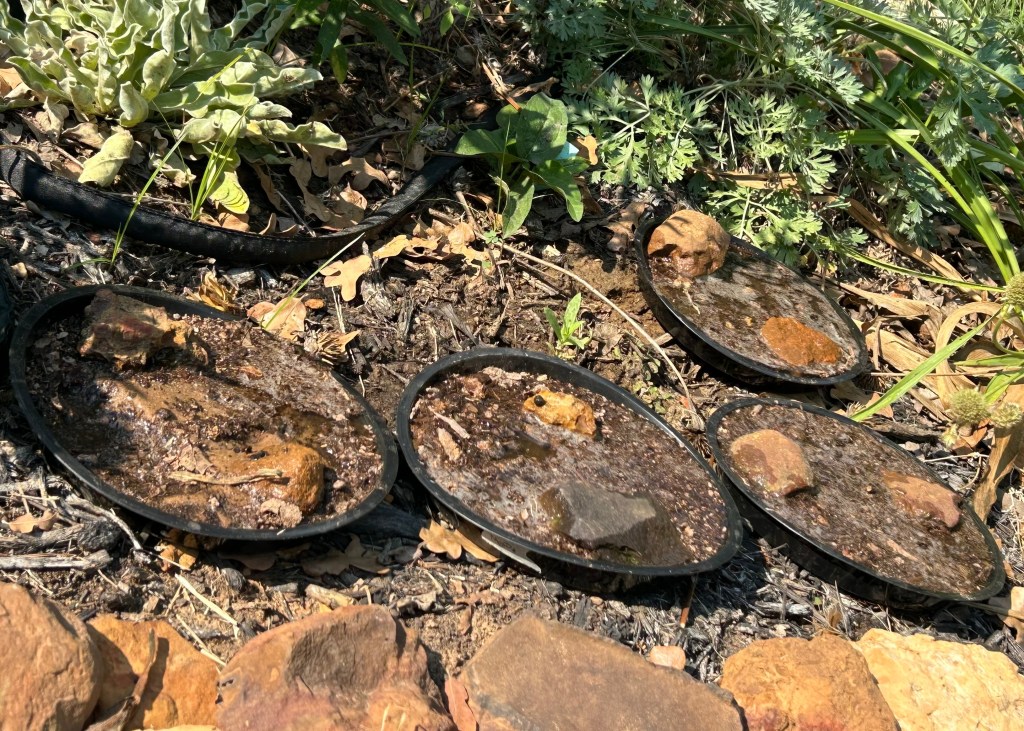
Now that the puddlers are in the garden, you can move them around to experiment with what locations draw in the most refreshment-seeking butterflies to your garden.
If you are planning or planting this season, the Butterfly Garden Cheat Sheet can help you check that the basic habitat pieces are in place.
Related Guides:
The Complete Guide to Butterfly Gardening: How to Attract, Feed, and Protect Butterflies All Year
How to Create a Butterfly Garden Right in Your Backyard: Step-by-Step
Top 12 U.S. Butterflies to Plant For (And Their Favorite Nectar & Host Plants)
Photo credits: Swallowtails on sand – Jo Jo Hikes
 Butterfly garden paradise
Leave a comment