
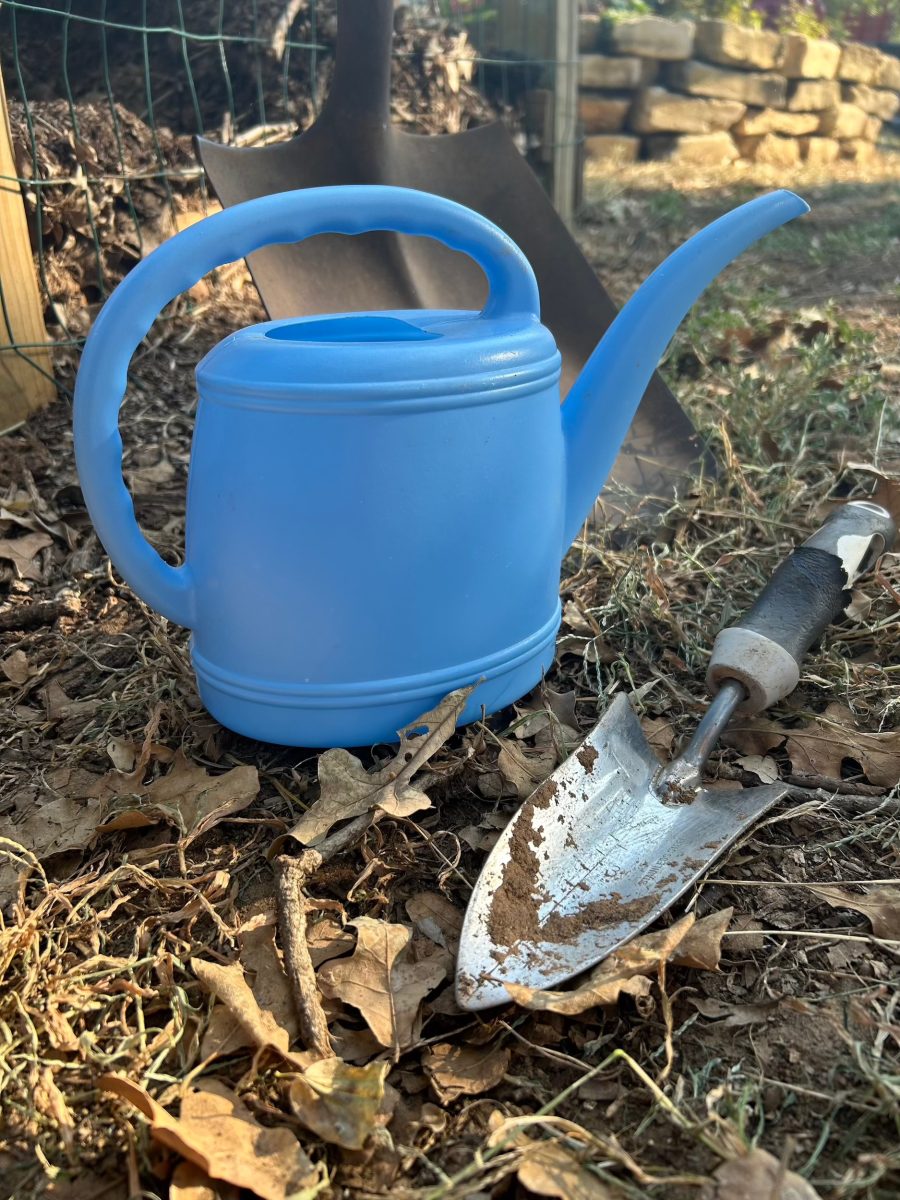
Must-Haves To Grow a Thriving Garden
I love gardening, but sometimes wrestling weeds, bending over digging holes, and cleaning up the mess can make it tiring. Whether you are planting your first seeds or nurturing a well-established garden, having the right tools can make a big difference. The right tools save you time, protect your hands and knees and turn hard work into a satisfying experience. From sturdy pruning shears to versatile hand trowels, these 10 essential tools will help you build your garden while making your time outside more enjoyable and productive.
In this guide, I will share with you my top 10 essential gardening tools, plus a few optional upgrades. Each one is something I personally rely on, and I will also share tips to help you get the most out of each tool. One of the fun things about gardening is that though there are so many tools available, anyone can get started with just a few basics. Beginner or advanced, these are the basics gardeners use to keep them growing happily — and without breaking the bank.
Grab these 10 tools and turn your gardening adventure from struggle to success:

Hand trowel is essential for planting in this vegetable garden.
1. Hand Trowel
A hand trowel is your go-to for planting, transplanting, and container gardening. I prefer a trowel with a comfortable handle and a pointed blade, which makes getting through the soil into your required planting depth much easier. Having measurements engraved in the steel makes it great for planting bulbs too.
Tip: Look for stainless steel blades — they resist rust and stay sharp longer. This is a tool I use all the time, basically until I break the handle, so look for something sturdy, this is not an investment you will regret.
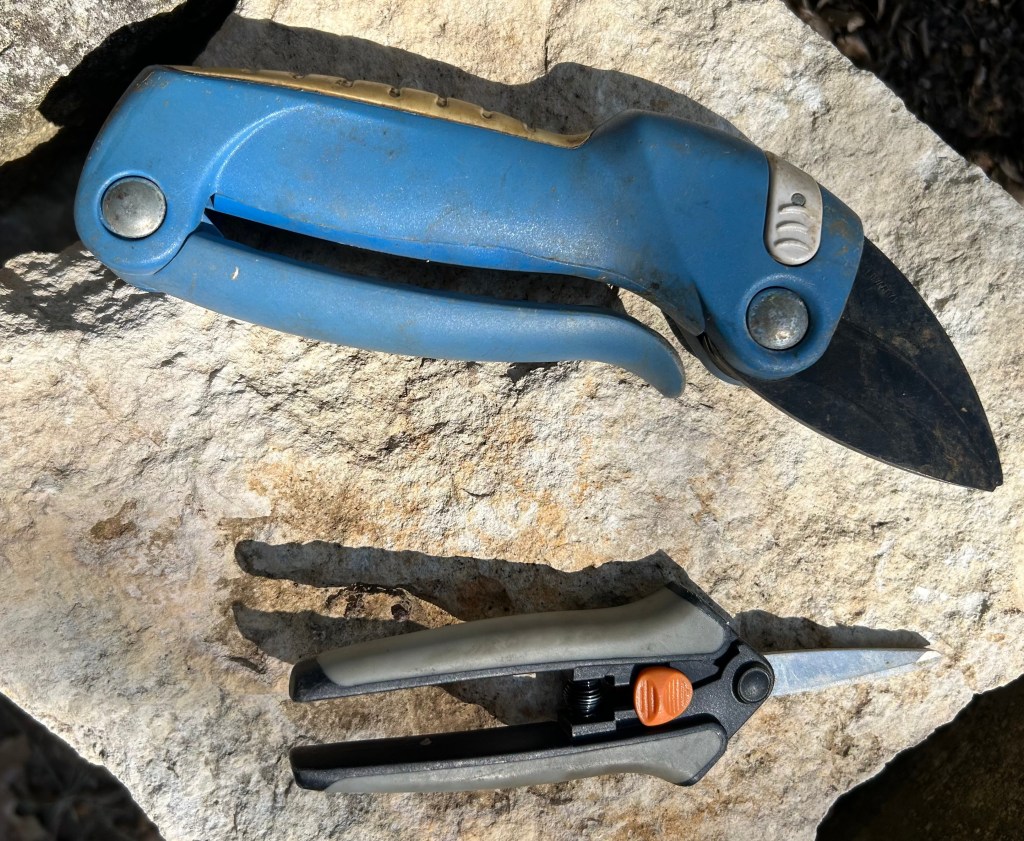
These branch pruners and small shears help with many gardening tasks by keeping plants trimmed and healthy.
2. Pruners / Shears
Every gardener needs a reliable pair of pruners for trimming, deadheading flowers, and harvesting. Sharp pruners make clean cuts that heal quickly, keeping your plants healthy.
Tip: For trimming the semi-woody stems of perennials and small shrubs, I prefer bypass pruners (top ones pictured) — they offer a smooth clean cut without crush ing stems. For smaller trimming jobs that require more precision, the micro-tip shears are the best. I use mine all the time for tasks like deadheading zinnias and trimming the flowers off my basil plants. Always clean blades after use to prevent disease spread.
3. Gloves
Gloves protect your hands from thorns, splinters, and dirt, but comfort matters just as much as protection. A snug glove with good grip and flexible fingers makes planting and pruning so much easier.
Tip: I keep (at least) two pairs handy — thinner ones for light planting and a heavy-duty pair made of leather for handling thorns, scratchy branches and stones. Wash them occasionally to keep them fresh and your hands happy and blister-free.

4. Watering Can or Hose with Nozzle
Watering efficiently is critical for healthy plants. A lightweight watering can is perfect for containers and young seedlings, while a hose with an adjustable nozzle works well for garden beds.
Tip: Choose a nozzle with multiple spray patterns — “shower” for delicate flowers, “jet” for deep watering and filling watering cans. I often keep a small watering can near my patio plants for quick top-offs, especially during the summer heat.
5. Garden Fork or Cultivator
A garden fork or cultivator is excellent for breaking up soil, turning compost, and aerating beds. They are great for preparing the soil for planting and loosening stubborn weeds before planting a new bed perennials.
Tip: For larger beds, a long handled garden fork with sturdy tines saves time. In smaller plots, a hand cultivator lets you work between plants without disturbing the roots of nearby plants.

Newly transplanted Texas sage (Leucophyllum frutescens), a tough native shrub.
6. Spaded Shovel
You will need shovel with a spaded edge for digging holes, edging beds, and moving soil or compost. The pointed spade is ideal for cutting through soil, while a flat-edged one is great for leveling soil.
Tip: Keep the handle smooth and comfortable — it makes heavy digging more bearable. I often wear my gloves while using the shovel to protect my hands from blisters. This tool is indispensable for creating larger holes for shrubs and trees, adding soil amendments and moving dirt.
7. Garden Rake
A rake does double duty: clearing debris and leveling soil or mulch. A stiff garden rake can be used for soil prep, while a softer more flexible one can be used for cleanup.
Tip: I only use the rake with stiff metal tines for garden bed prep and yard debris cleanup. For cleanup within my gardens, I use a narrow plastic one to navigate between plants without catching on them.
Additional note about pollinators: The best time to clean leaves out of your garden might be later than you think. Many insects including butterflies and bees utilize leaf cover as habitat. Check out the guide How to Build a Fall Habitat for Overwintering Pollinators to learn more about how to help them.
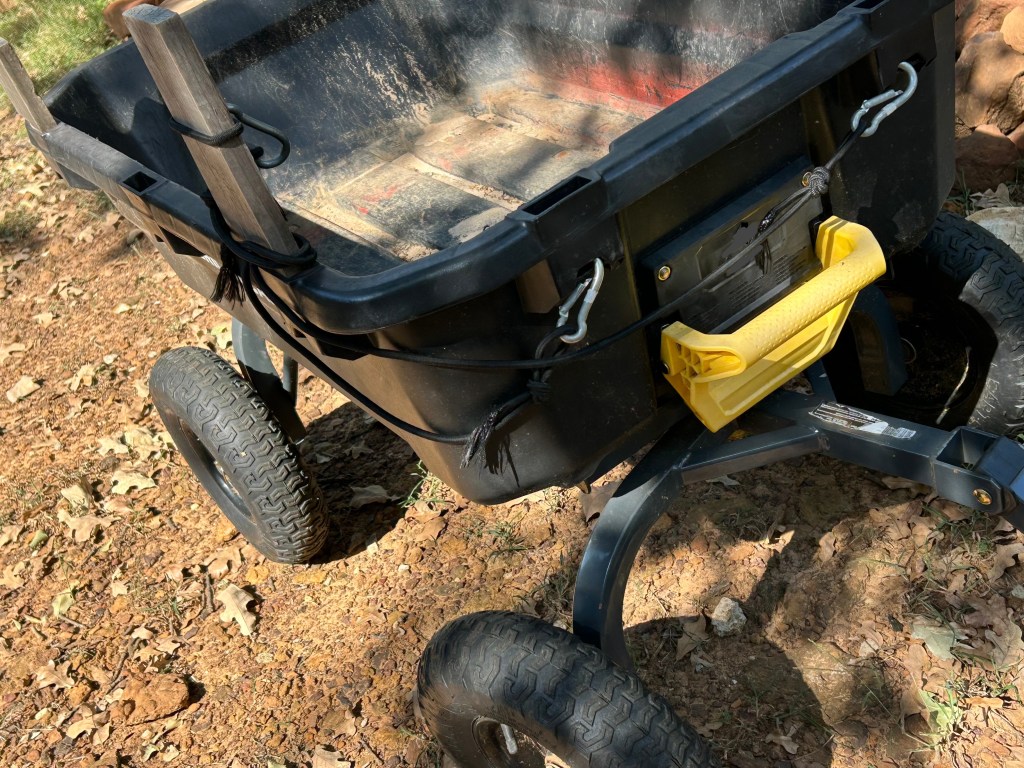
8. Wheelbarrow or Garden Cart
Transporting soil, mulch, or plants is much easier with a wheelbarrow or garden cart. I find that having one sturdy wheelbarrow saves countless trips back and forth from the compost pile.
Tip: Make sure the wheelbarrow has a comfortable grip and stable, properly inflated tires — it makes maneuvering on uneven soil or hills much easier. I also load mine with tools to transport all the supplies I am going to need to the area of yard I am currently working on.
9. Hoe / Weeder Tool
Weeds are relentless. A hoe or specialized weeder lets you remove them quickly without bending constantly. I keep a long-handled hoe for beds and a hand weeder for tight spots such as near stones or fences. If your soil stubborn or heavy clay like mine, a hoe can help to break it up better to remove it and/or add amendments to improve its texture.
Tip: Hoe lightly around young plants — deep digging can disturb roots. Use a smaller weeder tool for stubborn taproots or weeds in narrow spaces.
10. Kneeling Pad or Bench
Gardening should not take a toll on your knees or back. A kneeling pad or small bench makes planting, weeding, and pruning far more comfortable.
Tip: I prefer a foldable kneeling bench with pockets for tools — keeps essentials close and reduces trips across the garden. I also use a thick foam pad to keep clean and protect my knees when planting in the ground.
Optional / Upgrade Tools
• Heavy duty lopping shears or long handled pruners for thicker branches, anvil style
• Drip irrigation system for consistent watering
• Tool belt or bag to keep everything close
• Bins or buckets for holding extra soil and/or supplies
These upgrades are optional but can help make your gardening workflow even smoother.
Seasonal Buying Tips – The Best Time to Buy Tools:
• Late winter / early spring — garden centers stock up with new tools.
• Fall sales — often huge discounts on durable gear.
Stock up strategically and plan ahead and you will save money while getting the best deals quality tools.
Conclusion
You do not have to spend a fortune or fill a shed with gadgets to have a successful garden. Start with these 10 essentials, get comfortable using them, and add upgrades as your garden grows.
If you are new to butterfly gardening, the Butterfly Garden Cheat Sheet outlines the basic conditions butterflies look for when choosing a garden.
Related Guides:
How to Start a Garden from Scratch
The Complete Guide to Butterfly Gardening: How to Attract, Feed, and Protect Butterflies All Year
The Ultimate Texas Zone 8 Garden Guide: What to Plant and When
 Butterfly garden paradise
Leave a comment