

Heat-Tough, Pollinator-Friendly and Perfect for Texas Gardens
If you live in Zone 8, you have the perfect climate to grow a garden that not only thrives in the heat but also attracts butterflies all season long. Choosing native plants allows for less maintenance, saves water, and creates a habitat that local pollinators recognize and love. Here are seven reliable native plants that provide nectar, shelter, and even host food for butterfly caterpillars to help you make the most of the beautiful opportunities for attracting butterflies here in Texas.
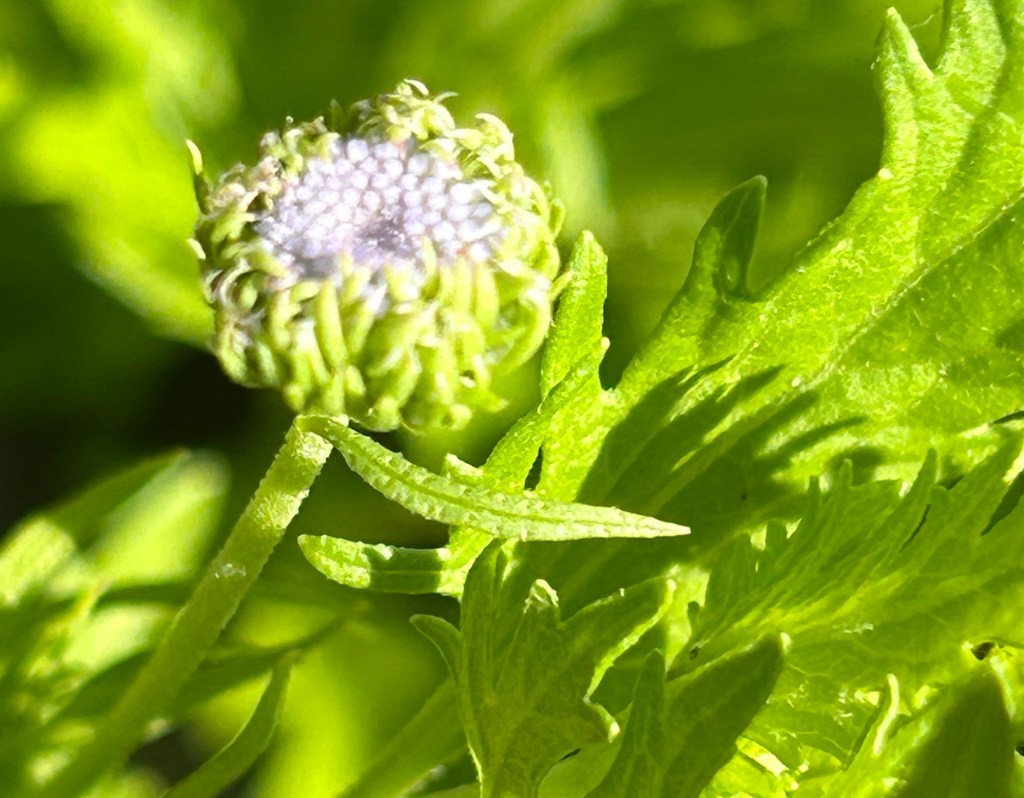
This flower is best propagated by division- this newly divided clump is about to bloom for the first time since being transplanted.
1. Gregg’s Mistflower (Conoclinium greggii)
This native perennial produces fuzzy clusters of blue flowers that seem to glow in the garden. Butterflies swarm it in the fall, especially migrating monarchs that need an energy boost before continuing their journey. It thrives in full sun to partial shade and is easy to tuck into pollinator beds.
Butterflies It Attracts:
Especially beloved by queens, monarchs, and various skippers.
Growing Tip:
Plant in soil with moderate moisture; blooms heaviest in fall, right when migrating monarchs need extra nectar.
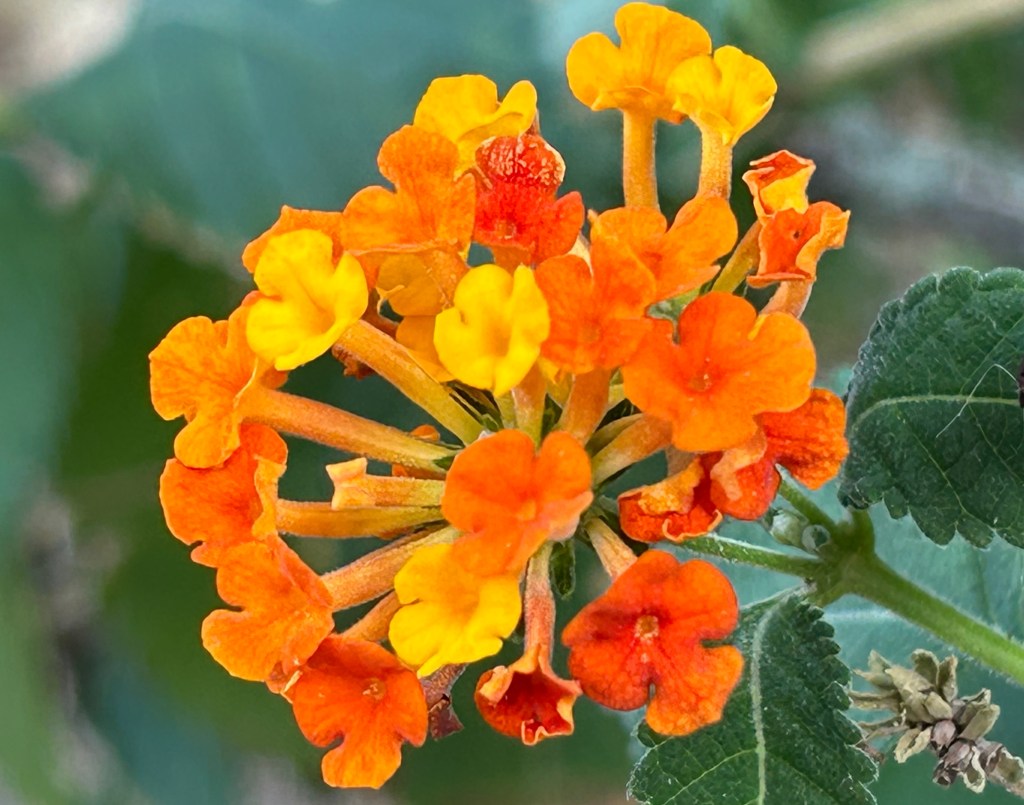
2. Texas Lantana (Lantana urticoides)
Texas lantana is nearly indestructible, making it a great choice for hot, dry areas where little else grows. Its vibrant red, orange, and yellow flower clusters bloom for months and are a magnet for swallowtails, fritillaries and many others. Once established, it needs little water and is perfect for low-maintenance gardens. Definitely a must have in any Texas native landscape.
Butterflies It Attracts:
Swallowtails, fritillaries, and painted ladies.
Growing Tip:
Thrives in hot, dry spots growing anything else may present a challenge.

3. Blackfoot Daisy (Melampodium leucanthum)
This small, mounding perennial produces cheerful white daisy-like blooms from spring through fall. Despite its delicate flowers, it thrives in rocky soil and blazing sun, which makes it ideal for tough Texas landscapes. Its nectar attracts a variety of butterflies and native bees throughout the growing season.
Butterflies It Attracts:
General nectar favorite for smaller butterflies like skippers and different species of bees.
Growing Tip:
Prefers rocky, well-drained soil and full sun.
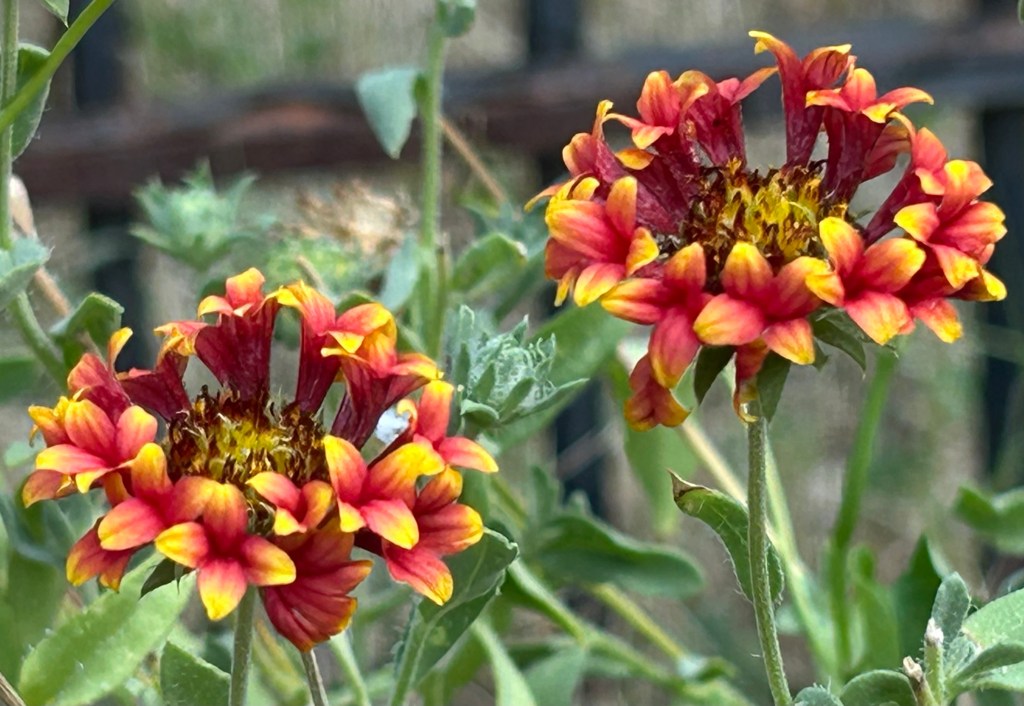
4. Gaillardia (Blanket Flower)
Gaillardia is a vibrant, heat-loving perennial that thrives in Texas gardens and blooms from late spring through fall. Its bright, daisy-like flowers are a magnet for pollinators, providing abundant nectar even in hot, dry conditions. This hardy plant adds long-lasting color while supporting butterfly activity all season.
Butterflies It Attracts:
Sulphurs, skippers, painted ladies
Growing Tip:
Plant in full sun with well-draining soil and deadhead spent blooms to encourage continuous flowering
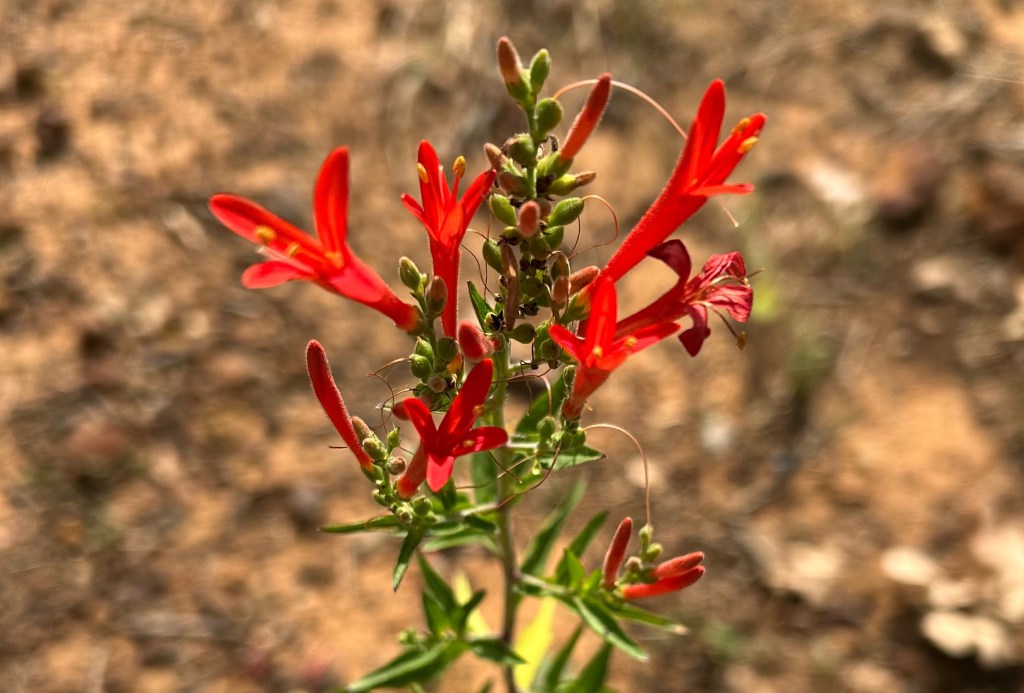
5. Flame Acanthus (Anisacanthus quadrifidus var. wrightii)
Known as “hummingbird bush,” flame acanthus also draws in butterflies with its bright red tubular flowers. It blooms in waves through the hottest months, providing nectar when other flowers fade. This hardy shrub is drought-tolerant and thrives in full sun, making it a dependable summer bloomer.
Butterflies It Attracts:
Gulf fritillaries, swallowtails, and sulphurs.
Growing Tip:
Drought-tolerant and blooms best in full sun.
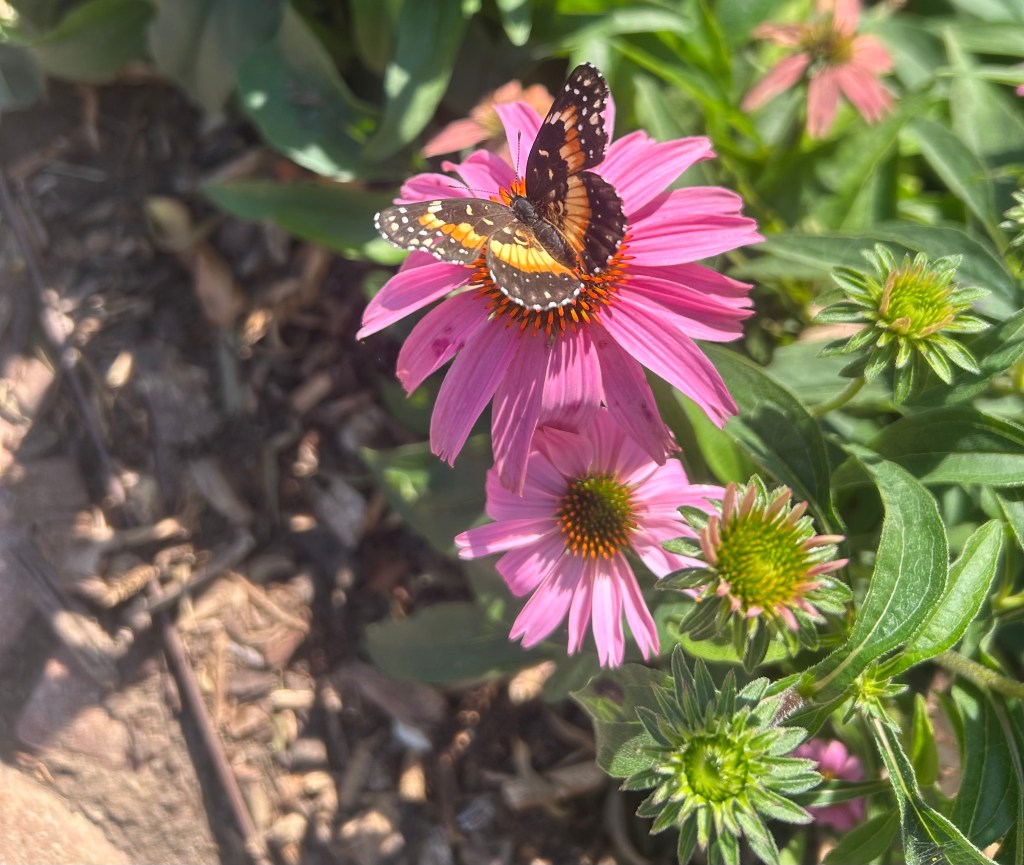
Bordered patch butterfly feeding in a patch of purple coneflowers.
6. Purple Coneflower (Echinacea purpurea)
Purple coneflower is a classic native wildflower that adds long-lasting color to the garden. Its large blooms attract a wide variety of pollinators, including monarchs, swallowtails, and bees. Deadhead to encourage more flowers, and leave seed heads standing in winter for goldfinches and other birds.
Butterflies It Attracts:
Attracts a wide variety including monarchs and swallowtails.
Growing Tip:
Deadhead to extend blooming, and leave seed heads for birds in winter.

7. Frostweed (Verbesina virginica)
Frostweed is a lesser-known native that bursts into white clusters of flowers in late summer and fall. This timing makes it an essential nectar source for migrating monarchs as well as queens and skippers. It prefers part shade and moist soil but adapts surprisingly well once established.
Butterflies It Attracts:
Monarchs during their migration through Texas, along with queens and others.
Growing Tip:
Prefers part shade and moist soil but adapts to different conditions.
Conclusion
By planting a mix of these beautiful natives flowers, you will provide nectar throughout the seasons, host plants for caterpillars, and hardy landscaping that thrives even in the challenging Zone 8 climate. Consider adding just one or two of these butterfly staples and it will make a big difference for butterflies in your area. This mix of wildflowers is sure to attract a variety of species from the renowned Monarch butterfly to swallowtails, to the smaller lesser-known ones like skippers and sulphurs. Carefully create your own mini-habitat using these plants, then sit back and enjoy as butterflies turn your yard into a favorite stop on their journey.
For a simple starting framework adapted to Texas conditions, the Butterfly Garden Cheat Sheet summarizes the basic habitat elements to focus on first.
Related Guides:
The Ultimate Texas Zone 8 Garden Guide: What to Plant and When
 Butterfly garden paradise
Leave a comment