
Garden Tasks and What to Plant Now
Fall in Texas might not bring crisp air and falling leaves right away, but October is one of the best months to get planting. Daytime highs are finally dropping a bit and cooler temperatures at night give plants a little reprieve from the heat. As gardeners, this is much awaited time.
In Zone 8, the soil is still warm enough for roots to establish, and the cooler nights reduce stress on young transplants. Planting in fall gives your vegetables, flowers, and trees and shrubs a great head start that promises a successful growing season into the next year.
Here is your complete October planting guide and checklist for a thriving fall garden:
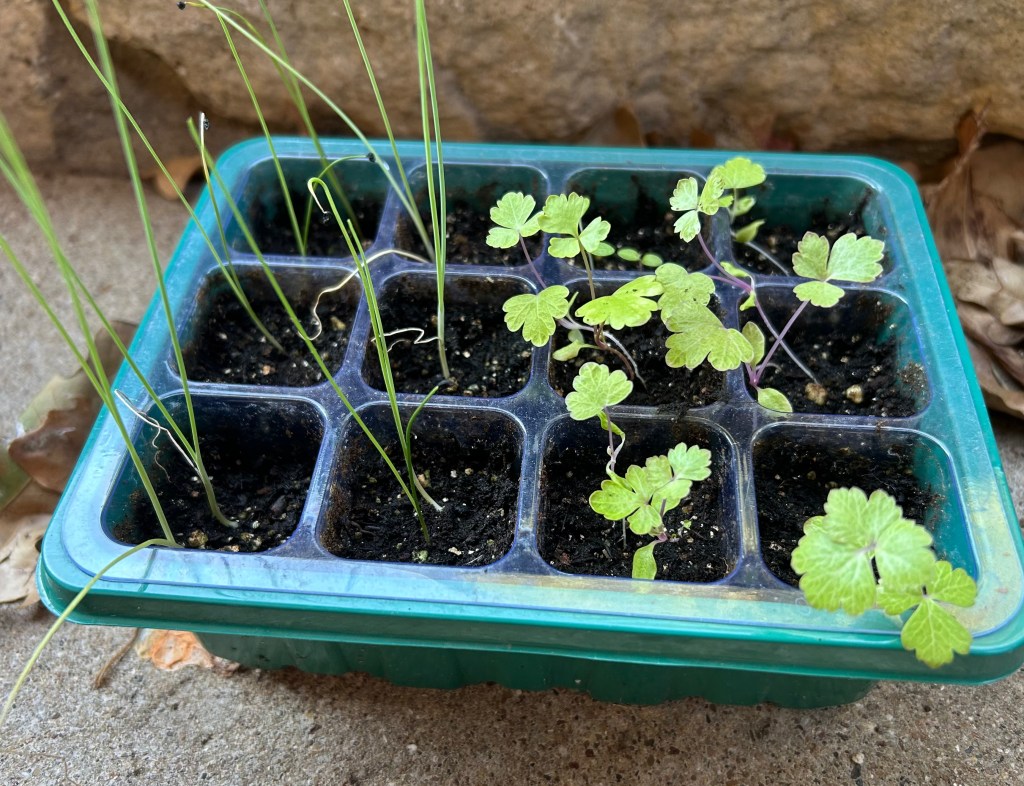
Fall veggie starts: leaks and celery are cool-season crops for Zone 8.
Cool-Season Vegetables
October is prime time for sowing and transplanting cool-weather crops. These plants thrive in shorter days and cooler temperatures:
• Leafy Greens
Lettuce, spinach, kale, Swiss chard, collards, and mustard greens. Transplants are recommended for the best results.
• Brassicas
Broccoli, cauliflower, cabbage, and Brussels sprouts. Plant sturdy nursery starts now for harvest later this fall and winter.
• Onions & Garlic
Plant your onion sets and plant garlic cloves soon. They will start growing roots now through winter and reward you with big bulbs next spring.
• Root Crops
Carrots, radishes, beets, and turnips can be direct sown as long as the soil is kept consistently moist. Otherwise transplants are a more reliable method. Sow them successively every 2–3 weeks for a steady harvest.
Extra Tip: A thin layer of mulch helps regulate soil temperature and moisture.
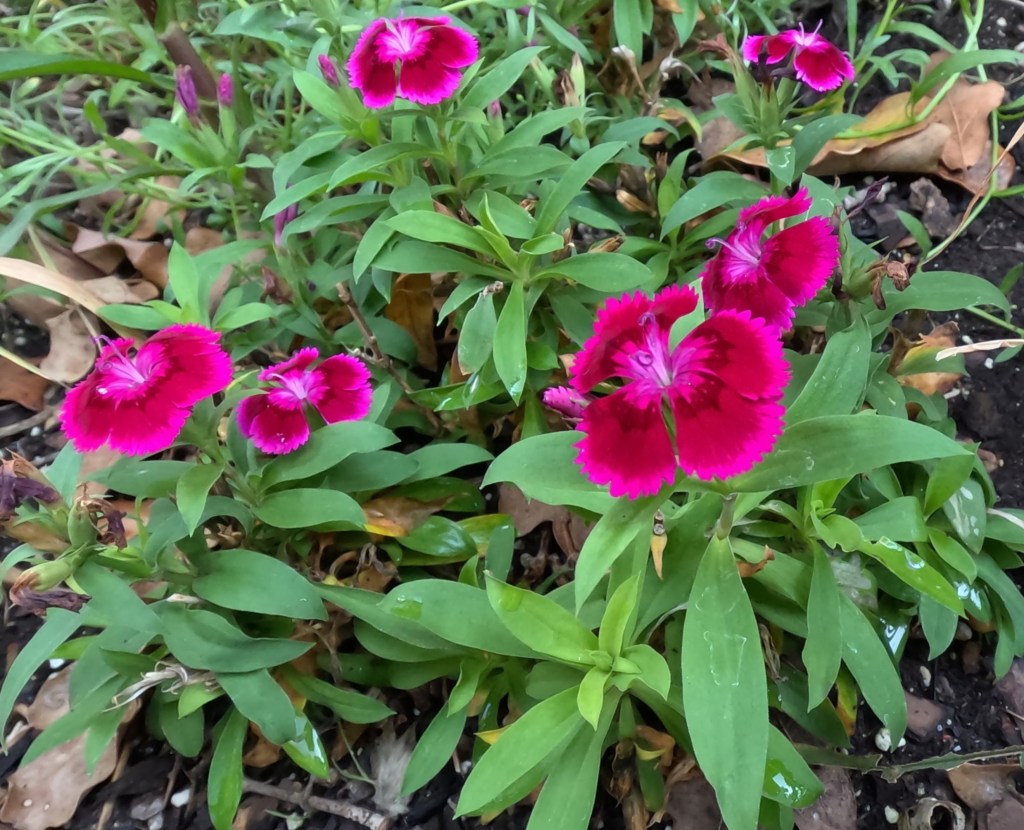
Dianthus flowers adding some cool season color to the garden.
Cool-Season Flowers
Want color all winter long? In Texas you can do it, and October is the perfect time to tuck in some cool-weather blooms:
• Pansies & Violas
Bright, cheerful, and long-blooming, they’ll flower until spring.
• Snapdragons
Plant now for blooms in late fall, winter, and a big flush in spring.
• Dianthus
Hardy little flowers that bring color through cool months.
• Alyssum
Sweet-smelling clusters of tiny blooms, perfect for borders.
• Calendula
Orange and yellow flowers that attract pollinators.
• Ornamental Kale & Cabbage
Great for bold foliage interest when flowers slow down.
• Drummond Phlox (Phlox drummondii)
Cool-season annual native to Texas. Sow in fall for blooms in late winter into spring.
Extra Tip: Mix flowers and veggies together for a productive and colorful garden bed.
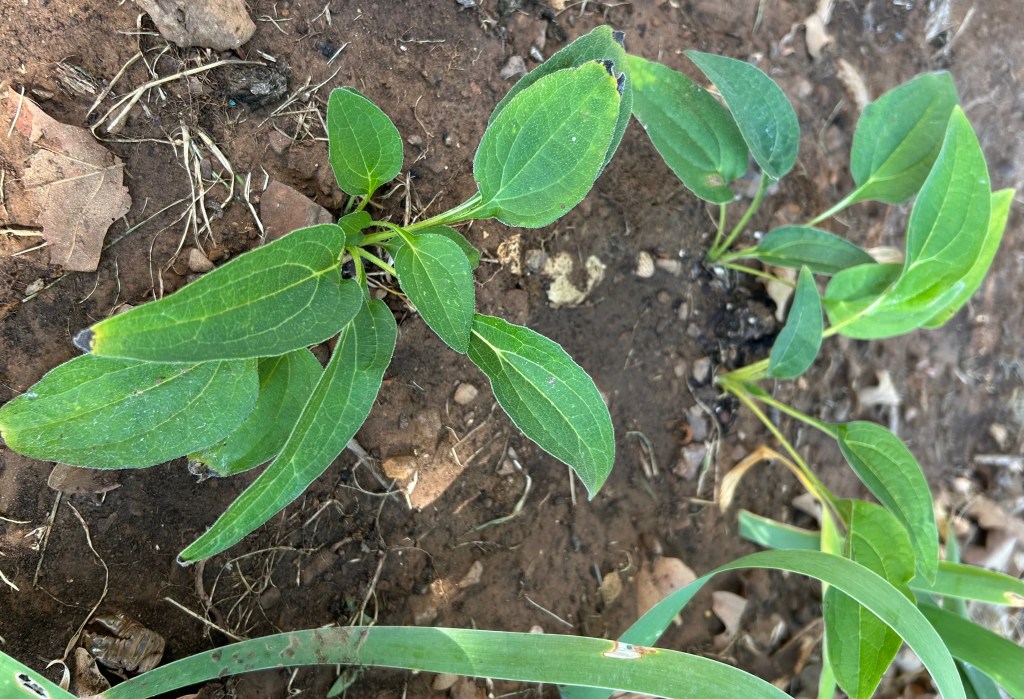
Echinacea ‘mellow yellows’ grown from seed and planted this Fall. It will be exciting to see their first blooms in the Spring.
Native & Pollinator-Friendly Perennials
Fall is hands-down the best time to plant Texas natives. Warm soil helps roots establish before winter, and plants will be ready to take off in spring. Pollinators will thank you, too. Here are just a few but there are many others: (more butterfly-attracting perennials for Texas).
• Milkweed
Native types include antelope horns, green milkweed, or swamp milkweed for wetter areas. (Host plant for monarch butterflies).
• Coneflowers (Echinacea)
Hardy, drought-tolerant, and long-blooming. Great for nectar source for pollinators.
• Coreopsis
Sunny yellow flowers loved by butterflies.
• Black-eyed Susan (Rudbeckia)
Easy to grow and reliable in Texas heat.
• Gregg’s Mistflower
A monarch magnet in the fall.
• Salvias
Autumn sage, mealy blue sage, and other Texas native sages provide nectar well into fall.
• Liatris (Blazing Star)
Tall purple spikes that attract bees and butterflies.
Extra Tip: Choose plants native to your region for the lowest maintenance and best survival in hot Texas summers.
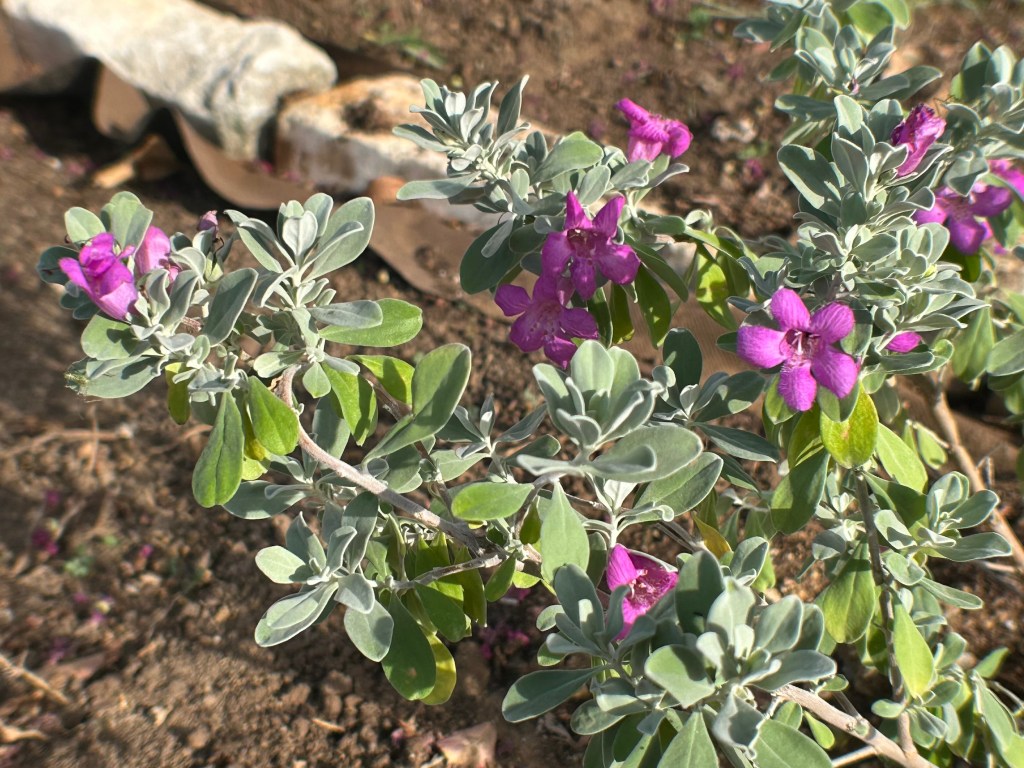
Texas sage shrub (Leucophyllum frutescens) also known as Cenizo planted in Fall. A tough native and useful for pollinators.
Trees & Shrubs
October is also tree-planting season in Texas. Cooler weather means less stress, and roots can establish and grow steadily all winter long.
• Shade Trees
Oaks, pecans, and elms are classic choices. Mexican plum and Texas redbud are great nectar sources for pollinators.
• Fruit Trees
Pomegranate, pear, fig, and peach trees do best when planted in late October or November once they are fully dormant.
• Native Shrubs
Texas sage (leucophyllum frutescens), yaupon holly, and American beautyberry add structure and wildlife value.
Extra tip: Always water deeply after planting, then mulch to insulate the roots and conserve moisture.
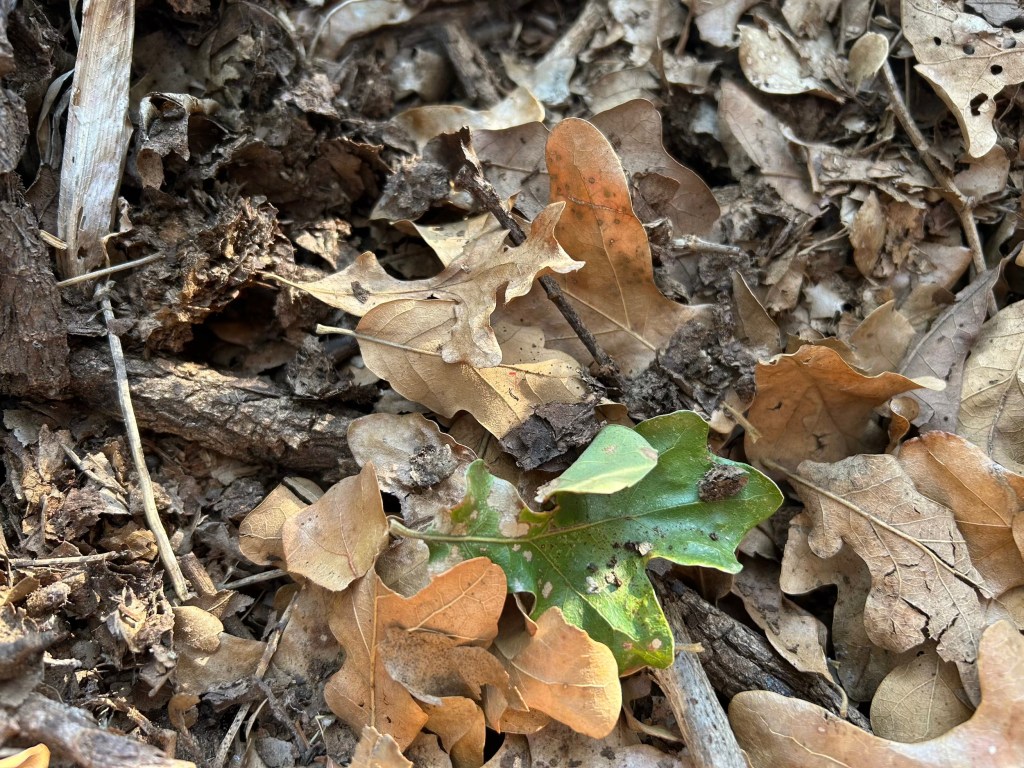
Compost pile with a mix of partially decomposed leaves, twigs and grass clippings
General Garden Tasks for October:
• Mulch New Plantings
Add 2–3 inches of compost, shredded leaves, or bark.
• Water Deeply As Needed
Once or twice per week, depending on rainfall. For establishing new plants, keep soil moist for the first 4-6 weeks.
• Collect Leaves
To use as mulch to protect plants from the cold, hold in moisture, suppress weeds, or for your compost pile. If you do not have a compost pile for leaves, now is a great time to make one.
• Deadhead Summer Annuals
To encourage any last blooms before frost.
• Watch for Pests
Cool weather does not stop cabbage worms.
• Prep for Frost
Zone 8 usually gets its first frost in late November, so have covers or sheets ready for tender plants.
October Checklist Summary:
• Plant leafy greens, broccoli, carrots, garlic, and onions
• Add pansies, violas, and kale for winter color
• Plant your pollinator-friendly natives and perennials
• Plant shade trees, fruit trees, and native shrubs
• Mulch new plantings and collect fall leaves
• Prep frost covers for late November/ December
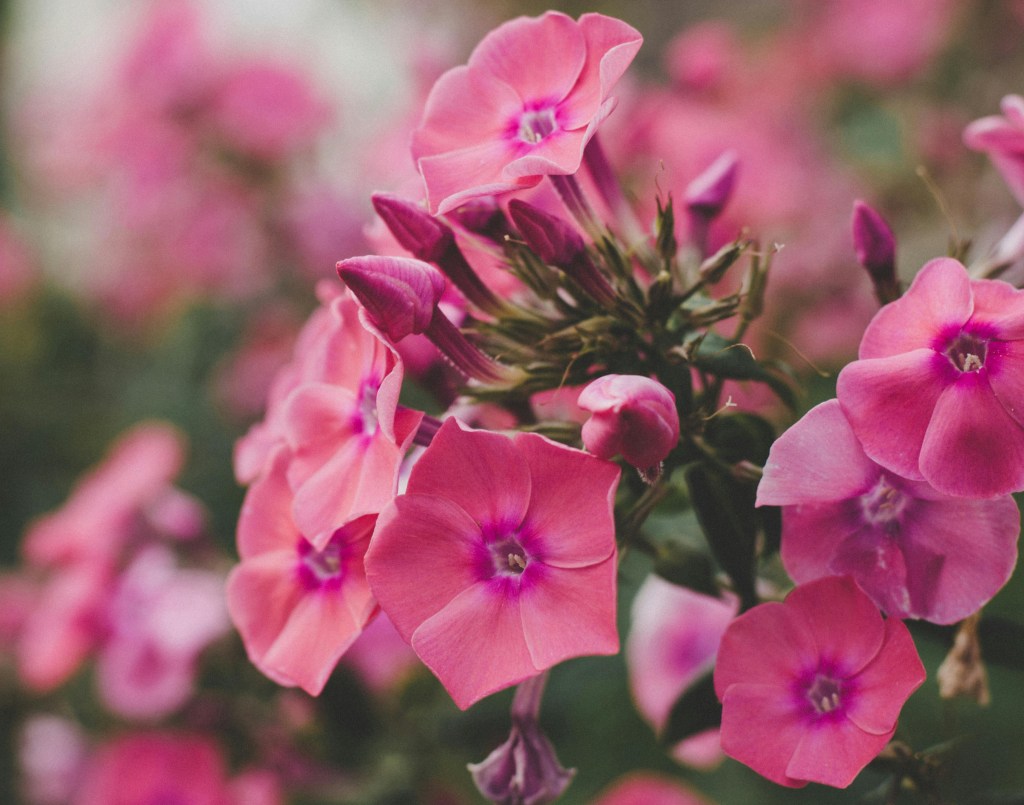
Phlox Drummondii a native phlox flower with beautiful pink blooms
Final Thoughts
Gardening in Texas is not just about surviving the summer heat—fall is your chance to thrive. By planting in October, you give vegetables, flowers, and perennials a strong start while making your garden more beautiful and pollinator-friendly. And when spring arrives, you will be glad you took advantage of this perfect planting window.
If you are planning or planting this season, the Butterfly Garden Cheat Sheet can help you check that the basic habitat pieces are in place.
Related Guides:
The Complete Guide to Butterfly Gardening: How to Attract, Feed, and Protect Butterflies All Year
The Ultimate Texas Zone 8 Garden Guide: What to Plant and When
DIY Leaf Mold: Turning Autumn Leaves into Garden Gold
Photo credit: Phlox – Danila Perevoshchikov
 Butterfly garden paradise
Leave a comment