
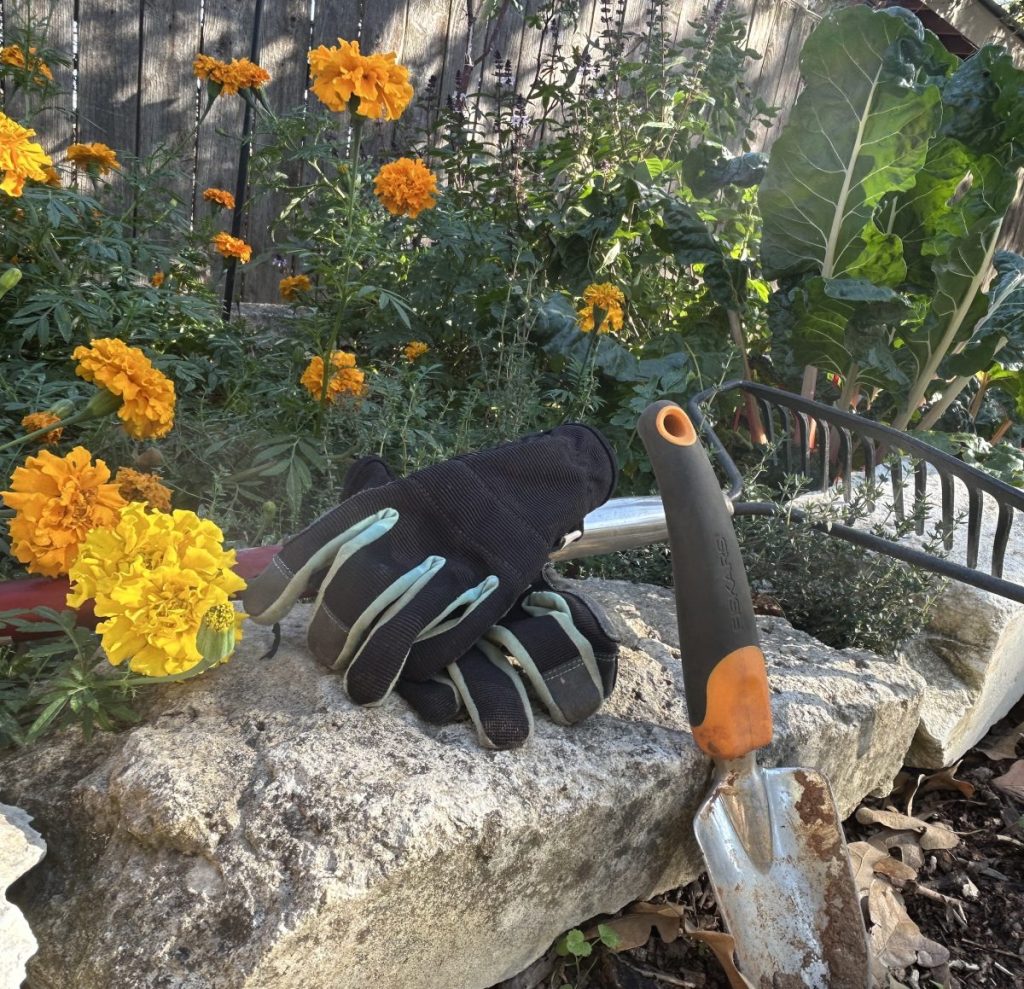
A Beginner’s Guide to Planning, Planting, and Caring for a Healthy Garden
Gardening is one of the most rewarding ways to connect with nature, grow your own flowers or food, and create a space that refreshes your mind and body. Yet for beginners, starting a garden from scratch can feel overwhelming. Where do you plant? What kind of soil do you need? Which plants will actually thrive?
This step-by-step guide breaks it down in practical, manageable pieces. You will learn how to choose the right location, prepare your soil, select plants, and care for your garden so it grows strong and healthy. Along the way, you will find links to supporting posts for deeper dives, including pollinator-friendly plants, soil health, and watering techniques, so you can expand your knowledge at your own pace.
This guide focuses on the fundamentals that apply to any successful garden, regardless of style or plant choice. Once these basics are in place, more specific approaches—such as butterfly gardening, native plant selection, or Texas-specific timing—become much easier and more successful.
Step 1: Choose the Right Location
The success of your garden starts with choosing the right spot. Here is what to consider:
• Sunlight
Observe how many hours of direct sun your space receives. Most vegetables, flowers, and many native plants need 6–8 hours of sun. Shade-tolerant plants do well in partial or dappled light.
• Soil Type
Clay, sandy, rocky, or loamy soil affects drainage and nutrient availability. Start with what you have, then improve it naturally (see DIY Leaf Mold for a low-budget way to create your own healthy soil).
• Water Access
Ensure hoses or watering cans can reach your garden plot. Consistent watering is key, especially for young plants and during establishment after planting larger ones.
• Protection from Wind and Pests
Natural barriers or fences can shield seedlings from strong gusts or burrowing animals.
🌱 Quick Tip: Start small — even a 4×4-foot plot or a few pots on a patio is enough to learn the basics without feeling overwhelmed. This is how many gardeners start out and then they get hooked!
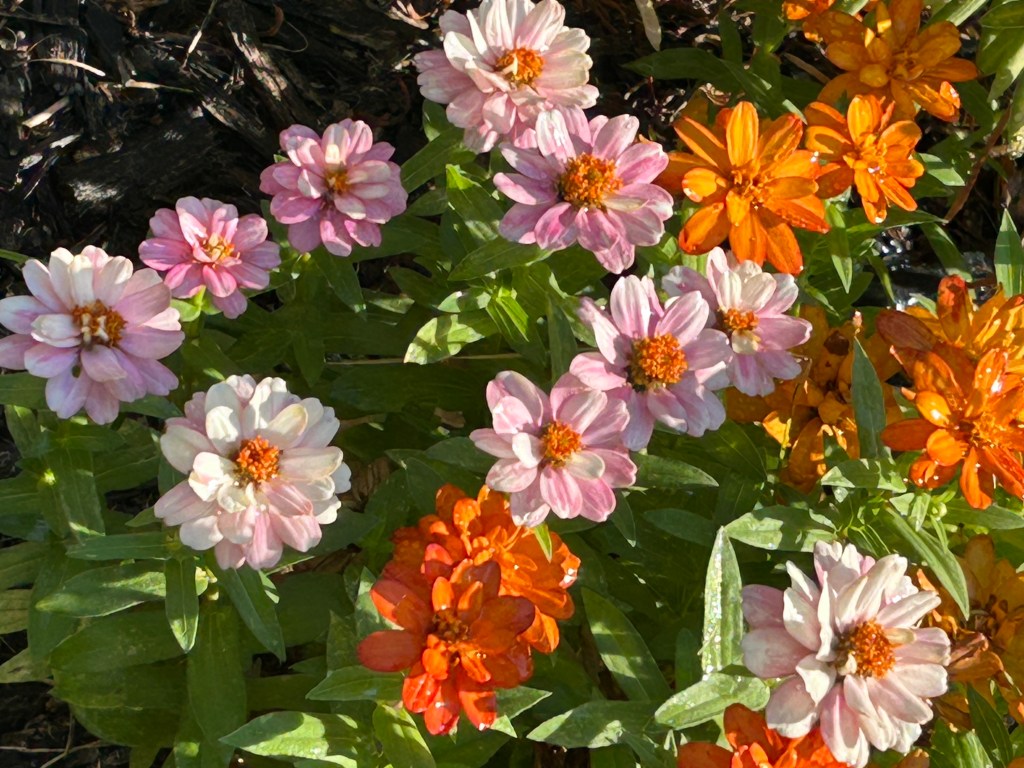
Zinnias and many other annuals love sunny areas and are easy plants to start with for fast seasonal color.
Step 2: Plan Your Garden
Planning saves headaches later. Think about:
• Purpose
Flowers, vegetables, or a mix? Interested in attracting pollinators? (See 10 Native, Easy Care Plants for Pollinators for some ideas. Many of them can be planted in the Fall or Spring.
• Plant Selection
Choose plants suited to your zone, soil type, and sun exposure. Native plants are often a great choice because they tend to be lower-maintenance and support local wildlife.
• Layout
Sketch out your garden on paper or digital software. Consider spacing, bloom times, and companion planting to reduce crowding and disease.
• Timing
Planting windows vary. Cool-season crops like lettuce or leeks can go in earlier, while heat-tolerant flowers and perennials thrive later.
Pro Tip: Include a few easy wins — plants that grow reliably and bloom quickly. This boosts confidence and keeps motivation high.
Step 3: Gather Tools and Supplies
You do not need a huge collection of expensive tools. Essentials include:
• Trowel, hand rake, pruning shears, gloves, spade or shovel
• Optional: garden hose with adjustable nozzle, soil thermometer, plant labels
• Budget tip: buy second-hand, share tools, or start with small pots and upgrade as needed

For more garden tool suggestions: 10 Essential Garden Tools.
Step 4: Prepare the Soil
Healthy soil is the foundation of every garden. A few simple steps to prep your soil for success:
1. Clear Weeds and Debris
Remove invasive plants along with their roots and large rocks that compete with seedlings.
2. Loosen Compacted Soil
Use a spade or hoe to loosen the soil and allow roots to penetrate without disturbing soil structure too much.
3. Amend with Organic Matter
Compost, leaf mold, or aged manure improves soil structure, fertility, and water retention.
4. Add Mulch
It retains moisture, regulates soil temperature, and suppresses weeds.
Soil Tip: Mulch lightly around seedlings but do not bury their crowns, and leave a small gap around the stem to allow airflow.
Step 5: Plant Your Garden
• Seeds vs. Starts
Seeds are cost-effective but take more time to establish; larger transplants give instant impact.
• Planting Depth
Follow seed packet instructions or transplant guidelines — too deep or shallow can stunt growth.
• Spacing
Give plants enough room to grow; overcrowding leads to disease and fungal issues.
• Watering
Water gently but thoroughly at planting, then maintain consistent moisture.
🌿 Planting Tip: Stagger plantings or sow in blocks to extend harvest or bloom periods and make the garden visually appealing.
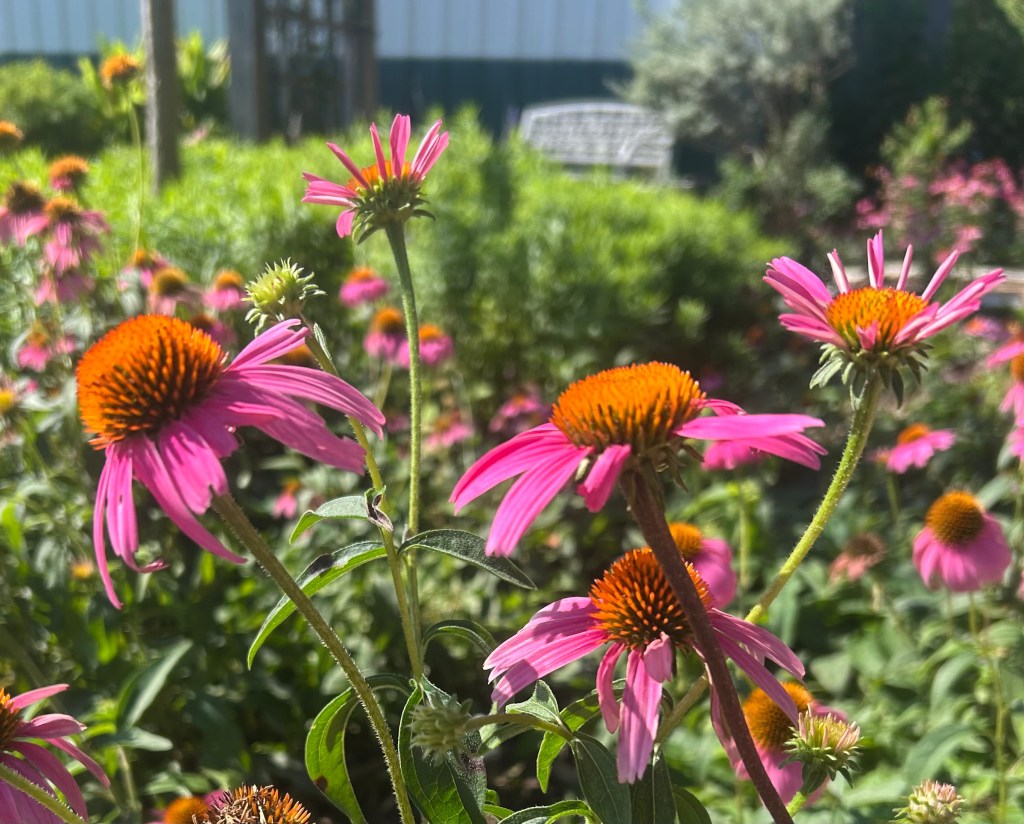
Purple coneflower (Echinacea purpurea) is a colorful, low maintenance, and attractive native flower.
Step 6: Care and Maintenance
Gardens need attention, but it can be manageable:
• Weeding
Pull weeds early before they compete for nutrients or crowd out other plants.
• Pruning and Deadheading
Remove spent blooms to encourage new flowers (e.g., zinnias, marigolds, pansies).
• Fertilizing
Use organic fertilizers sparingly; healthy soil often provides enough nutrients, especially with compost added.
• Pest and Wildlife Management
Observe carefully. Beneficial insects support your garden, but small barriers, netting or pots can protect fragile seedlings from destructive critters.
• Monitoring Growth
Check plants daily during heat waves, drought, or pest surges. Adjust water and shade as needed.
✂️ Deadheading Tip: Cut spent blooms back to the first healthy leaves to encourage more flowers.
Step 7: Enjoy and Learn
Gardening is as much about observation and patience as it is about planting:
• Note bloom cycles and plant preferences
• Label plants or keep the tags so you remember what they are
• Track successes and failures in a notebook
• Experiment with companion planting, soil amendments, or pollinator-friendly flowers
• Celebrate the wildlife your garden attracts — bees, butterflies, and birds indicate a thriving ecosystem
Even small gardens offer big lessons and inspiration. By starting small, planning carefully, and observing your plants, you can build a space that grows stronger each year.

Gulf fritillary butterfly feeding from tall verbena.
If you’re interested in butterfly gardening specifically, the Butterfly Garden Cheat Sheet outlines the basic conditions butterflies look for when choosing a garden.
Conclusion
Starting a garden from scratch can feel daunting, but by following these steps — choosing the right location, planning thoughtfully, preparing soil, planting, and caring for your plants — you will set yourself up for success and beautiful blooms. Every gardener learns as they go, and minor setbacks are just part of the process of learning. With patience, observation, and guidance from the right sources, you will soon enjoy a thriving garden full of life, color, and pollinators.
Related Guides:
The Ultimate Texas Zone 8 Garden Guide: What to Plant and When
The Complete Guide to Butterfly Gardening: How to Attact, Feed, and Protect Butterflies All Year
Monarch Host Plants vs. Nectar Plants: A Simple Beginner Guide
 Butterfly garden paradise
Leave a comment