
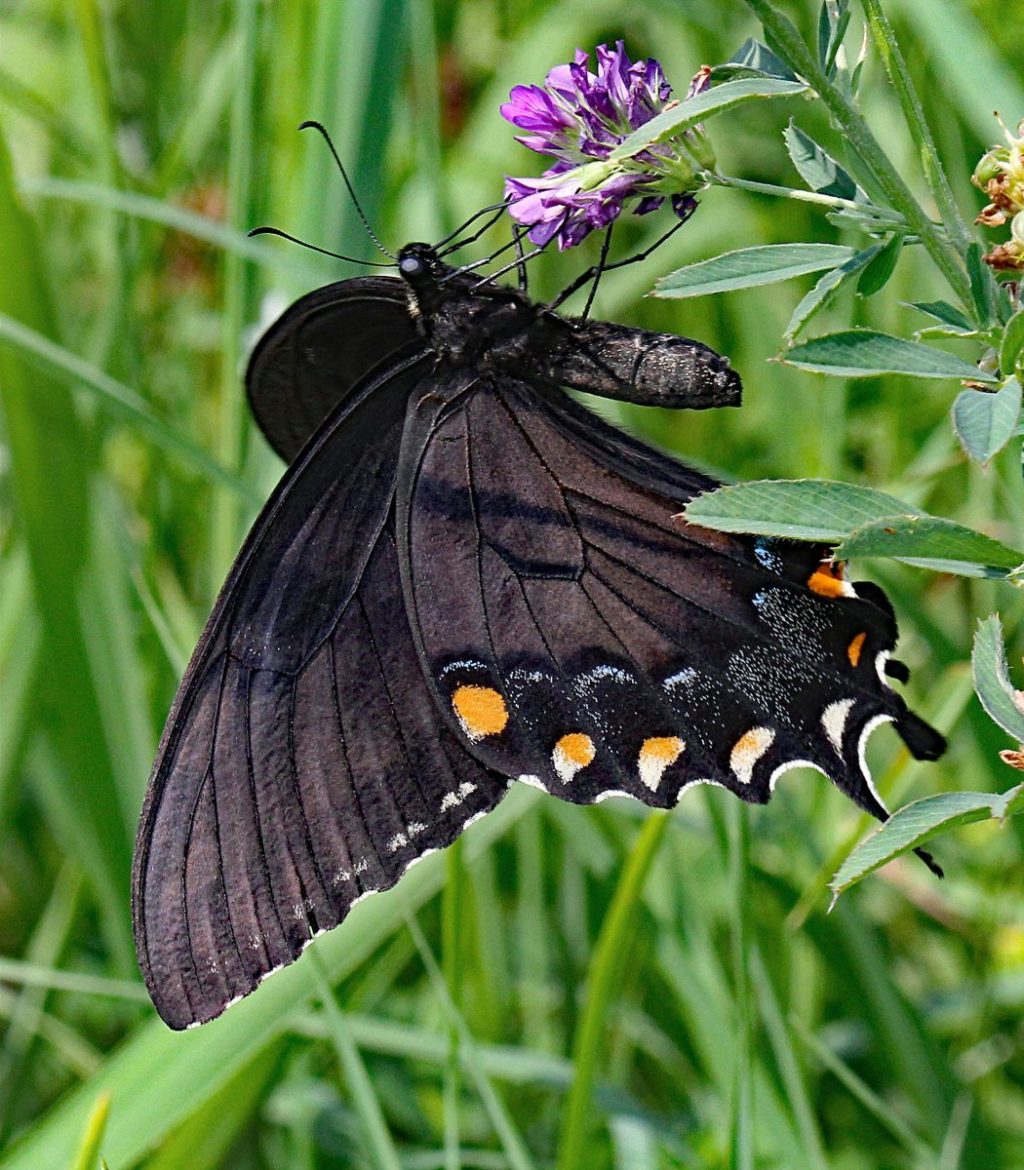
There is something magnetic about seeing butterflies appear in your own garden — the flashes of color, the drifting flight, the sense that a space you created is being used rather than simply admired. A butterfly garden turns an ordinary yard into a living landscape, shaped as much by movement and timing as by flowers.
Butterflies are not only beautiful to watch. They are also indicators of a functioning system. When they remain in a space — not just passing through — it often means the garden is meeting their needs in ways that go beyond surface appeal.
This guide explains how butterfly gardens work at a foundational level. Rather than focusing on individual plants or quick results, it looks at the basic elements butterflies respond to: food, shelter, water, sunlight, and seasonal continuity. When these pieces are in place, gardens tend to improve over time, even as conditions change.
Whether you are working with a small backyard, a larger property, or a few containers, understanding these core needs allows you to make decisions that support butterflies throughout their life cycle — and avoid many of the frustrations that come from trial and error.
1. Understanding Butterfly Needs
Before planting or landscaping, it is important to understand what butterflies require to thrive:
• Food
Adult butterflies feed primarily on nectar from flowers. Caterpillars (the larval stage) feed on host plants specific to each butterfly species.
• Shelter
Butterflies need protected spaces to rest, hide from predators, and survive harsh weather.
• Water
A shallow water source or damp sandy patches provides essential minerals.
• Sunlight
Butterflies are cold-blooded and need sunny spots to warm their bodies.
By meeting these needs, you create a welcoming environment for butterflies throughout the year.

A black swallowtail butterfly caterpillar on one of its host plants, Bronze fennel.
2. Choosing the Right Plants
A. Host Plants for Caterpillars
Host plants are where butterflies lay their eggs, and caterpillars feed exclusively on these plants. Each species of butterfly has its own specific host plants on which adults lay their eggs and caterpillars feed on until they are ready to pupate. Including host plants is one of the most important ways a garden begins to support the full butterfly life cycle.
Examples include:
• Milkweed (Asclepias species) – vital for monarchs to complete their life cycle.
• Passionflower (Passiflora species) – host plants for Gulf fritillaries.
• Parsley, dill, fennel, golden alexander and more (carrot family) – swallowtail caterpillar host plants.
• Native grasses – host plants for many of the smaller butterflies from the skipper family (hesperiidae).
B. Nectar Plants for Adult Butterflies
Adult butterflies need nectar-rich flowers. Plant a variety to ensure blooms throughout the growing season. Examples:
• Coneflowers (Echinacea spp.) – long-lasting, sturdy blooms.
• Lantana – colorful, heat-tolerant, attracts multiple species.
• Goldenrod (Solidago spp.) – provides late-season nectar.
• Butterfly bush (Buddleja spp.) – highly attractive but can be invasive; use native alternatives if possible.
• Salvia, coreopsis, gaura, cosmos – support mid-season feeding.
Tip: Plant in clusters rather than singly; butterflies are attracted to massed blooms.
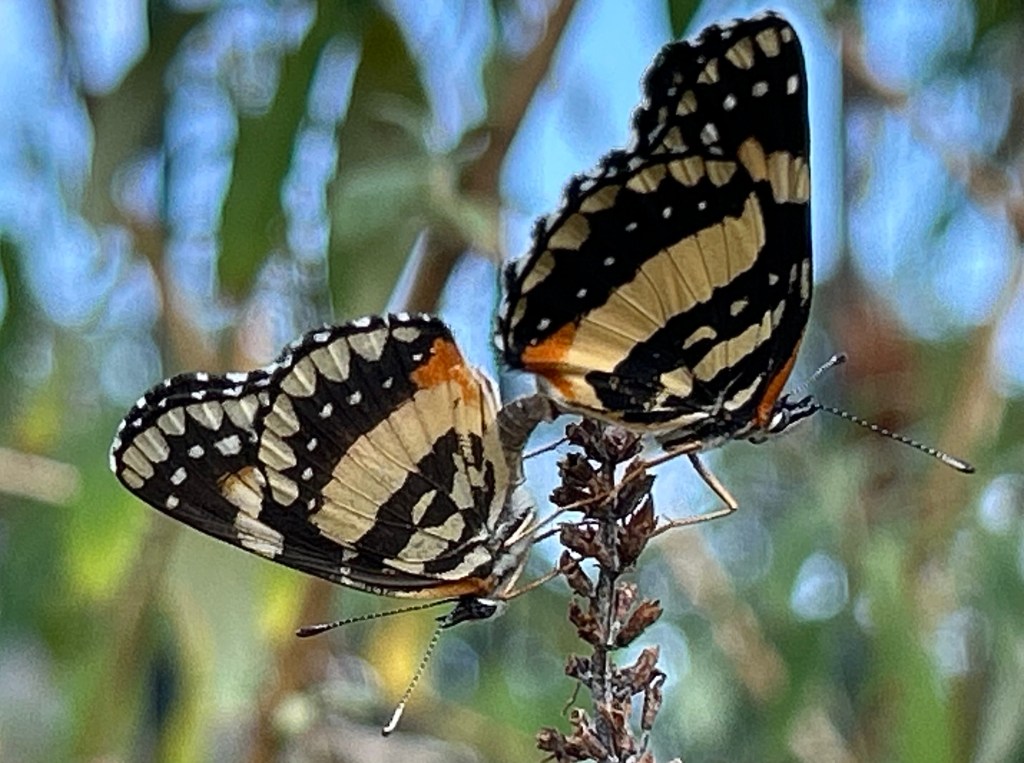
When butterflies feel safe, they are able to reproduce, like these bordered patch butterflies.
3. Designing Your Butterfly Garden
Garden Layout:
• Sunlight: Place flowering areas in full sun, ideally with morning sun and partial afternoon shade in hot climates.
• Wind Protection: Include shrubs or fencing to shelter butterflies from strong winds.
• Layering Plants: Arrange tall plants at the back, medium in the middle, and short in the front to create visual appeal and multiple feeding heights.
Year-Round Considerations:
To keep butterflies returning all year, plant for continuous bloom and shelter:
• Spring: Early nectar sources like violet, native primrose, and early salvia.
• Summer: Coneflowers, lantana, milkweed, gaura.
• Fall: Goldenrod, asters, Maximilian sunflower, frostweed.
• Winter: Evergreen shrubs or native grasses provide shelter for adult butterflies and overwintering eggs or pupae.

Monarch butterfly feeding on marigold nectar.
4. Feeding Butterflies
Nectar Feeding:
• Plant a variety of nectar plants with staggered bloom times to provide food from early spring through fall.
• Provide flowers with different shapes and colors; long-tongued butterflies like hummingbird or skippers need tubular flowers.
Supplemental Feeding:
• Butterfly Feeders:
Use a solution of sugar water (4 parts water:1 part sugar). Avoid honey, which can harbor harmful fungi, and make sure to clean feeders regularly.
• Fruit Feeding:
Overripe bananas, oranges, and melon pieces attract fruit-loving butterfly species.
• Mud Puddling:
Butterflies get minerals from damp soil, sand, or even compost piles. You can make a butterfly puddler with a shallow dish filled with sand and a little water placed in sunny spots.

An early stage monarch caterpillar hiding under a leaf of its host plant, butterfly weed or orange milkweed (Asclepias tuberosa) for protection from heat and predators.
5. Protecting Butterflies
Avoiding Chemicals:
• Do not use pesticides or herbicides near nectar and host plants.
• Even ‘natural’ pesticides and herbicides are not safe for caterpillars
• If necessary, use physical barriers or targeted pest controls carefully and away from bloom times.
For caterpillar-safe strategies for pest control for your garden visit this guide.
Natural Predators:
• Encourage beneficial insects such as ladybugs and lacewings to reduce pests naturally.
• Birds, spiders, and wasps are all part of the ecosystem.
Shelter and Habitat:
• Native grasses and shrubs provide overwintering habitat.
• Rocks or logs in sunny spots allow butterflies to bask safely.
• Leave some leaf litter or undisturbed corners for pupae and eggs.

Smaller butterflies are beautiful too, like this Pearl crescent butterfly basking on a sage leaf.
6. Seasonal Maintenance
• Spring
Clean dead plant material in late spring after pollinators have the chance to emerge from hibernation.
• Summer
Water during heatwaves, deadhead flowers to prolong blooms.
• Fall
Plant late-season nectar sources, apply light mulch to garden beds for winter protection.
• Winter
Leave some seed heads, stems, and grasses standing for shelter, with minimal disturbance throughout the winter.
Learn more on how to protect butterflies and other pollinators over the winter and provide useful habitat.
7. Tips for Attracting More Species
• Plant Native Plants
They attract the most butterflies and support local caterpillars.
• Diversity is Key
Mix heights, colors, bloom times, and plant types.
• Avoid Hybrids with Low Nectar
Some ornamental cultivars produce little to no nectar.
• Create Multiple Microhabitats
Wet spots, dry patches, sunny stones, shaded nooks — different species prefer different conditions.
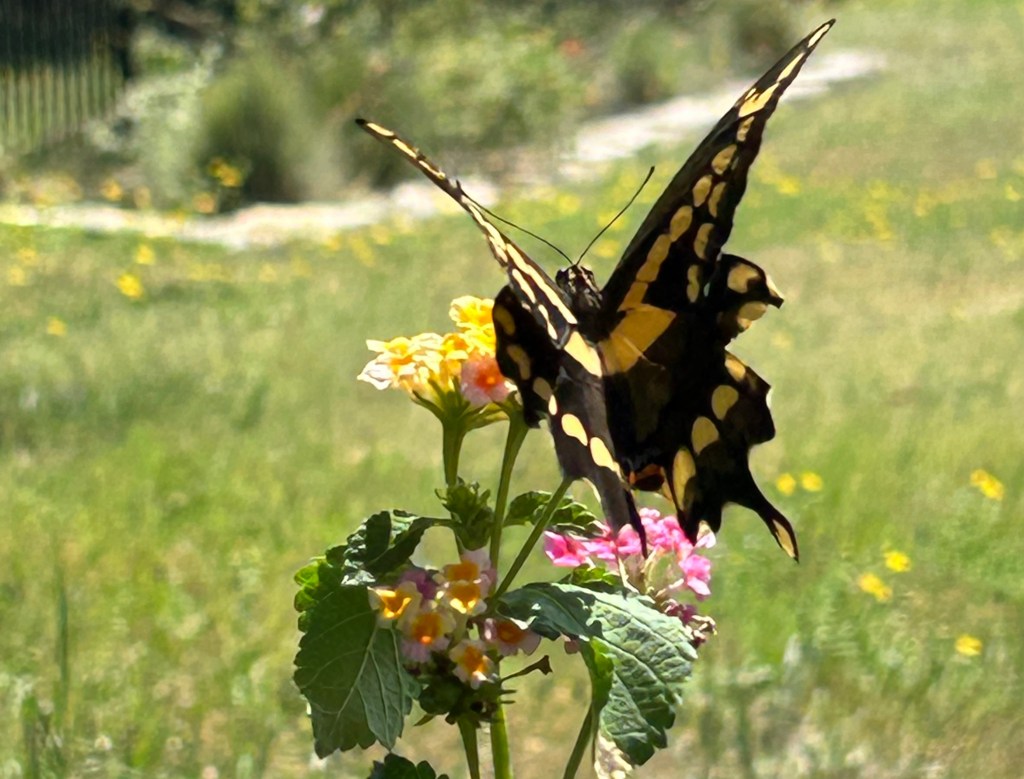
Giant swallowtail butterfly landing to feed on lantana flowers.
8. Common Mistakes to Avoid
• Planting Single Flowers in Isolation
Butterflies prefer clusters to feed on nectar efficiently.
• Ignoring Host Plants
Adult nectar sources alone will not sustain populations.
See Texas Native Milkweed: The Best Species for Monarchs or The Best Host Plants for Caterpillars in Zone 8.
• Using Chemicals
Kills caterpillars and adult butterflies.
• Ignoring Water and Minerals
Butterflies need salt and minerals to thrive. A puddling station can provide butterflies with the essential minerals they need reproduce. Learn how to make your own simple puddling station.
Final Thoughts
Butterfly gardening is a rewarding way to connect with nature and support biodiversity. By carefully planning plant selection, garden layout, feeding options, and habitat protection, you can enjoy a vibrant, fluttering garden all year long. With patience and attention, your butterfly garden can become a thriving ecosystem — a sanctuary not only for butterflies but also for bees, hummingbirds, and other beneficial wildlife.
Every flower planted and every host included helps sustain these delicate pollinators, creating a space that is as beautiful as it is ecologically important. Start small, expand gradually, and soon your garden will be buzzing — and fluttering — with new life.
If you are new to butterfly gardening, the Butterfly Garden Cheat Sheet outlines the basic conditions butterflies look for when choosing a garden.
Related Guides:
Top 12 U.S. Butterflies to Plant For (And Their Favorite Host & Nectar Plants)
Common Mistakes that Scare Butterflies Away: How to Keep Your Garden Butterfly-Friendly
The Ultimate Texas Zone 8 Garden Guide: What to Plant and When
Photo credit: cover black swallowtail butterfly by Thomas Elliot
 Butterfly garden paradise
Leave a comment