

If you garden in Texas Zone 8, you already know this is not an average backyard climate. Between scorching summers, unpredictable freezes, and heavy clay soil, success depends less on effort and more on timing and placement.
When gardeners learn to work with these conditions instead of fighting them, Zone 8 becomes one of the most rewarding places to grow. Plants establish more reliably. Water becomes easier to manage. Seasonal patterns begin to make sense.
This guide focuses on how timing, climate, and seasonal rhythms shape what thrives here. Rather than listing every possible plant, it explains when and why certain choices work — so you can adapt as conditions change.
Whether you are building a pollinator garden, planting natives, or growing food, understanding this seasonal framework makes every other decision simpler.
Texas Zone 8 Climate Overview
Texas Zone 8 stretches across Central and North-Central Texas, including areas like Waco, College Station, Tyler, and Dallas–Fort Worth. The USDA defines this zone by its average annual minimum temperature (10°F–20°F), but the real defining feature? The heat.
Key Climate Traits:
• Last frost: Around mid-March
• First frost: Around mid-November
• Growing season: Roughly 260 days
• Summer highs: Average of 96°F, with highs up to 113°F
• Soil type: Predominantly clay and limestone-based (alkaline)
This long growing season means many plants can grow here — but only when timing, soil, and exposure are aligned.
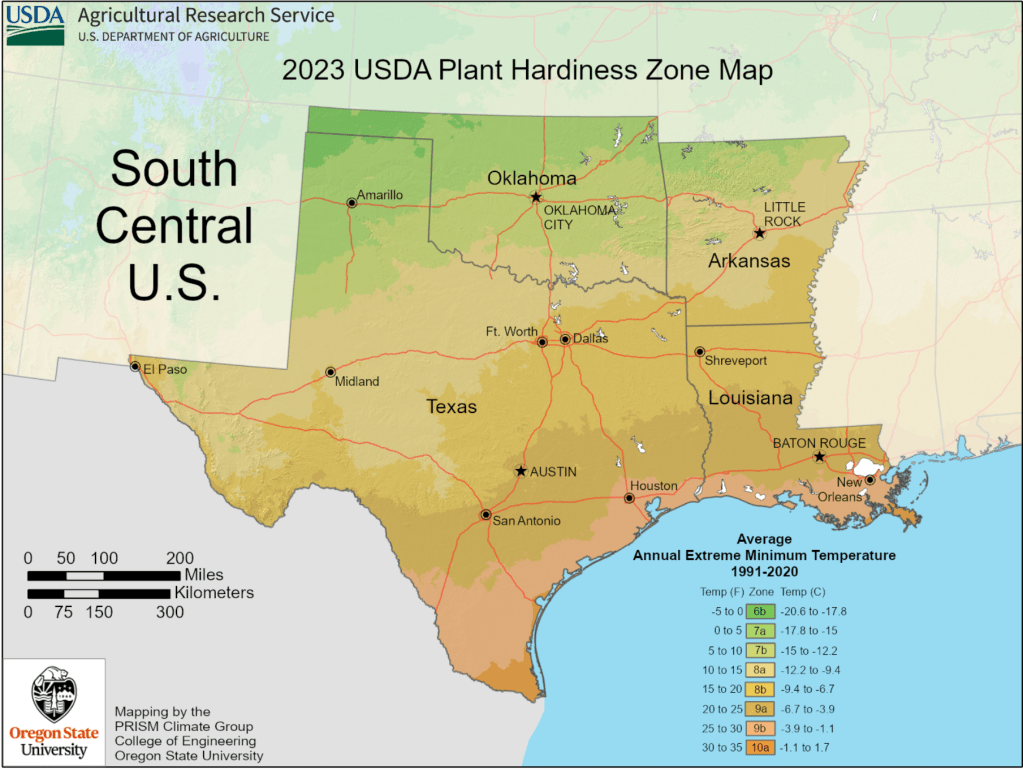
USDA’s Planting Zone Map showing Texas in South Central Region
Texas Zone 8 Planting Calendar
Here is a general breakdown of when to plant vegetables, flowers, and perennials so you can stay prepared one step ahead of the seasons.
January–February: Prep and Early Planting
Winter is your setup season.
• Tasks
Test soil pH (aim for 6.5–7.0), add compost, plan garden beds, prune dormant trees.
• Plant
Onions, garlic, spinach, carrots, kale, cabbage, lettuce, and broccoli.
• Transplant
Cool-season herbs like parsley, cilantro, and dill.
• Flowers
Plant native annuals like blanket flower, poppies, and bluebonnets directly in the ground — they love the cool start.
Extra Tip: Start tomatoes, peppers, and eggplants indoors by late January to be ready for transplanting in March.
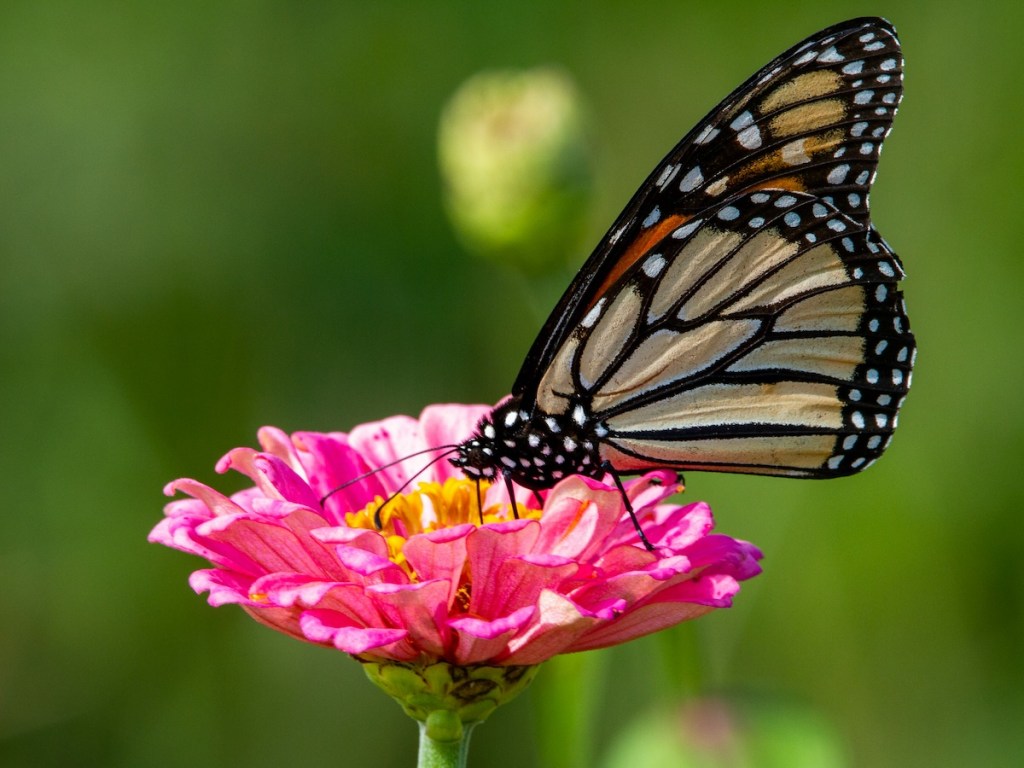
Monarch sipping nectar from a bright pink Zinnia in springtime.
March–April: Prime Planting Time
This is go-time for your spring and summer garden.
• Plant
Tomatoes, peppers, corn, beans, squash, cucumbers, melons, and basil.
• Flowers
Zinnias, cosmos, marigolds, salvia, lantana, and native milkweed.
• Perennials
Autumn sage (Salvia greggii), coneflower, black-eyed Susan and more. Time to get everything in the ground and growing before the summer heat.
Water wisely: Mornings are best — deep, infrequent watering helps plants handle the heat later.
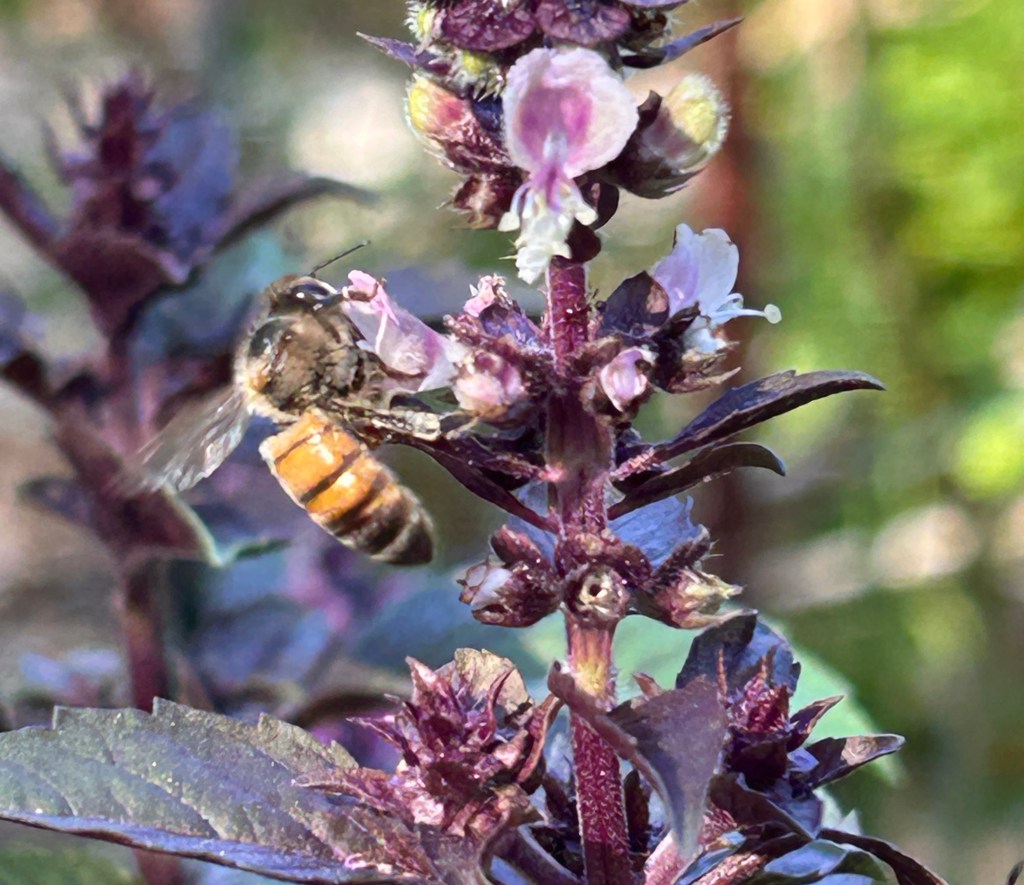
Purple basil serving 3 purposes in the garden: ornamental, edible herb, and pollinator favorite for bees.
May–June: Heat Management & Summer Crops
By June, the Texas sun is getting fierce. Mulch thickly (3–4 inches) to cool the soil and conserve moisture.
• Plant
Sweet potatoes, okra, southern peas, and heat-tolerant greens like Malabar spinach.
• Cut Back
Spring perennials after blooms fade to encourage summer reblooming.
• Start Seeds
Seed warm-season annuals for continuous color — portulaca, gomphrena, and celosia shine now.
Butterfly Bonus: Pipevine, butterfly milkweed, and passionvine are host plants for Texas-native butterflies — and they also thrive in the heat.
July–August: Survival Mode & Fall Planning
These are your “hold steady” months. Growth slows, and your main goal is to keep plants alive.
• Tasks
Shade any young transplants, keep soil moist, and harvest frequently.
• Plant (Late August)
Start fall crops — broccoli, cabbage, carrots, beets, kale, and lettuce indoors or in shade.
• Perennials to Divide:
Bearded iris and daylilies.
Extra Tip: Plant fall-blooming natives like Gregg’s mistflower (Conoclinium greggii) and Maximilian sunflower (Helianthus maximiliani) to feed migrating butterflies.
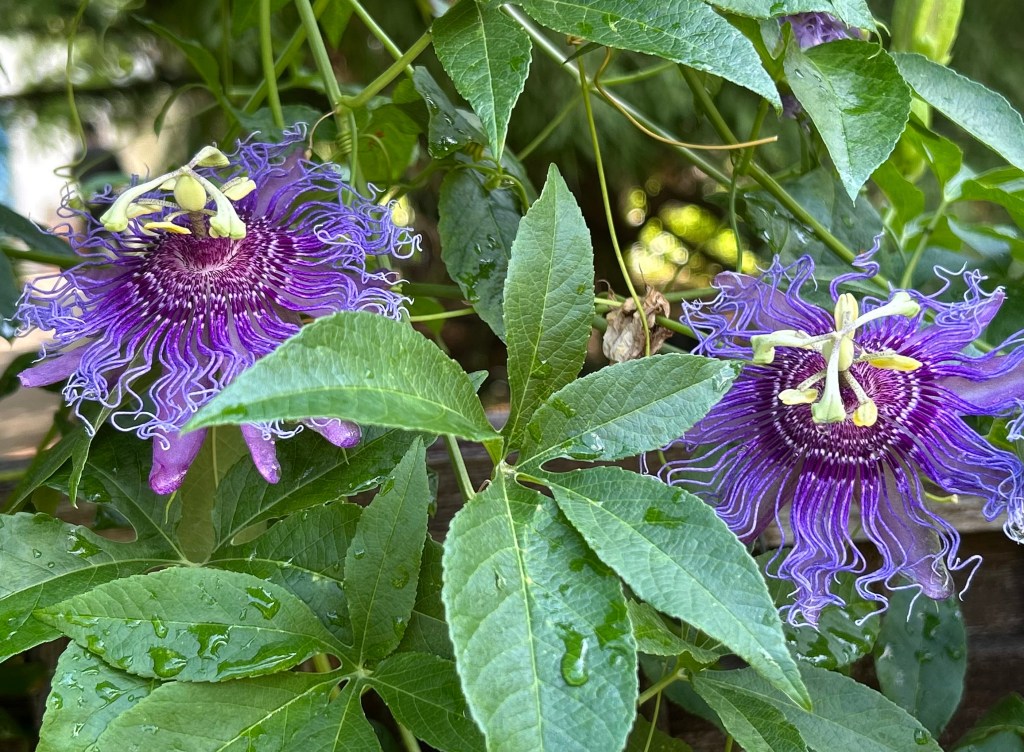
Passionvine or maypop blooming, a tropical looking native vine hardy in Zone 8 and also a host plant for Gulf fritillary butterflies. Produces edible passion fruits.
September–October: Fall’s Second Spring
This is the best-kept secret of Zone 8 gardening — the second growing season.
• Plant
Tomatoes (early September), peas, leafy greens, carrots, radishes, and herbs like dill and cilantro.
• Flowers
Marigolds, asters, salvias, and mistflower for late-season color.
• Perennials
Fall is the ideal time to plant natives like Texas sage, flame acanthus, and rock rose — roots establish before winter.
Extra Tip: Plant native wildflower seeds in October–November — the cool, moist winter will help them germinate naturally.
November–December: Wind Down & Reflect
• Tasks
Add compost, mulch beds heavily, plant cover crops, and water evergreens during dry spells.
• Plant
Garlic, shallots, and spinach for early spring harvest.
• Plan
Review what thrived and what did not — success in Zone 8 is all about learning and adjusting.
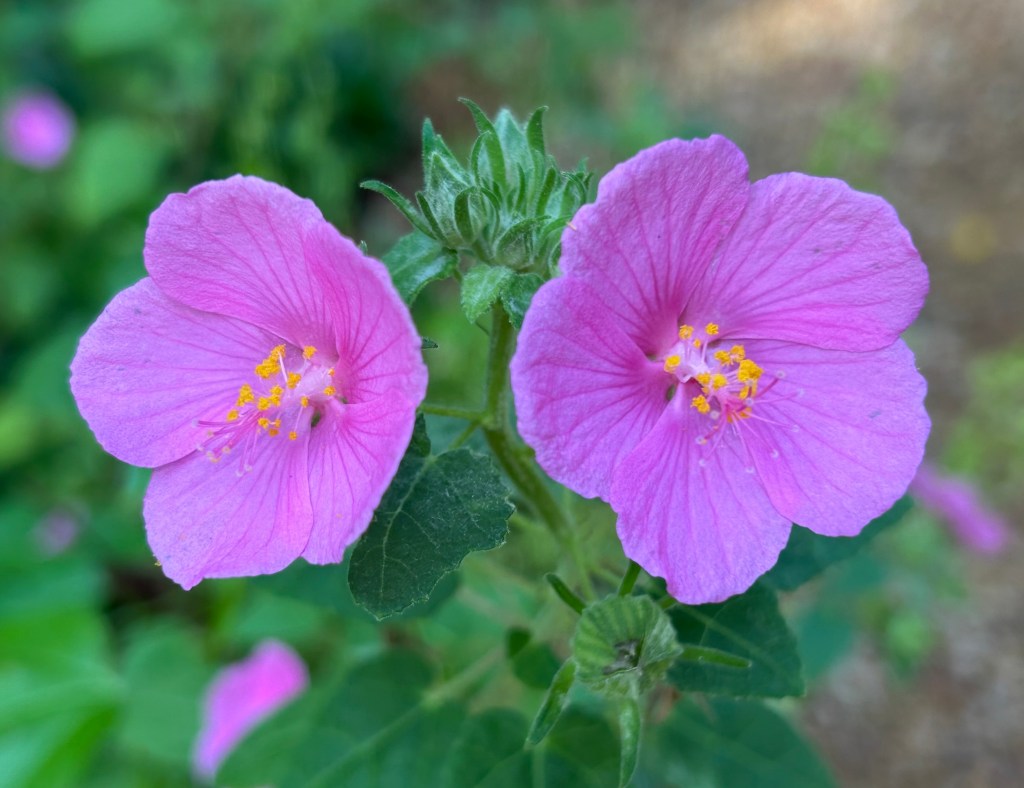
Native Texas pink rock rose (Pavonia lasiopetala) blooming in a Texas garden. (I love them for their low-maintenance, no thorns, and lack of pests compared to traditional roses.)
Best Native and Low-Maintenance Plants for Zone 8 Texas
If you are tired of high-maintenance annuals that wilt by June, these Texas-tough perennials and natives will change your gardening life.
Perennials & Shrubs
• Autumn Sage (Salvia greggii) – Blooms nearly year-round, beloved by hummingbirds, very tough and drought-tolerant
• Turk’s Cap (Malvaviscus arboreus var. drummondii) – Handles heat, drought, and shade. Pollinator favorite.
• Rock Rose (Pavonia lasiopetala) – Pink blooms all summer; deer-resistant. Loves coarse, dry soil.
• Gregg’s Mistflower (Conoclinium greggii) – Attracts clouds of queen and monarch butterflies, spreading.
• Blackfoot Daisy (Melampodium leucanthum) – White blooms, thrives in rocky clay, attracts bees and butterflies.
Grasses & Groundcovers
• Little Bluestem (Schizachyrium scoparium) – Native grass with stunning fall color.
• Gulf Muhly (Muhlenbergia capillaris) – Pink, cloudlike plumes in autumn.
• Horseherb (Calyptocarpus vialis) – Shade-tolerant native groundcover with small yellow flowers.
Trees & Shrubs
• Cenizo / Texas Sage (Leucophyllum frutescens) – Purple blooms that forecast rain. Very heat and drought tolerant.
• Yaupon Holly (Ilex vomitoria) – Evergreen, drought-tolerant, bird favorite.
• Desert Willow (Chilopsis linearis) – Graceful summer bloomer for pollinators.
These native plants perform reliably well in Zone 8 when matched to appropriate sun, soil, and spacing.

Amending heavy clay soil to improve aeration and drainage is important in Texas
Soil & Watering Tips for Success in Zone 8
Amend Clay Soil
Mix 2–3 inches of compost into the top 8–10 inches of soil. Raised beds also help with drainage and root development.
Mulch Is Your Best Friend
Use shredded leaves, bark, or straw. Keep it a few inches from stems to prevent rot.
Water Deeply, Not Daily
One inch per week (total, including rain) encourages deep roots. Use soaker hoses or drip irrigation to reduce evaporation.
Fertilize Lightly
Native plants often prefer lean soil — too much fertilizer can weaken them. For vegetables, use slow-release organic fertilizer in spring and again mid-season.
Fun Seasonal Garden Themes to Try
If you enjoy experimenting within Texas’s seasonal rhythms, consider designing around Texas’s natural cycles:
• Pollinator Paradise
Plant milkweed, mistflower, and coneflowers to attract monarchs, queens, and swallowtails. See the full details on how to garden for butterflies and other pollinators.
• Drought-Defiant Garden
Use agastache, salvia, yucca, and native grasses for beauty with minimal watering.
• Cottage Garden Twist
Blend native perennials with heirloom zinnias, cosmos, and larkspur for a Texas-style cottage look.
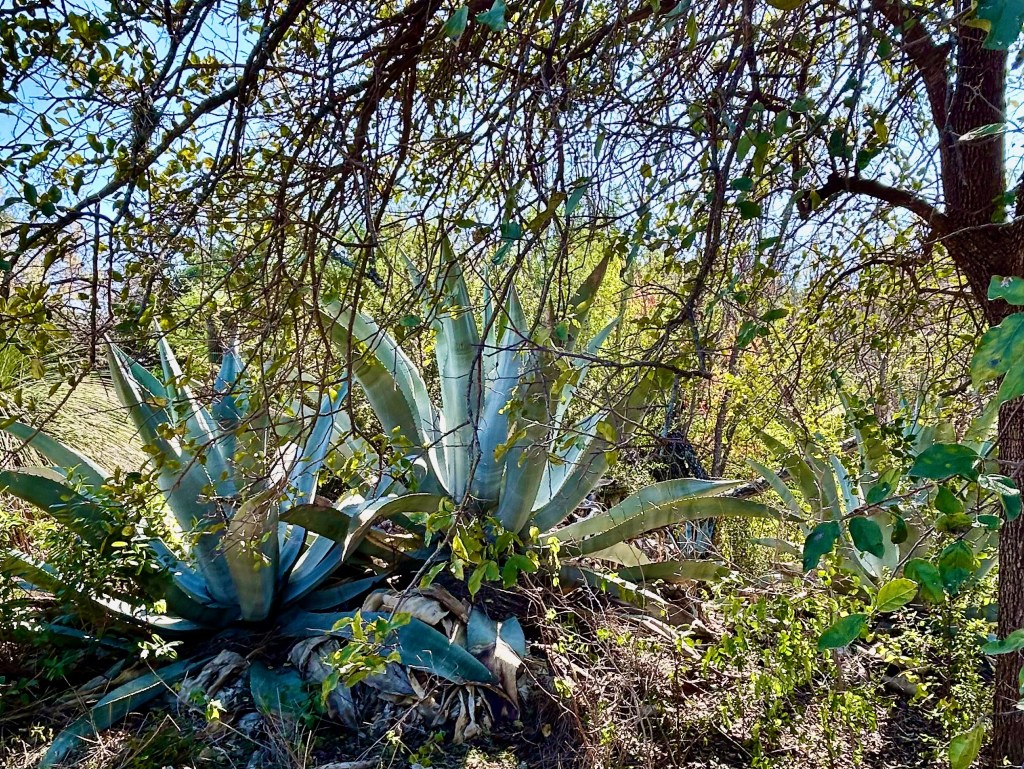
Agaves (century plant) giving structure and beauty even in winter in Texas.
Final Thoughts
Gardening in Zone 8 isn’t just about fighting the elements — it is about embracing the rhythm of Texas itself. Once you sync your planting schedule with the seasons, your garden will reward you with color, wildlife, and fresh harvests almost year-round.
Whether you are nurturing your first tomato or transforming your yard into a native sanctuary, remember — every plant teaches you something about the landscape that is your home.
This guide provides the seasonal context that supports butterfly gardening, native planting, and food production in Texas landscapes. The Butterfly Garden Cheat Sheet brings these some of these ideas together in a simple, printable reference.
Related Guides:
How to Start a Garden from Scratch
Drought-Tolerant Pollinator Plants for Texas Heat: A Complete Guide for Gardeners
Photo credits: cover – Dylan Shaw, monarch on zinnia – Joshua J. Cotten
 Butterfly garden paradise
Leave a comment