

Butterflies are one of the most delightful signs of spring in Texas. Their graceful movements, vibrant colors, and important role as pollinators make them favorites in gardens everywhere. If you live in Texas Zone 8, understanding when butterflies return and how to prepare your garden can ensure you not only enjoy their beauty but also provide them with the habitat they need to thrive.
In this guide, we will explore the typical arrival times for different species, what plants to have ready, and practical tips for creating a butterfly-friendly garden that keeps them coming back year after year.
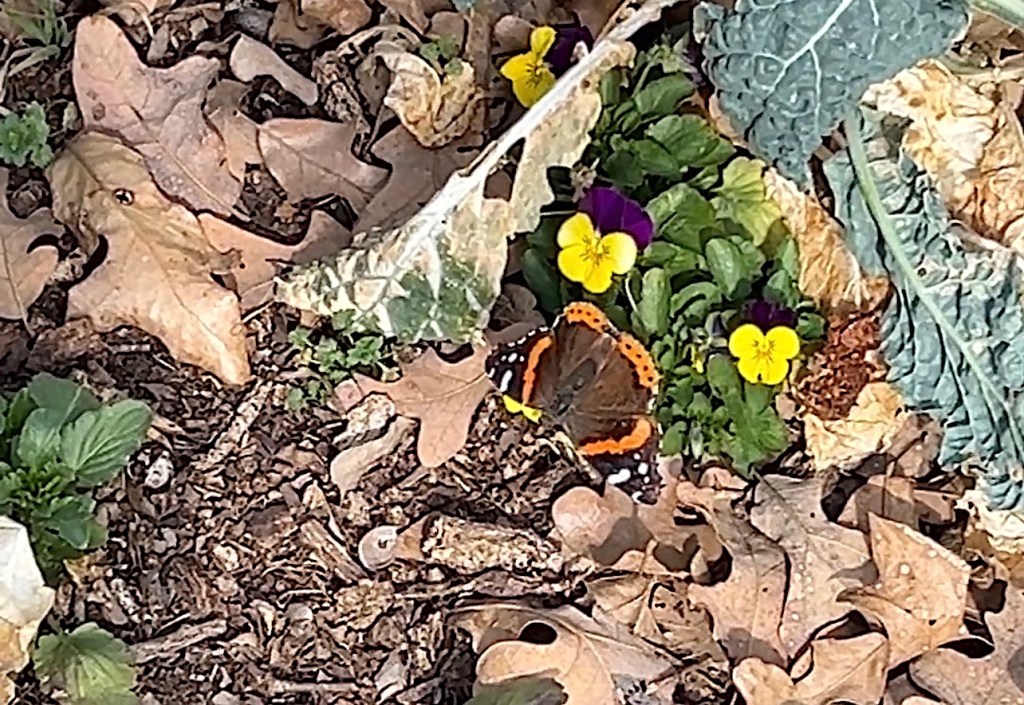
This red admiral appeared in early February during a warm spell.
Why Timing Matters for Butterfly Gardening
Butterflies do not appear randomly— they follow specific life cycles and migration patterns. Knowing when butterflies are likely to appear in your area helps you plan your garden so host plants are ready, nectar sources are abundant, and protective measures are in place.
Planting too late or providing the wrong resources at the wrong time can mean missed opportunities for both you and the butterflies. For example, monarchs migrate through Texas during specific windows in spring and fall, and early blooms are crucial for newly arrived butterflies seeking nectar. Similarly, native Texas species like swallowtails and sulphurs have peak activity periods you can align with garden preparation.
Mourning cloak butterfly perching on the bark of a tree.
Butterfly Arrival Timeline in Texas Zone 8:
The first butterfly sightings in Texas can be as early as late January to February. The Red admiral butterfly (above) overwinters as an adult, hiding in sheltered areas, structures, or dense vegetation— so they may appear during a warm spell.
Early Early Spring (February-March):
• Question Mark, Comma and Red Admiral Butterflies
Start emerging from sheltered areas as the weather warms and nectar sources become available.
Early Spring (March–April):
• Monarchs Begin Spring Migration
Begin arriving from Mexico and southern Texas.
• Gulf Fritillaries
Appear once passionflower vines start growing.
• Painted Lady Butterflies
Start arriving in March and peak in April.
• Other Species: Black Swallowtails, Orange and Clouded Sulphurs
Emerge from overwintering pupae as adult butterflies ready to feed on nectar sources and reproduce.
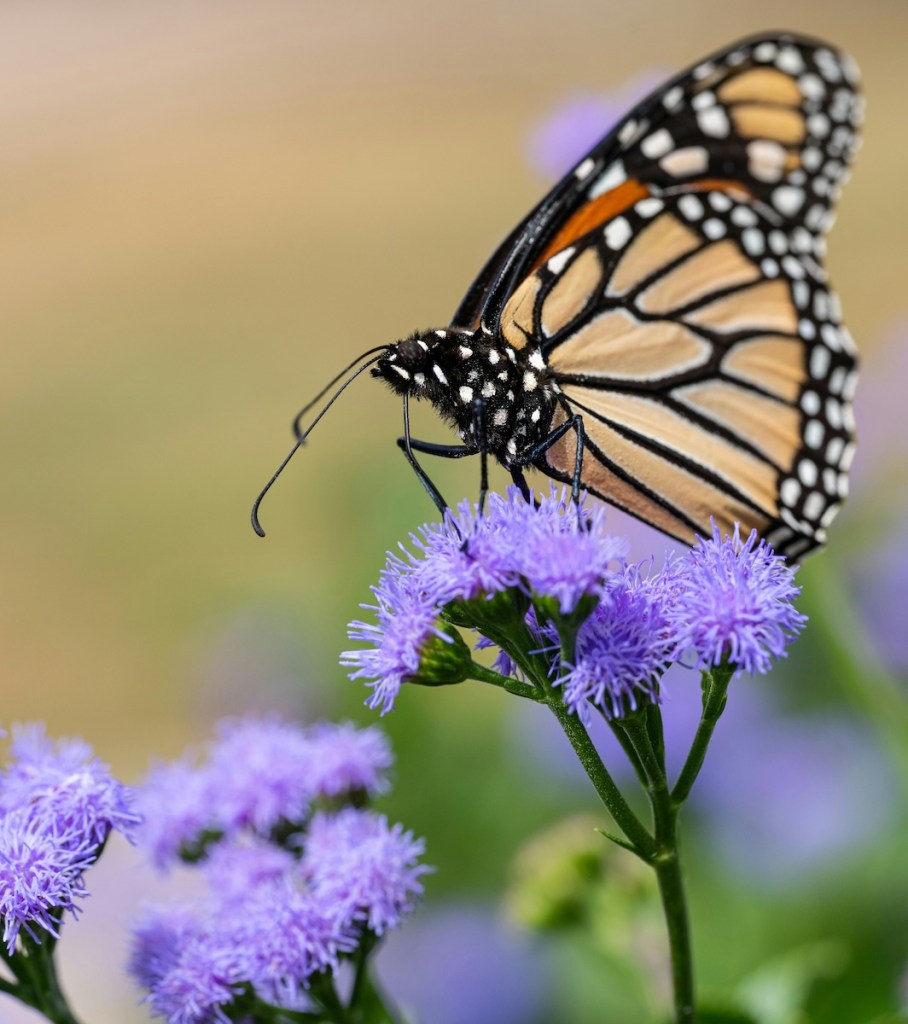
Monarch butterfly sipping nectar from blue mistflower, a spring bloomer in Texas gardens.
Late Spring to Early Summer (May–June):
Garden activity peaks as temperatures rise.
• Queen Butterflies, Checkered Whites, and Fiery Skippers
All increase in sightings as food becomes more abundant
Many local species produce their first generation of the year.
Summer (July–August):
• Butterflies remain active, though extreme heat may reduce activity during the hottest parts of the day.
• Providing sheltered areas and moist spots to puddle helps them through the heat.
• Continuous blooming nectar plants are essential to support them.
Late Summer to Fall (September–October):
• Monarchs Begin Fall Migration
Monarchs and other migratory species return from northern areas on their southbound journey.
This is also the time for a second generation of some species.
Understanding these patterns helps you schedule planting, maintenance, and garden prep so your garden is ready to welcome butterflies as soon as they arrive.
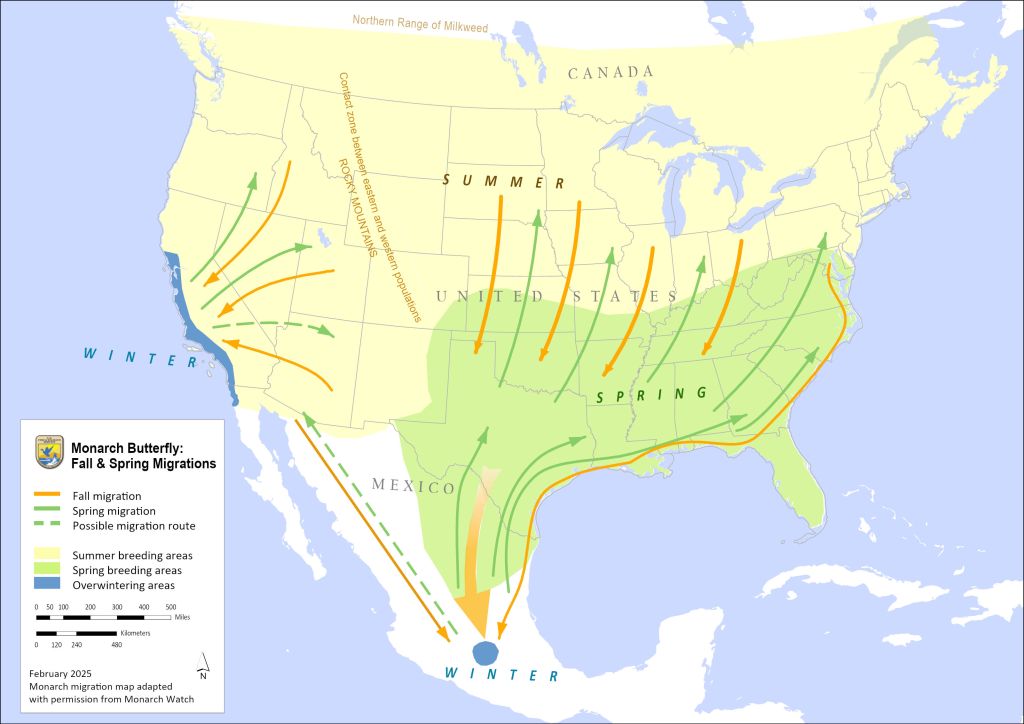
Map showing Monarch butterfly migratory patterns in spring and fall.
(Courtesy of U.S. Fish & Wildlife Service)
Preparing Your Garden Before Butterflies Arrive
Plant or Nurture Host Plants
Host plants are crucial for butterfly reproduction—they provide food for caterpillars after eggs are laid. Common host plants in Texas Zone 8 include:
• Milkweed (Asclepias species) for monarchs (see Best Texas Native Milkweeds for Monarchs)
• Parsley, dill, and fennel for swallowtails
• Passionvine for gulf fritillaries
Check your garden in late winter or early spring and ensure your host plants are healthy, pruned if needed, and free from pests. If you do not have enough, consider starting extra seedlings indoors so they are ready by the time butterflies arrive.
A detailed list of the Best Host Plants for Caterpillars in Zone 8 can be found here.
Plant Nectar Sources
Adult butterflies need nectar to fuel their energy for flying, mating, and egg-laying. Early-blooming flowers help newly arrived species. Consider planting:
• Blue mistflower (Conoclinium coelestinum)
• Lantana
• Prairie verbena
• Coral honeysuckle vine
For more options see: Top Nectar Plants for Butterflies by Season in Texas Zone 8.
Aim for a mix of bloom times so your garden offers food from early spring through fall. Grouping plants by species helps butterflies locate them more easily.

Painted lady butterfly feeding from lantana, a butterfly nectar favorite.
Remove Weeds and Debris
A tidy garden isn’t just aesthetically pleasing—it helps butterflies find their food and lays eggs on the right plants. Remove invasive weeds, fallen leaves, and debris that could harbor pests or disease. If you’re concerned about overwintering insects, leave some protected areas in the garden for beneficial insects while keeping the main butterfly areas clear.
Mulching Tips for Overwintering Plants
Mulch helps regulate soil temperature and retain moisture for host and nectar plants. Apply a thin layer of organic mulch around the base of your plants in late winter, but leave stems and leaves of overwintering perennials exposed if they serve as caterpillar habitat. This balance protects plants while maintaining butterfly habitat.
Winter and Early Spring Care Tips
Even before butterflies arrive, your garden needs preparation:
• Soil Preparation
Test your soil pH and amend as necessary to support healthy plant growth. (Full guide to testing and adjusting soil pH)
• Starting Seeds Indoors
For plants with long germination times, start seeds indoors 6–8 weeks before your first expected frost-free date.
• Pruning
Trim dead branches from perennials and shrubs, but avoid pruning host plants that may still have dormant eggs or pupae.
By taking these steps in late winter, your garden will be healthy, attractive, and ready to welcome the first butterflies of spring.
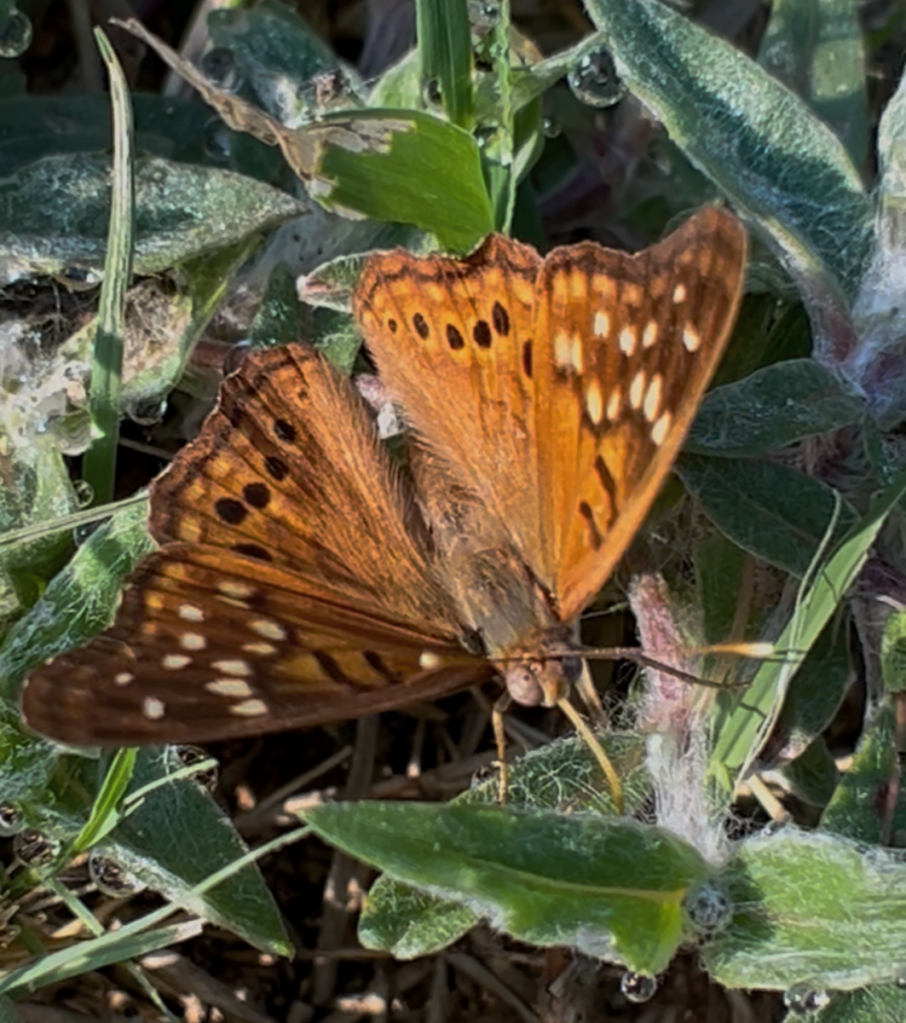
Hackberry emperor drinking from shallow moisture sources, a behavior known as puddling.
Encouraging Butterflies Once They Arrive
Provide Shallow Water Sources
Butterflies need water, but they prefer shallow areas to land safely. A shallow dish with sand and water works well. Add a few flat stones so butterflies can rest while drinking.
Avoid Pesticides
Pesticides are one of the biggest threats to butterflies. Even organic sprays can harm adults or caterpillars if applied incorrectly. Instead, follow Integrated Pest Management (IPM) principles to manage pests safely. (Learn more about IPM for butterfly gardens).
Create Shelter Spots
Butterflies need shelter from wind, rain, and predators. Include dense shrubs, tall grasses, or small brush piles in your garden. These areas provide resting spots and increase the likelihood that butterflies will stay in your yard.
Quick Reference Checklist for Texas Gardeners
• Winter / Early Spring
Prepare soil, check host plants, start seeds indoors.
• March–April
Watch for first butterfly arrivals; ensure nectar sources are blooming.
• May–August
Maintain blooms, water consistently, monitor for pests using IPM.
• September–October
Prepare for late arrivals and migration; plant fall nectar sources.
A helpful list of crucial late season nectar sources for butterflies: Fall Blooming Plants to Fuel Butterflies at the End of the Season.
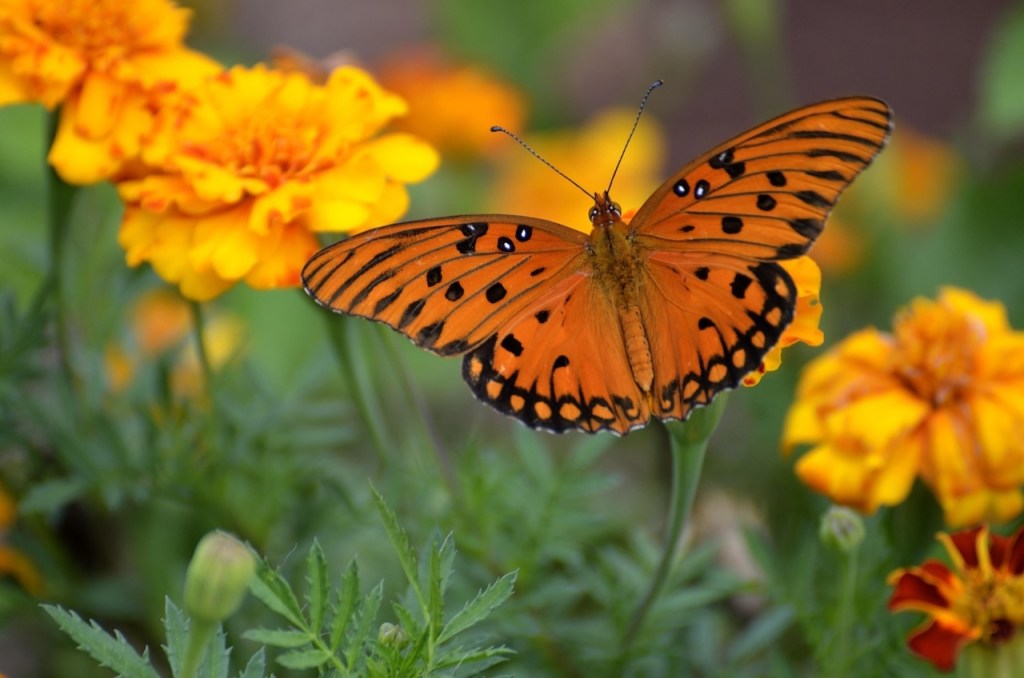
Gulf fritillary butterflies are pretty sights throughout the seasons in Texas.
Conclusion
Butterflies are more than just beautiful visitors—they are essential pollinators and indicators of a healthy garden ecosystem. By knowing when butterflies return to Texas and how to prepare your garden ahead of time, you can enjoy a vibrant, butterfly-friendly yard all season long. Planning host and nectar plants, maintaining soil health, and providing shelter and water will make your garden irresistible to these delicate creatures.
Whether it is November or March, taking the time to prepare sets you up for success throughout the seasons. Your efforts will pay off with more butterflies, healthier plants, and a garden that brings joy and educational opportunities year after year.
If you are planning or planting this season, the Butterfly Garden Cheat Sheet can help you check that the basic habitat pieces are in place.
Related Guides:
The Complete Guide to Butterfly Gardening: How to Attract, Feed, and Protect Butterflies All Year
Top Nectar Plants for Butterflies by Season in Texas Zone 8
Common Mistakes that Scare Butterflies Away: How to Keep Your Garden Butterfly-Friendly
Photo credits: cover Monarch butterfly in spring – Anita Denunzio, Monarch on blue mistflower – Chris F, painted lady butterfly on pink lantana – Areej Abd Alnasser, gulf fritillary butterfly with marigolds – Paulbr
 Butterfly garden paradise
Leave a comment