
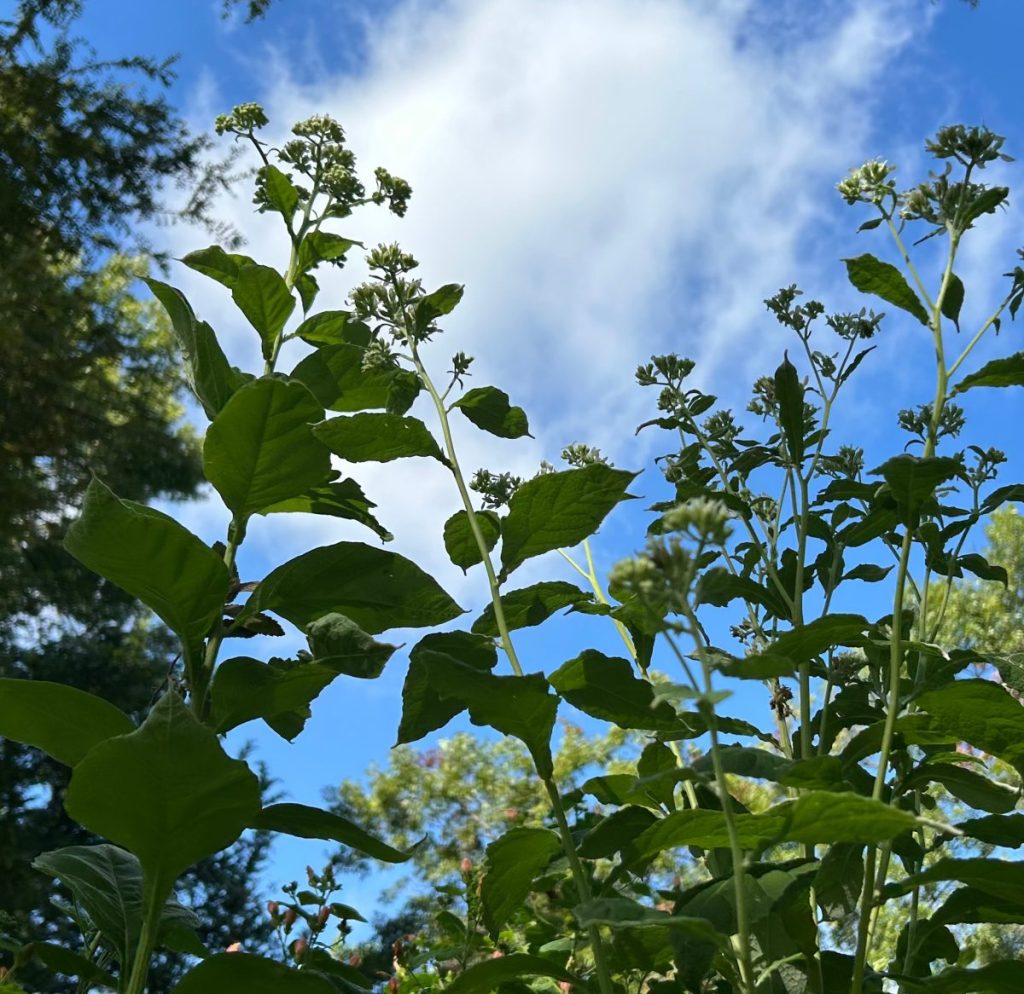
Cover photo: Frostweed, an important late season nectar source for butterflies, thriving in dappled shade.
When it comes to gardening, sun, shade, and soil are the three most important factors that determine plant success. Even the healthiest soil and most carefully selected plants can struggle if they are planted in the wrong location or with incompatible light and soil conditions.
For gardeners in Texas Zone 8, understanding these fundamentals is essential. Our hot summers, variable winters, and clay-heavy soils make site selection and soil management especially critical. In this guide, we will explore how to assess sunlight, choose plants for sun or shade, understand your soil type, and match plants to your garden conditions for maximum growth, blooms, and butterfly-friendly habitats.
Why Sun, Shade, and Soil Matter
Sunlight, shade, and soil are more than just abstract gardening concepts—they directly impact:
• Plant Growth and Flowering
Plants are adapted for specific light and soil conditions. Too much sun or poor soil can stunt growth or reduce blooms.
• Water Needs
Sun-exposed areas dry out faster, while shade retains moisture. Soil type affects drainage and water retention.
• Pollinator Attraction
Nectar and host plants require proper sun and soil conditions to produce flowers and support butterflies and bees. (Check out our guide to host and nectar plants coming soon)
By understanding these three factors, you can avoid common mistakes, reduce plant stress, and create a garden that thrives naturally.
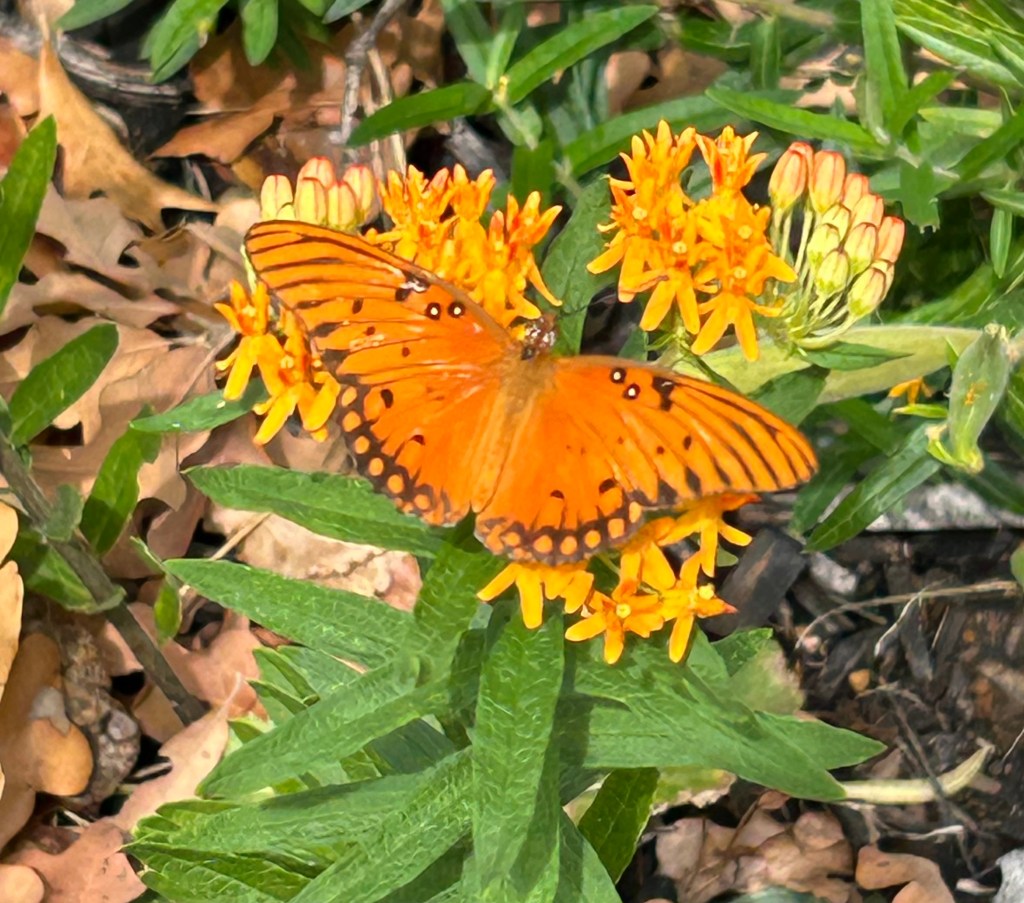
Butterflies (like this Gulf fritillary) benefit from the heat of the sun, and native milkweeds prefer sunny areas too.
Gardening Outside Texas? Here’s What to Know
While this guide focuses on Texas Zone 8, the principles of sun, shade, and soil apply to gardeners everywhere. If you live in a different region:
• Check your USDA hardiness zone to choose plants suited to your climate. Bloom times, drought tolerance, and frost dates may vary.
• Observe your own microclimates: Light levels, soil type, and moisture patterns are unique to every garden.
• Use local native plants when possible: They thrive naturally in your climate and soil and support pollinators in your area.
Even if your location differs, understanding sun exposure, soil texture, and natural soil-building practices will help your plants flourish and keep your garden healthy year-round.
Step 1: Assess Your Sunlight
Sunlight exposure is the first thing to evaluate before planting anything.
Understanding Light Levels
• Full Sun
6+ hours of direct sunlight per day. Ideal for vegetables, many perennials, and heat-loving nectar plants like lantana or Mexican sunflower.
• Partial Sun / Partial Shade
3–6 hours of direct sunlight per day, often morning sun with afternoon shade. Good for plants like blue mistflower and some aromatic asters.
• Full Shade
Less than 3 hours of direct sunlight, with filtered light the rest of the day. Suitable for ferns, hostas, and shade-tolerant wildflowers.
Tips for Texas Zone 8
• Morning sun is gentler; too much afternoon sun can scorch plants during summer.
• Observe your garden over a full day to map sunny and shaded areas.
• Consider microclimates: south- and west-facing walls reflect heat; trees and fences cast shade.
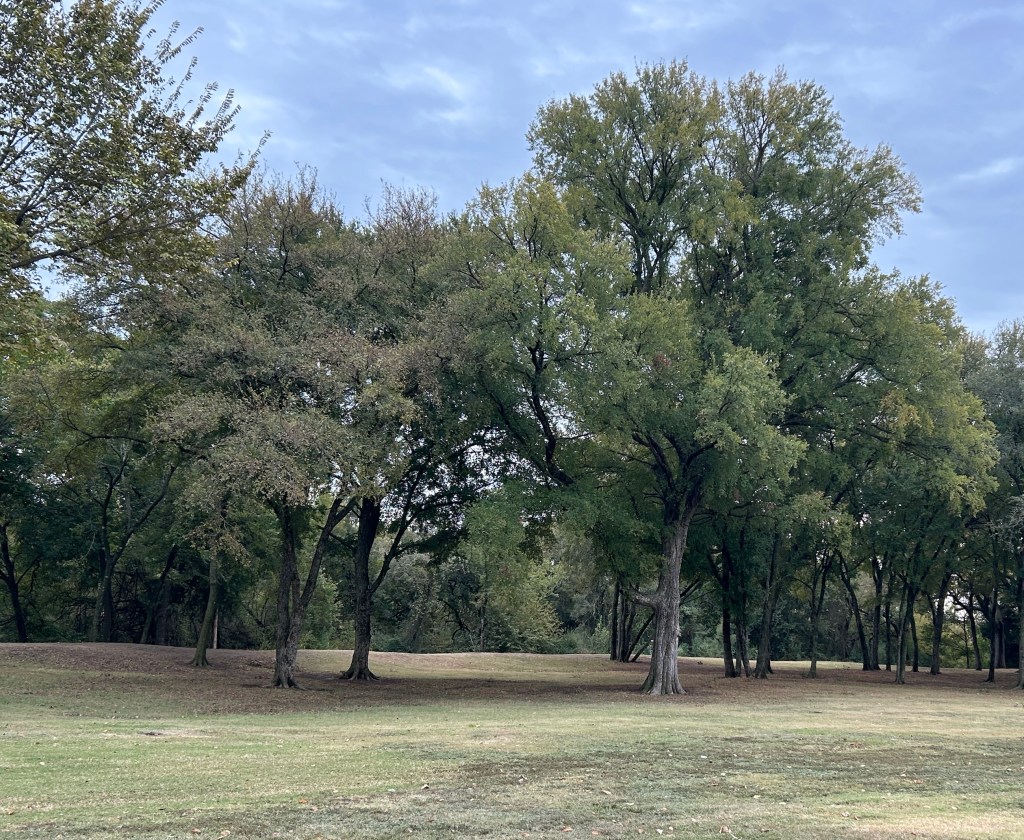
Tip: Consider the differences in sunlight directly under large trees vs. in open areas. Some areas are very shaded, some will have dappled sunlight, and plants situated at the woodland edge will get partial sun exposure.
Step 2: Match Plants to Sunlight
Each plant species has adapted to thrive in certain light conditions. Matching them correctly improves flowering, growth, and survival.
• Full Sun Plants
Lantana, Mexican sunflower, zinnias, coneflowers, milkweed
• Partial Sun/Shade Plants
Blue mistflower, aromatic asters, Turk’s cap
• Shade Plants
Ferns, coral bells, caladiums, woodland wildflowers
Zone 8 Tip: In Texas, even sun-loving plants may need temporary shade during the hottest summer months. Use shade cloth or strategically plant taller companions to reduce sun exposure in the hottest part of the day.
Step 3: Understand Your Soil Type
Soil is the foundation of healthy plants. In Texas Zone 8, soil often contains clay, rocky subsoil, and sandy patches, which affects water retention, nutrient availability, and root growth.
Common Soil Types
• Clay
Dense, holds water well but drains slowly. Can be heavy and compacted. Benefits from organic matter like compost or mulch to improve aeration.
• Sandy
Drains quickly, often nutrient-poor. Retains little water. Benefits from compost and mulch to hold moisture and nutrients.
• Loam
Ideal mixture of sand, silt, and clay. Retains moisture while draining well. Most garden plants thrive here.
• Caliche
Another soil type found in Texas that appears as a hard, pale, cemented layer of calcium carbonate beneath the topsoil. It is common in dry climates and can restrict water infiltration, though there are native plants adapted for this soil type.
Testing Your Soil
• Conduct a texture test by rubbing wet soil between your fingers (gritty = sand, sticky = clay, smooth = silt).
• Test pH: Most plants prefer the middle range. (See our guide to testing and adjusting soil pH)
• Observe drainage with an experiment: Dig a small hole, fill it with water, and see how long it takes to drain.
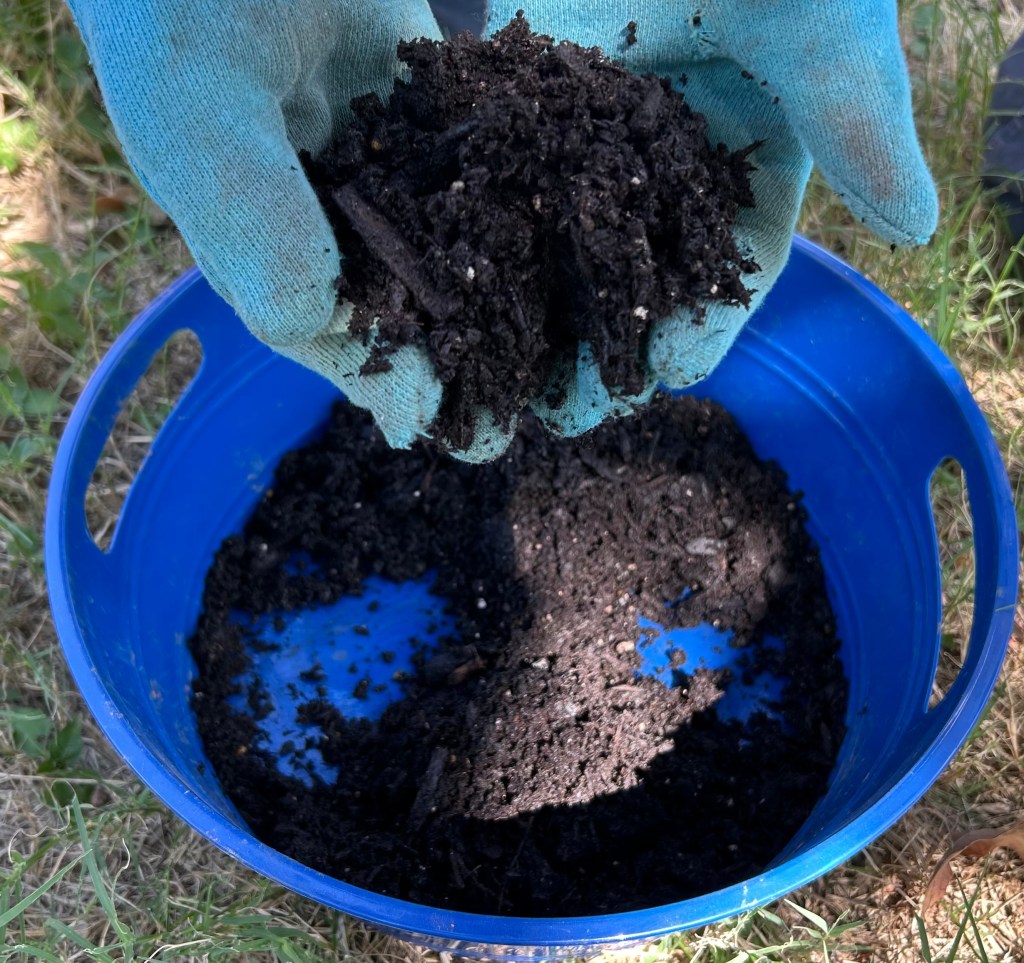
Healthy soil grows healthy plants which create healthy ecosystems.
Step 4: Improve Your Soil Naturally
Once you know your soil type, you can enhance it without chemicals:
• Add Organic Matter
Compost, leaf litter, and aged manure improve structure, fertility, and microbial life. (Learn how to build healthy soil here)
• Mulch
Conserves moisture, regulates temperature, and feeds soil organisms.
• Cover Crops
Clover and winter rye protect bare soil, improve nitrogen, and prevent erosion.
Zone 8 Tip: Clay soils benefit greatly from organic matter to loosen compacted areas and improve drainage. Sandy soils need mulch and compost to retain water and nutrients.
Step 5: Observe Water Patterns
Sun and soil together determine how much and how often to water:
• Full sun + sandy soil → frequent watering required
• Partial shade + clay soil → less frequent, deep watering
• Shade + well-draining loam → occasional watering suffices
Adjust planting locations based on natural moisture patterns in your garden. This reduces stress on plants and conserves water.
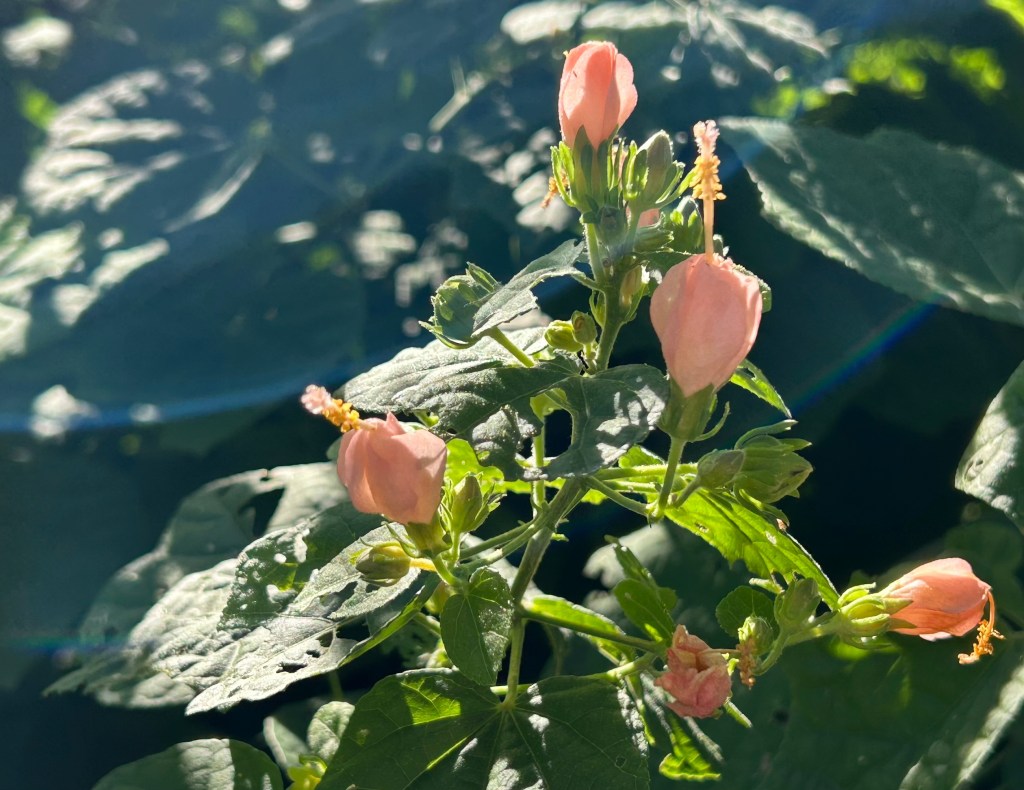
In hot climates like Texas many plants can benefit from afternoon shade like this native Turk’s cap flower.
Step 6: Design Your Garden Around Sun, Shade, and Soil
• Place heat-tolerant, sun-loving plants in the sunniest spots (Autumn sage, Mexican sunflower, lantana, yuccas).
• Reserve partial shade areas for plants that prefer gentle sun (mistflower, aromatic asters).
• Use shaded areas for delicate or woodland species.
• Combine plant diversity and microclimates to support butterflies and other pollinators year-round.
Note: In Texas, “full sun” does not always mean FULL SUN. Most vegetables and even full sun perennials do better with some afternoon shade.
Extra Tip: Group plants by sun and soil preferences. This makes maintenance easier and ensures plants thrive naturally.
Step 7: Common Mistakes to Avoid
1. Ignoring Microclimates
Small shifts in shade or reflected heat can drastically affect plant survival.
2. Planting Without Testing Soil
You may select drought-tolerant plants for sandy soil that still need nutrient-rich loam.
3. Overcrowding
Too many plants in the same area reduces airflow and increases disease risk.
4. Using Chemicals Unnecessarily
Fertilizers or pesticides can disrupt the natural soil ecosystem, reducing long-term garden health.
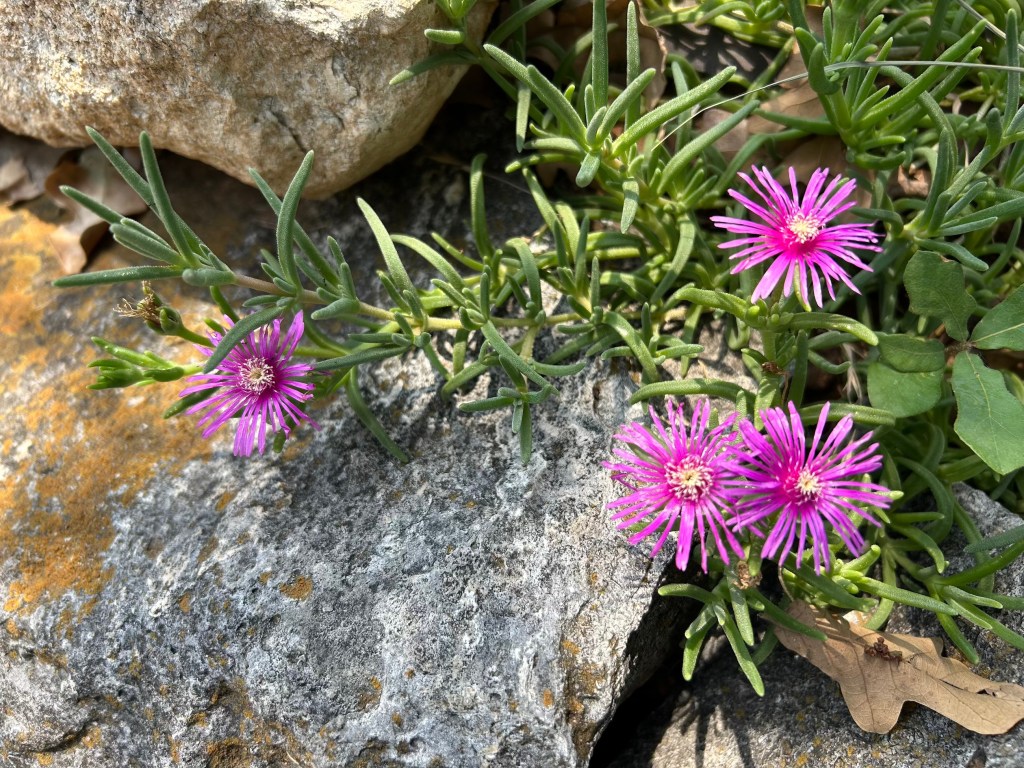
Rocks creating a microclimate for iceplant. Rocks and other structures can provide shelter and reflect heat.
Bonus Tips for Texas Gardeners
• Use raised beds in heavy clay areas to improve drainage.
• Rotate plantings seasonally to prevent soil depletion.
• Observe your garden regularly—light patterns, soil moisture, and plant performance tell you more than a textbook.
• Pair sun/shade knowledge with your other posts: soil pH, healthy soil, drought-tolerant plants, and butterfly gardening.
Conclusion
Understanding sun, shade, and soil is a crucial step toward building a thriving, sustainable garden in Texas Zone 8. By assessing sunlight, matching plants to their preferred light levels, evaluating soil type, improving soil naturally, and designing with microclimates in mind, you can create a garden that flourishes with minimal intervention.
These fundamentals also set the stage for planting host and nectar plants for butterflies, drought-tolerant species, and healthy vegetables, ensuring a productive and pollinator-friendly garden all year long.
If you are new to butterfly gardening, the Butterfly Garden Cheat Sheet outlines the basic conditions butterflies look for when choosing a garden.
Related Guides:
The Ultimate Texas Zone 8 Garden Guide: What to Plant and When
How to Start a Garden from Scratch
Monarch Host Plants vs. Nectar Plants: A Simple Beginner Guide
 Butterfly garden paradise
Leave a comment