
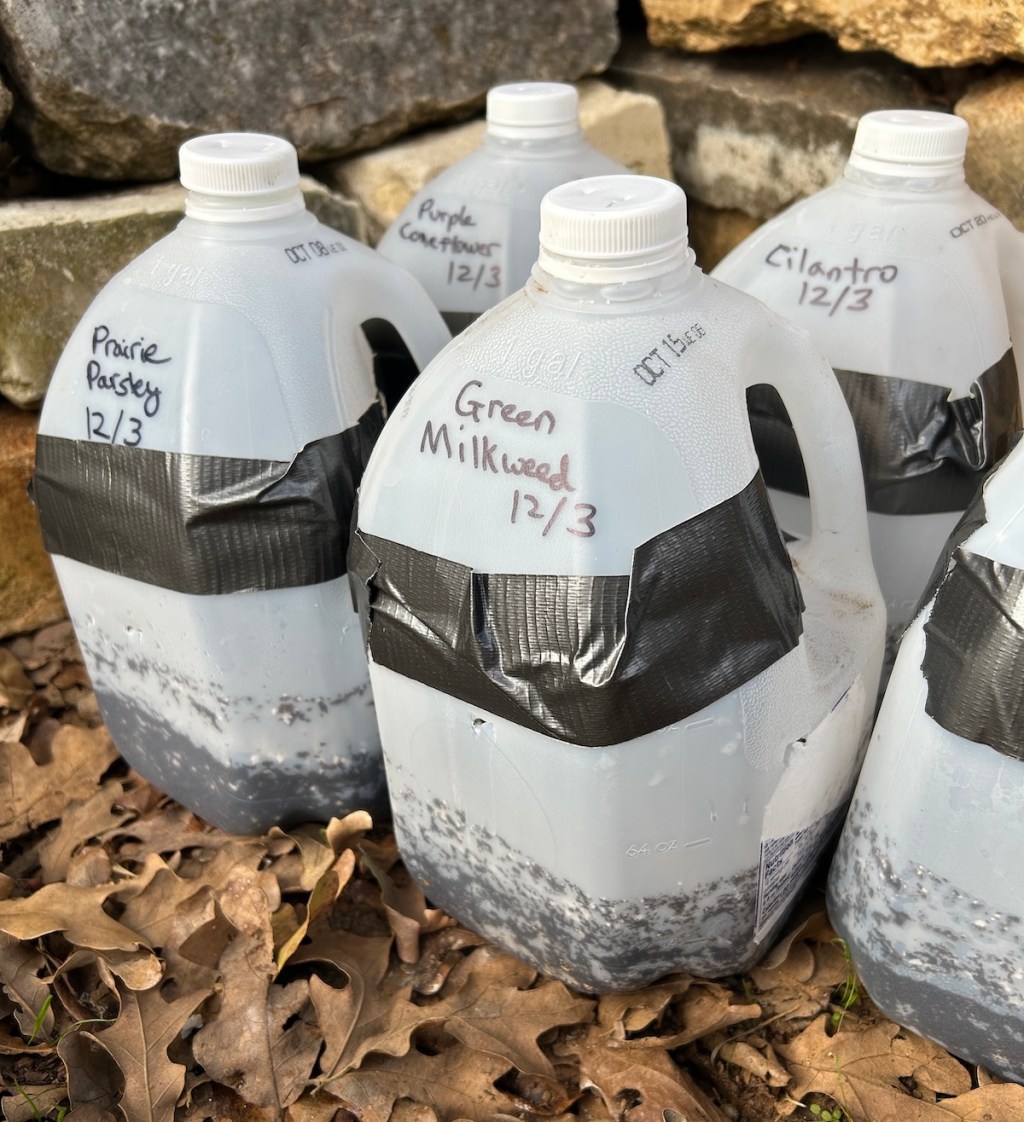
Gardening in Texas Zone 8 comes with its own unique set of challenges. Mild winters with unpredictable cold snaps can make it difficult to plan your spring garden. But with winter sowing, you can start seeds outdoors in mini-greenhouses while protecting them from frost and giving them a head start on the growing season. This method works great for many native seeds that require a cold period to break their dormancy and germinate.
In this guide, we will cover everything you need to know about winter sowing in Zone 8, including the best containers, seeds, soil mix, planting timing, and care tips. By the end, you will be ready to grow a robust garden from hardy and half-hardy seeds, saving time and money while increasing your garden’s success rate.
Quick Start: Winter Sowing in Texas Zone 8
- Best containers: milk jugs, clamshells
- Best seeds: natives, hardy greens
- Best timing: Dec–Feb
- Best placement: sunny, sheltered
1. What is Winter Sowing?
Winter sowing is a method of planting seeds in mini-greenhouses outdoors during winter. Instead of starting seeds indoors under grow lights, you sow them in containers like milk jugs, clamshells, or cut soda bottles and leave them outside. The seeds experience natural cold stratification, which some species require to germinate (especially natives!).
Benefits of Winter Sowing:
• Hardens off seedlings naturally
• Reduces transplant shock
• Exposure to moisture/cold naturally signals seeds to sprout
• Takes advantage of natural moisture cycles
• Allows early spring planting
In Zone 8, winter sowing is perfect for both perennials and hardy annuals, giving you a head start before the heat and drought of summer arrive, no greenhouse necessary.
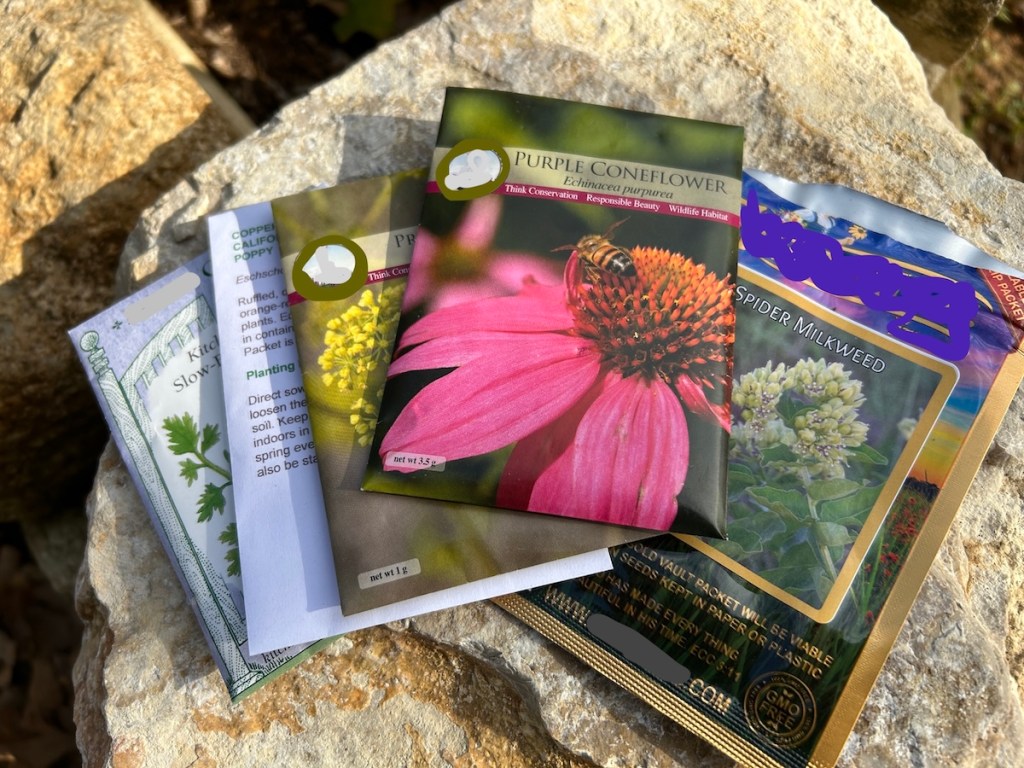
Seeds started using this technique in winter: Slow-bolt cilantro, California Poppy, Prairie Parsley, Purple Coneflower and Green Milkweed (Asclepias viridis, sometimes called Spider milkweed).
2. Best Seeds for Winter Sowing in Zone 8
Not all seeds are suited for winter sowing. In Zone 8, you want to focus on:
Hardy Seeds
These can tolerate frost and even a few weeks of snow:
• Native Perennials: Echinacea (coneflower), Rudbeckia (black-eyed Susan), Coreopsis, Salvia, Liatris, Milkweed (Asclepias species)
(Here are the Best Native Milkweed Types for Texas Zone 8).
• Vegetables: Kale, Spinach, Broccoli, Cabbage, Carrots
• Herbs: Parsley, Chives, Cilantro
Half-Hardy Seeds
These seeds benefit from cold exposure but may need protection during extreme cold:
• Lettuce, Nasturtium, Calendula, Marigold
Tips for Choosing Seeds
• Check the packaging for cold stratification requirements
• Avoid tropical or very heat-loving plants—these will not germinate until spring warmth arrives
• Combine early bloomers with long-season crops for continuous harvest

Cut milk jugs with a knife or scissors for access and punch some holes for ventilation and drainage. Leave a small section uncut to act like a hinge for access when sowing the seeds, then tape around it with duct tape to keep it closed.
3. Containers for Winter Sowing
The best part about this method is you do not need expensive trays or greenhouses. Household containers work well:
• Milk jugs (1-gallon or half-gallon)
• Plastic clamshells (from berries or salad greens)
• Soda bottles (cut in half)
How to Prepare Containers:
1. Drainage holes: Make 4-6 holes at the bottom.
2. Ventilation: Cut a few small holes in the top or sides or leave small gaps for air circulation.
3. Label each container with seed type and sowing date.
This approach allows sunlight, rain, and cold to naturally mimic spring conditions while protecting seeds from extreme weather and pests.
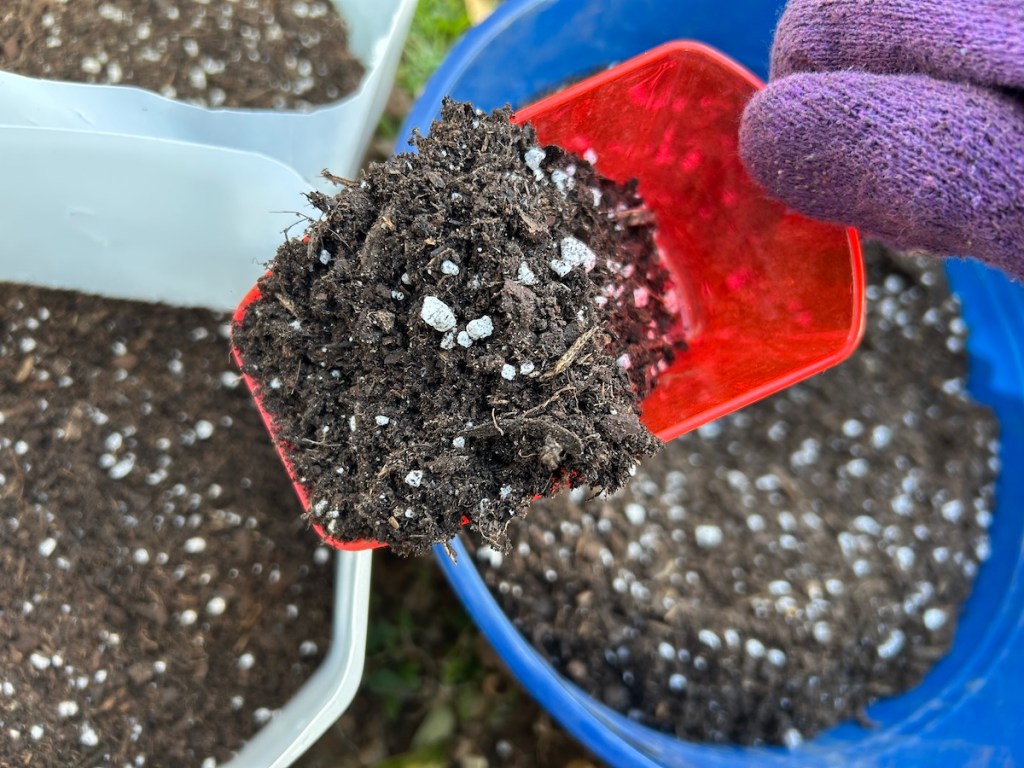
Fill the milk jugs with 3-5″ of soil then gently wet it, making sure the soil is moist and the containers drain well before planting the seeds.
4. Soil Mix for Winter Sowing
Use a light, well-draining soil mix:
• 1 part seed-starting mix (fine texture, low fertility)
• 1 part compost (provides nutrients)
• 1 part sand and/or some perlite for drainage
Avoid garden soil straight from your yard—it can compact, hold too much moisture, or introduce disease. Fill containers loosely, leaving enough room at the top for seedlings to grow (at least 1.5″). About 3-5 inches of soil is enough for most seedlings to root into.
5. Sowing the Seeds
1. Moisten soil before sowing—it should be damp, but not soggy.
2. Place a dozen or so seeds per container. (Sow a little thickly and you can always thin them later).
3. For seeds that require light to germinate, gently press them in to ensure good contact with the soil. Or cover lightly with soil to the depth required by the seed type.
4. Close your container with duct tape, leaving small ventilation gaps.
5. Label each container clearly.
Tip: Planting multiple seeds increases the likelihood that at least a few will germinate.

Cilantro seeds gently pressed into soil inside milk jug.
Note for butterflies: Cilantro and prairie parsley make great host plants for Black swallowtail butterfly caterpillars. Learn more about the best host plants to grow for them in Texas Zone 8. Or learn how raise black swallowtail butterflies for release back outdoors.
6. Placement and Care
• Location
Sunny spot outdoors, protected from wind if possible, and beside a wall for extra heat is ideal.
• Temperature
Many hardy seeds tolerate winter temperatures down to about 20–25°F or lower in covered containers. During extreme cold, placing jugs near walls or adding temporary insulation improves survival.
• Zone 8’s coldest temperatures may kill tender seedlings, so extra protection is suggested. Cover with burlap when temperatures dip below 20 or alternatively move them to a garage or other shelter temporarily.
• Moisture
Rain usually suffices. Check containers every 1–2 weeks—water lightly if the soil dries completely.
Keeping the caps on can be useful for regulating moisture during dry winter weather, but removing them later improves airflow as seedlings grow.
• Snow or Frost
Don’t worry; most seeds are hardy and will benefit from stratification
Winter sowing requires minimal maintenance, but watching moisture and sunlight ensures strong germination.
7. Thinning and Transplanting Seedlings
Once Seeds Germinate:
• Thin seedlings if needed to reduce competition.
• Keep them in their mini-greenhouse until roots fill the container or until the soil warms.
• Gradually acclimate seedlings by opening lids more each day for a week before transplanting into your garden.
For Zone 8, seedlings are often ready to plant 4–6 weeks before the last frost. Monitor local frost dates to time transplanting safely.
8. Troubleshooting Winter Sowing
Common Issues and Solutions:
• Mold on soil: Increase ventilation, check drainage, and avoid overwatering
• Seeds not germinating: Check seed viability and sowing depth (many seeds require light to germinate)
• Leggy seedlings: Move containers to sunnier location, avoid overheating in enclosed containers
• Pests: Mini-greenhouses usually protect seeds, but check for worms or ants
Extra tip: Keeping detailed notes on seed type, sowing date, and germination helps refine your technique year over year.

Finished winter sowing containers placed in a sunny sheltered location. Caps can be used to regulate moisture or removed.
9. Companion Planting Considerations
Winter sowing works well with butterfly plants if you want a full pollinator garden:
• Milkweed and coneflowers can start in winter sowing containers, ready to transplant by early spring.
• Pair with nectar plants like salvias and lantanas for a seamless butterfly-friendly garden.
• Consider grouping plants by sun and water requirements in your containers for easier transplanting.
10. Key Takeaways for Winter Sowing in Zone 8
1. Winter sowing mimics natural stratification while protecting seeds.
2. Use hardy and half-hardy seeds suitable for Zone 8 winters.
3. Household containers like milk jugs and clamshells make mini-greenhouses.
4. Use a light, well-draining soil mix.
5. Place containers in sunny spots with natural rain exposure.
6. Monitor moisture and ventilation, but keep it low-maintenance.
7. Transplant carefully in spring after hardening off seedlings.
Winter sowing gives you early, strong seedlings that can thrive in Texas’ long growing season. You will save time, extend your planting window, and have a head start on flowers, vegetables, and butterfly host plants—all while avoiding indoor seed-starting headaches.
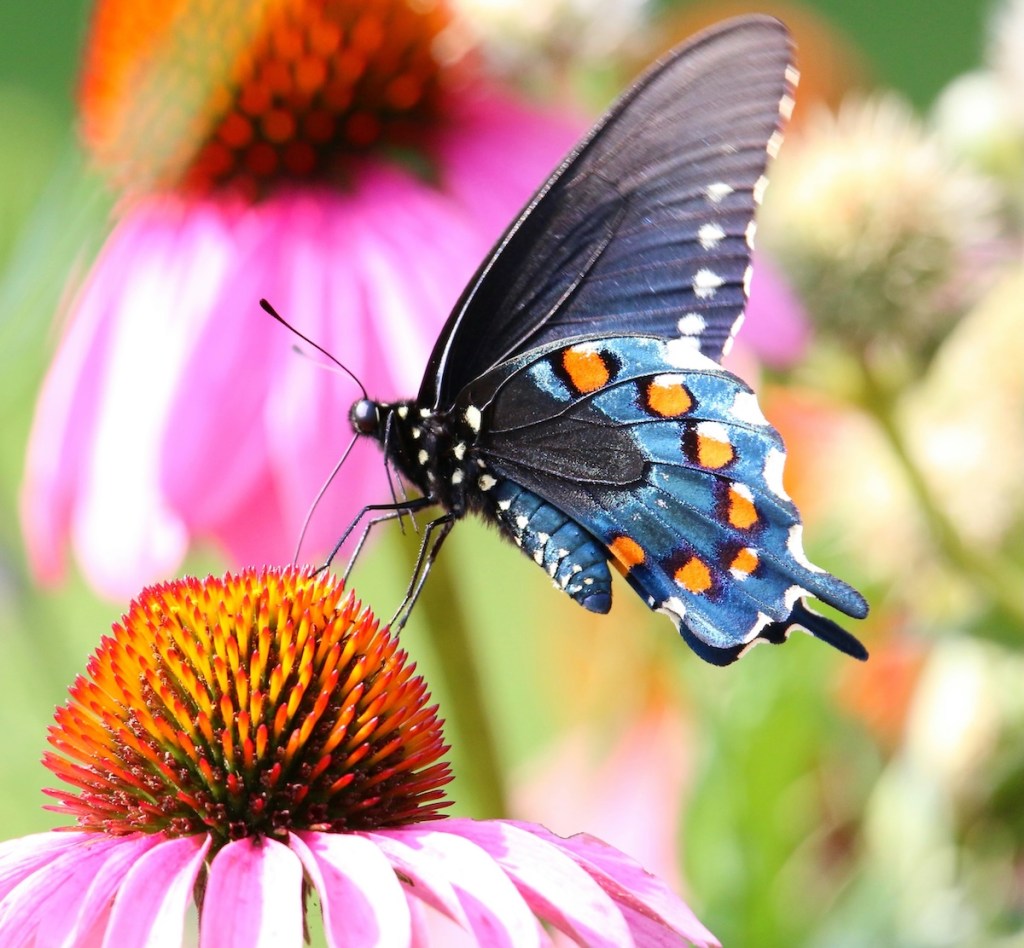
Pipevine swallowtail butterfly on purple coneflower (Echinacea purpurea).
Get a Jump on Spring with Winter Sowing
Zone 8 gardeners can turn winter downtime into a productive planting season. Winter sowing allows you to grow healthy, strong seedlings without the need for indoor grow lights, complicated heat mats, or constant watering. With the right seeds, containers, soil mix, and care, your garden will be ready to bloom and feed pollinators as soon as spring arrives.
If you are planning or planting this season, the Butterfly Garden Cheat Sheet can help you check that the basic habitat pieces are in place.
Related Guides:
How to Germinate Milkweed Seeds
The Ultimate Texas Zone 8 Garden Guide: What to Plant and When
The Complete Guide to Butterfly Gardening: How to Attract, Feed, and Protect Butterflies All Year
Photo credit: pipevine swallowtail butterfly on coneflower – Paul Crook
 Butterfly garden paradise
Leave a comment