

Why Understanding the Difference is Essential for Success
To attract monarch butterflies to your garden and support them through their full life cycle, it is important to understand one fundamental distinction: there are two very different types of plants in a butterfly garden, and each serves a distinct purpose. Many beginners confuse these categories, which can lead to frustration. Questions such as:
“Why are monarchs visiting my flowers but not laying eggs?”
“Why do butterflies fly through my yard without stopping?”
are common when host and nectar plants are not clearly distinguished.
Here is the Basic Distinction:
• Host plants – these are the plants where monarchs lay eggs and caterpillars feed.
• Nectar plants – these are the flowers that adult monarchs visit to obtain energy.
Correctly understanding this difference allows your garden to provide both food and reproduction sites, creating a supportive habitat for monarchs.
What This Guide Will Cover
In this guide, you will learn:
• The difference between monarch host plants and nectar plants, and why both are necessary
• Which milkweed species support monarch reproduction in Texas
• Which nectar plants provide critical fuel during migration and breeding season
• How many host plants vs. nectar plants to include in a monarch garden
• When monarchs need nectar the most in Texas
• Why native milkweed is safer than tropical milkweed
• How to arrange host and nectar plants for a functional monarch habitat
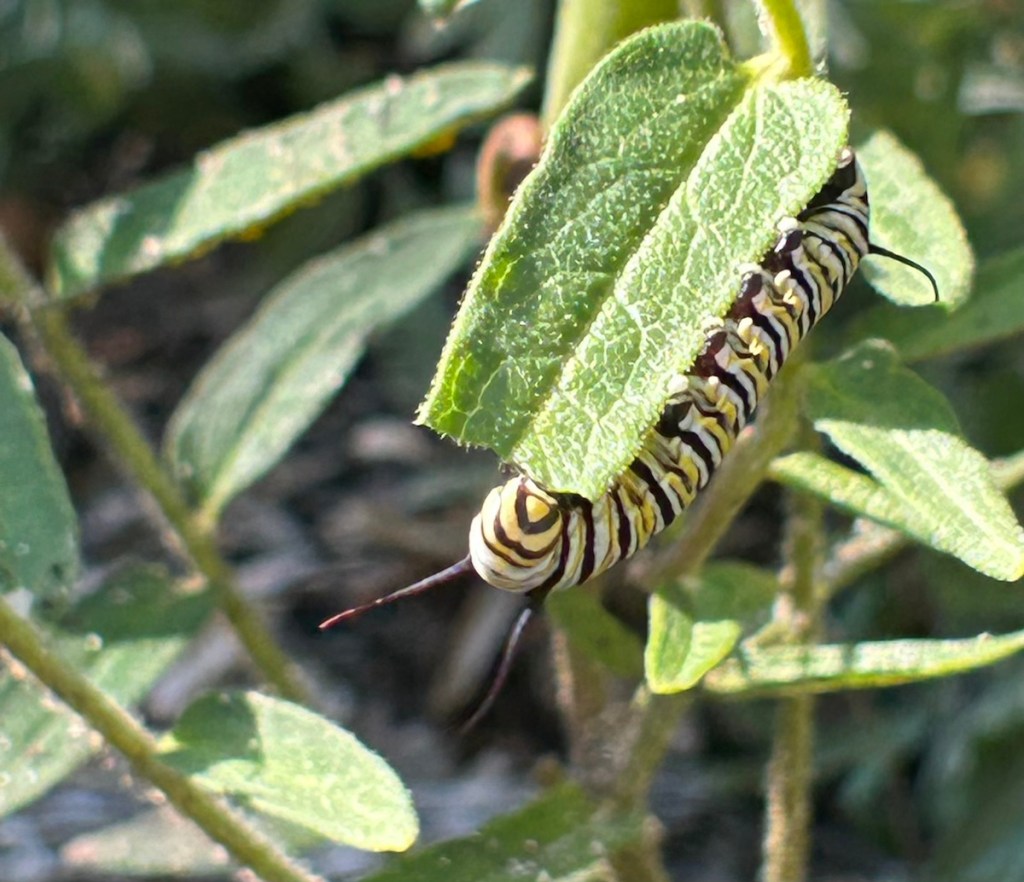
Monarch butterfly caterpillar feeding on a leaf from its native host plant, milkweed.
What Is a Host Plant? (The Caterpillar Plant)
A host plant is the only plant on which a monarch will lay eggs, and the only plant that monarch caterpillars can consume. For monarchs, this plant is milkweed.
There are no substitutes. There are no alternative herbs or flowers that serve this purpose. Milkweed is essential for the growth and survival of monarch caterpillars. Plant it carefully, maintain its health, and your garden will provide a reliable environment for monarchs from egg through adult butterfly.
Best Host Plants for Monarchs in Texas: Native Milkweeds
In Texas, the Best Host Plants for Monarch Butterflies are Native Milkweeds:
• Antelope Horn (Asclepias asperula)
• Zizotes Milkweed (Asclepias oenotheroides)
• Green Milkweed (Asclepias viridis)
• Butterflyweed (Asclepias tuberosa)
These are drought-tolerant, heat-tolerant, and naturally grow where monarchs actually breed.
Why Host Plants Are Crucial
Without milkweed, monarchs cannot reproduce in your garden.
Even if you have the best nectar flowers in the world, the females will simply fly past.

Monarch butterfly feeding on nectar from a Mexican sunflower.
What Are Nectar Plants? (The Adult Butterfly Flowers)
Nectar plants feed adult monarchs, not babies. These flowers give them:
• Energy to Migrate
• Strength to Lay Eggs
• Fuel for Long Flights
Adult butterflies need nectar constantly, especially when migrating long distances north in spring or south in fall.
Best Nectar Plants for Monarchs in Texas:
• Gregg’s Mistflower (monarch + queen magnet)
• Lantana
• Zinnias
• Cowpen daisy
• Mexican Sunflower (Tithonia) pictured above
• Coneflower
• Coreopsis
• Frostweed (critical fall nectar source)
• Blazing star (Liatris species)
• Prairie verbena (for early spring)
These are not host plants, so they will not grow caterpillars. But without them, adult monarchs will not have the energy to survive.
The Biggest Beginner Mistake
Many people plant nectar flowers thinking they are helping monarchs reproduce. But the way monarchs choose where to stay is actually very simple:
Monarch Logic:
“Do you have milkweed for my babies?
If yes → I’ll stay, rest, lay eggs, and drink nectar.
If no → I’ll drink nectar quickly and leave.”
This is why you may see monarchs fly through your yard but not lay eggs.
How Many Host Plants vs Nectar Plants Do You Need?
A perfect monarch garden has both, but in different proportions.
Host Plants (Milkweed):
• 3–5 native milkweed plants minimum
• More if you want multiple caterpillars
• Spread them apart so predators don’t find eggs as easily
• Plant in full sun
Nectar Plants:
• 10–15 nectar plants
• A mix of early, mid, and late-season bloomers
• Color variety helps: orange, purple, pink, and yellow
• Group each flower in clusters for stronger scent signals
Rule of Thumb:
1 part milkweed to 3–4 parts nectar plants. That gives monarchs what they need all season.
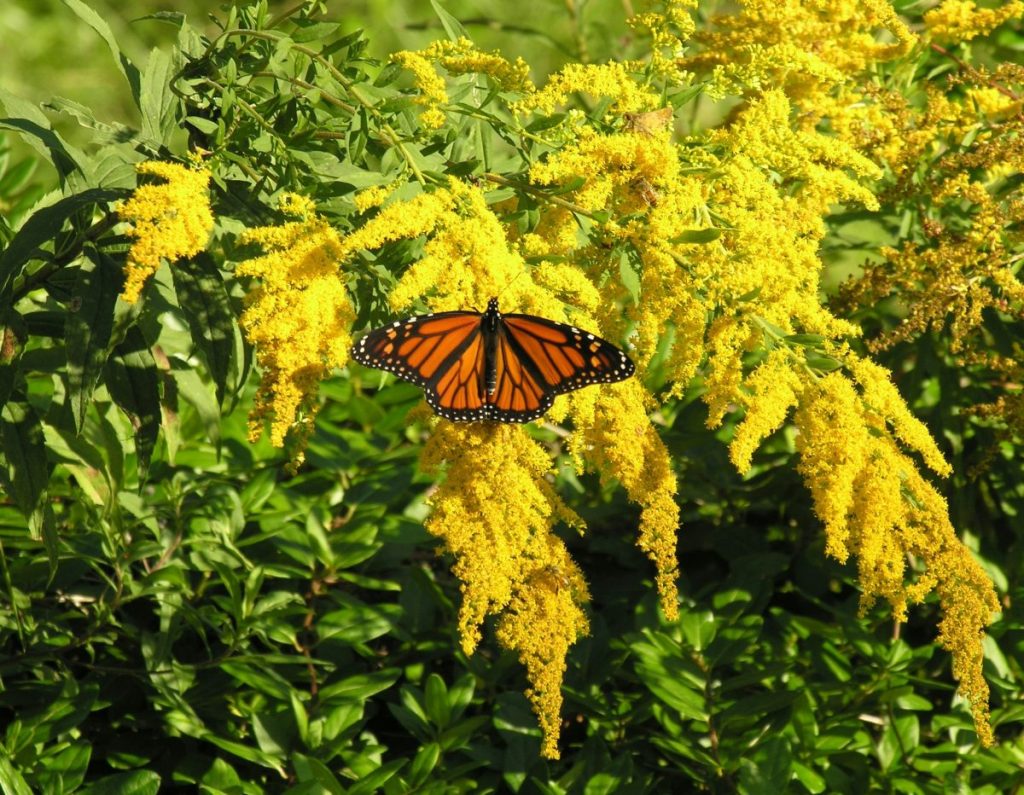
Migrating monarch butterfly feeding on Goldenrod, an important Fall nectar source.
When Monarchs Need Nectar the Most in Texas
Texas is the monarch highway between northern regions and their overwintering grounds in Mexico, so nectar availability is critical.
Spring Migration (March–April):
Monarchs need nectar as soon as they arrive from Mexico. Early bloomers like lantana, verbena, and salvia are essential.
Summer Breeding Season:
A mix of nectar + milkweed lets them lay eggs and feed.
Fall Migration (September–October):
Monarchs depend heavily on:
• Frostweed
• Tithonia
• Lantana
• Mistflower
Nectar from these flowers helps them build fat reserves before flying ~2,000 miles.
Why Native Milkweed Is Better Than Tropical Milkweed
Tropical milkweed (Asclepias curassavica) is sold almost everywhere—but in Texas, it causes several problems:
• Grows year-round
• Increases parasite load (OE) which is deadly
• Encourages monarchs to stay too long
• Blooms at the wrong times
Native milkweed grows exactly when monarchs need it. It dies back naturally, reducing disease and supporting the migration pattern.
If you do grow tropical milkweed (not recommended), the safest method is:
• Cut it to the ground every October
• Let it regrow in spring
• Do not let it bloom in winter
But native milkweed is still the best choice.
See the full guide here: Texas Native Milkweed: The Best Species to Plant for Monarchs.
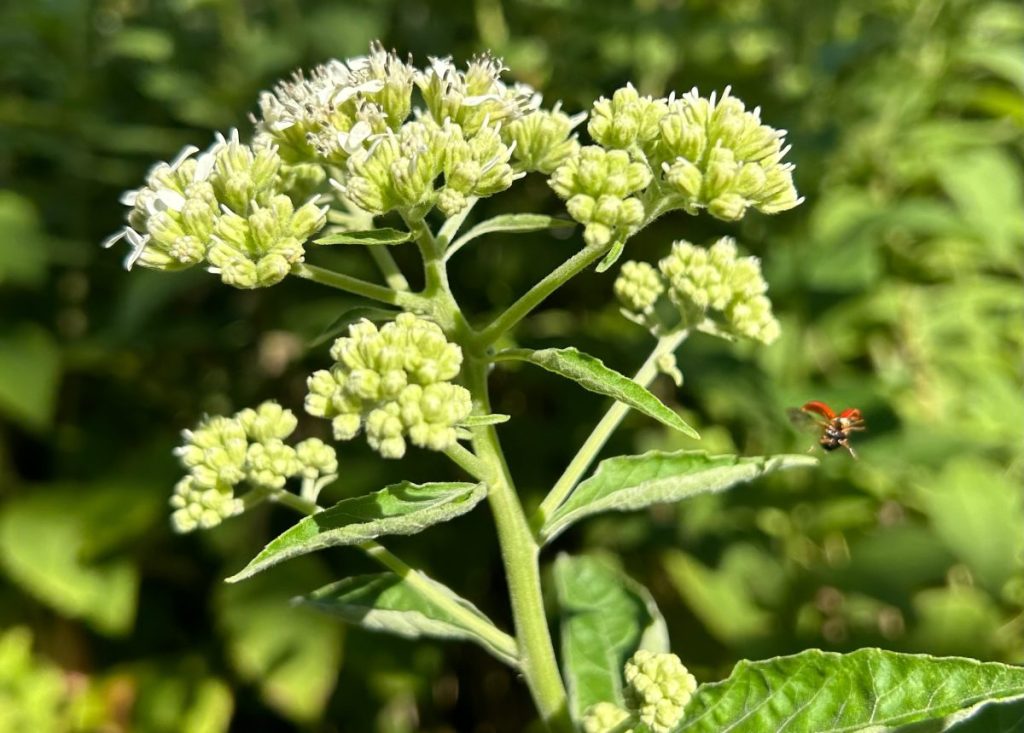
Frostweed (Verbesina virginica) is a tall perennial nectar plant, suitable for shady areas with some moisture.
How to Arrange Host vs Nectar Plants in Your Garden
A simple layout for beginners:
1. Back of the Bed (tall layer — nectar):
• Tithonia
• Maximillian sunflower
• Cowpen daisy
• Frostweed (for shadier spots)
2. Middle Layer (medium height — nectar):
• Salvias
• Coreopsis
• Lantana
• Gregg’s mistflower
3. Front Layer (host plants + low nectar):
• Milkweed
• Prairie verbena
• Echinacea (coneflower)
• Frogfruit (creeping)
This Gives Monarchs:
• Tall landing spots
• Sunny milkweed for egg-laying
• Low cover for caterpillars
• Easy nectar access
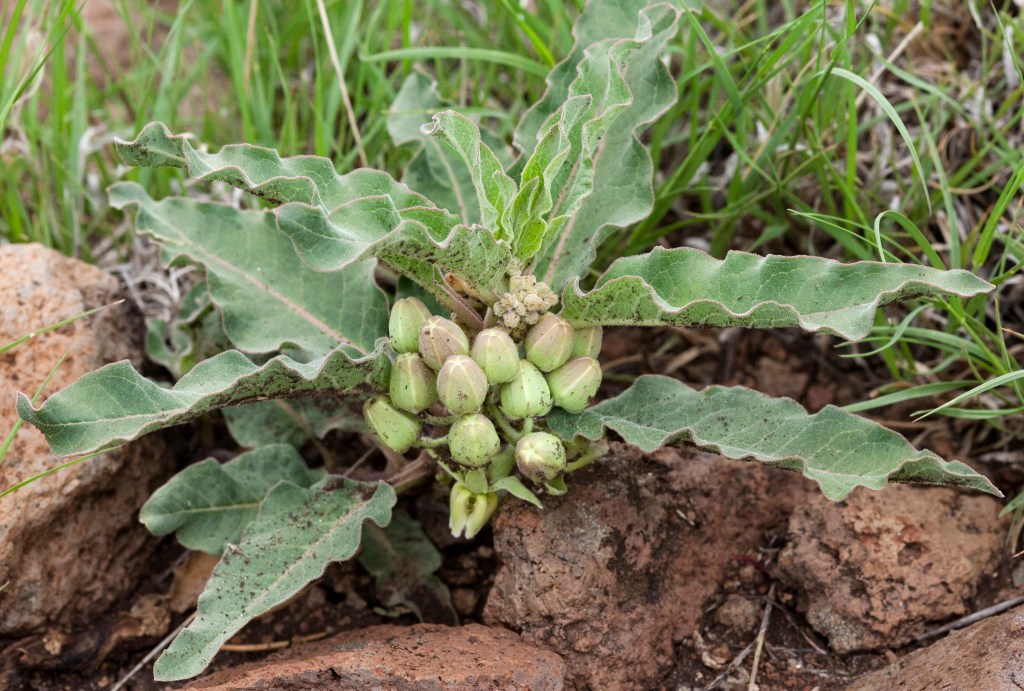
Zizotes milkweed is native to Texas, and a very heat and drought-tolerant monarch host plant.
Do Monarchs Prefer Certain Milkweeds for Egg-Laying?
Yes! Female monarchs in Texas tend to prefer (in this order, according to the data):
1. Antelope Horn
2. Green Milkweed
3. Zizotes
4. Butterflyweed
Butterflyweed is gorgeous, but females often choose antelope horn first because of its leaf shape and chemical profile.
If you are planting for eggs:
→ Plant more antelope horn
→ Add zizotes as backup
→ Use butterflyweed as a nectar/host hybrid
My experience: I grow orange milkweed also known as butterfly weed and it is easier to find seeds, handles our clay soil well, and attracts plenty of monarchs.
How to Tell Whether You Need More Host or Nectar Plants
Here is a Quick Test:
If you see monarchs but no eggs → add more milkweed
(or spread out what you have)
If you see eggs but monarchs rarely stop → add more nectar flowers
(especially spring and fall bloomers)
If you raise caterpillars and run out of milkweed → plant more of it
(or start seedlings early)
If your milkweed gets eaten to sticks → totally normal
It is tough and will regrow.
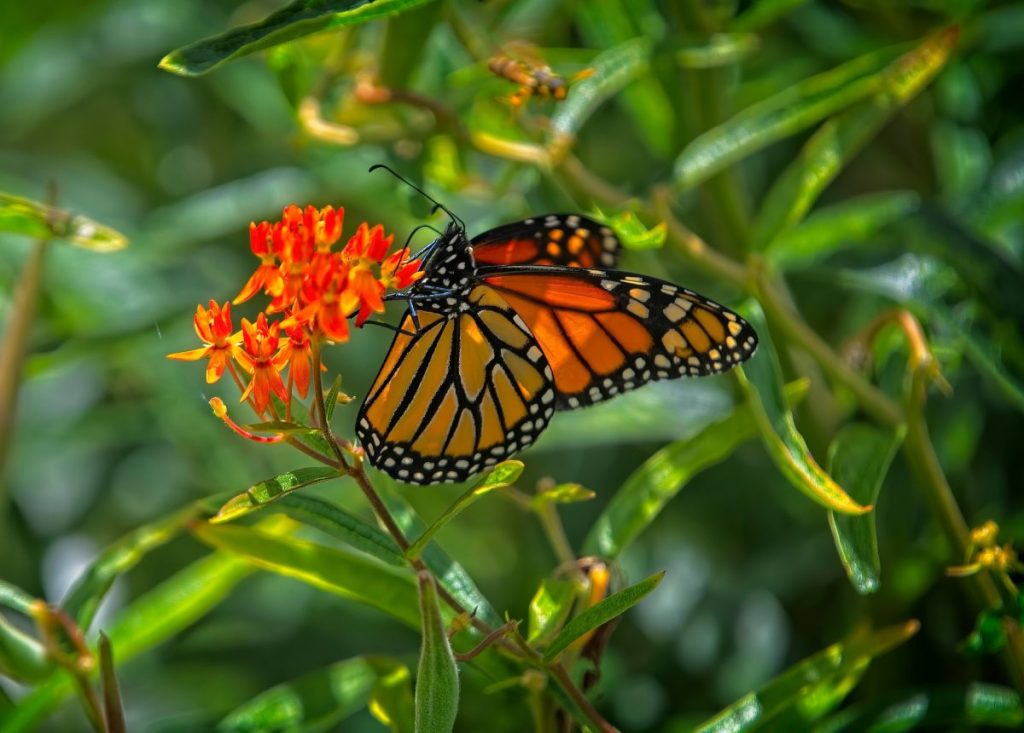
Monarch butterfly feeding on nectar from Orange milkweed (Asclepias tuberosa), which is also a host plant for its caterpillars.
Final Thoughts
To support monarchs successfully, you need both:
Milkweed = Babies
Nectar flowers = Adults
Once you understand this difference, everything becomes simple—and your garden can support monarchs all season long.
Plant native milkweeds, add reliable nectar sources, and you will have one of the strongest monarch gardens in your area.
This article covers one part of butterfly gardening. The Butterfly Garden Cheat Sheet shows how these elements fit together at a basic level.
Related Guides:
The Complete Guide to Butterfly Gardening: How to Attract, Feed, and Protect Butterflies All Year
How to Attract Monarch Butterflies to Your Garden
Photo credits: Monarch on orange milkweed- James Peacock
 Butterfly garden paradise
Leave a comment