
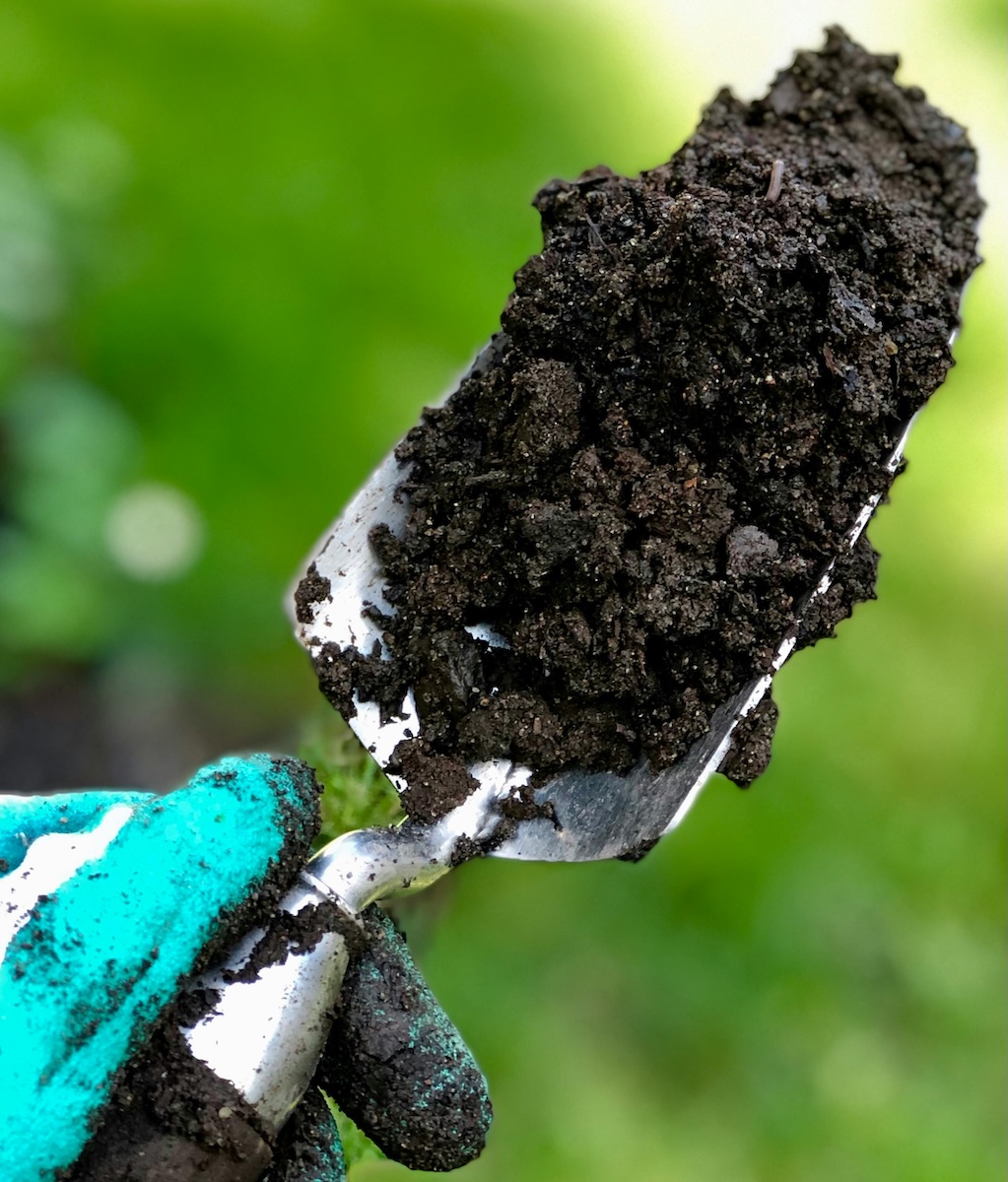
Spring in Texas is fast approaching, and if you want your garden to thrive, preparation is key. Zone 8 can swing from chilly mornings to warming days quickly, and getting a head start ensures that your native plants, perennials, vegetables, and flowers bloom beautifully and stay healthy all season.
This guide gives you a step-by-step checklist of what to do in your Texas garden before March so you can enjoy a vibrant, low-maintenance spring landscape. We will cover planting, pruning, soil prep, and everything you need to set your garden up for success.
Why a Pre-Spring Checklist Matters
Texas spring comes fast, and many gardeners wait too long to prepare. A checklist ensures:
• Plants have strong roots before heat hits
• You maximize early blooms
• Your butterfly and pollinator garden is ready
• You avoid last-minute rushes and mistakes
Prepping before March also means you can take advantage of cooler, wetter soil for planting natives and heat-tolerant perennials.
Texas Spring Garden Checklist — Step by Step
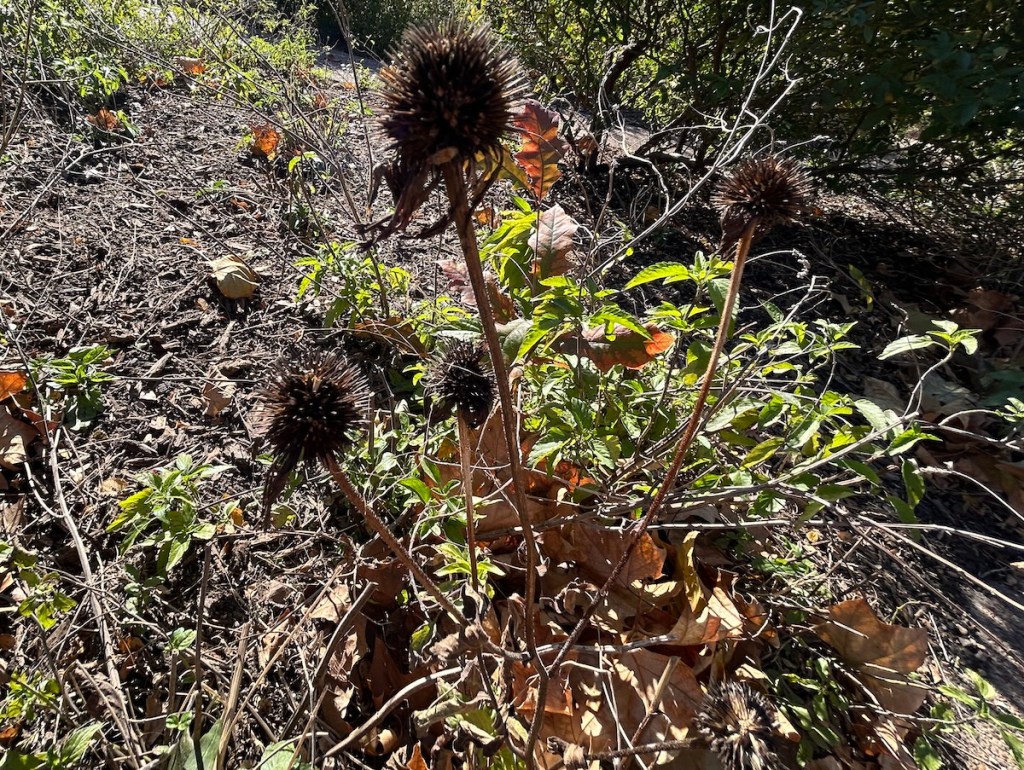
Echinacea flowers with leftover seed heads and leaves from winter.
1. Clean Up Your Beds
• Remove dead leaves, stems, and debris from last season.
• Cut back perennials that need pruning, leaving strong stems for structure.
• Clear weeds to prevent early competition.
Tip: Leave some natural debris near natives for overwintering insects.
2. Cut Back Old Growth
• Many perennials and ornamental grasses benefit from a hard cut in spring after the last frost.
• Examples: Blackfoot daisy, Engelmann daisy, gulf coast penstemon, lantanas.
• Avoid cutting milkweed too early; monarch caterpillars may still be present.
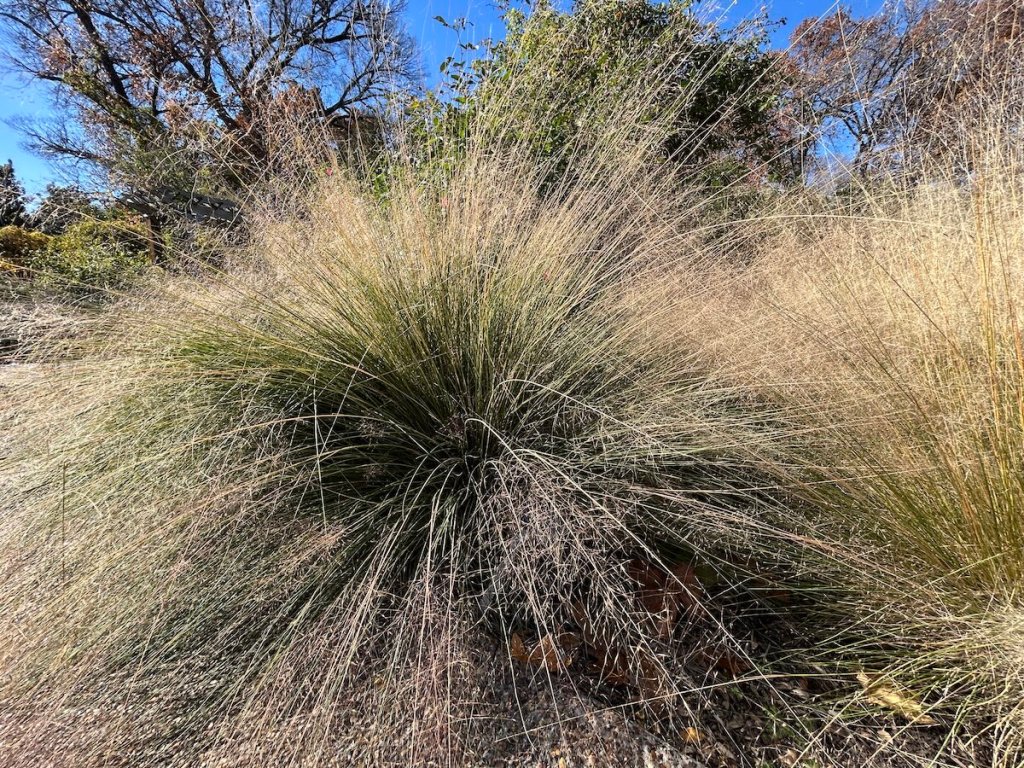
Muhly grass in a Texas garden.
3. Fertilize Natives (or Consider Leaving Alone)
• Texas natives are adapted to lean soils.
• If your soil is extremely poor, consider a slow-release, low-nitrogen fertilizer.
• Avoid overfertilizing; it encourages lush foliage but fewer flowers.
4. Divide Perennials
• Early spring is ideal for dividing clumping perennials like Coreopsis, ornamental grasses, and Coneflowers.
• Replant divisions in prepared soil, water in lightly, and mulch around roots.
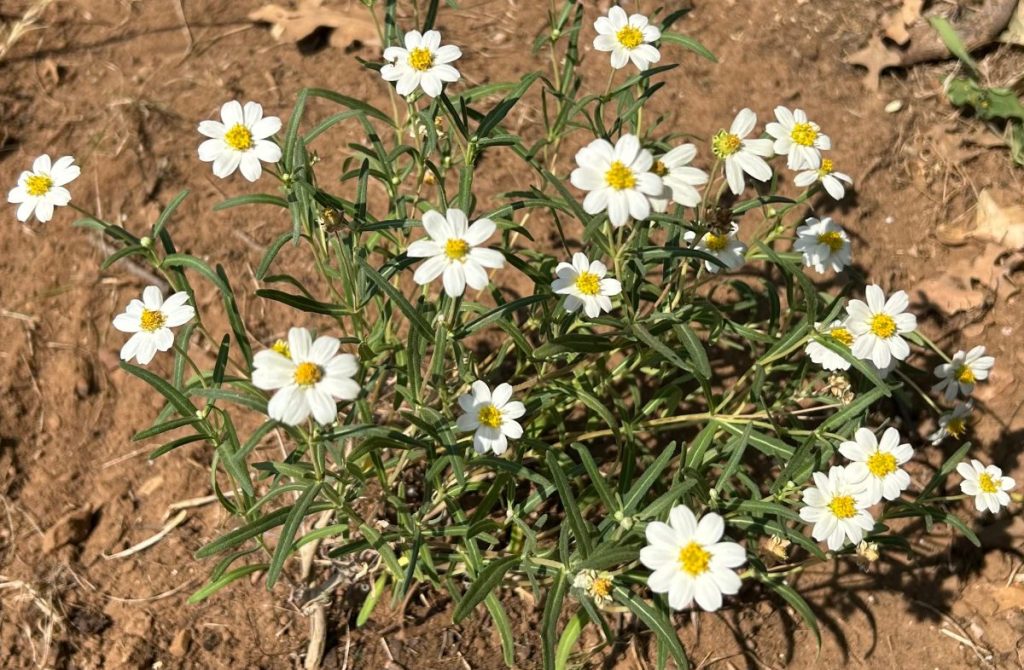
Blackfoot daisies can be revitalized in spring in Texas by removing dead stems and cutting back about 1/3 .
5. Prepare Raised Beds & Containers
• Remove last year’s vegetables or spent annuals.
• Refresh soil with compost or organic matter.
• Check drainage in containers before planting.
6. Plant Early Bloomers
• Native early bloomers like Bluebonnets, Winecups, and Prairie Verbena can go in late winter/early March.
• Cool-season vegetables like peas, lettuce, and spinach can also go in now.
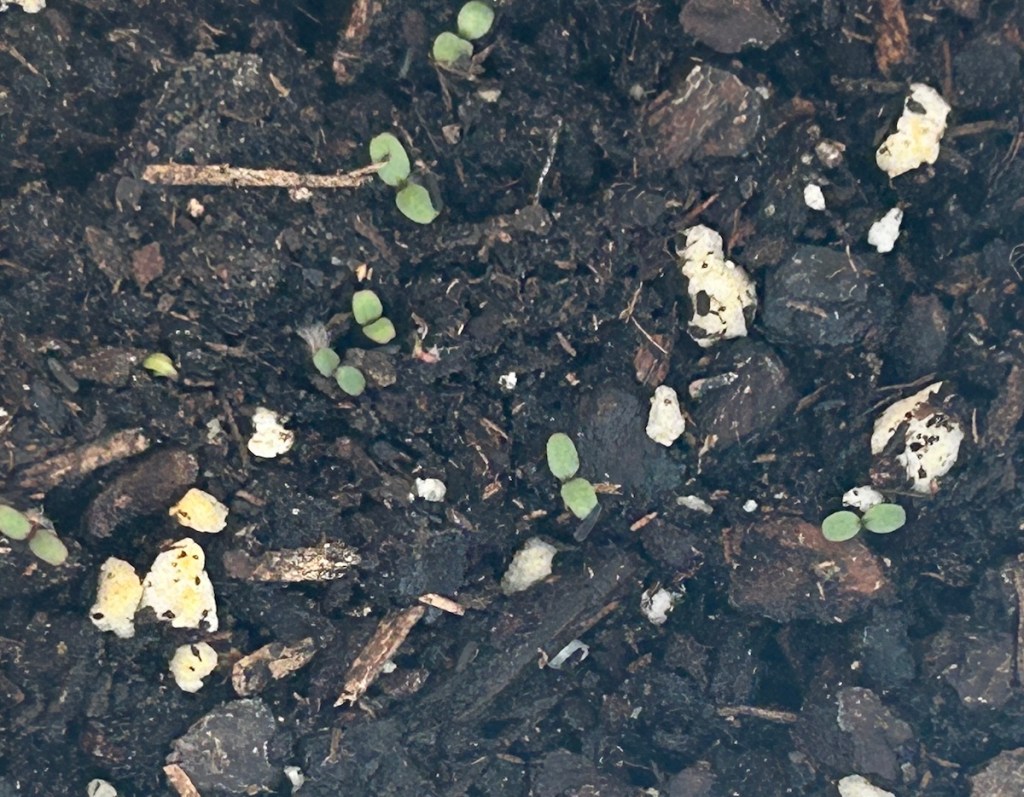
Rudbeckia hirta seed sprouts started in early spring.
7. Start Seeds for Heat-Tolerant Flowers
• March planting allows seedlings to mature before the heat arrives.
• Consider milkweed, blanket flowers, Mexican hat, and plains coreopsis.
• Sow indoors or in protected outdoor flats if soil is still cool.
8. Mulch Before Heat Hits
• Apply 2–3 inches of organic mulch around plants to retain moisture, regulate soil temperature, and suppress weeds.
• Keep mulch slightly away from plant crowns to avoid rot.
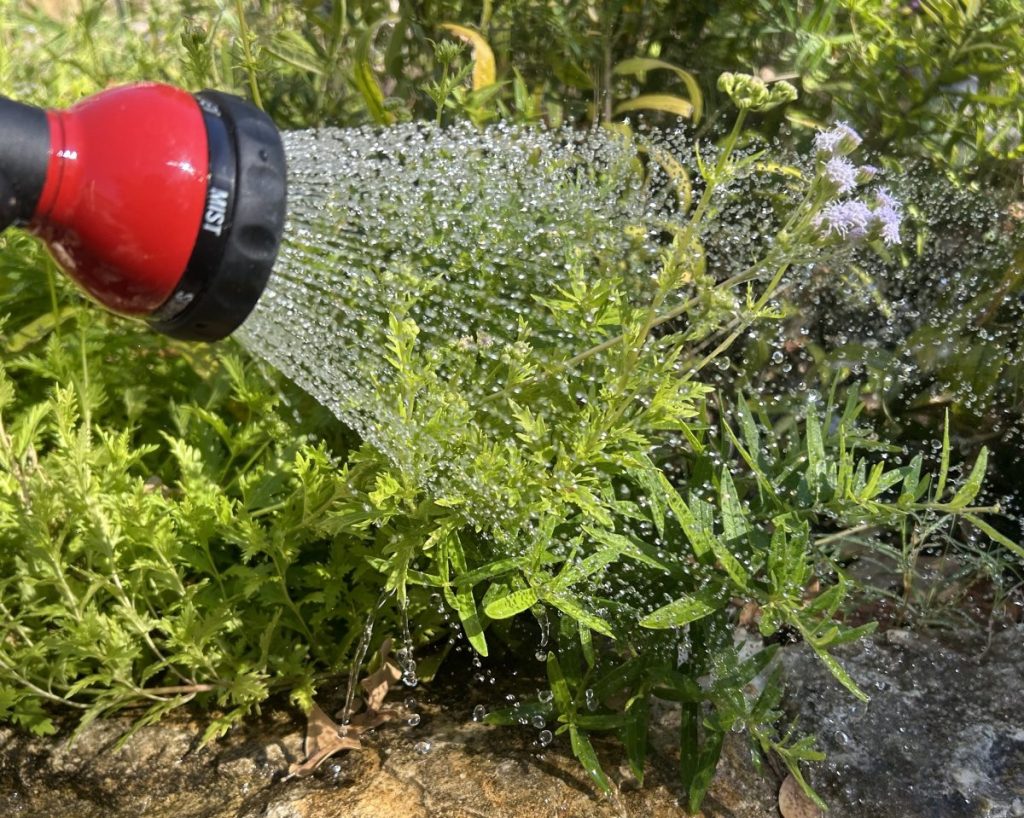
Watering Gregg’s mistflower. See How to Water Native Plants the Right Way for important tips on watering natives.
9. Adjust Watering Schedule
• Winter rains may have saturated soil; check drainage.
• Gradually increase watering as temperatures rise, especially for newly planted seedlings.
• Native plants require less frequent irrigation once established.
10. Plan Your Pollinator & Butterfly Garden
• Early spring prep allows milkweed, Blackfoot daisy, lantana, and penstemon to establish before adult butterflies arrive.
• Space plants in clusters for maximum pollinator attraction.
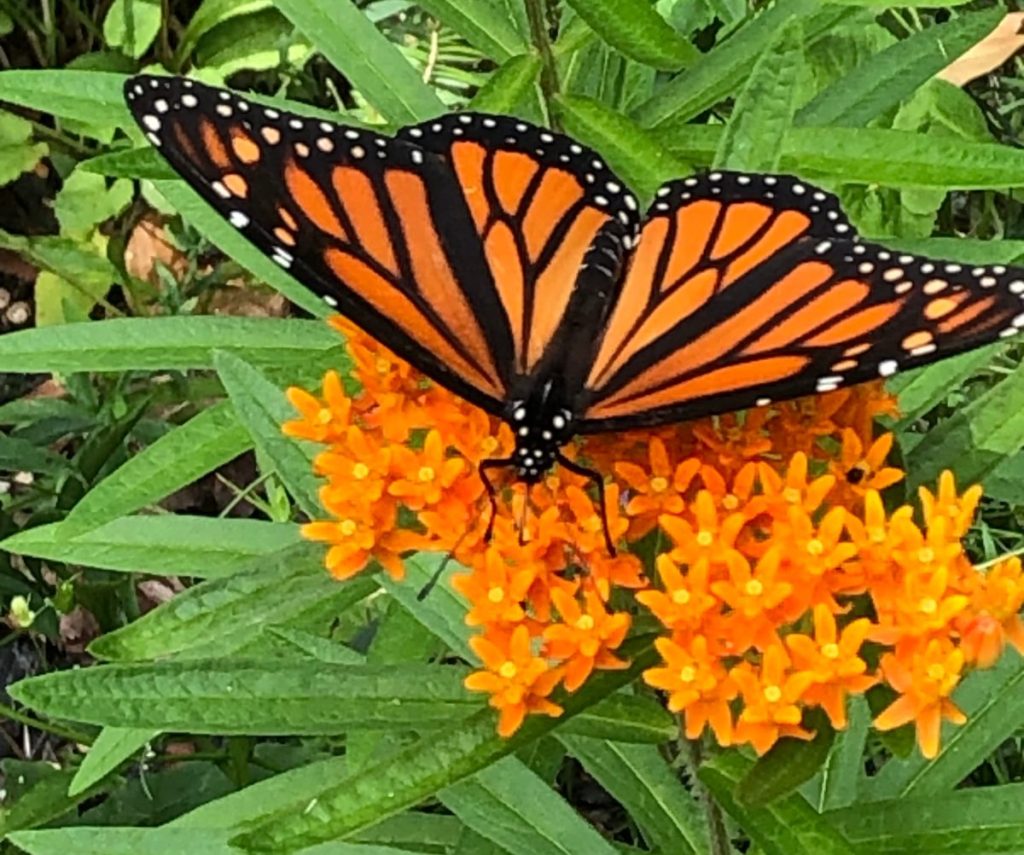
Monarch butterfly feeding on nectar from orange milkweed which is also its host plant.
11. Check Tools & Equipment
• Clean and sharpen pruners, shovels, and trowels.
• Check irrigation systems for leaks and winter damage.
• Having tools ready prevents delays during busy planting weeks.
12. Review Your Garden Layout
• Take a walk and note what worked last year and what didn’t.
• Plan for bloom sequence, color combinations, and plant height.
• Consider adding new native flowers or perennials that attract butterflies.

Gaillardias are another spring blooming flower that attracts butterflies.
Extra Tips for Zone 8 Texas Gardens
• Watch for late freezes: Protect tender early blooms with covers if needed.
• Native bulbs: Plant early-blooming bulbs like Daffodils and Texas Bluebells before March.
• Composting: Start a fresh pile now for spring mulch and nutrient boost.
• Record keeping: Note bloom dates, plant performance, and seed germination rates for next year.
Benefits of Following This Checklist
By completing these steps before March, you will:
• Maximize spring bloom potential
• Reduce heat stress on young plants
• Attract more butterflies and pollinators
• Reduce maintenance time later in the season
• Create a beautiful, Texas-native-friendly garden
A garden prepared in advance thrives effortlessly and keeps your landscape healthy, colorful, and sustainable.
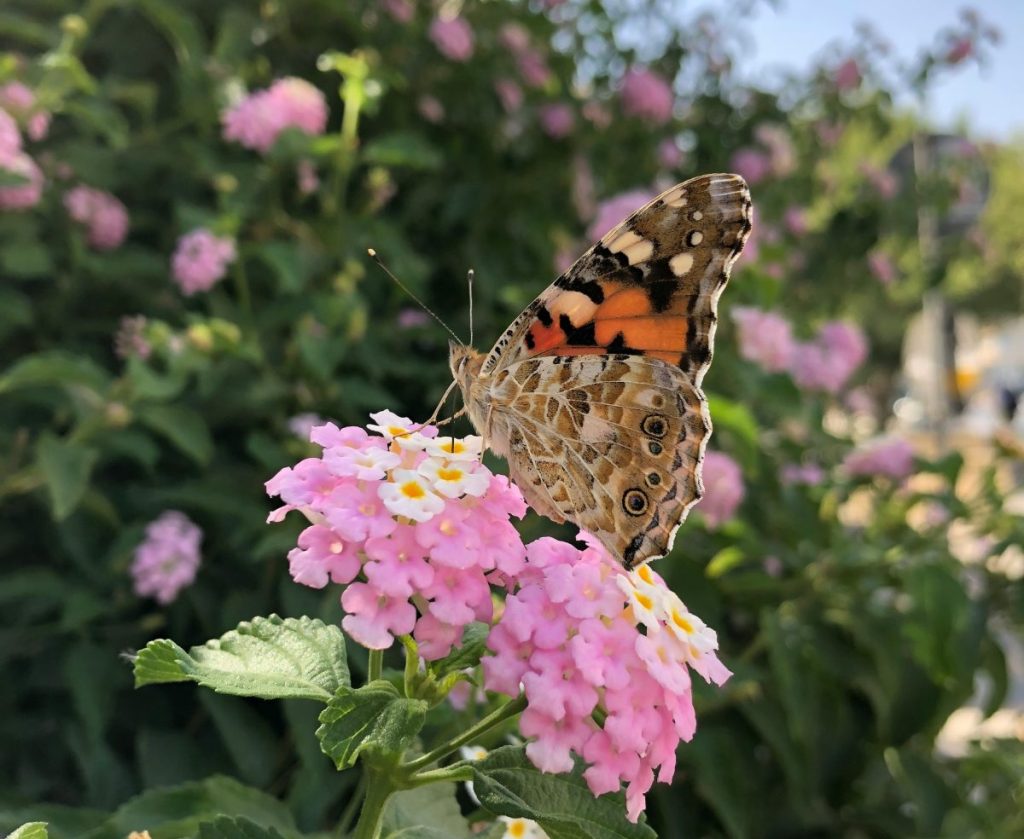
Painted lady butterfly feeding on nectar from lantana flowers.
Spring Preparation = Success
Spring does not wait, and Texas Zone 8 gardens reward those who plan ahead. Cleaning beds, pruning, fertilizing lightly, planting early bloomers, and organizing your butterfly garden ensures a garden that is gorgeous and resilient all season.
Start before March, and your plants will thank you with vibrant flowers, healthy growth, and more pollinators.
If you are planning or planting this season, the Butterfly Garden Cheat Sheet can help you check that the basic habitat pieces are in place.
Related Guides:
The Complete Guide to Butterfly Gardening: How to Attract, Feed, and Protect Butterflies All Year
The Best Host Plants for Caterpillars in Zone 8
Top Nectar Plants for Butterflies by Season
Photo credits: cover – Mary Jane Duford, painted lady butterfly on lantana – Areej Abd Alnasser
 Butterfly garden paradise
Leave a comment