
The Ultimate Guide to Creating a Vibrant Butterfly-Friendly Garden in Texas This Spring
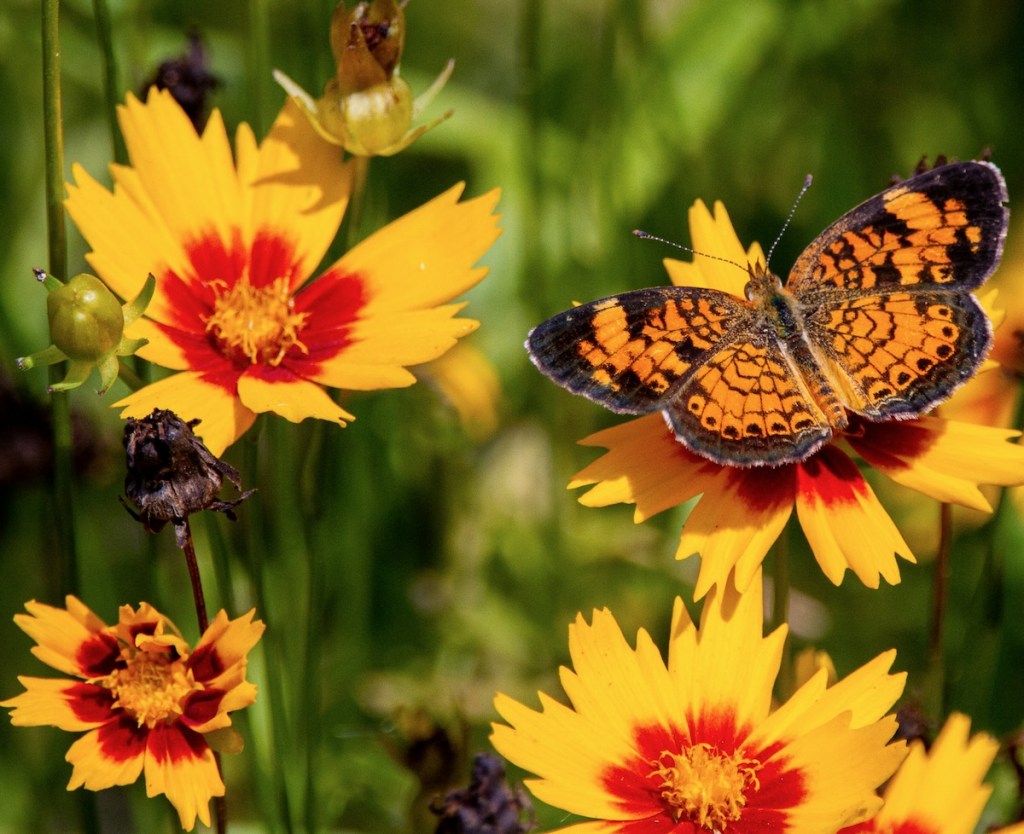
Cover photo: Pearl crescent butterfly feeding on vibrant coreopsis flowers.
Spring is a magical time for Texas gardens. As temperatures rise and flowers bloom, butterflies emerge to dance among your plants. If you want to attract monarchs, swallowtails, Gulf fritillaries, and other pollinators, planting the right species in full sun or partial sun is crucial.
This guide shares the 12 best spring plants for Texas butterfly gardens, highlighting native species, heat-tolerant perennials, and flowering annuals that thrive in Zone 8. You will learn planting tips, bloom timing, and how to design a butterfly magnet garden that looks amazing and requires minimal fuss.
Why Butterfly Gardens Make a Difference
Butterflies are not just beautiful—they are essential pollinators. Planting a butterfly garden helps:
• Support monarch and swallowtail populations
• Feed native bees and other pollinators
• Encourage biodiversity in your yard
• Reduce the need for chemical pesticides
By choosing Texas-native plants, you create a garden that is naturally drought-tolerant, low-maintenance, and highly attractive to butterflies.
Top 12 Spring Plants for Texas Butterfly Gardens
Below are the best plants to include in your spring butterfly garden, grouped by function.
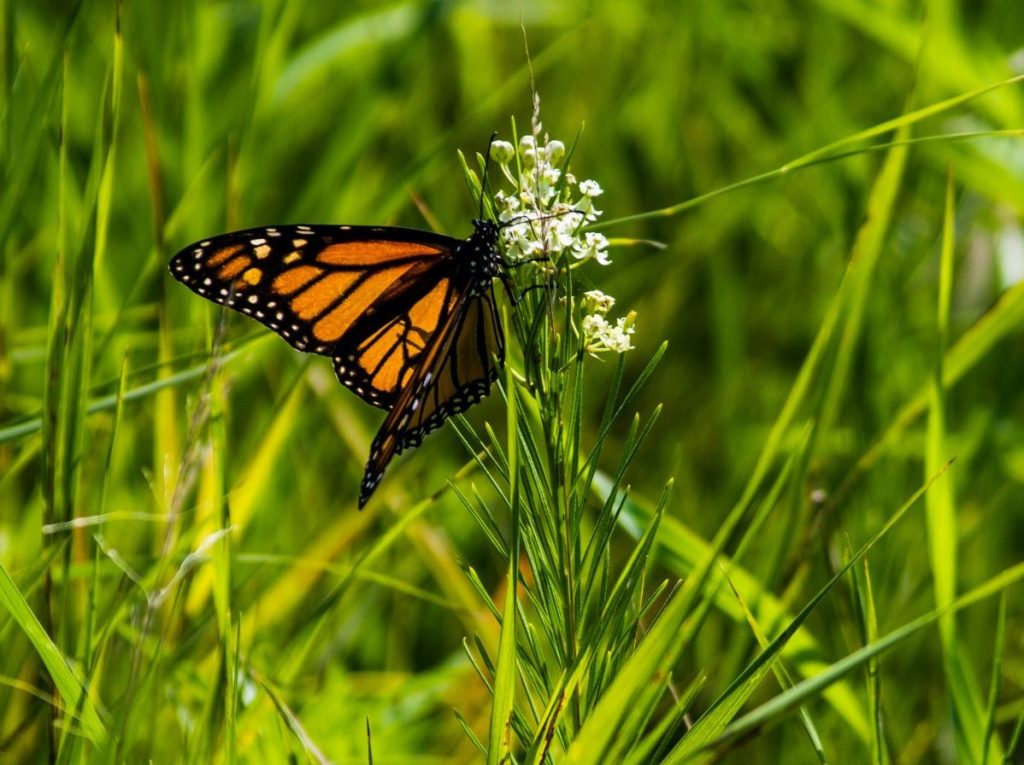
Monarch butterfly feeding on nectar from whorled milkweed blooming in spring.
1. Milkweeds (Asclepias species)
Sun: Full sun
Bloom: March–May
Height: 2–4 feet
Milkweeds are essential host plants for monarch butterflies. Without milkweed, monarch caterpillars cannot survive.
Early Blooming Varieties for Zone 8:
• Green milkweed (Asclepias viridis) – blooms Late March-May
• Antelope horn milkweed (Asclepias asperula) – blooms March-May
• Whorled milkweed (Asclepias verticillata) – blooms May-July
Planting tips: Choose sunny spots with well-drained soil. Plant in clusters to attract butterflies.
For more info on milkweed see The Best Native Milkweeds to Plant in Texas (and How to Grow Them Successfully).
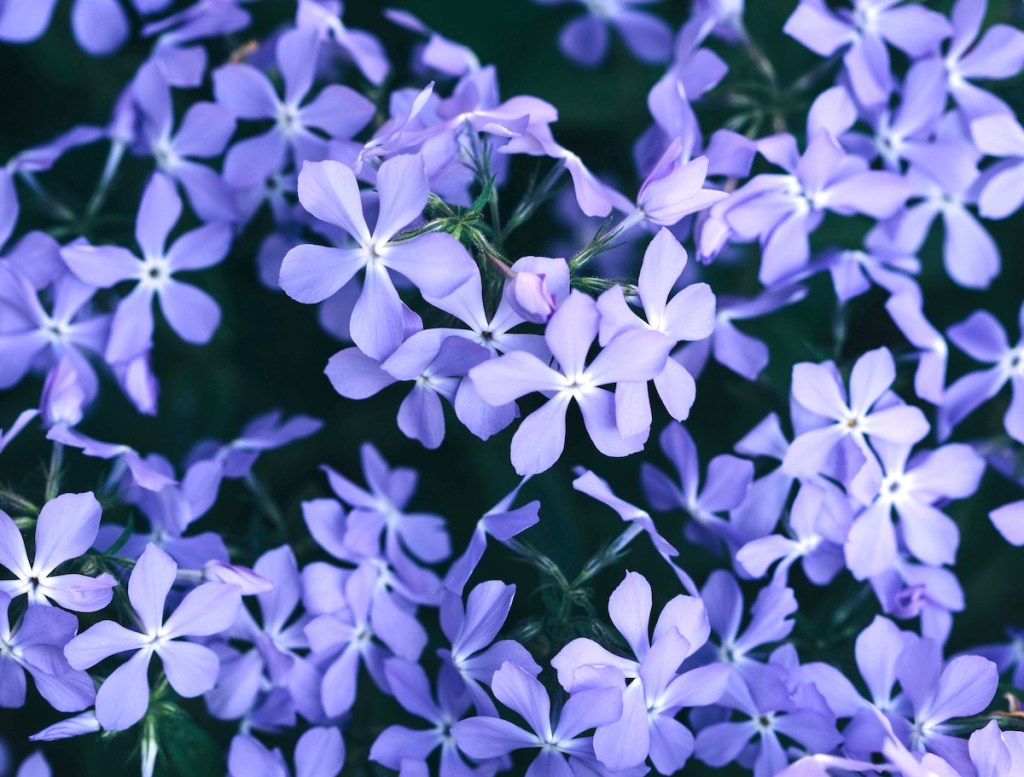
2. Wild Blue Phlox (Phlox divaricata)
Sun: Part shade to light sun (morning sun with afternoon shade is ideal)
Bloom: March–April
Height: 12-18 inches
One of the earliest native nectar sources for butterflies and native bees, forms loose colonies over time, but not aggressively.
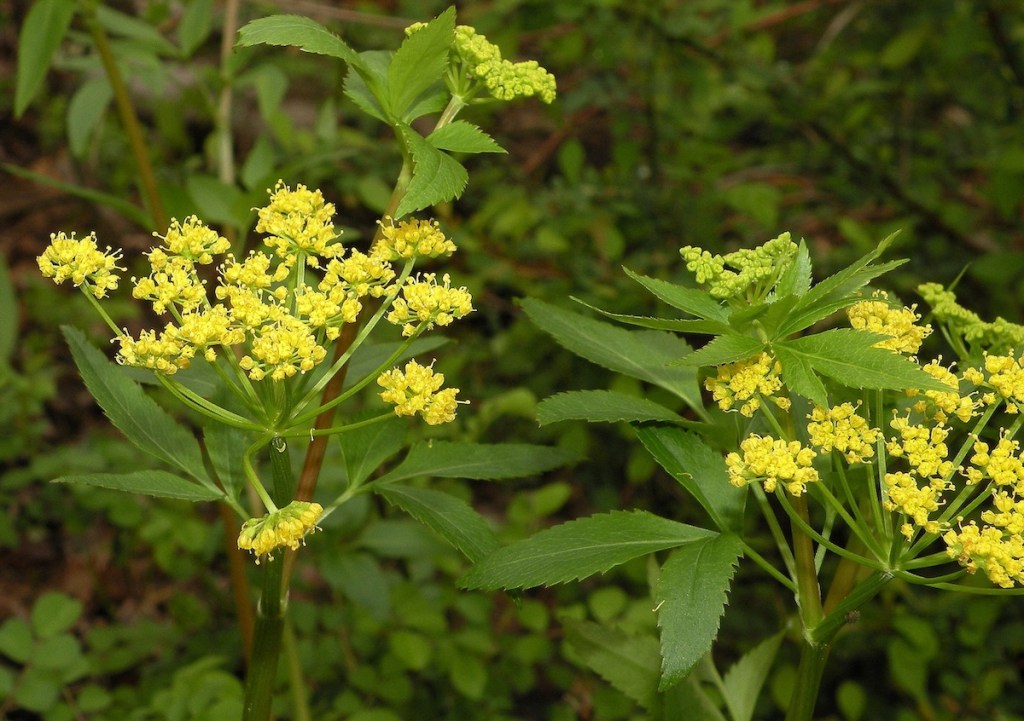
3. Golden Alexander (Zizia aurea)
Sun: Part sun to part shade
Bloom: April-May sometimes into June
Height: 2-3 feet, spreading 1.5-2 feet
Golden Alexander blooms in spring with bright yellow umbels, providing early nectar for butterflies and also serves as a host plant for black swallowtail butterfly caterpillars, making it especially valuable in butterfly gardens.
See also The Best Host Plants for Caterpillars in Zone 8.
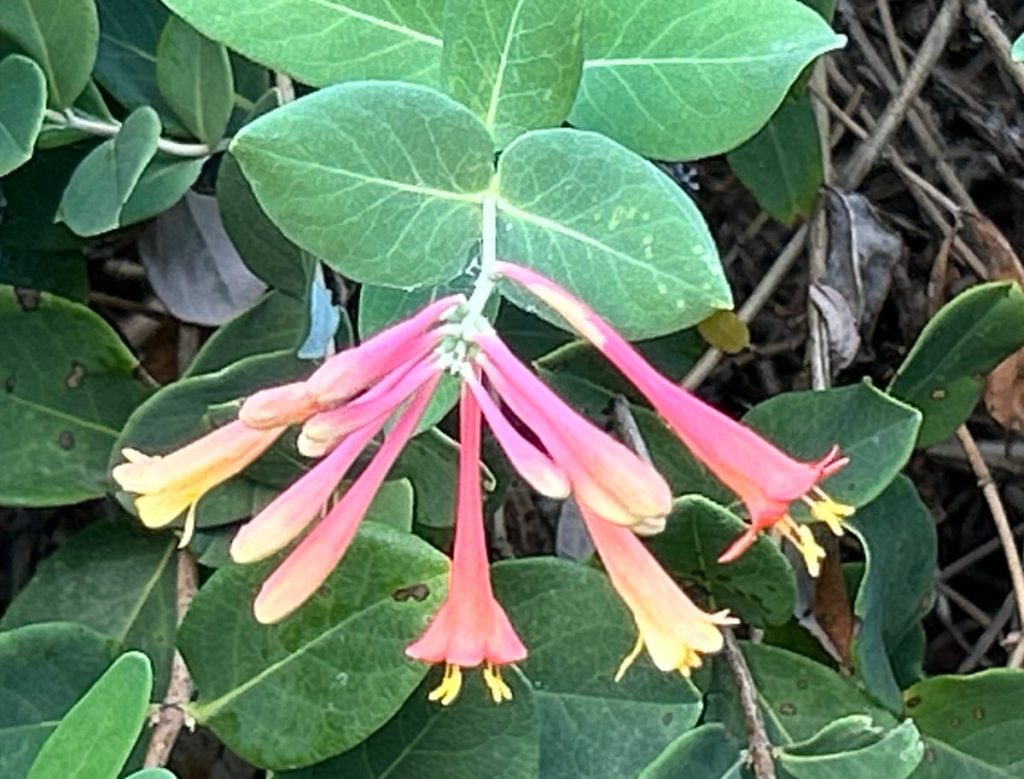
4. Coral honeysuckle vine (Lonicera sempervirens)
Sun: Full to part sun
Bloom: May- July
Height: 6-15 feet but easy to train on a trellis and prune
Nectar value for swallowtails, hummingbirds, and skippers. (Host plant for snowberry clearwing moth, a hummingbird moth that is an active daytime pollinator).
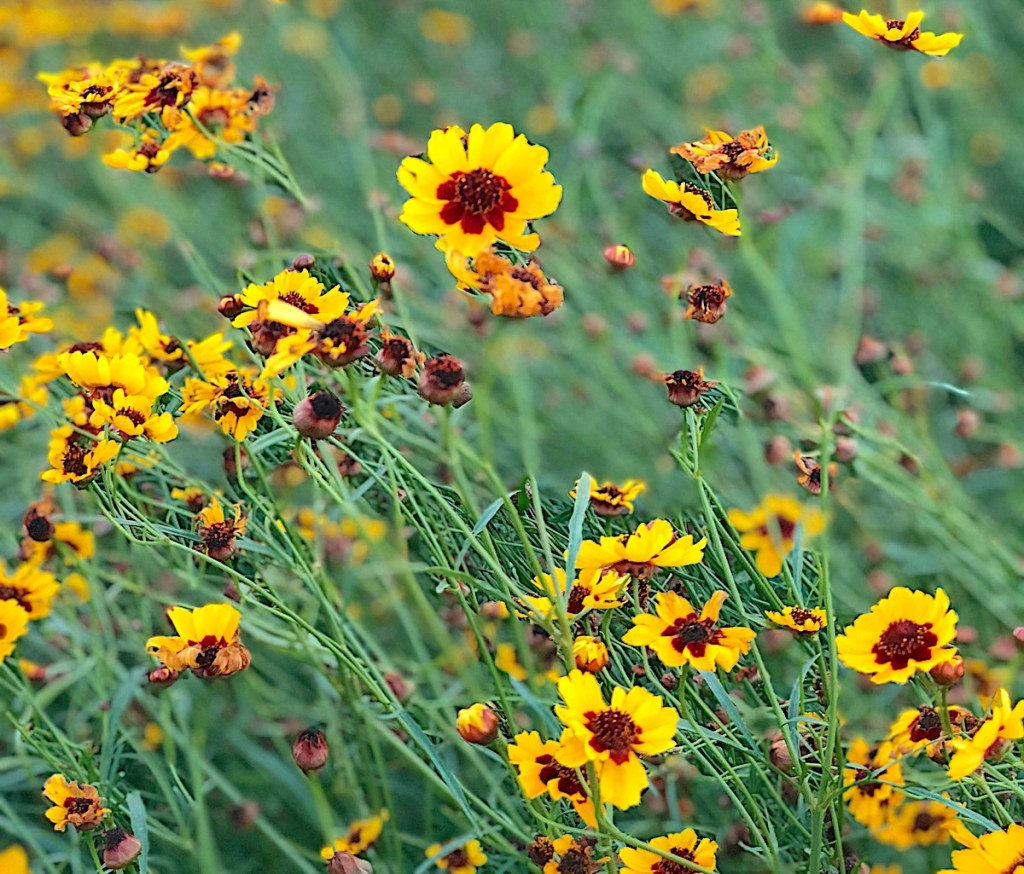
Plains coreopsis, an annual native Texas wildflower, provides a great source of nectar for bees and butterflies.
5. Coreopsis (Lanceleaf & Plains)
Sun: Full sun
Bloom: Late spring–summer
Height: 1–2 feet
Yellow daisy-like flowers that attract butterflies and bees. Very drought-tolerant once established.
Plains coreopsis is a reseeding annual while lanceleaf coreopsis functions as a short-lived perennial with larger flowers. Both make a bright and cheery spring landscape.

6. Indian Blanket (Gaillardia pulchella)
Sun: Full sun
Bloom: March–October
Height: 12–24 inches
Bright red-orange blooms make a garden pop and attract butterflies. A heat-tolerant choice for naturalistic beds or sunny borders.

7. Verbena (Glandularia bipinnatifida)
Sun: Full sun
Bloom: March–June
Height: 6–12 inches
Low-growing, spreading perennial with purple-pink flowers. Excellent nectar source and reseeds easily in Texas gardens.
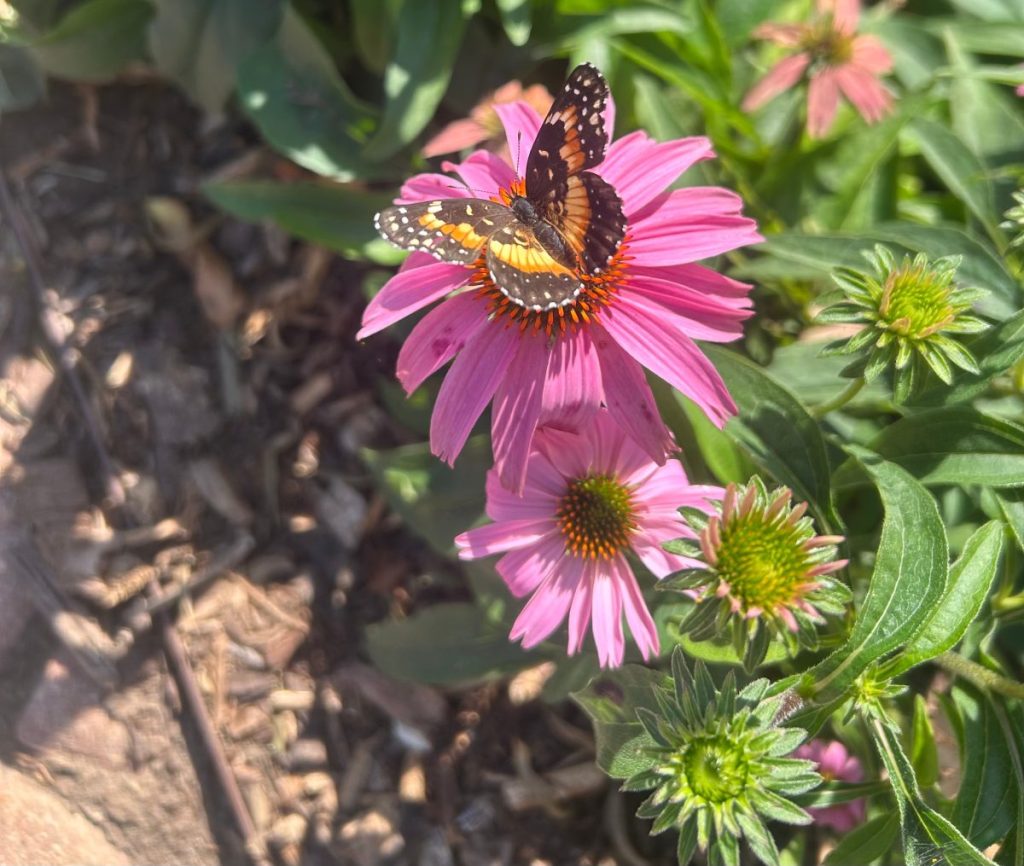
Bordered patch butterflies and many others are drawn to echinaceas for their abundant and accessible nectar.
8. Coneflowers (Echinacea species)
Sun: Full sun
Bloom: Late spring–summer
Height: 2–3 feet
Coneflowers are a butterfly favorite. They tolerate heat, poor soil, and drought, and their seed heads feed birds in late summer and fall.

9. Winecup (Callirhoe involucrata)
Sun: Full sun
Bloom:vApril – June
Height: 6-12 inches, spreading 1-2 feet
Winecup is a low-growing Texas native with vibrant magenta flowers that not only form an attractive groundcover but also provide early-season nectar for bees and butterflies.
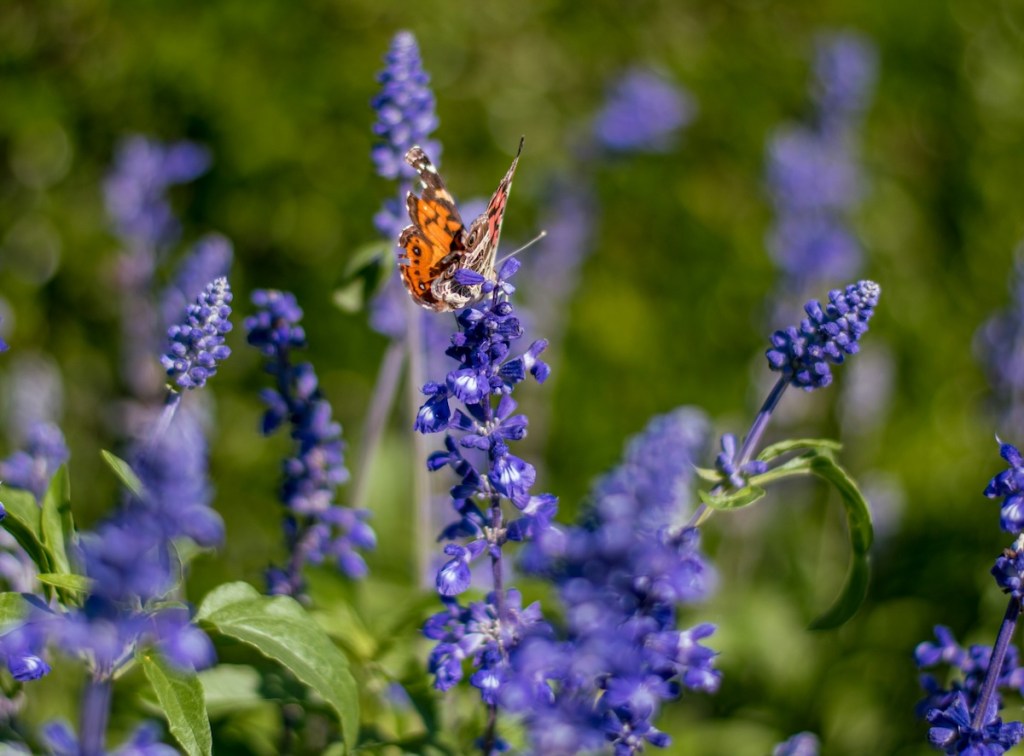
Painted lady butterfly feeding from mealy blue sage also known as Salvia farinacea.
10. Salvia (Native species: greggii, farinacea)
Sun: Full sun
Bloom: March–May
Height: 1–3 feet
Hummingbirds and butterflies love the tubular blooms. Heat and drought tolerant.
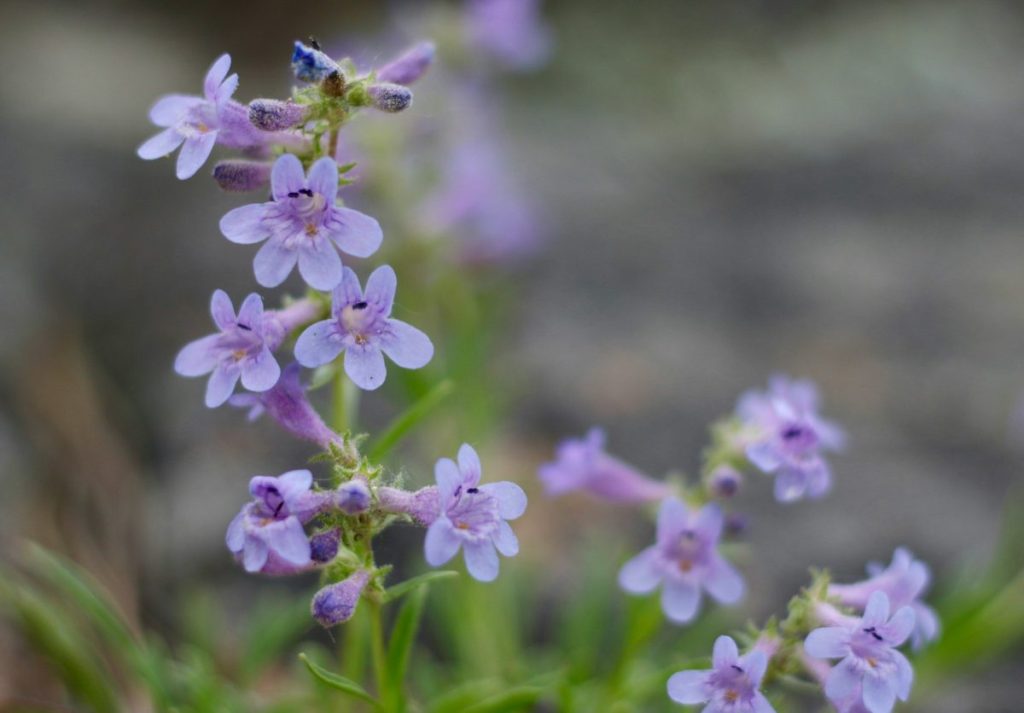
11. Foxglove beardtongue (Penstemon digitalis)
Sun: Full to part sun
Bloom: April-June
Height: 3–5 feet
Tall white or pale purple flower spikes add height and vertical interest to your butterfly garden. Nectar source for multiple species of bees.
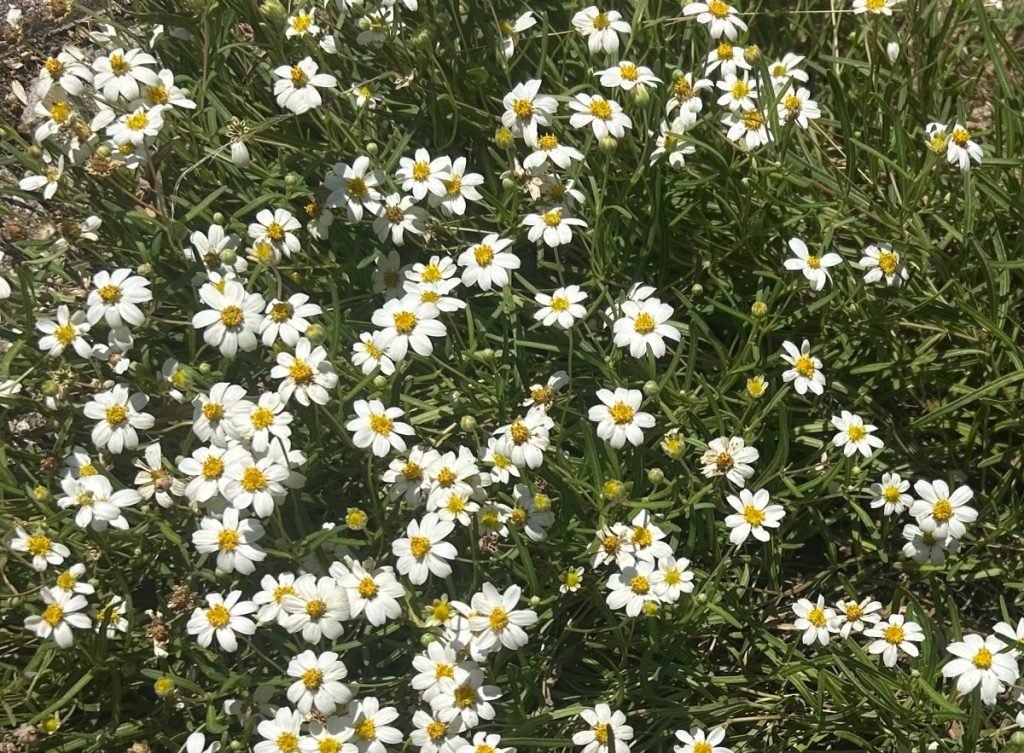
12. Blackfoot Daisy (Melampodium leucanthum)
Sun: Full sun
Bloom: March–November
Height: 6–12 inches
Classic Texas white daisy that’s drought-proof and blooms almost continuously. Great filler and edge plant in butterfly beds.
Tips for Planting Your Spring Butterfly Garden
1. Provide host plants AND nectar sources
Butterflies need both. Milkweeds and other host plants allow caterpillars to survive, while flowering perennials provide adult food.
2. Plant in clusters
Plant at least 3–5 of each species together. Butterflies are attracted to big color blocks, not single plants.
3. Choose sunny locations
Most butterfly plants need 6–8+ hours of sun. Avoid heavy shade.
4. Water sparingly
Texas butterflies are used to heat and drought. Establish plants first, then reduce watering to mimic natural conditions.
5. Avoid pesticides
Butterflies, bees, and other pollinators will thank you. Even “safe” sprays can harm eggs and caterpillars.
6. Stagger bloom times
Mix early, mid, and late spring bloomers to keep your garden active as butterflies emerge.
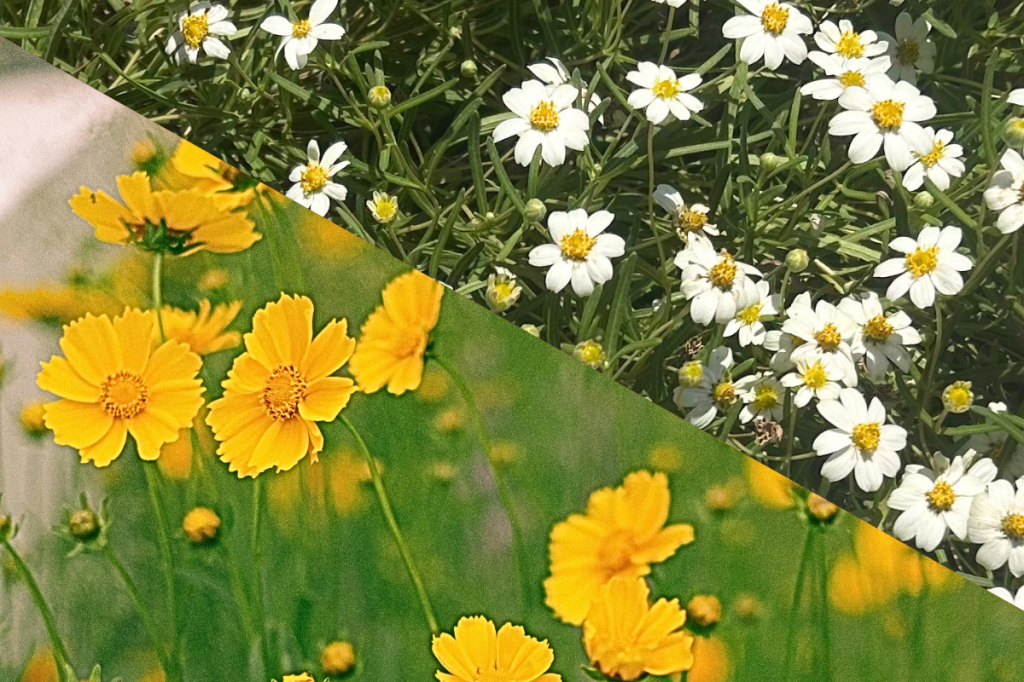
Combining coreopsis flowers and Blackfoot daisies pair well together for an attractive garden layout.
Creating a Colorful Butterfly Garden
For maximum attraction and aesthetics:
• Red + orange: Indian Blanket + Lantana
• Purple + blue: Verbena + Salvia
• Yellow + white: Coreopsis + Blackfoot Daisy (shown above)
Plant in drifts and clusters, and leave some bare soil patches for egg-laying.
Where to Plant These Flowers
• Front yard borders
• Butterfly patios or container gardens
• Naturalized meadows
• Rock gardens and xeriscapes
• Pollinator garden beds
Even a small yard can support dozens of butterflies with careful planning.
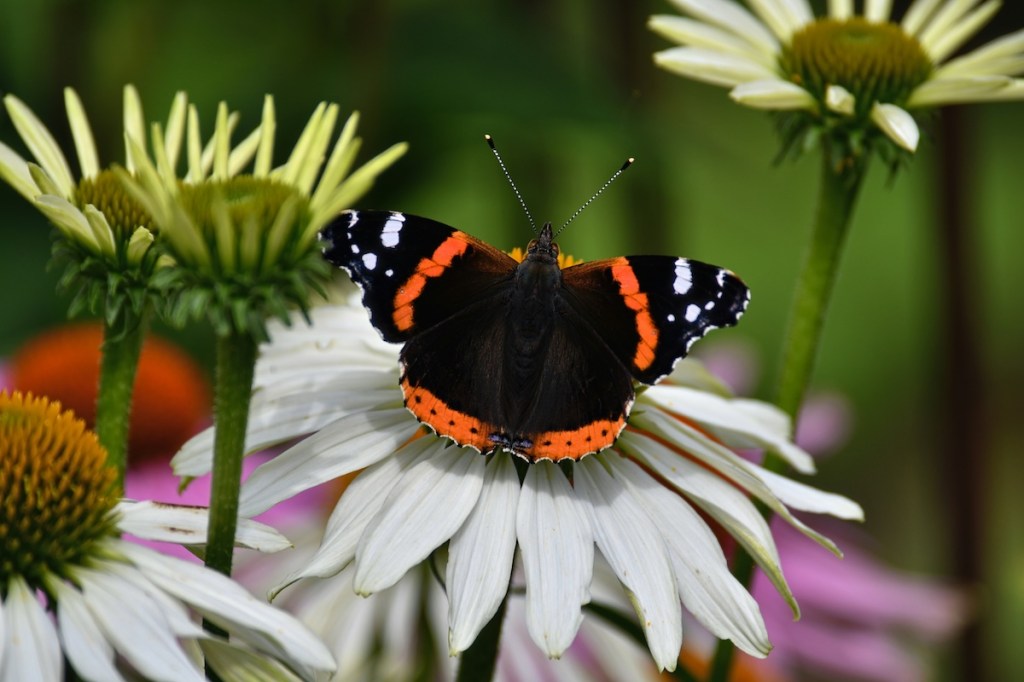
Red admiral butterfly feeding on nectar from white and purple coneflowers (echinacea purpurea).
Build a Texas Butterfly Garden That Lasts
Texas butterfly gardening isn’t just a hobby — it is an act of stewardship. By planting native spring bloomers like milkweed, Blackfoot Daisy, and Lantana, you provide essential food, shelter, and beauty in your yard.
A well-planned butterfly garden thrives with minimal maintenance, gives year-after-year enjoyment, and supports the fragile populations of monarchs, swallowtails, and Gulf fritillaries.
If you are planning or planting this season, the Butterfly Garden Cheat Sheet can help you check that the basic habitat pieces are in place.
Related Guides:
The Complete Guide to Butterfly Gardening: How to Attract, Feed, and Protect Butterflies All Year
Spring Plants for Full Sun in Texas (Heat-Proof Picks)
Top Nectar Plants for Butterflies by Season
Photo credits: Cover pearl crescent on coreopsis – Joshua J. Cotten, monarch on whorled milkweed & painted lady on blue sage – Jeffrey Hamilton, wild blue phlox – Julia Filirovska, golden alexander – Doug McGrady from Warwick, RI, USA, CC BY 2.0 , via Wikimedia Commons, plains coreopsis – Ninz Embalsado, prairie penstemon – Ivan Evans, lanceleaf coreopsis – Ivan S
 Butterfly garden paradise
Leave a comment