
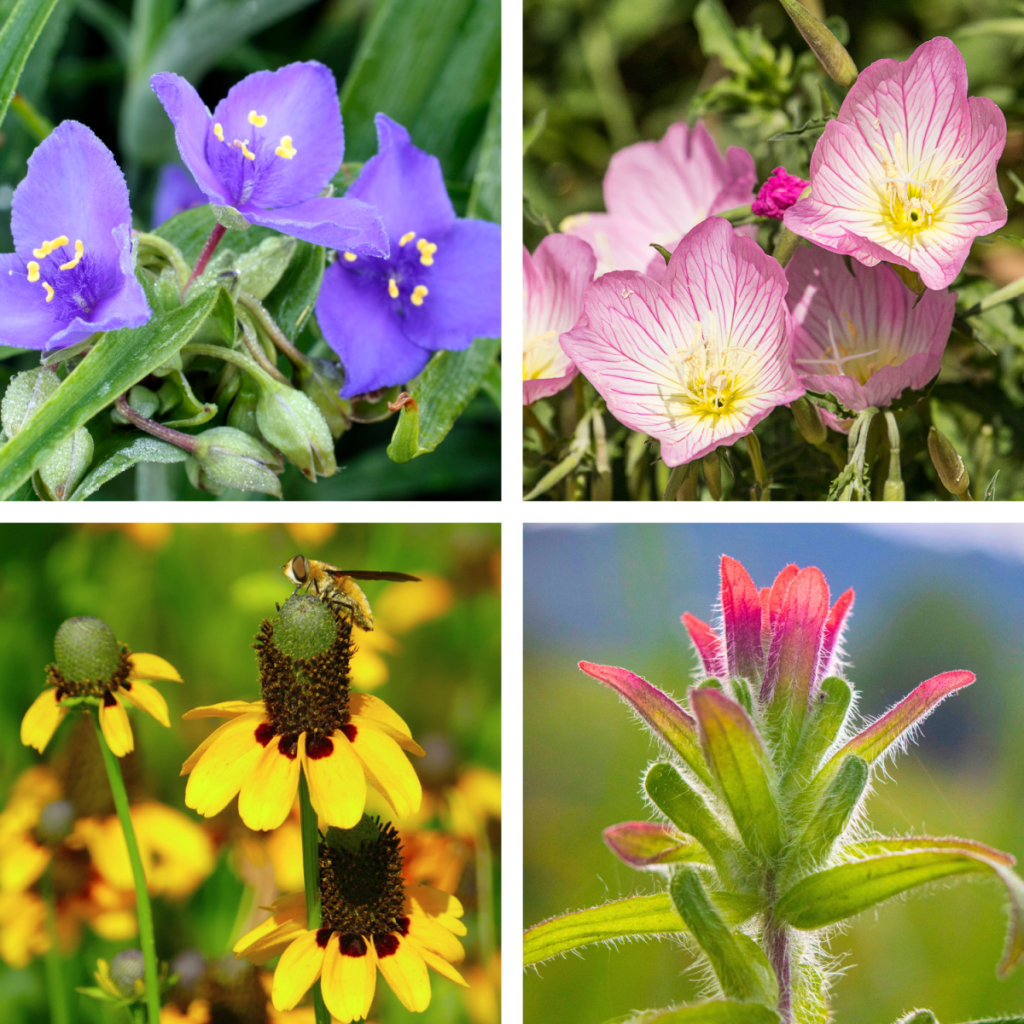
The Ultimate Texas Native Plant List for March–May Color
Spring in Texas is loud — in the best way.
Wildflowers erupt along highways, bees finally reappear, and gardens wake up almost overnight. If you want a landscape that thrives without constant watering, attracts pollinators, and actually looks better year after year, then planting Texas native spring bloomers is the smartest choice you can make.
This guide covers the best Texas native flowers that bloom in spring (especially for Zone 8 and North/Central Texas). You will find easy, heat-tolerant, drought-proof plants that require almost no maintenance once established. Whether you want bold color, butterfly habitat, or low-care landscaping, this list gives you everything you need to create a stunning Texas-tough garden.
Why Plant Texas Natives for Spring Color?
Native plants are the quiet heroes of Texas gardening:
✔ Thrive in heat and drought
✔ Return every year (true perennials or heavy reseeders)
✔ Support local pollinators and butterflies
✔ Require little to no irrigation after the first season
✔ Resist most pests and diseases
✔ Fit naturally into Texas landscapes
If you want a garden that practically runs itself, native flowers are the backbone.
Best Texas Native Flowers That Bloom in Spring
Below are the most reliable, beautiful, beginner-friendly native flowers for Texas spring gardens.
Each listing includes sun requirements, bloom time, height, and why it’s great.
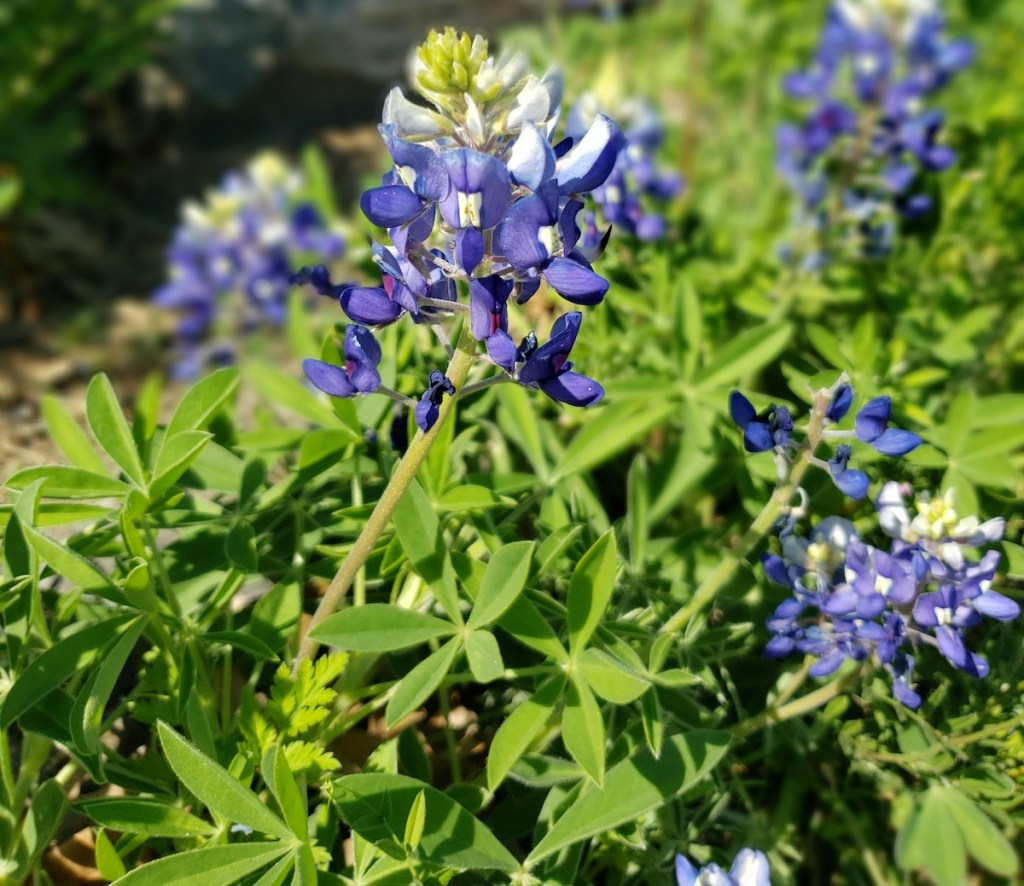
1. Bluebonnet (Lupinus texensis)
Sun: Full sun
Bloom: March–April
Height: 12–18”
The Texas classic. Bluebonnets seed themselves easily, pull in bees, and create that iconic spring look. Perfect for naturalized areas, meadows, borders, or low-maintenance beds.
Why Plant It:
Zero irrigation needed after establishment, thrives in tough soil, and pairs beautifully with yellow or red spring natives.
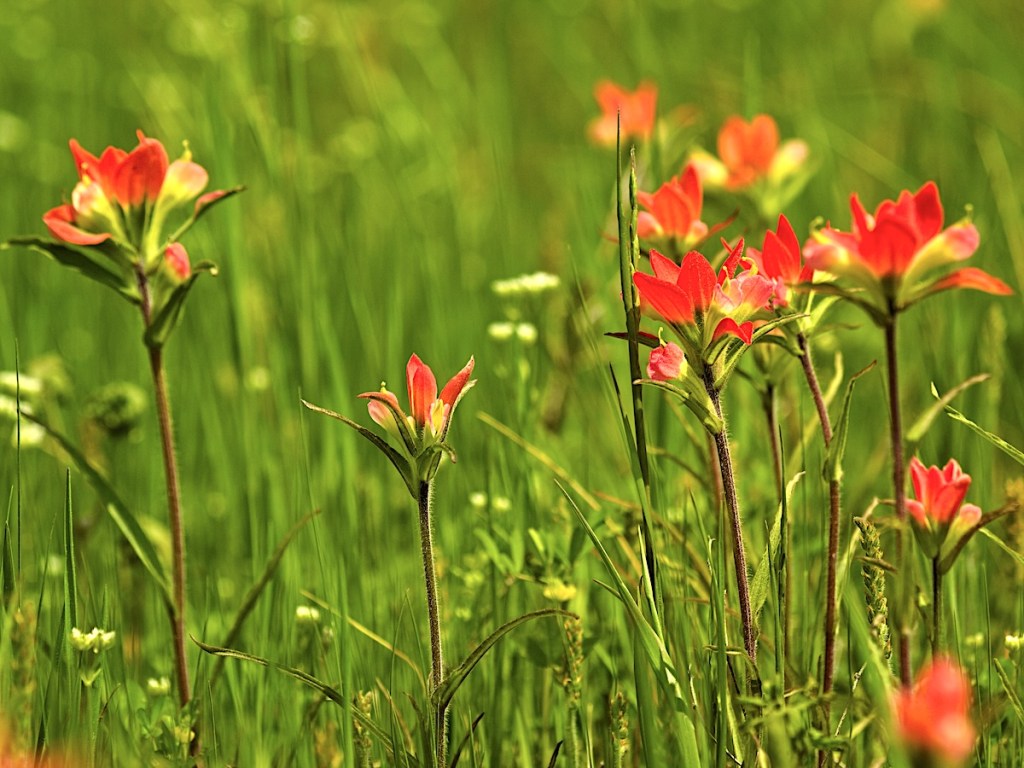
2. Indian Paintbrush (Castilleja indivisa)
Sun: Full sun
Bloom: March–May
Height: 12–18”
Bold red-orange bracts that glow in early spring. Often seen mixed with bluebonnets on roadsides.
Why Plant It:
Provides early-season nectar and creates unforgettable color combinations.
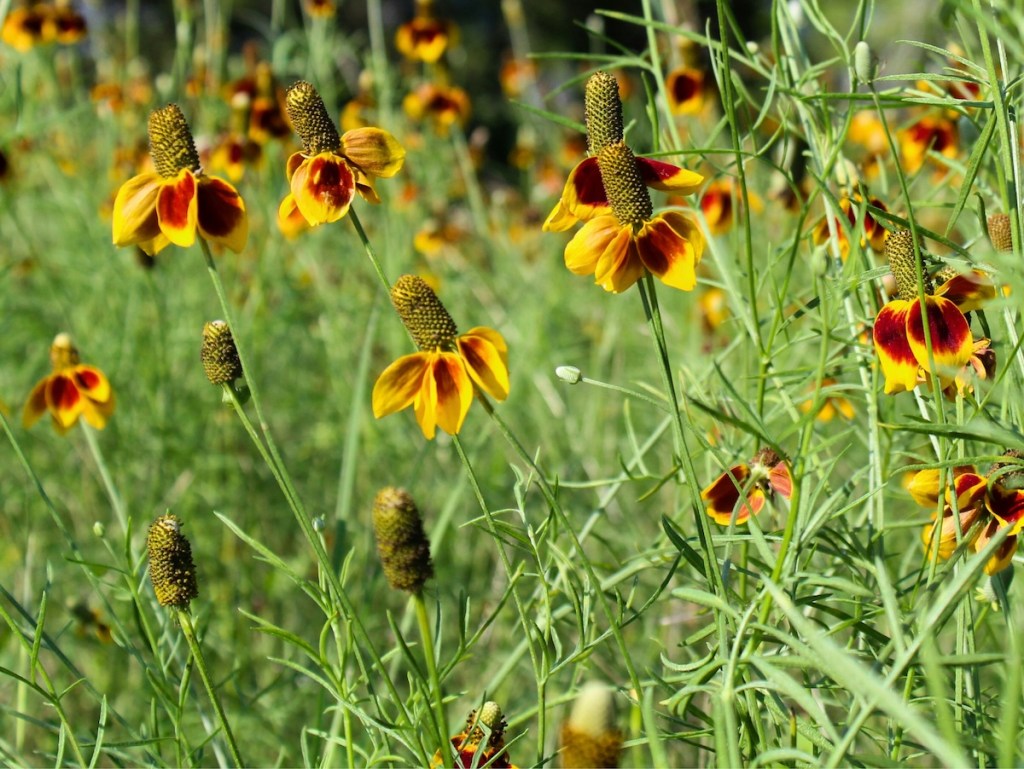
3. Mexican Hat (Ratibida columnifera)
Sun: Full sun
Bloom: April–August
Height: 18–24”
A classic prairie wildflower with drooping petals and a tall central cone. Very drought-tough.
Why Plant It:
Blooms a long time and reseeds politely without taking over.

4. Prairie Verbena (Glandularia bipinnatifida)
Sun: Full sun to part sun
Bloom: February–June
Height: 6–12”
One of the earliest and longest bloomers. Forms low purple carpets that spread gently.
Why Plant It:
Attracts butterflies and fills empty spaces between larger perennials.
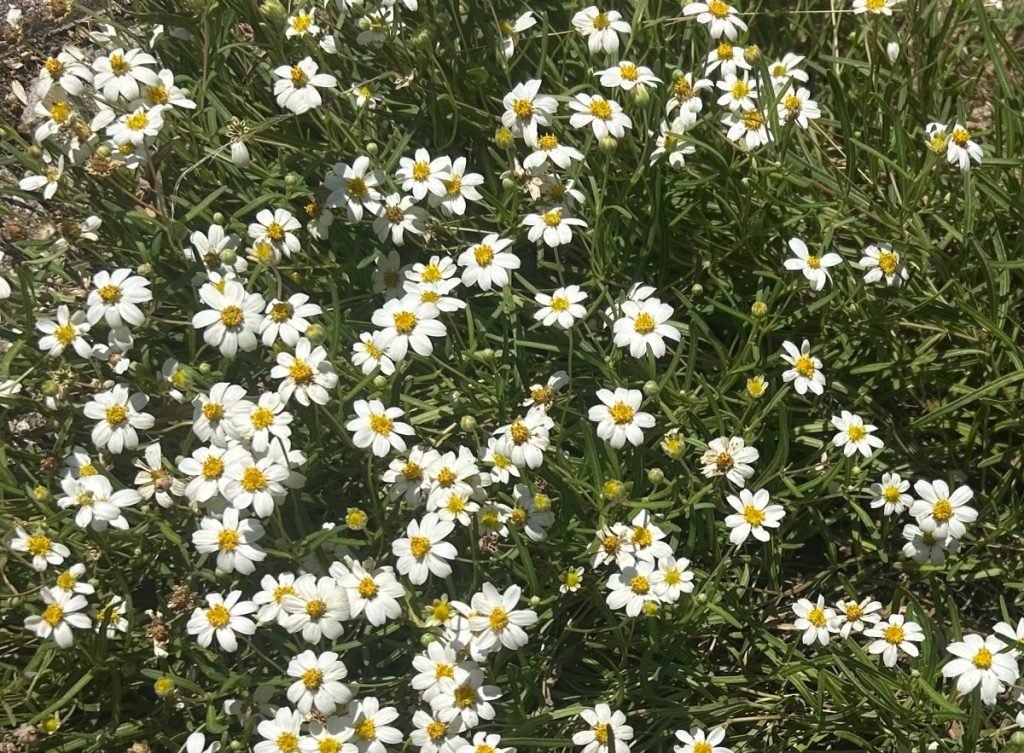
5. Blackfoot Daisy (Melampodium leucanthum)
Sun: Full sun
Bloom: March–November
Height: 6–12”
Small white daisies on a tidy evergreen mound. Smells sweet like honey.
Why Plant It:
Loves hot, rocky, poor soil — thrives where others struggle.
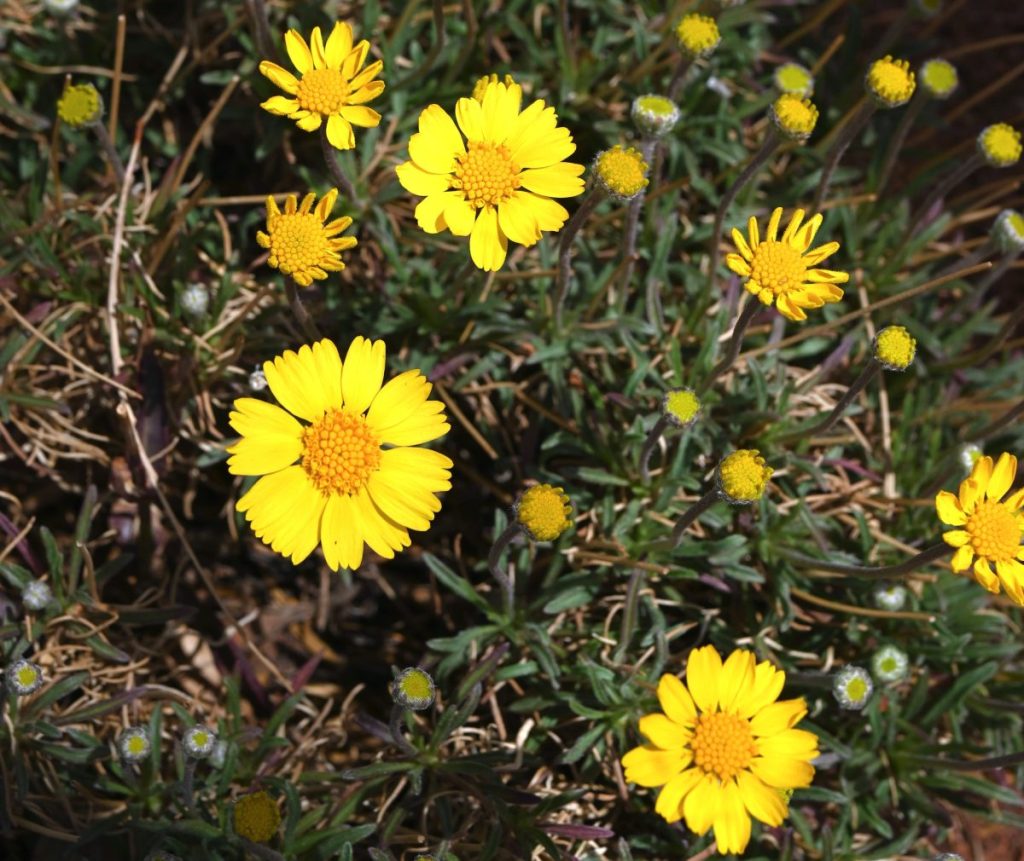
6. Four-nerve Daisy (Tetraneuris scaposa)
Sun: Full sun
Bloom: March–June (and often again in fall)
Height: 6–12”
Cheerful golden daisies with distinctive “four veins” on each petal.
Why Plant It:
Ideal for xeriscapes, low borders, or wildflower mixes.
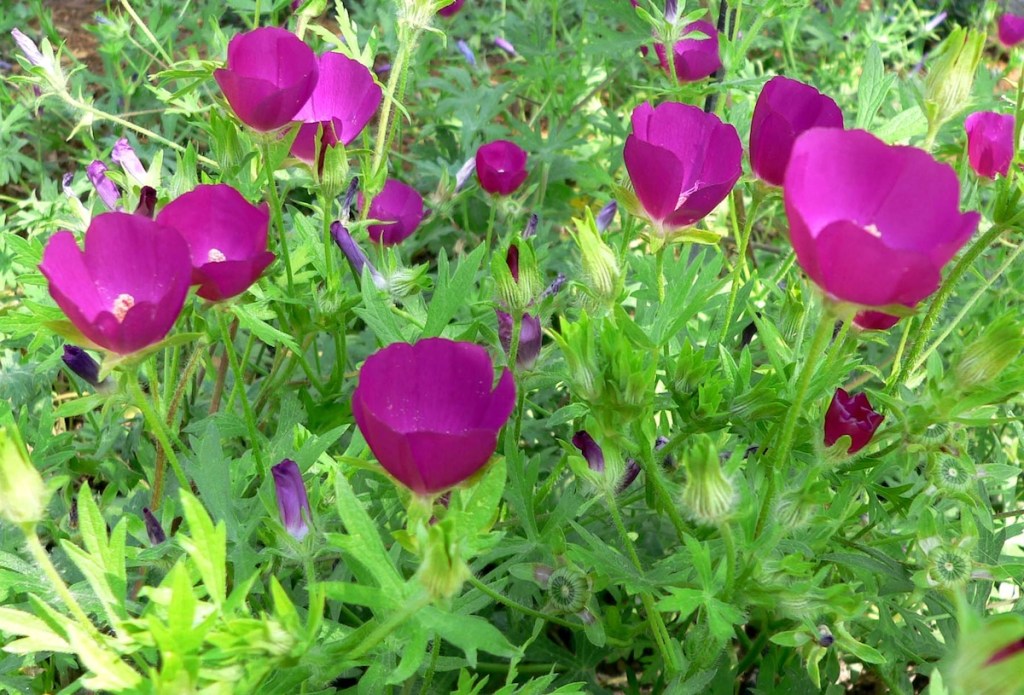
7. Winecup (Callirhoe involucrata)
Sun: Full sun or part sun
Bloom: March–June
Height: Low spreading groundcover
Magenta-purple flowers that bloom in waves across spring. Incredibly tough.
Why Plant It:
Drought-proof and stunning with yellow and white natives.
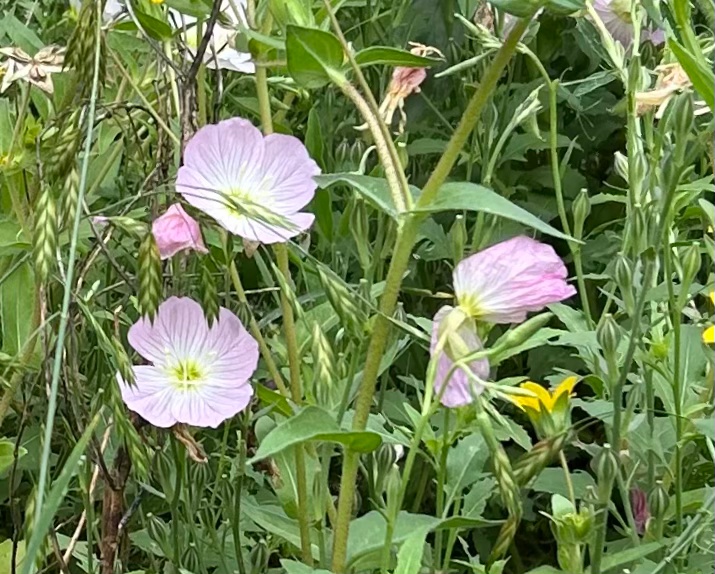
8. Pink Evening Primrose (Oenothera speciosa)
Sun: Full sun
Bloom: March–May
Height: 6–24”
Soft pink blooms that spread into drifts. Becomes a blanket of pink in early spring.
Why Plant It:
Beautiful mass-planted and can handle total neglect.
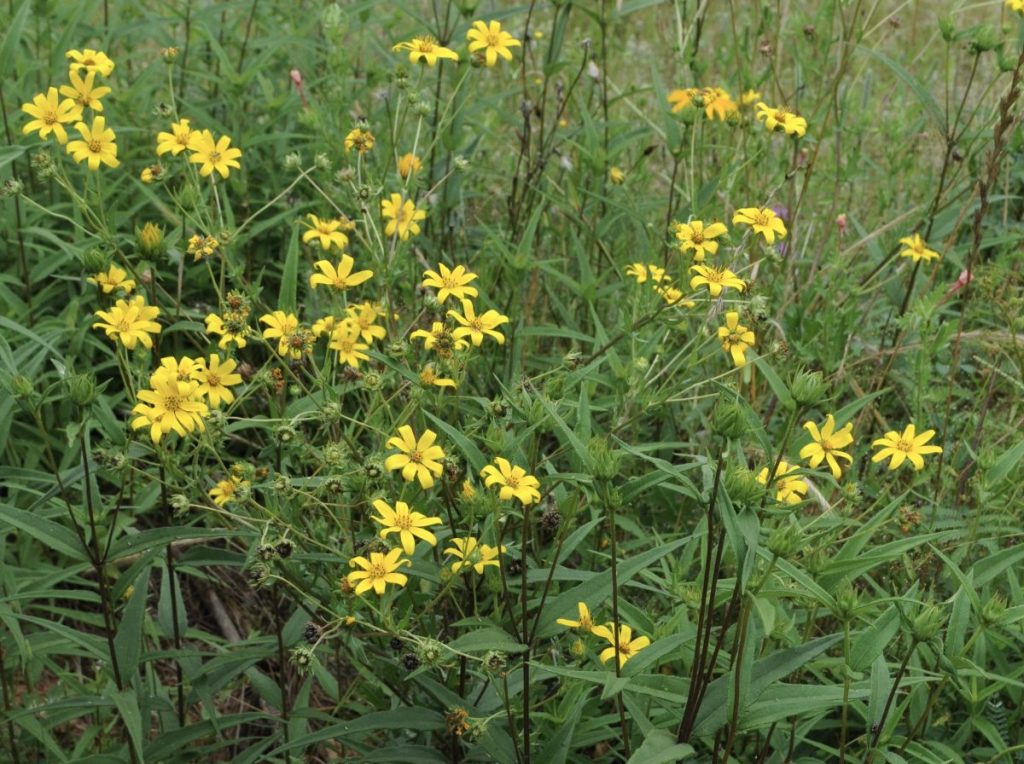
9. Engelmann Daisy (Engelmannia peristenia)
Sun: Full sun
Bloom: April–July
Height: 18–24”
Frilly yellow petals and fern-like foliage.
Why Plant It:
Extremely heat and drought tolerant — thrives in harsh urban or country soil.
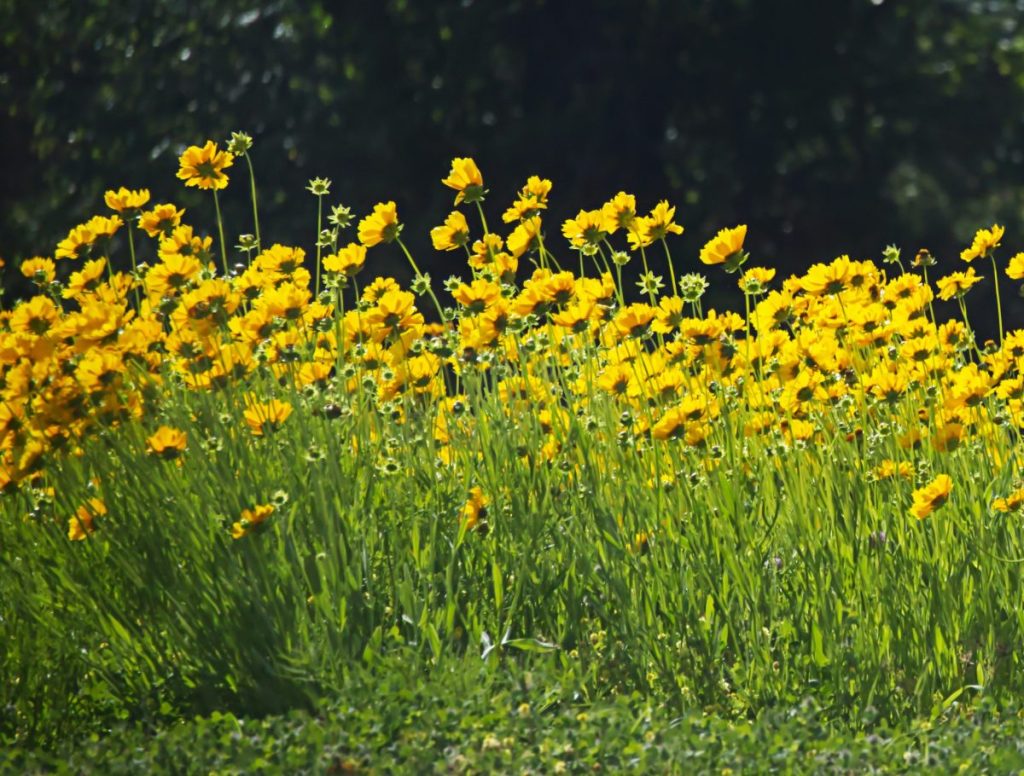
10. Lanceleaf Coreopsis (Coreopsis lanceolata)
Sun: Full sun
Bloom: April–June
Height: 12–24”
Bright yellow daisies with a tidy growth habit.
Why Plant It:
Great early-season pollinator plant and easy for beginners.
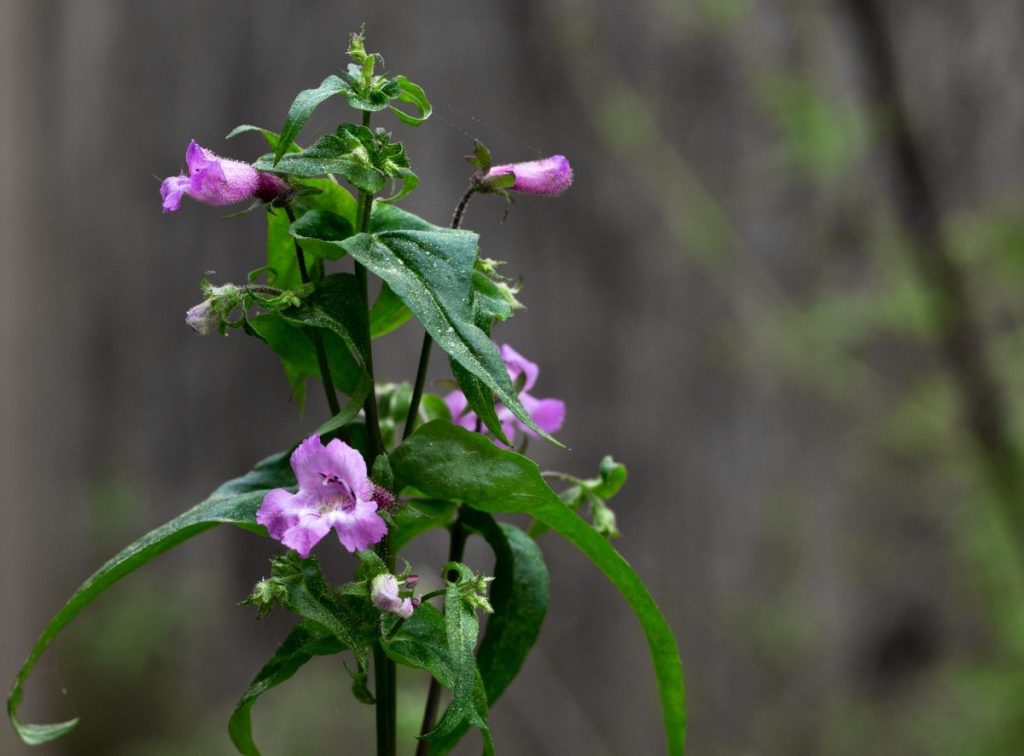
11. Gulf Coast Penstemon (Penstemon tenuis)
Sun: Full sun to part shade
Bloom: March–May
Height: 18–30”
Soft pink-lavender spikes that hummingbirds adore.
Why Plant It:
Perfect for cottage-style gardens and naturalized meadows.
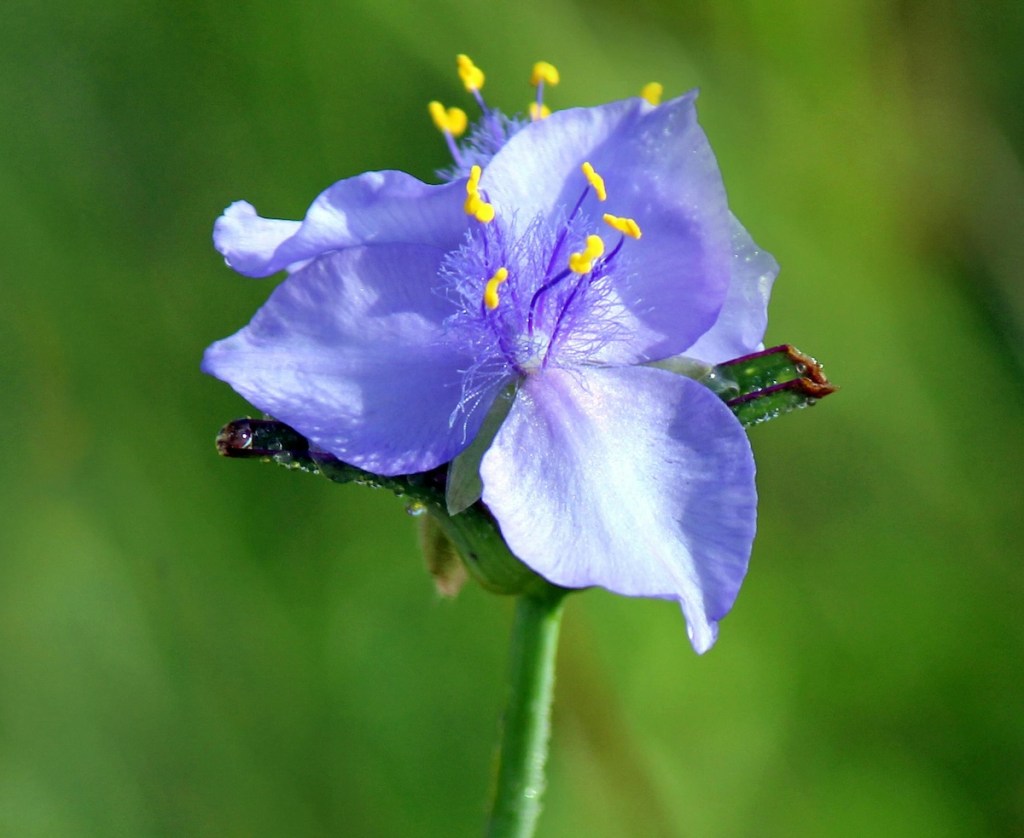
12. Texas Spiderwort (Tradescantia occidentalis)
Sun: Part sun to bright shade
Bloom: February–May
Height: 12–24”
Three-petaled purple blooms that open in the morning.
Why Plant It:
A shade-tolerant native (rare for Texas!) and an early-season pollinator source.
How to Grow Spring-Blooming Texas Natives Successfully
1. Plant in Fall or Early Spring
Fall is ideal for establishing roots before heat arrives.
Spring works too — especially for containers.
2. Choose Full Sun for Most Natives
Most Texas wildflowers want 6–10 hours of direct sun, especially:
• Bluebonnet
• Paintbrush
• Coreopsis
• Mexican Hat
• Blackfoot Daisy
Shadier spots? Choose Spiderwort or Gulf Coast Penstemon.
3. Go Easy on the Water
These plants prefer drier soil once established. Too much water weakens their root systems.
4. Do Not Fertilize
Fertilizer leads to floppy growth and fewer blooms. Native plants evolved for lean Texas soil.
5. Allow Reseeding
Most spring natives return through seeds. Don’t mulch heavily around them — give them room to drop seeds and grow naturally.
Best Color Combinations for Spring
To create that “Texas highway” look:
• Blue & Yellow:
Bluebonnet + Coreopsis
• Pink & Purple:
Winecup + Prairie Verbena
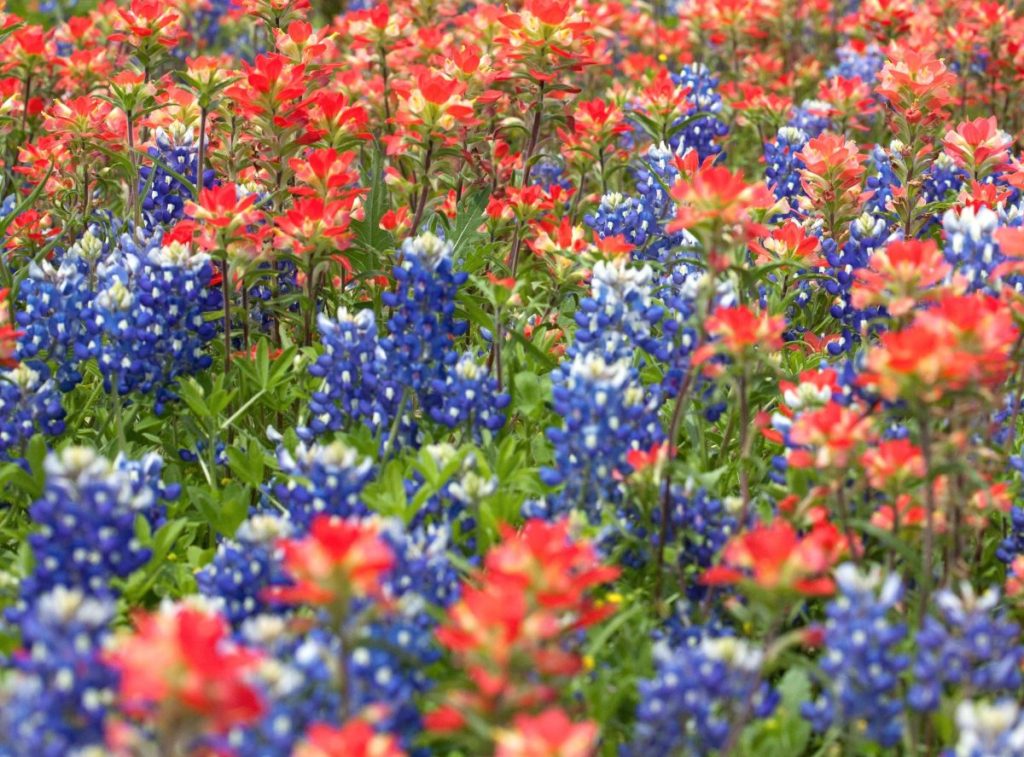
• Red & Blue:
Indian Paintbrush + Bluebonnet (shown above)
• White & Magenta:
Blackfoot Daisy + Winecup
These combinations photograph beautifully and look natural.
Where to Use These Flowers
• Wildflower meadows
• Front yard native beds
• Pollinator gardens
• Along fences or driveways
• Rock gardens
• Low-irrigation landscapes
• Naturalistic cottage gardens
They fit every style because they belong here.
Build a Texas-Smart Garden That Works With Nature
Spring-blooming Texas natives make gardening easier, cheaper, and more beautiful. They’re tough enough for drought, gentle on pollinators, and stunning when planted together.
If you want a garden that actually gets easier every year, these natives are your foundational plants.
If you are planning or planting this season, the Butterfly Garden Cheat Sheet can help you check that the basic habitat pieces are in place.
Related Guides:
How to Start a Garden from Scratch
Spring Plants for Full Sun in Texas (Heat-Proof Picks)
12 Best Spring Plants for Texas Butterfly Gardens
Photo credits: Texas bluebonnets – Ariel Romell, Indian paintbrush – Chasity Campbell, Mexican hats – Hannah Janssen,
Four nerve daisy – Krzysztof Ziarnek, Kenraiz, CC BY-SA 4.0, via Wikimedia Commons, Winecups – Stan Shebs, CC BY-SA 3.0 , via Wikimedia Commons, Engelmann’s daisy – sonnia hill, CC BY 2.0, via Wikimedia Commons, Coreopsis – Jacob McGowan, Gulf coast penstemon – Catsincaves, CC BY 4.0 , via Wikimedia Commons, Texas spiderwort – Reagan Ross, Bluebonnet and Indian paintbrush – Lawrence Schaefer
 Butterfly garden paradise
Leave a comment