
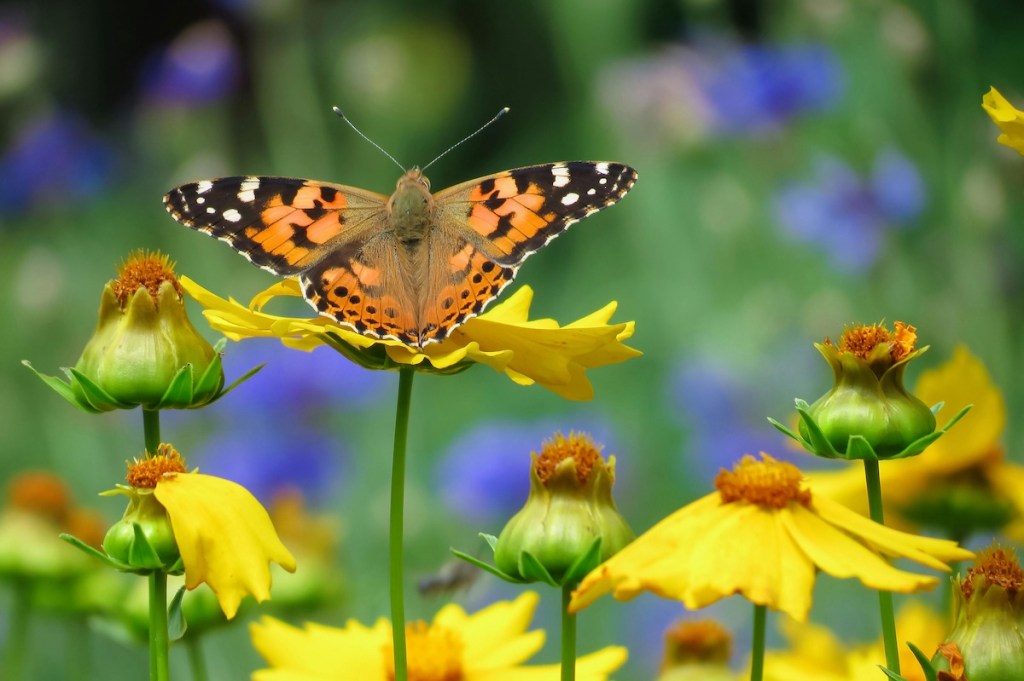
(Cover photo showing painted lady butterfly on coreopsis flowers in spring).
Spring comes fast in Texas — sometimes overnight — which means the best time to prepare your butterfly garden is actually late winter through early spring (January–March). By the time daytime temps hit the 70s, you’ll already see bees waking up, overwintering butterflies returning, and swallowtails scouting for host plants.
If you want a thriving butterfly garden this spring, here is the exact step-by-step setup that works best for Texas Zone 8, including what to plant earliest, how to arrange your beds, and how to prevent your plants from getting scorched once the heat sets in.
1. Pick the Right Location (Texas Sun = Intense Sun)
Texas sunlight can be intense, especially after April. You want at least 6 hours of sun, but not 12 hours of blazing heat.
Ideal Butterfly Garden Placement in Zone 8:
• Morning sun + afternoon shade is perfect
• South or east-facing beds are best
• Against a fence, house, or structure that provides wind protection
• Avoid low spots where heavy spring rain puddles
Butterflies need warmth to fly, but your plants need protection from the April–September heat. If you only have full-sun areas, plan to use:
• mulch
• shade cloth for late summer
• taller plants to create natural shade layers
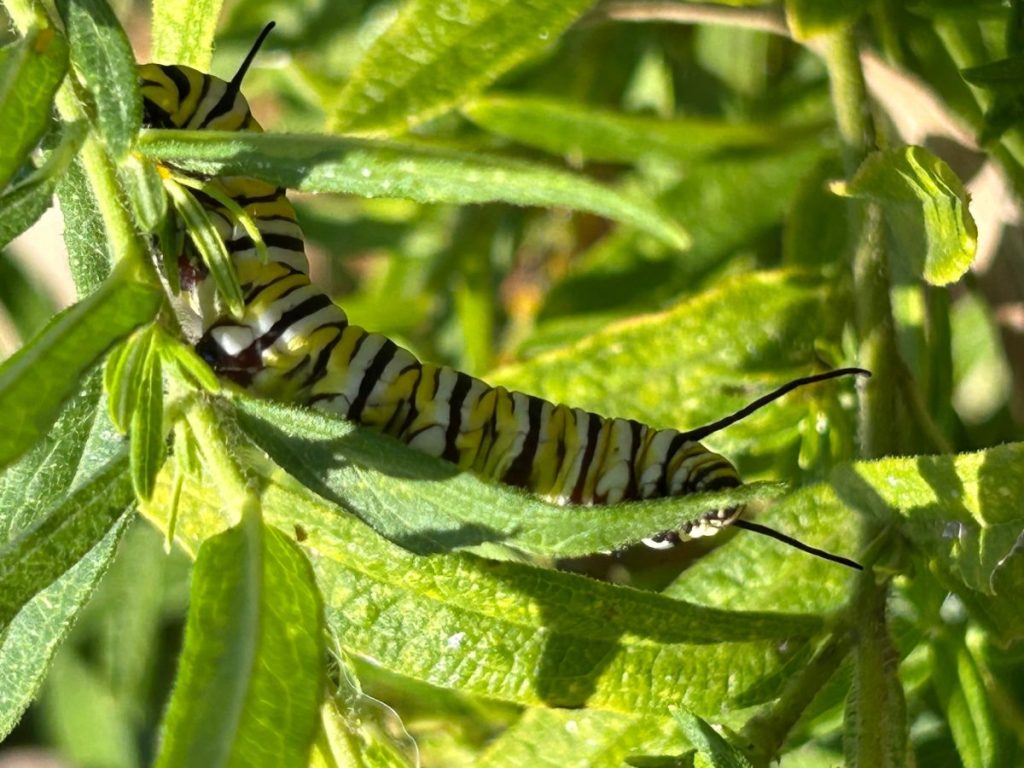
A well hidden monarch butterfly caterpillar feeding on milkweed in a partially shaded area.
2. Start With the Host Plants (These Must Go In Early)
Butterflies only lay eggs on specific host plants. Without them, nectar flowers alone won’t attract as many visitors.
Top Texas Host Plants to Plant Before March:
For Black Swallowtails:
• Bronze fennel
• Dill
• Parsley
• Cilantro
• Prairie parsley
For Monarchs and Queens:
• Texas native milkweeds (antelope horn, zizotes, green milkweed, butterfly weed)
See Texas Native Milkweed: The Best Species to Plant for Monarchs (Zone 8 Guide)
For Gulf Fritillaries:
• Passionvine (Passiflora incarnata, P. foetida, or P. lutea — not the tropical ornamental varieties)
For Giant Swallowtails:
• Citrus trees (lemon, lime, orange, kumquat, and others)
For Painted Ladies:
• Sunflowers (helianthus spp.)
• Globe mallows & hollyhocks (malvaceae family)
• Thistles such as Texas & Engelmann’s (Cirsium texanum, engelmannii), its preferred host
Why Host Plants Go In First
Female butterflies begin scouting in February on warm days. If you wait until April to plant host plants, you’ll miss early egg-laying.
For more host plant options see The Best Host Plants for Caterpillars in Zone 8.
3. Add Nectar Plants That Bloom Early
Most Texas gardens don’t start blooming until late March — but butterflies start flying earlier.
To attract spring butterflies, plant early bloomers that handle cold snaps.
Best Early-Spring Nectar Plants for Texas:
• Lantana (comes back early in warm springs)
• Salvia greggii
• Autumn sage
• Stock
• Alyssum
• Verbena
• Gaillardia
• Yarrow
• Coreopsis
• Penstemon
• Prairie verbena
• Phlox
These will feed the earliest butterflies: monarchs, queens, painted ladies, red admirals, and swallowtails waking from chrysalis.
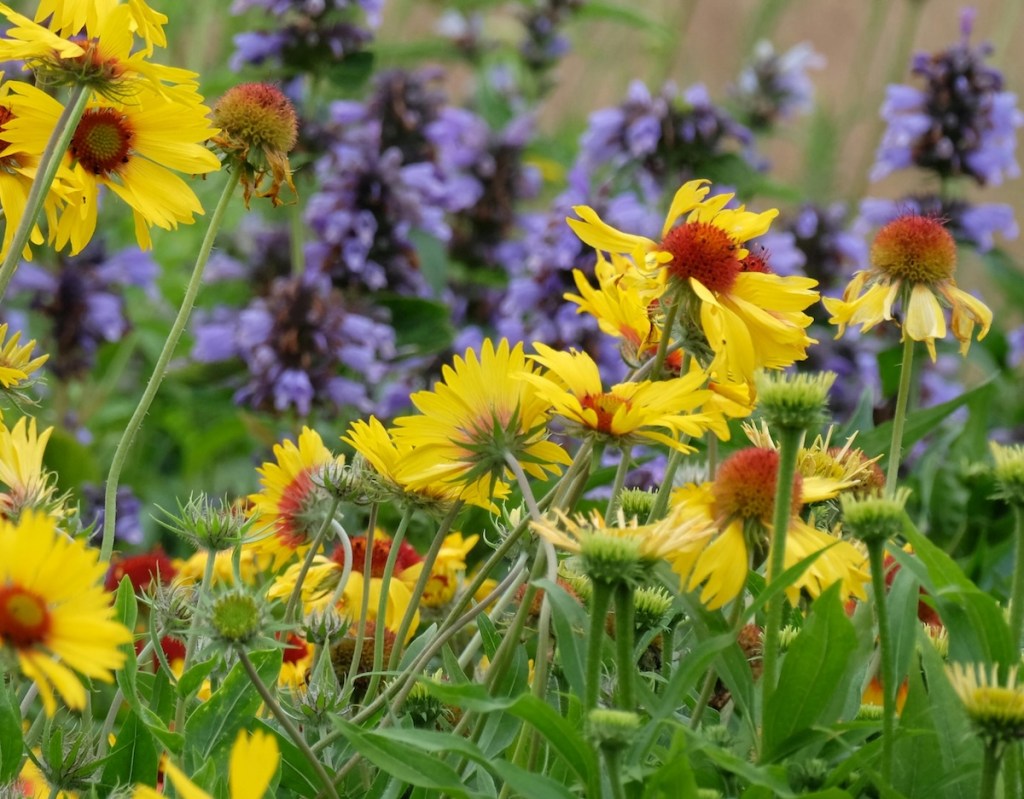
Yellow gaillardia flowers in front of agastache in a layered garden.
4. Build a Layered Garden Structure (Butterflies Need Height + Shelter)
A good butterfly garden isn’t flat — it has height layers because butterflies feel safer when they can land, rest, and hide from predators.
Texas-Friendly Structure:
• Tall layer (3–6 ft): fennel, passionvine trellises, milkweed stems, salvias
• Medium layer (1–3 ft): lantana, verbena, coreopsis, gaillardia
• Low layer (<1 ft): alyssum, creeping thyme, phlox
Butterflies Use:
• tall plants for perching
• mid-layer flowers for feeding
• low plants for warmth and resting
This layered structure also protects your plants from sun scorch later in the season.
5. Use Native + Heat-Tolerant Plants for Summer Survival
Texas butterflies can easily handle heat… your plants can’t. Plan ahead by including tough natives that won’t melt when it’s 102° in May.
Must-Have Heat-Proof Nectar Plants:
• Lantana
• Gregg’s mistflower (queen & monarch magnet)
• Frostweed
• Turk’s cap
• Texas sage
• Flame acanthus
• Coneflower
• Zinnias (heat champions)
• Cosmos
• Black-eyed Susan
• Mexican sunflower (Tithonia)
Plant them early so they’re well-established before summer hits.
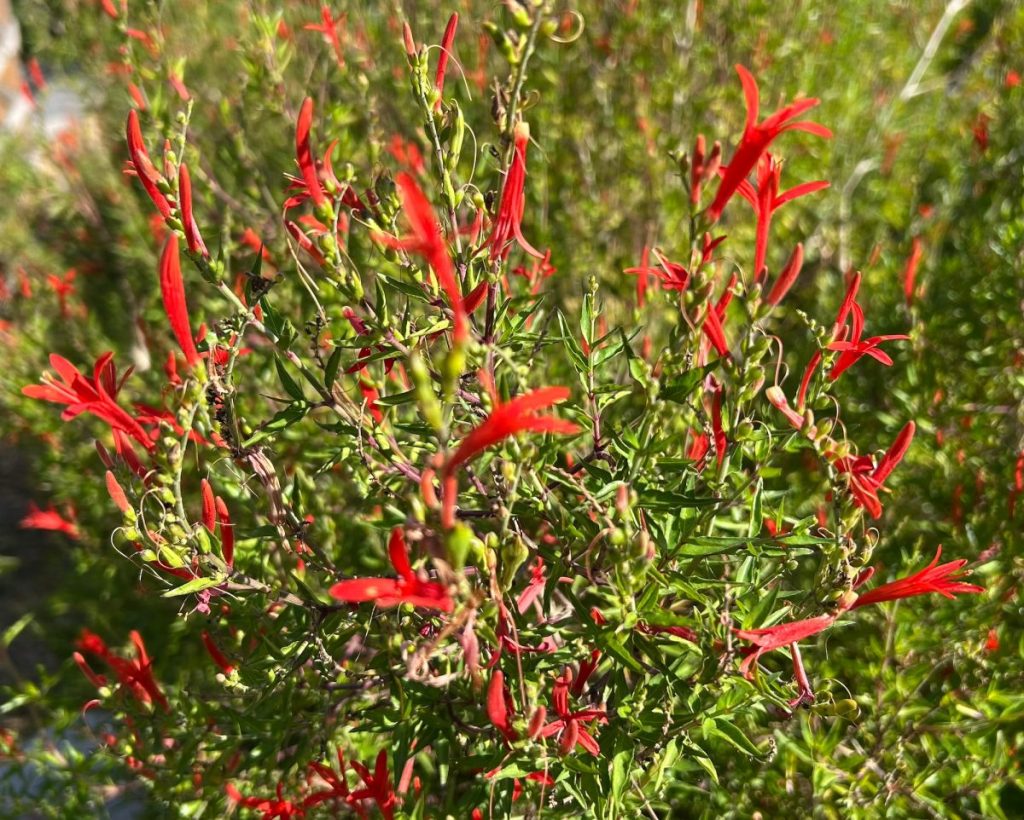
Flame acanthus, a drought and heat tolerant flowering shrub for hummingbirds and butterflies.
6. Add Water — Butterflies Need Moisture to Survive
Texas is dry, and butterflies dehydrate fast. Add:
A Simple Butterfly Water Station (“Puddler”):
• Shallow dish or saucer
• Fill with sand
• Keep sand damp
• Add a few smooth rocks for landing spots
(See the full guide to making your own DIY Butterfly Puddler).
Butterflies Also Drink From:
• damp mulch
• dripping hose areas
• wet gravel spots
Butterflies drink minerals from damp soil — not open water.
7. Mulch, But Leave Some Bare Ground
Mulch helps plants survive the heat. Use:
• Shredded hardwood
• Pine straw
• Native leaf mulch
• Cedar mulch (repels pests)
BUT leave some bare patches of soil. Butterflies warm themselves on bare ground on cool mornings. It also helps native solitary bees.
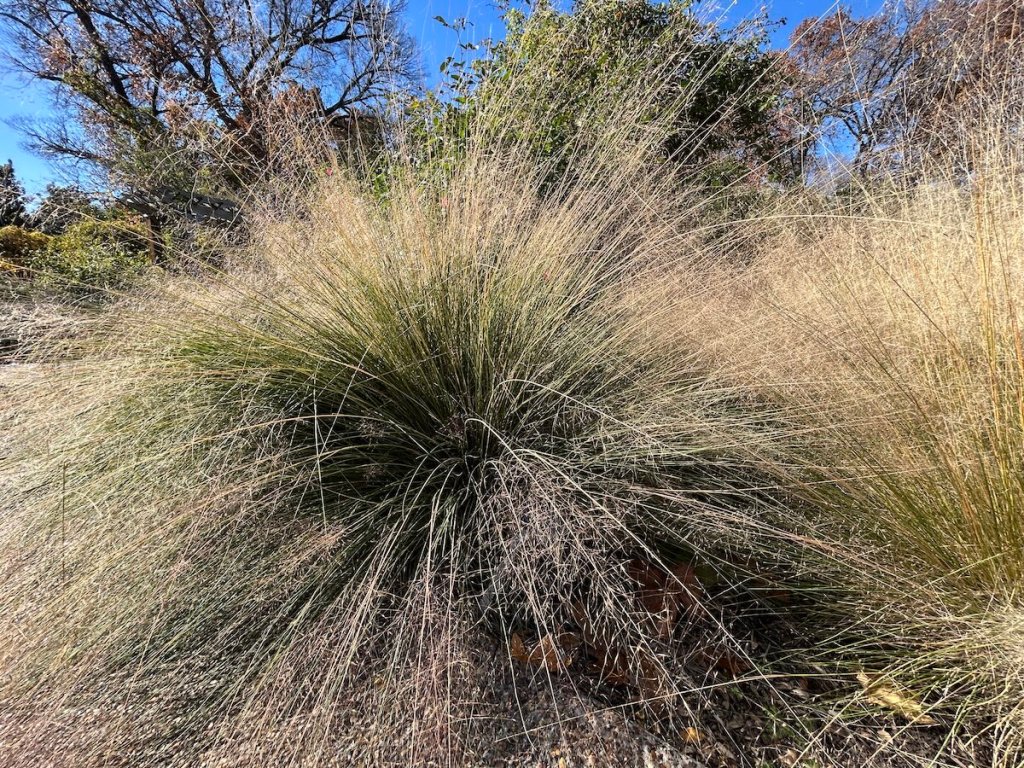
Muhly grass providing structure and shelter in the garden for wildlife.
8. Add Trellises, Shrubs, or Tall Plants for Wind Protection
Texas wind absolutely blows in spring. Butterflies struggle on windy days.
Add:
• trellises
• tall milkweed
• fennel clusters
• clumping grasses (Lindheimer muhly is perfect)
• small shrubs (sage, dwarf yaupon holly)
This creates warm “pockets” butterflies repeatedly return to.
9. Don’t Use Pesticides (Even Organic Ones Hurt Caterpillars)
Skip:
• Neem oil
• Bt spray
• Dawn soap sprays
• Pyrethrins
• Spinosad
• Systemic fertilizer
All of these kill caterpillars, butterfly eggs, or the tiny wasps that protect your garden naturally.
If You Need Pest Control, Use:
• hand squishing
• water sprays
• attracting beneficial insects
• removing entire leaves with pests
Or see the full guide on how to prevent common garden pests without chemicals.
10. Start Small — Then Add Plants Every Week in Spring
The best-performing Texas butterfly gardens grow slowly and organically. Start with:
• 3 host plants
• 5–6 nectar plants
• 1 water station
• 1 trellis or windbreak
• mulch + layered layout
Then add 1–2 plants every time you visit a nursery. By April, you’ll have a full garden without overspending or overwhelming yourself.
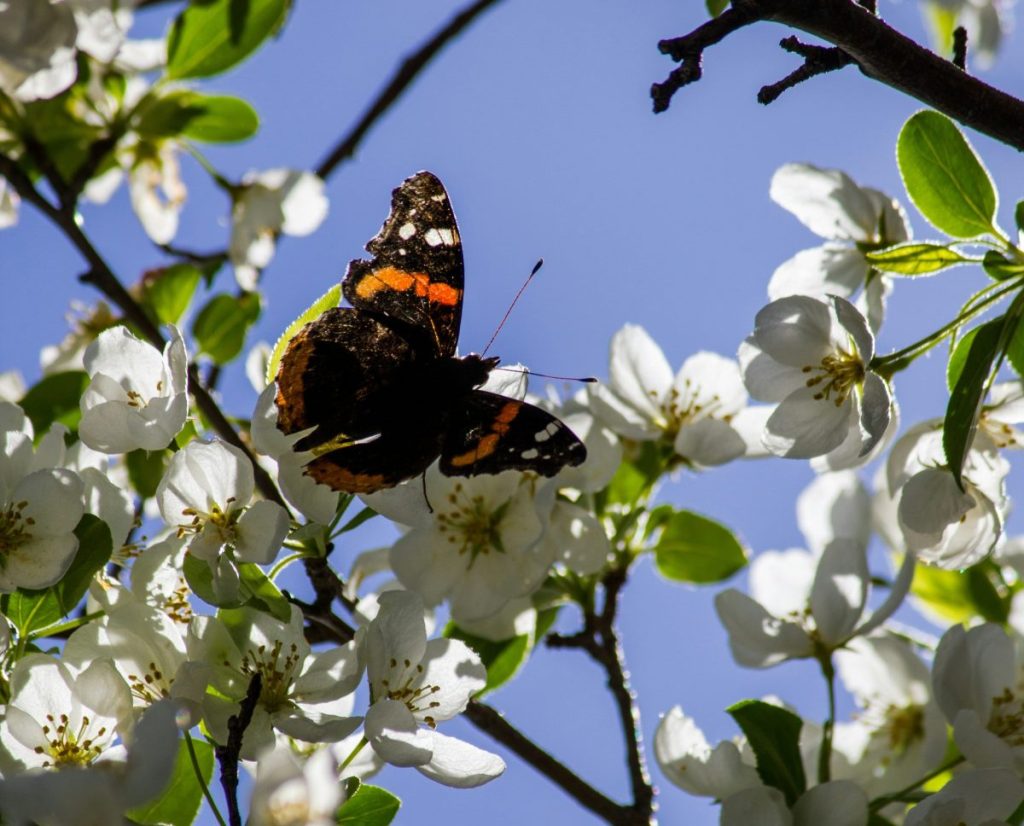
Red admiral on plum tree blossoms; this butterfly species is one of the first to appear in spring.
11. When Will You See the First Butterflies?
In Zone 8, early butterflies begin showing up:
• Monarchs: early March (northward migration)
• Queens: mid-March
• Black swallowtails: March–April
• Red admirals: anytime after the first warm front
• Gulf fritillaries: April when passionvines start new growth
If you set up your garden in February–March, you will absolutely see butterfly traffic.
Final Thoughts
A spring butterfly garden in Texas doesn’t have to be complicated — but it does have to be set up early. Focus on:
• planting host plants before March
• adding early nectar flowers
• creating a layered layout
• preparing for heat and wind now
If you follow these steps, your garden will be ready just in time for the first waves of spring butterflies.
If you are planning or planting this season, the Butterfly Garden Cheat Sheet can help you check that the basic habitat pieces are in place.
Related Guides:
The Complete Guide to Butterfly Gardening: How to Attract, Feed, and Protect Butterflies All Year
Texas Butterfly Garden Layouts — Simple Designs for Real Yards
12 Best Spring Plants for Texas Butterfly Gardens
Photo credits: cover painted lady – Ольга Бочкарева, gaillardia and agastache – Roman Biernacki, red admiral – Jeffrey Hamilton
 Butterfly garden paradise
Leave a comment