
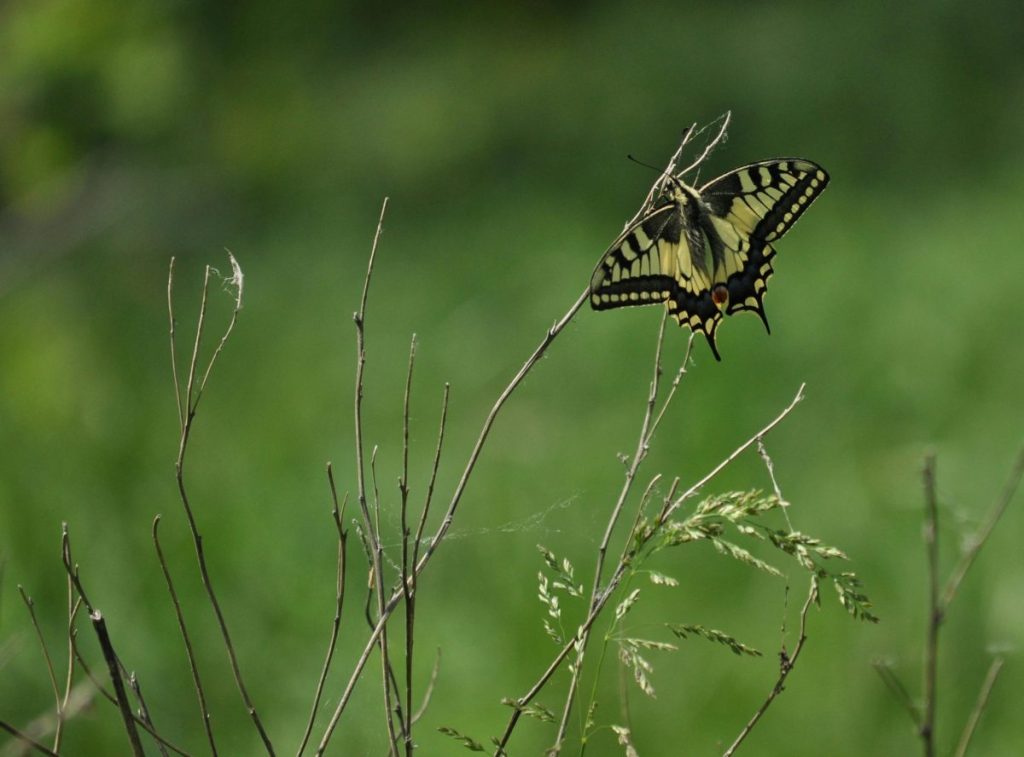
Simple, Practical Fixes for Texas Gardeners in Zone 8
Creating a butterfly garden sounds magical… until something stops blooming, caterpillars disappear overnight, or your milkweed suddenly looks like it went through a blender. If you’ve run into any of this, you’re not alone. Butterfly gardens are alive, and living ecosystems always come with challenges.
The good news? Most problems have simple, fast fixes — and once you know them, your garden becomes easier every single season.
Here are the top 5 butterfly garden problems seen in Texas (including ones I’ve dealt with personally) — plus exactly how to fix them.
1. Your Plants Look Healthy… But No Butterflies Show Up
This is the #1 frustration new gardeners have:
Your garden is blooming, you did everything “right,” but the butterflies just… never come.
Why it Happens
• Your plants may not be the right nectar sources for the species in your area
• The garden isn’t visible enough from butterfly flight paths
• There’s not enough host plant variety
• Bloom cycles have gaps
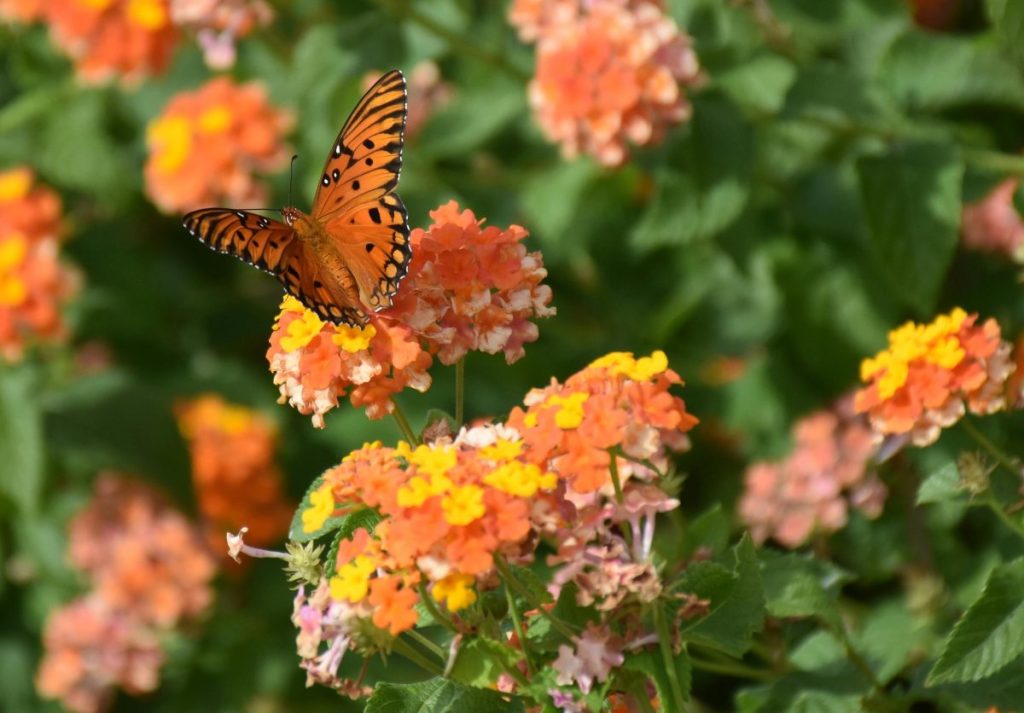
Gulf fritillary butterflies (and many other butterflies) love nectar from lantana.
The Fix
✔ Choose nectar plants with long bloom windows
The best Texas nectar plants that draw butterflies consistently:
• Zinnias
• Gregg’s mistflower
• Lantana
• Autumn sage
• Pentas
• Frostweed (fall)
• Turk’s cap (shade-friendly)
✔ Add host plants even if you only want butterflies
Different butterflies prefer different host plants. For example:
• Monarchs → Milkweed
• Black Swallowtails → Parsley, dill, fennel, cilantro
• Gulf Fritillaries → Passionvine
• Painted Ladies → Mallows, thistles, hollyhocks
Even a few host plants dramatically increase butterfly traffic.
✔ Make it visible
Butterflies glide high. If your garden is tucked behind a fence or obscured by shrubs, they won’t see it. Place taller nectar plants closer to the back so blooms stand above obstacles.
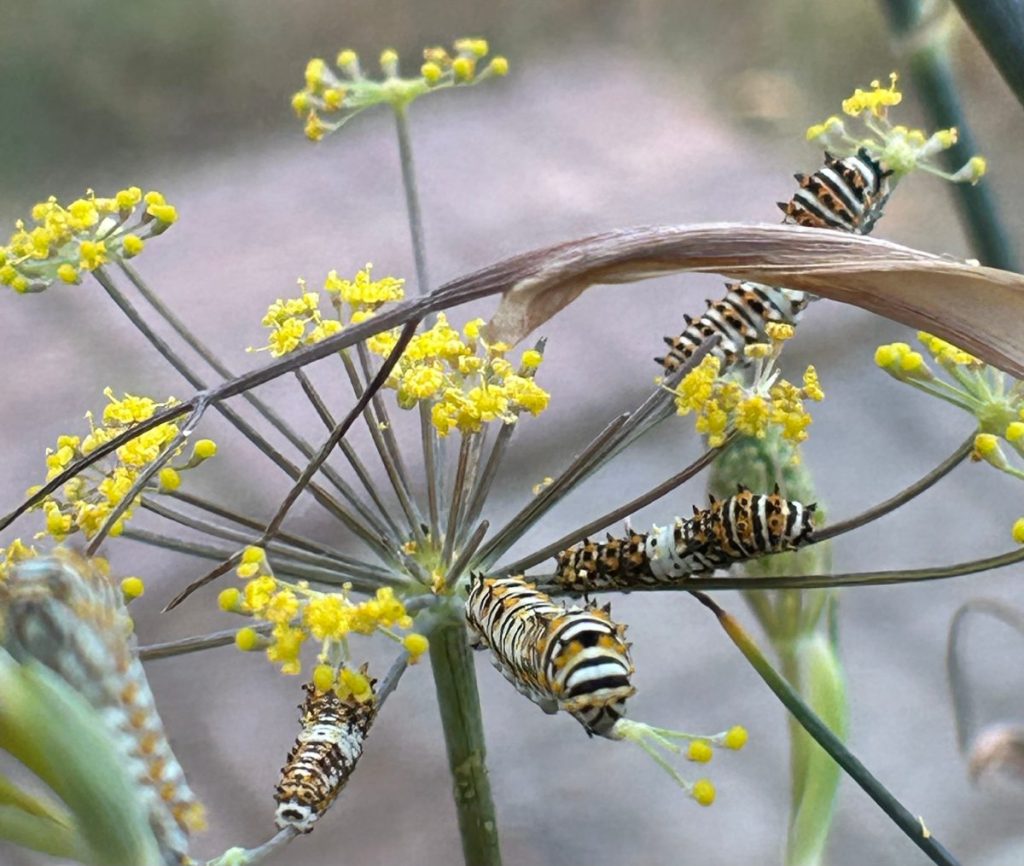
Black swallowtail caterpillars on fennel host plant in the garden.
2. Caterpillars Disappear Overnight
This one breaks people’s hearts. You were excited… and suddenly everything is gone.
Why it Happens
• Birds
• Wasps
• Ants
• Spiders
• Lizards
• Parasitoids
• Spray drift from neighbors
Texas ecosystems are full of predators — and caterpillars make great snacks. See more options to protect caterpillars without chemicals.
The Fix
✔ Plant host plants in clusters, not single plants
A single fennel plant with 15 caterpillars is a buffet.
A cluster lets predators spread out and reduces losses.
✔ Create “refuge zones”
Keep at least one host plant close to:
• dense foliage
• tall grasses
• shrubs
Caterpillars hide naturally in these spaces.
✔ If you raise them indoors, do it safely and sparingly
You already have experience raising black swallowtails, so you know:
• Use ventilated containers
• Provide fresh host plant daily
• Keep numbers low and conditions clean
• Release immediately after eclosing (no holding)
✔ Check for spray drift
Even “organic” yard services can wipe out caterpillars.
If your neighbors spray, cover host plants with a breathable frost cloth during windy treatments.
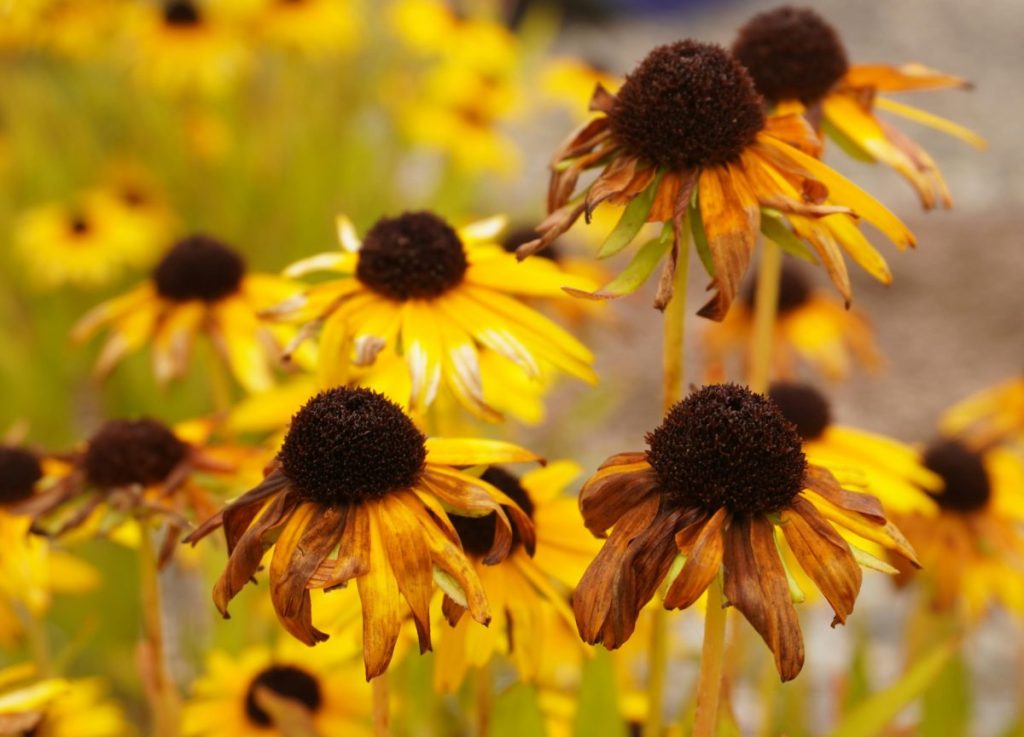
Rudbeckias are native perennials and can be deadheaded to prolong their bloom in the heat.
3. Plants Survive Winter but Die in Summer Heat
Zone 8 has mild winters… but summer tries to kill everything.
Why it Happens
• Roots overheat
• Afternoon sun is too strong
• Soil dries out too fast
• Plants weren’t heat-adapted Texas natives
• Clay soil + poor drainage = cooked roots
The Fix
✔ Choose heat-tolerant butterfly plants
These thrive through Texas summers:
• Gregg’s mistflower
• Esperanza
• Lantana
• Purple coneflower
• Black-eyed Susan
• Rock rose
• Flame acanthus
• Frostweed (surprisingly tough)
✔ Mulch deeply (2–3 inches)
Mulch = cooler soil = happier roots.
✔ Water deeply, not daily
Aim for:
• 2–3× per week in extreme heat
• Deep watering to reach the root zone
Shallow daily water = weak, heat-sensitive roots.
✔Protect newly planted or shallow-rooted plants during extreme heat
Incudes:
• First-year native perennials
• Recently transplanted milkweed
• Fresh fall or spring plugs
• Cool-season herbs transitioning into heat
In Texas climates, transplant in early fall or early spring whenever possible. Cooler soil and milder air temperatures allow roots to establish before summer heat or winter cold add stress.
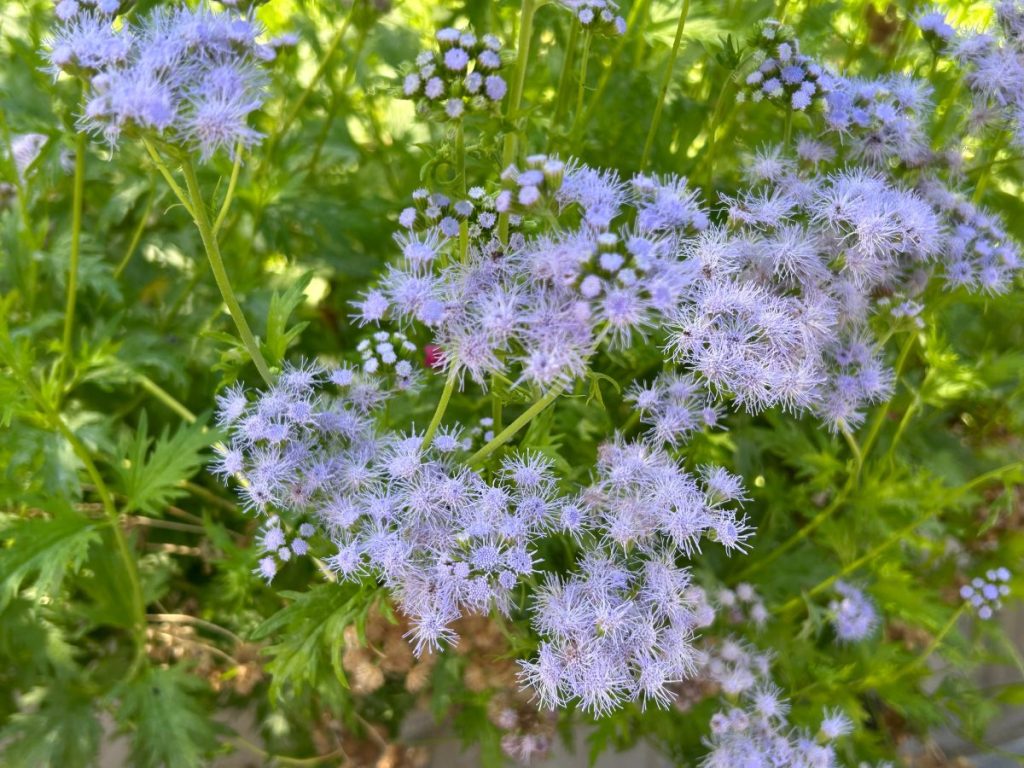
Gregg’s mistflower is a native perennial that, like many, doesn’t need high nitrogen fertilizers.
4. Plants Look Good but Bloom Poorly
A butterfly garden with no blooms is basically an empty restaurant.
Why it Happens
• Too much nitrogen
• Not enough sun
• Wrong soil pH
• Plants pruned at the wrong time
• You bought ornamentals instead of native varieties
The Fix
✔ Ensure 6+ hours of sun
Butterfly plants need full sun for maximum nectar.
✔ Avoid high-nitrogen fertilizers
Nitrogen = leaves.
Phosphorus = flowers.
Use a balanced organic fertilizer with a bloom boost or skip fertilizers entirely and amend with compost.
✔ Watch pruning times
Some plants bloom on new wood, others on old wood. Prune at the wrong moment = no blooms.
✔ Prioritize natives
Native plants bloom more reliably because they’re adapted to heat, drought, and local soils.
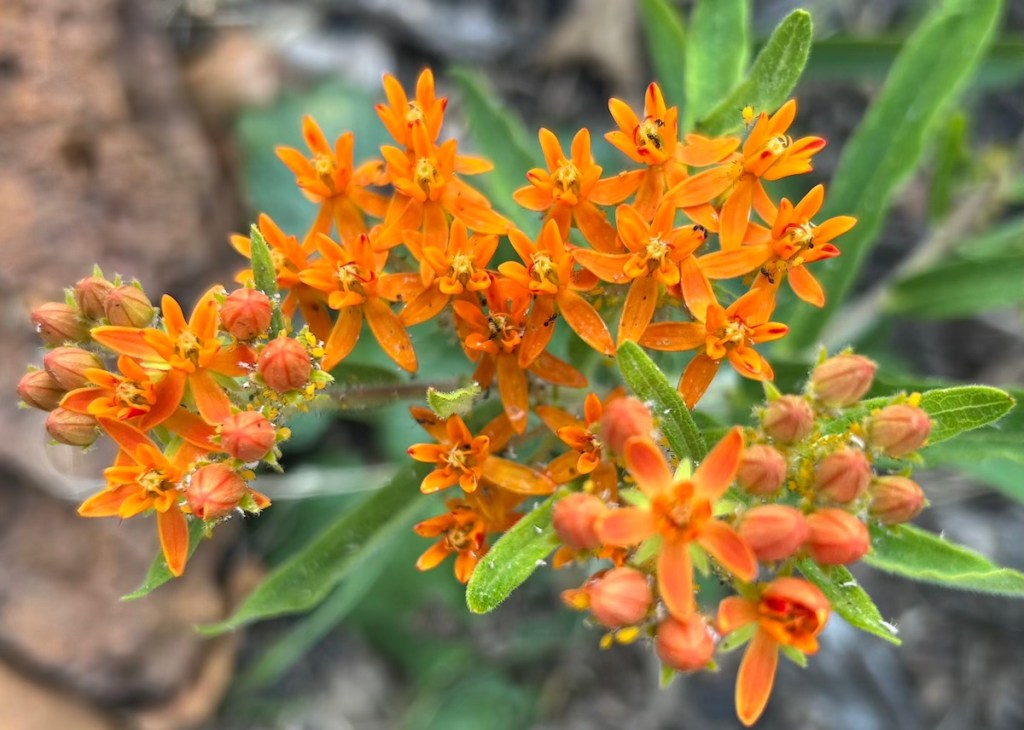
Orange milkweed with oleander aphids. See The Complete Guide to Integrated Pest Management (IPM) for caterpillar-safe treatment of different types of common pests in Texas.
5. Milkweed Issues: Aphids, Leggy Growth, or “Is It Dying?” Panic
Milkweed gives everyone trouble — especially tropical milkweed.
Why it Happens
• Aphids
• Overwatering
• Underwatering
• Stress from heat
• Late-season dormancy
• Tropical milkweed grows differently and confuses people
The Fix
✔ Use native milkweed when possible
Best performers in Texas:
• Green antelopehorn
• Zizotes
• Butterfly weed
✔Smash aphids or jet off with hose, don’t spray chemicals
Even natural sprays = dead caterpillars.
Your fingers = free and effective.
✔ Cut tropical milkweed back in fall
This prevents OE buildup and encourages healthy new growth in spring. Or grow native Texas milkweeds, here are the best ones.
✔ Water deeply once a week
Milkweed hates wet feet but needs deep watering in heat.
✔ Accept seasonal die-back
Native milkweed disappears in winter and re-emerges strong in spring.
Final Tip: Your Garden Doesn’t Need to Be Perfect — It Just Needs Time
The biggest mistake beginners make is expecting instant results. Butterfly gardens compound. Every plant, every tweak, and every season strengthens your ecosystem.
If you stick with it — even when things look messy — you’ll see dramatic increases year after year.
If you are new to butterfly gardening, the Butterfly Garden Cheat Sheet outlines the basic conditions butterflies look for when choosing a garden.
Related Guides:
How to Create a Butterfly Garden Right in Your Backyard (Step-by-Step)
 Butterfly garden paradise
Leave a comment