
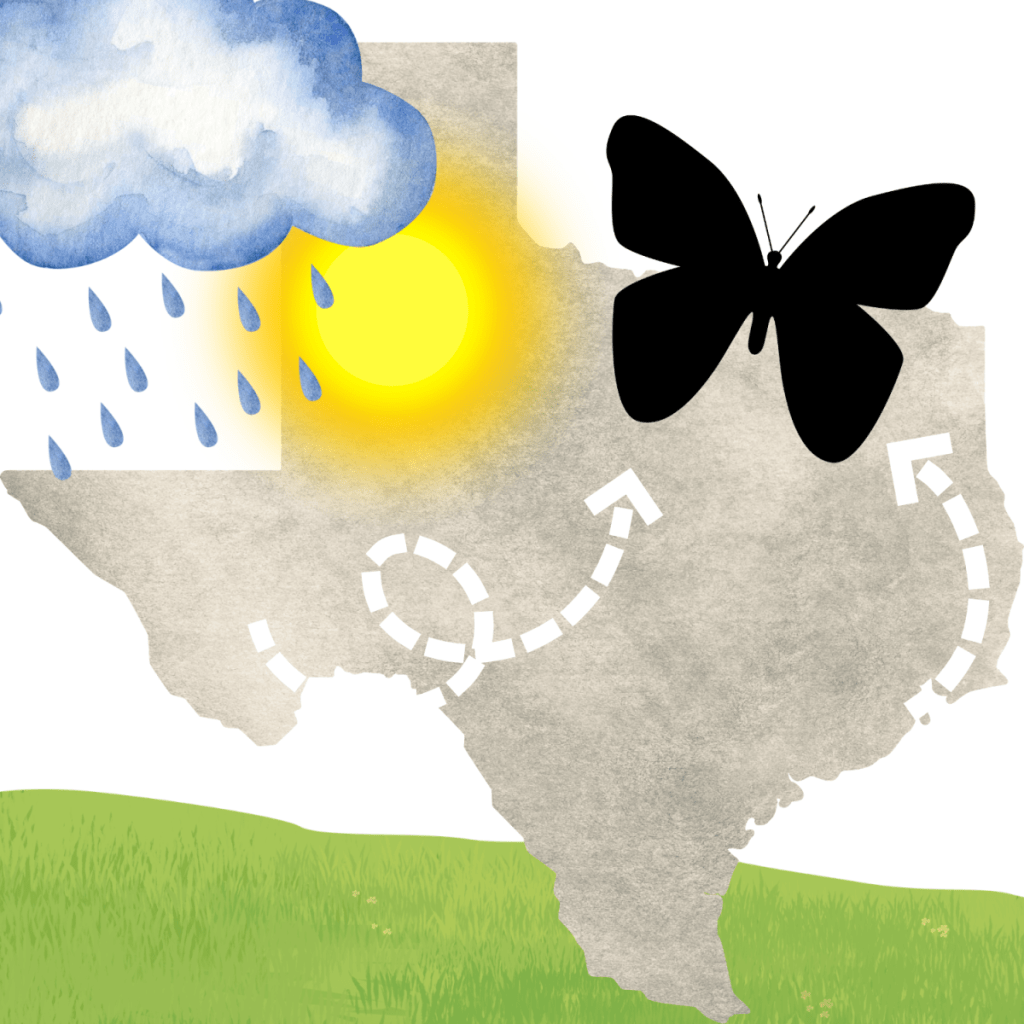
Every spring, the same question comes up:
“When will butterflies come back?”
And just beneath that is another one people don’t always say out loud:
“If I planted the right things… why don’t I see many yet?”
This early spring butterfly forecast is not a list of promises or peak bloom moments. It’s a reality-based look at what typically returns first in Texas Zone 8, what those early butterflies are telling you, and why the order matters more than the calendar.
Because in early spring, butterflies don’t arrive all at once — and they never arrive randomly.
Spring Butterfly Season Starts Earlier Than Most People Expect
In much of Texas Zone 8, butterfly activity begins well before gardens look finished.
You may still see:
• dormant perennials
• patchy lawns
• beds that feel empty or incomplete
But on warm days — especially after cold nights — insects begin moving again.
Early spring butterfly sightings often happen:
• on sunny afternoons
• near walls, rocks, or open lawns
• before most flowers are blooming
This is normal. Butterflies respond to temperature and daylight, not how “ready” a garden looks to us.
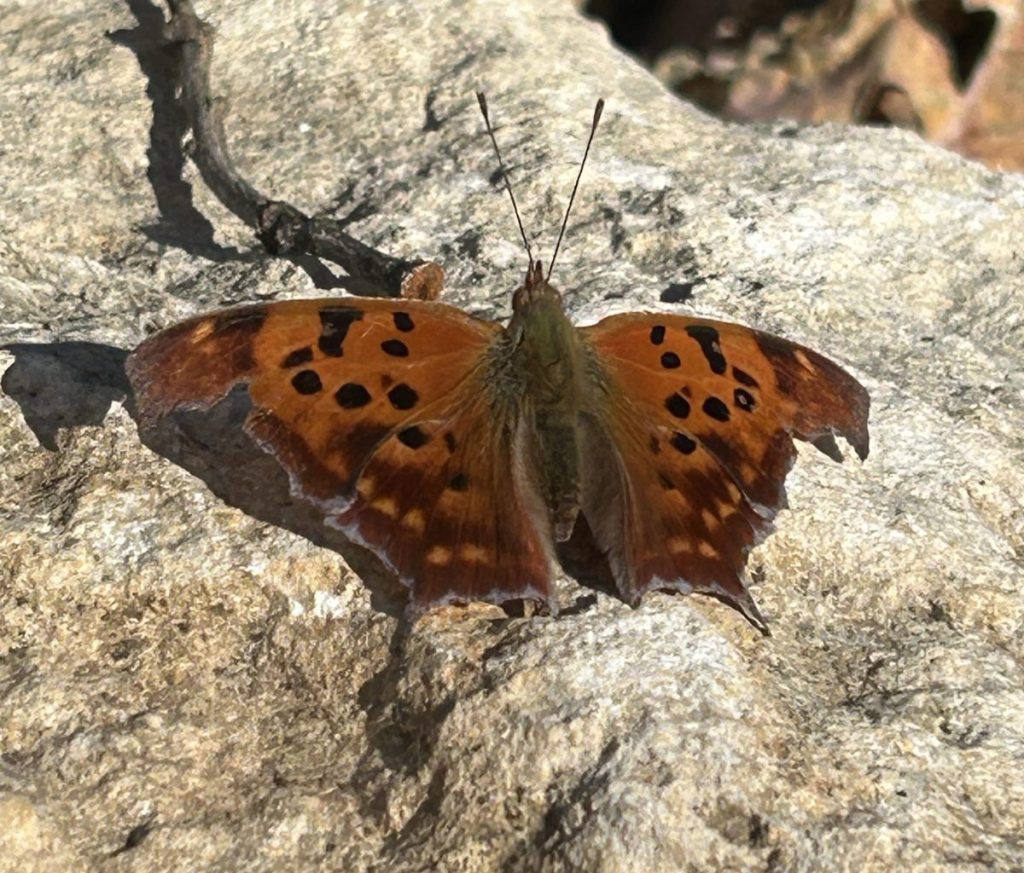
Question mark butterfly basking in the sun in February in Texas (Zone 8).
What Butterflies Usually Appear First in Early Spring
The first butterflies you see in early spring are usually small, fast, and easy to miss.
They are not the showy species people plant for first.
Common early spring butterflies in Texas Zone 8 include:
• Sulphurs (including dainty, orange and cloudless)
• Question marks
• Red admirals
• Small skippers (including least and fiery) and whites
These butterflies:
• tolerate fragmented habitat
• use common host plants
• move easily through suburban landscapes
If you’re seeing these species, it’s a good sign, even if they don’t feel exciting yet.
Why Monarchs Are Not an Early Spring Indicator
Many gardeners expect to see monarchs first — especially if they’ve planted milkweed.
But Monarch butterflies are migratory and follow a different timeline.
Monarchs:
• migrate gradually
• depend on milkweed and weather alignment
• often arrive after smaller generalist species are already active
If you don’t see monarchs right away, that does not mean:
• your milkweed failed
• your garden isn’t working
• you planted the wrong things
It usually means the season is still unfolding.
Early spring butterflies are not a verdict.
They are the opening chapter.
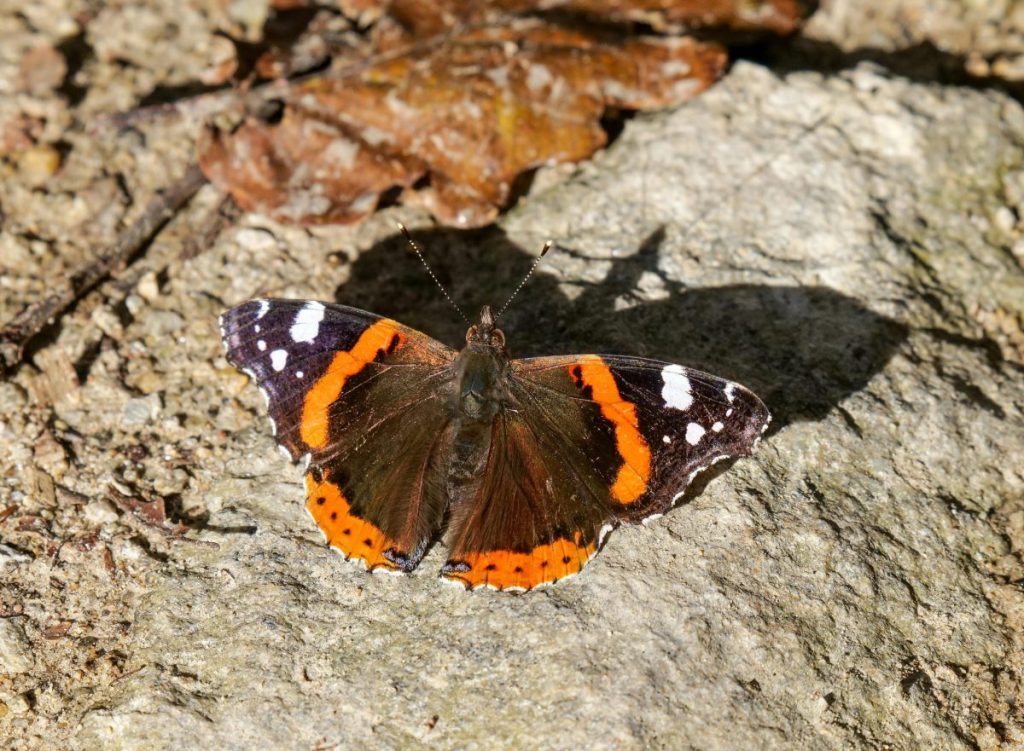
Red admiral basking in the sun in springtime.
What Early Butterflies Are Actually Doing
When you spot butterflies early in the season, they are usually doing one (or more) of the following:
• Basking to warm up after cold nights
• Testing habitat for safety and resources
• Moving through the landscape rather than settling
• Nectaring opportunistically, even on non-flowers
At this stage, many butterflies are:
• visitors, not residents
• evaluating, not committing
This is why early sightings can feel inconsistent — present one day, gone the next.
That’s not failure.
That’s assessment.
Why Lawns Matter More Than You Think in Early Spring
Early spring butterflies often appear over lawns, not flower beds.
That surprises people.
But lawns offer:
• open sun
• warmth
• low wind resistance
• easy movement
If a lawn hasn’t been sprayed heavily, it can function as:
• a basking area
• a travel corridor
• temporary habitat
This is especially true in subdivisions, where butterflies move between yards rather than relying on a single property.
A garden doesn’t need to be complete to be usable.
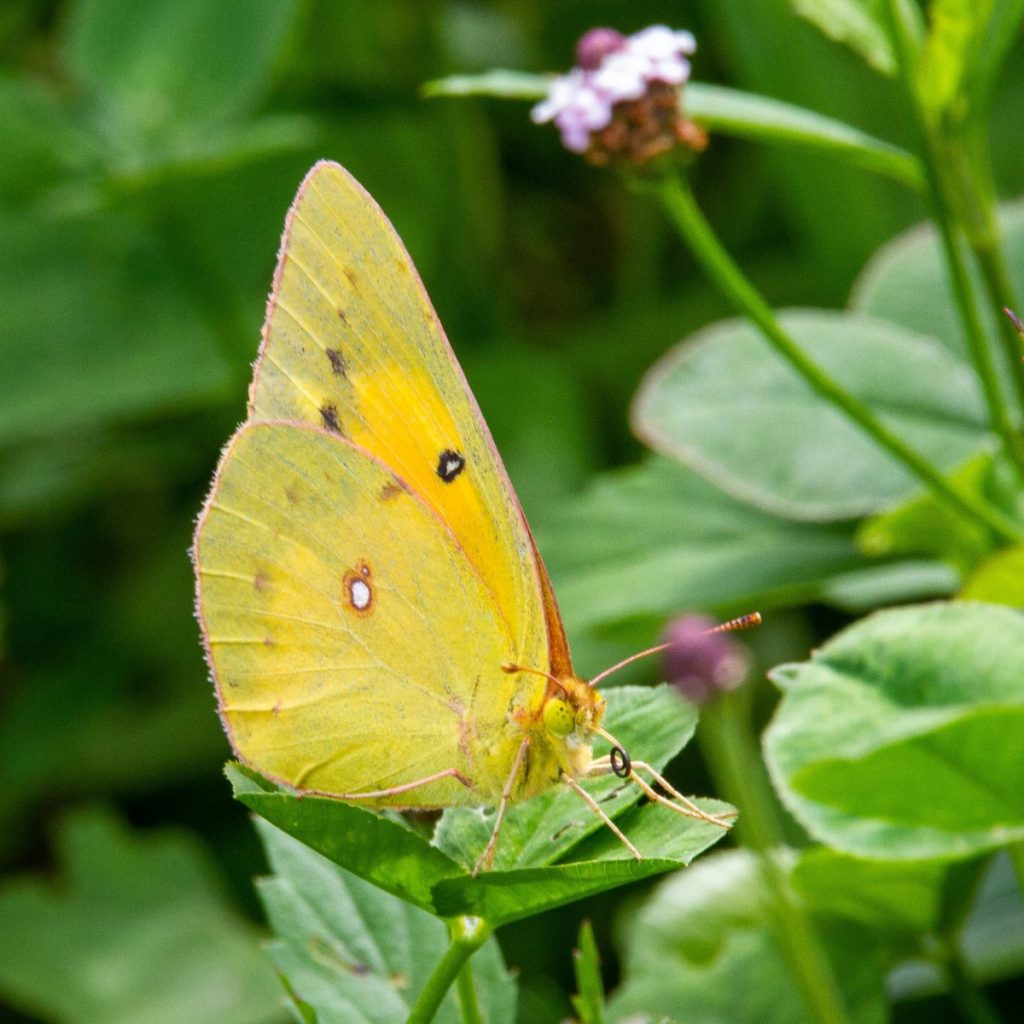
If you see a yellow with orange streak flitting across your lawn, it could be an orange sulphur.
The Role of Nearby Yards (Even If Yours Is Just Getting Started)
Butterflies don’t operate on property lines.
In many neighborhoods, one natural or lightly managed yard can support reproduction — while surrounding yards provide feeding and movement space.
If you’ve noticed:
• one neighbor with a “wilder” yard
• patches of clover or native plants nearby
• roadside vegetation or open land
Those areas may be acting as source habitats.
Your yard, even in transition, can still:
• receive butterflies
• support adults
• contribute to a local network
This is why early sightings often happen before gardeners intentionally add host plants.
What It Means If You’re Seeing Dainty Sulphurs Early
If you’re seeing dainty sulphurs early in the season — even in January or February — that’s worth paying attention to.
Dainty sulphurs are:
• resilient
• adaptable
• among the first to return after pesticide use stops
They use various common weeds as host plants — including common chickweed, bitterweed (Helenium spp.), carpetweed, and other small species that often appear in lawns or edges.
Seeing them repeatedly suggests:
• low chemical disturbance
• usable habitat nearby
• early-stage ecological recovery
They are often the first butterfly species to say “yes” to a changing yard.
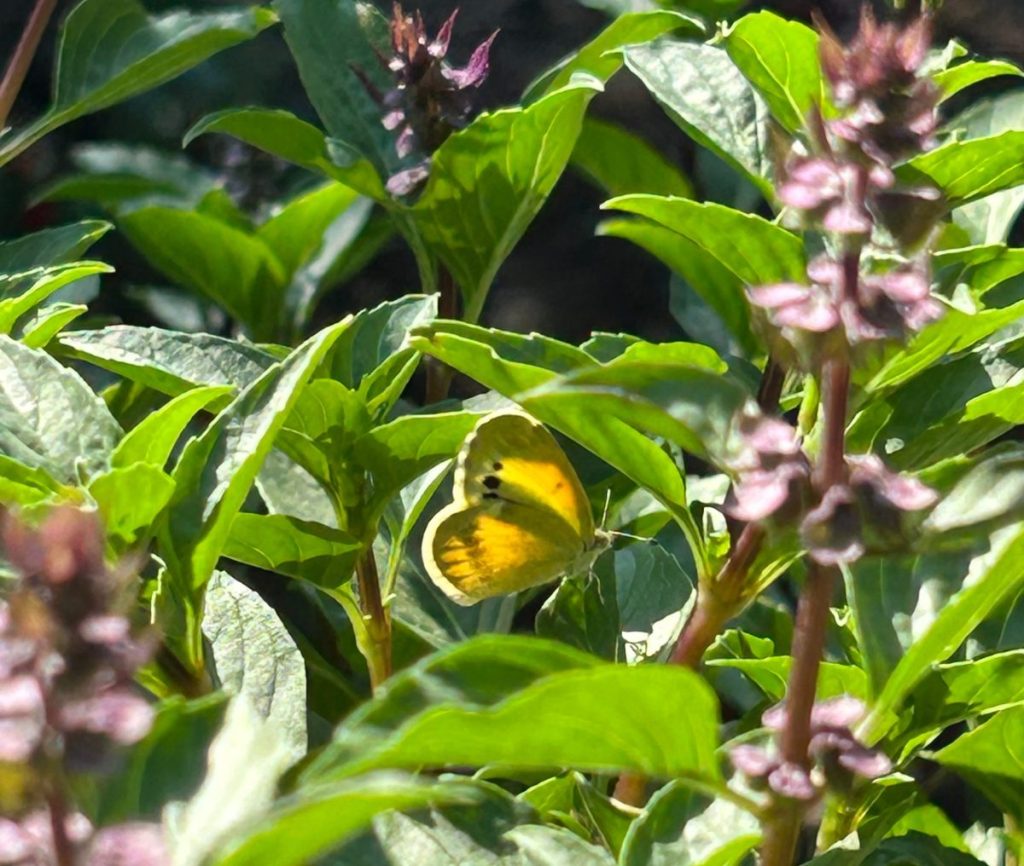
Dainy sulphurs are small but numerous and resilient.
Why Early Spring Can Feel Disappointing (and Why It Shouldn’t)
Many gardeners reach early spring and think:
“I planted things last fall. Why does it still look empty?”
This is a mismatch between human timelines and ecological timelines.
In early spring:
• plants are still waking up
• insects are still evaluating
• reproduction comes later
The absence of visible caterpillars or constant butterfly activity does not mean nothing is happening.
It means the system is rebooting.
How to Use This Forecast to Prepare (Without Overdoing It)
Early spring is not the time to panic or overhaul your garden.
It is the time to make small, strategic choices.
What helps right now:
• Avoid spraying (even “natural” pesticides)
• Let clover or low volunteers stay where possible
• Leave some leaf litter and stems
• Add early nectar plants if you have them
• Be patient with host plants — they matter later
Early spring is about keeping doors open, not forcing results.
What Changes as Spring Progresses
As temperatures stabilize and plants put on growth, you’ll often notice:
• repeat butterfly visits instead of pass-through sightings
• females slowing down and investigating plants
• increased diversity over time
• caterpillars appearing later than expected
This progression is normal.
Butterfly gardening is not a switch you flip.
It’s a sequence.
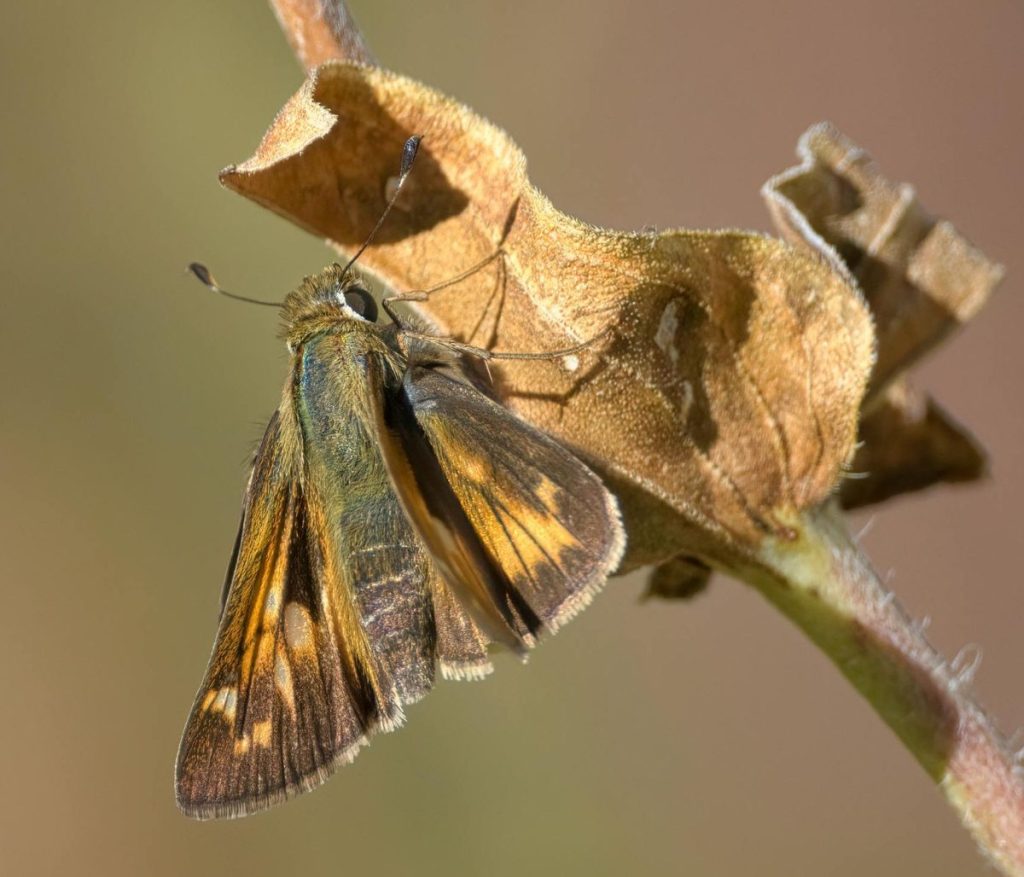
Fiery skipper on a flower stem in early spring, when many flowers are still weeks away from blooming.
A Quiet Forecast, Not a Promise
This early spring butterfly forecast isn’t meant to predict exact species or dates.
It’s meant to help you interpret what you see.
If your early spring includes:
• small butterflies
• brief visits
• uneven activity
• lots of waiting
You are not behind.
You are early in the process.
Looking Ahead
As spring continues, many gardeners begin asking deeper questions:
• Why do some butterflies appear before others?
• Why do certain species show up even without obvious host plants?
• What actually changes when you stop using pesticides long-term?
Those questions don’t have quick answers — but they do have patterns.
And understanding those patterns is what turns a garden from decorative into alive.
Coming Next
In the next phase of spring, we’ll look more closely at why butterflies arrive in a particular order, and how early visitors signal what your yard is becoming — even before it looks like much has changed.
If you’re watching your garden this season, the Butterfly Garden Cheat Sheet can help you recognize what butterflies are responding to and what to plant next.
Related Guides:
The Complete Guide to Butterfly Gardening: How to Attract, Feed, and Protect Butterflies All Year
Texas Native Milkweed: The Best Species to Plant for Monarchs (Zone 8 Guide)
The Best Host Plants for Caterpillars in Zone 8
Photo credits: red admiral – Vladimir Srajber, orange sulphur – Thomas Elliott, fiery skipper – Pete Weiler
 Butterfly garden paradise
Leave a comment