How to Grow Grasses that Provide Food, Shelter, and Beauty for Your Garden’s Flying Friends
Why Grasses Matter in Butterfly Gardens
When most people think of butterfly gardens, they picture milkweed, lantana, or colorful perennials. Rarely do native grasses come to mind. But grasses are unsung heroes in a thriving butterfly ecosystem:
• They provide shelter for caterpillars and pupae.
• Many act as host plants for skipper and satyr caterpillars.
• Their structure protects nectar plants from harsh Texas winds.
• They create microclimates — cooler soil, better moisture retention, and humidity for butterflies.
In Texas Zone 8, planting native grasses transforms your garden into a true wildlife haven, not just a pretty display.
Top Native Grasses That Butterflies Love in Texas:
Here are the best Texas natives, with tips on planting, care, and the butterflies they support.

Little bluestem seedling planted this Fall. The blue-green foliage is an attractive feature in addition to its other benefits.
1. Little Bluestem (Schizachyrium scoparium)
Height: 2–4 feet
Sun: Full sun
Water: Low
Butterflies Supported: Skippers (host plant), Monarchs (for habitat)
Little Bluestem is the backbone of prairie gardens. Its stiff, blue-green blades turn coppery in fall, creating both food and shelter. Skipper caterpillars will use it to hide and pupate, and it is excellent for overwintering eggs.
Planting Tips:
• Space 1–2 feet apart for full effect
• Tolerates clay, sand, or rocky soils
• Cut back old growth in late winter

2. Indiangrass (Sorghastrum nutans)
Height: 4–6 feet
Sun: Full sun
Water: Moderate
Butterflies Supported: Swallowtails, Skippers, Monarchs
Indiangrass is tall and elegant, with feathery seed heads that sway in summer breezes. Monarchs and other butterflies use the base for shelter. Its seeds also feed small birds, adding more wildlife benefits.
Planting Tips:
• Plant in clusters to create “butterfly corridors”
• Deep-water during first season
• Allows natural self-seeding for prairie look

3. Gulf Muhly (Muhlenbergia capillaris)
Height: 2–3 feet
Sun: Full sun
Water: Low once established
Butterflies Supported: Skippers, Small Hairstreaks
Gulf Muhly is a Texas favorite for color and movement. In fall, delicate pink-purple blooms attract butterflies and give hiding spots for small caterpillars. Its fine texture contrasts beautifully with coarser perennials like lantana or coneflowers.
Planting Tips:
• Plant in groups of 3–5 for visual impact
• Avoid heavy shade
• Low-maintenance: cut back in early spring

4. Sideoats Grama (Bouteloua curtipendula)
Height: 1–3 feet
Sun: Full sun
Water: Low
Butterflies Supported: Monarchs, Skippers
Named for its oat-like seeds hanging along one side of the stem, Sideoats Grama is drought-tolerant and beautiful in mass plantings. Skipper larvae may use it as a host, and it provides excellent cover from predators.
Planting Tips:
• Works in naturalized beds or prairie mixes
• Self-seeds well in sunny spots
• Minimal maintenance; remove dead leaves in winter if desired

5. Switchgrass (Panicum virgatum)
Height: 3–6 feet
Sun: Full sun
Water: Moderate
Butterflies Supported: Monarchs, Various Skippers
Switchgrass is a strong, upright grass that tolerates wet or dry conditions. It provides excellent pupation habitat, and its clumping form creates micro-shade for low-growing nectar plants. Seed heads in late summer are also attractive to small wildlife.
Planting Tips:
• Plant in large clumps or mixed prairie beds
• Can survive hot Texas summers with minimal water
• Cut back old stalks in late winter
How to Use Grasses Strategically in Your Garden
1. Create “Habitat Islands”
• Surround perennials with small clusters of native grasses.
• This gives caterpillars shelter while letting adult butterflies access nectar freely.
2. Mix Textures for Visual and Functional Appeal
• Combine stiff blades like Little Bluestem with airy Gulf Muhly.
• Skippers love hiding in finer textures, monarchs in denser clumps.
3. Plant Near Host Plants
• Milkweeds near grasses allow monarch larvae to move safely between food and shelter.
• Mistflower, lantana, or purple coneflowers provide nectar above the grasses.
4. Use as Seasonal Structure
• Grasses can block wind, shade soil, and hold moisture, helping delicate nectar plants survive hot Texas summers.

Hackberry emperor butterfly sipping morning dew in the grass.
Additional Benefits of Native Grasses
• Drought Tolerance
Once established, these grasses thrive with little water, making them adapted for Texas summers.
• Soil Health
Deep roots reduce erosion and build strong soil ecosystems.
• Low Maintenance
No fertilizers or pesticides required, saving time and money.
• All-Season Interest
Many grasses provide color and texture even when not blooming.
• Wildlife Support
Beyond butterflies, grasses shelter birds, lizards, and pollinators.
Common Mistakes to Avoid When Planting Grasses for Butterflies
1. Planting in Too Much Shade
• Most Texas native grasses need full sun; without it, they get leggy or fail to bloom.
2. Crowding Perennials Too Closely
• Adult butterflies need space to land. Leave 1–3 feet between grass clumps and nectar plants.
3. Over-Mulching
• Mulch prevents skippers and other small caterpillars from reaching the soil base. Use minimal mulch around grasses.
4. Cutting Back Too Early
• Many butterflies and caterpillars overwinter in old grass stalks. Wait until late winter to trim.
5. Ignoring Diversity
• Plant a variety of grasses with different bloom times and textures. Diversity equals stability for your butterfly population.

Bonus grass: Big Bluestem is another great native pick that grows tall and provides shelter.
Texas Butterfly Garden Grass Planting Plan
Here’s a seasonal example to structure your garden:
• Spring Bloomer
Gulf Muhly, Sideoats Grama — provide shelter and early bloom for skippers.
• Summer Backbone
Little Bluestem, Switchgrass — strong structure and pupation spots.
• Fall Refuge
Indiangrass, Gulf Muhly — tall seed heads protect migrating monarchs and hairstreaks.
Plant in clusters or mixed prairie beds, mixing perennials and grasses for maximum ecological benefit.
Extra tip: use native annuals like coreopsis, blanket flower, and bluebonnet to fill temporary gaps and compete with weeds.
Conclusion
Native grasses are more than decorative background plants. In Texas Zone 8, they:
• Host butterfly larvae
• Protect nectar plants
• Provide microclimates
• Support your entire pollinator ecosystem
By adding just a handful of well-chosen native grasses, you can create a garden that butterflies will return to year after year — and one that requires minimal maintenance while thriving in Texas heat.
Next steps: mix these grasses with your milkweed, mistflower, and other nectar plants. Watch as skippers, monarchs, and hairstreaks find shelter, food, and safety — right in your backyard.
This article covers one part of butterfly gardening. The Butterfly Garden Cheat Sheet shows how these elements fit together at a basic level.
Related Guides:
The Complete Guide to Butterfly Gardening: How to Attract, Feed, and Protect Butterflies All Year
Deep Roots, Strong Ecosystems: How Native Plants Build Healthy Soil
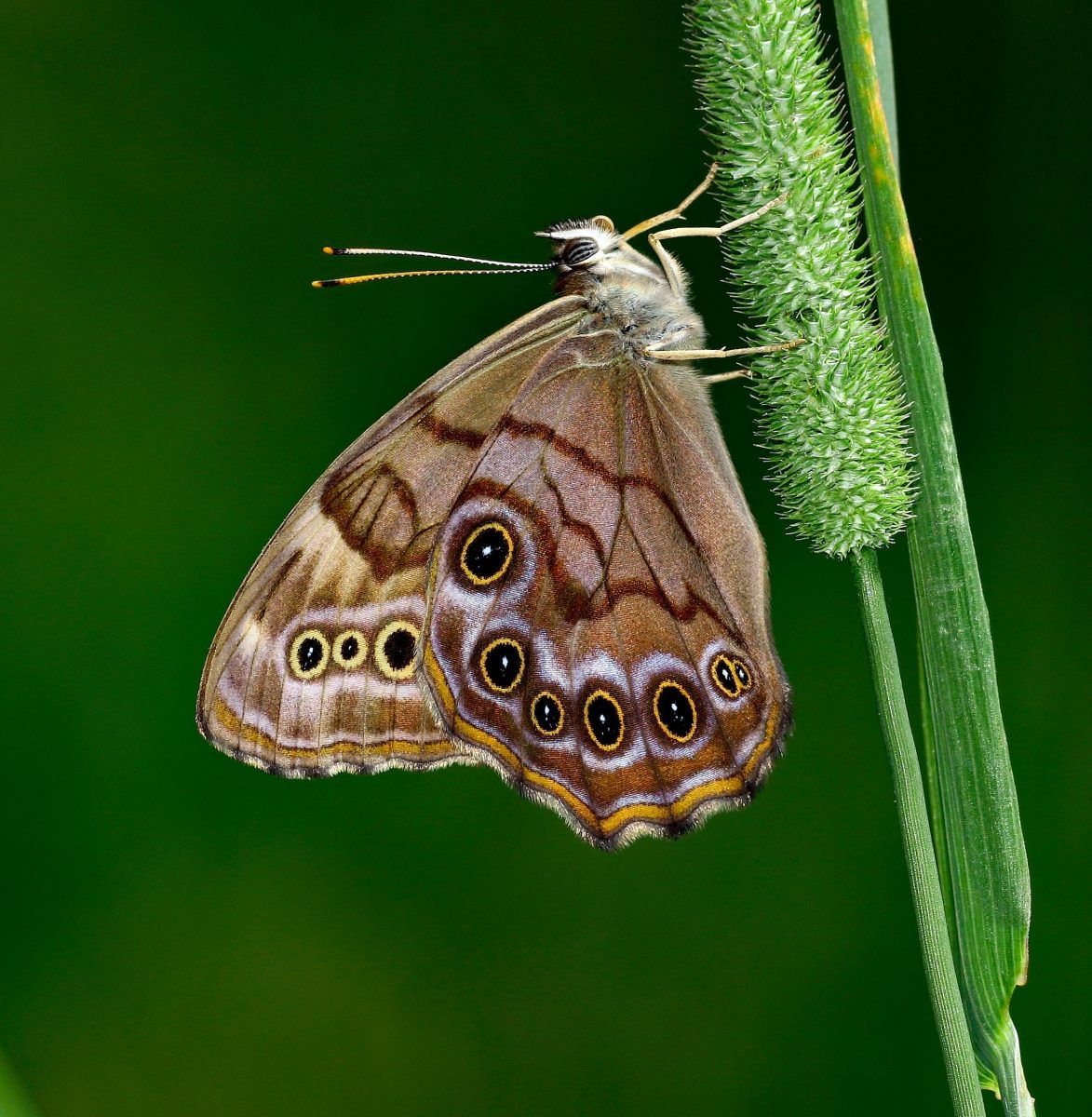
Photo credit: Cover pearly eye butterfly on grass – Thomas Elliott
Leave a Reply