
Category: North Texas Gardening
-
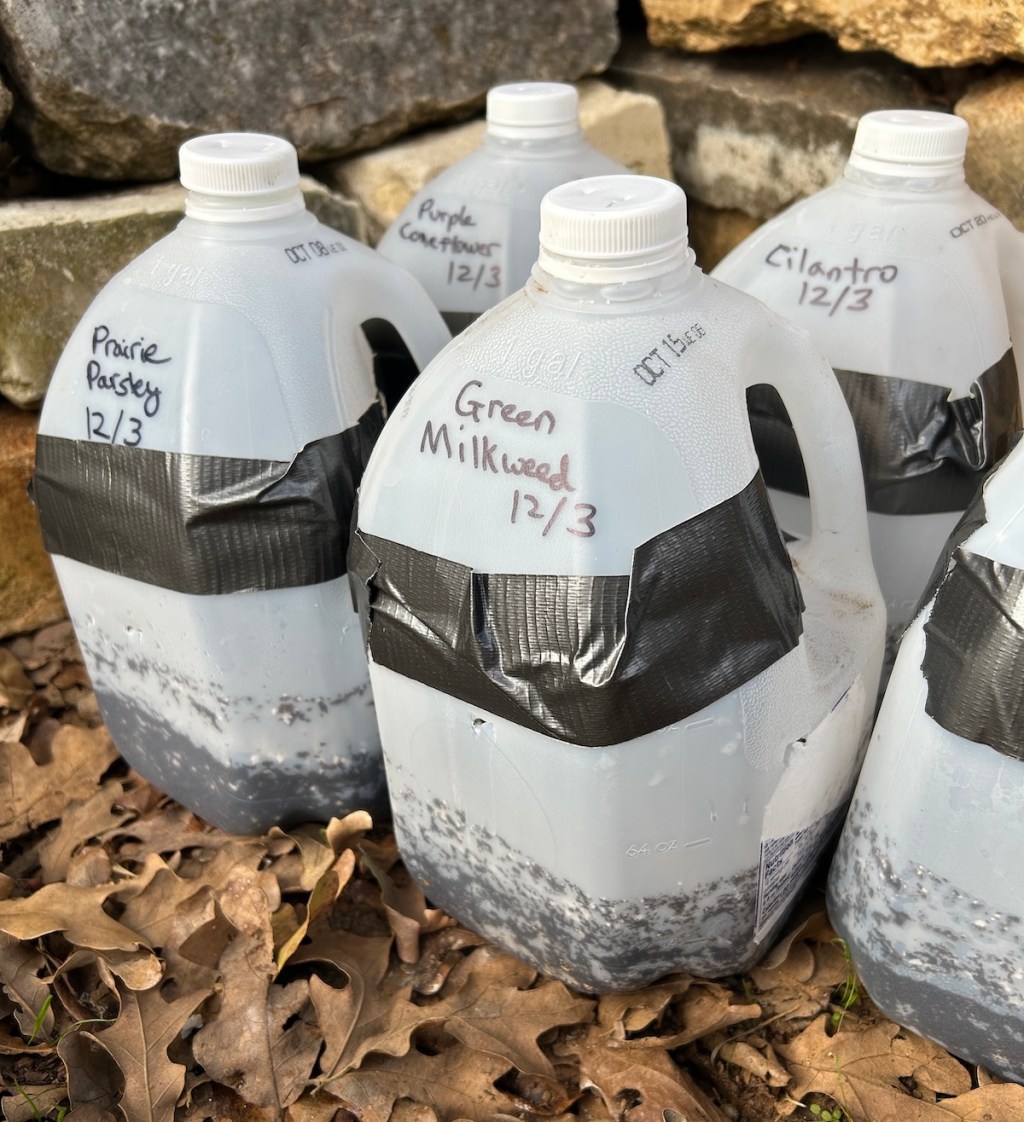
Gardening in Texas Zone 8 presents unique challenges, particularly due to mild winters and unpredictable cold. Winter sowing offers a solution by allowing gardeners to…
-

In Texas, butterflies adapt to winter in various ways rather than simply vanishing. Species like Gulf Fritillaries endure cold months by hiding in leaf piles,…
-
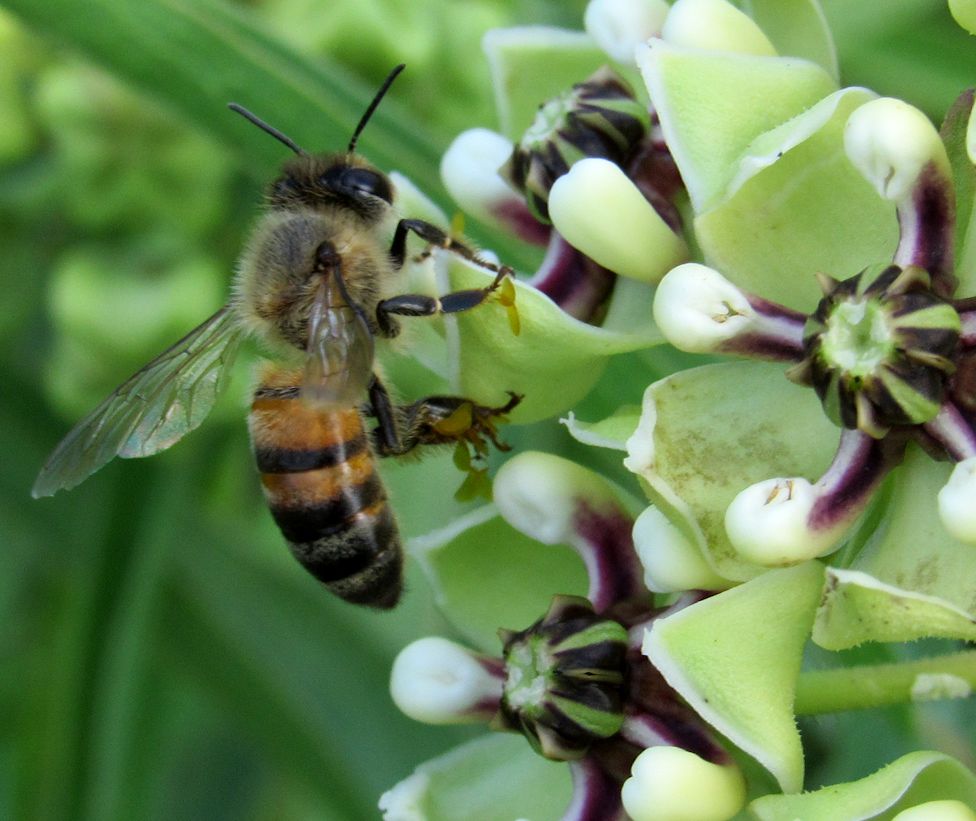
Milkweed is essential for creating butterfly-friendly landscapes in Texas, particularly for supporting monarchs and native pollinators. This guide highlights the best native milkweed species for…
-
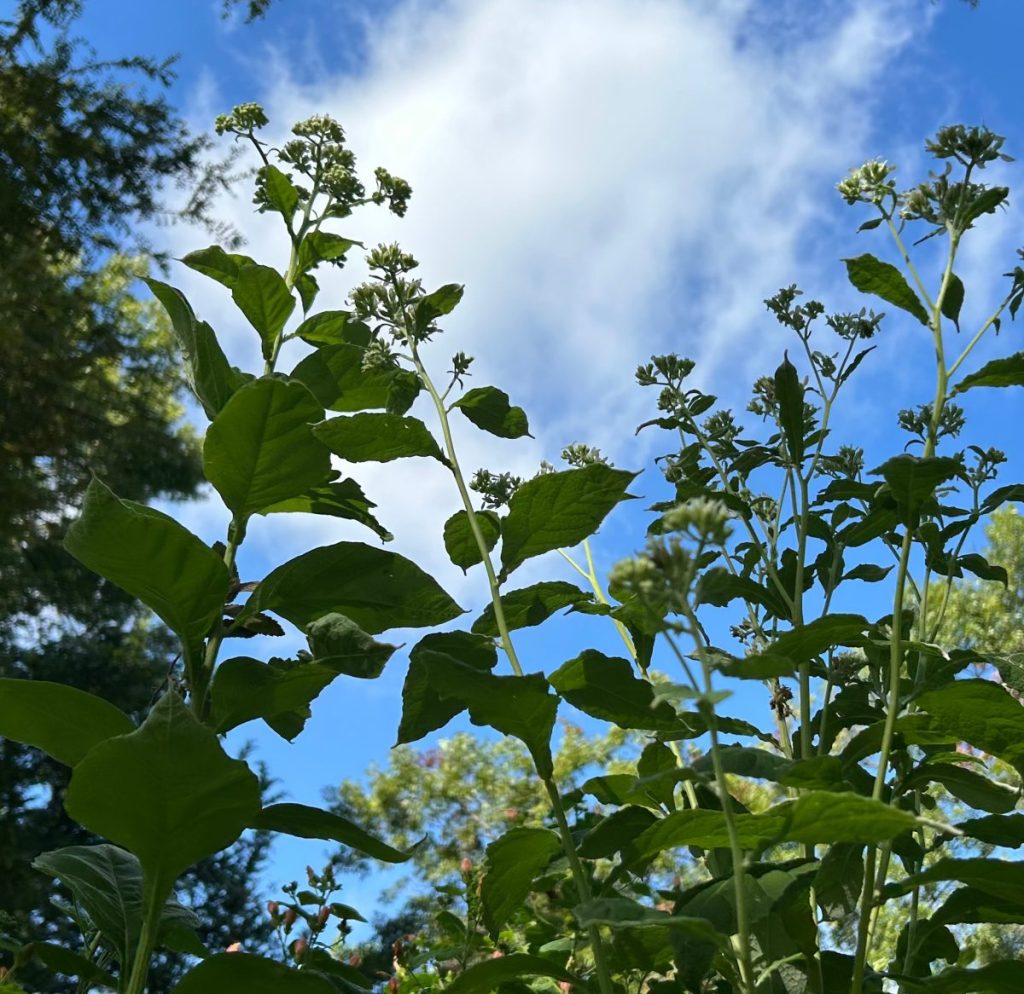
Sun, shade, and soil are critical factors for gardening success, particularly in the Texas Zone 8 climate with its hot summers and variable winters. Proper…
-

Healthy soil is essential for a successful garden, providing nutrients and supporting a diverse ecosystem. This guide emphasizes natural soil-building methods over chemical fertilizers, detailing…
-
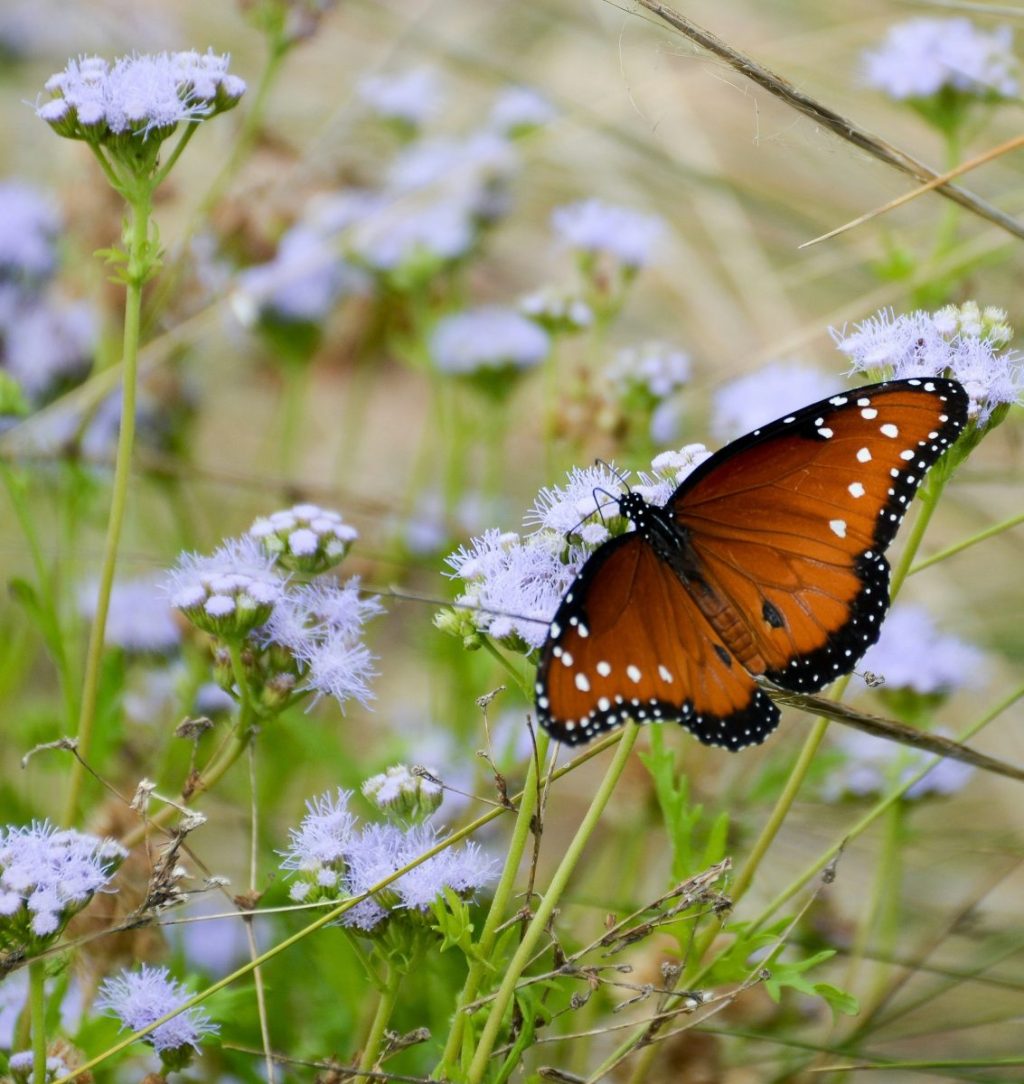
Butterflies are vital pollinators that enhance garden beauty and biodiversity, particularly in Texas Zone 8. To attract them year-round, gardeners should plant nectar-rich flowers that…
-

Butterflies signify the arrival of spring in Texas, playing a crucial role as pollinators in gardens. In Texas Zone 8, recognizing their arrival timelines and…
-

Gardening in Texas faces challenges due to heat and drought, making it difficult to grow flowering plants that support pollinators. This guide offers insights on…
-

Gardening in Texas Zone 8 presents unique challenges, such as extreme heat and tricky clay soil. However, it also offers rewarding opportunities with a long…
-

Shade gardens in hot, dry climates can thrive by using native plants that require less water and support local wildlife. Recognizing different shade types—full, partial,…
 Butterfly garden paradise