
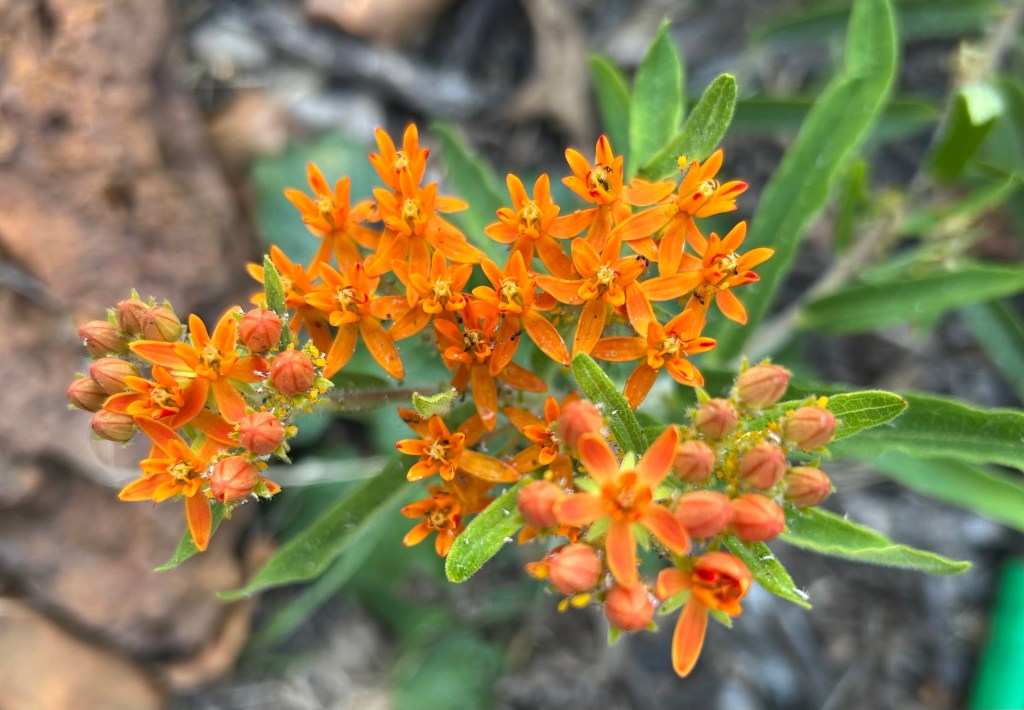
Butterfly weed in bloom
Step by Step Instructions to Harvest Milkweed Seeds
One of the favorite plants I have planted so far in my garden is Asclepias tuberosa, also known as Butterfly weed or Orange milkweed. It is a native species of milkweed that can be used as a host plant by the caterpillars of the Monarch butterfly, which have recently been shown to be in decline all over the country. I planted this milkweed in my garden two years ago from seed and it produces dainty orange flowers which are visited by butterflies and many other pollinators for its supply of nectar.
Here Are the Steps for Harvesting the Seeds:
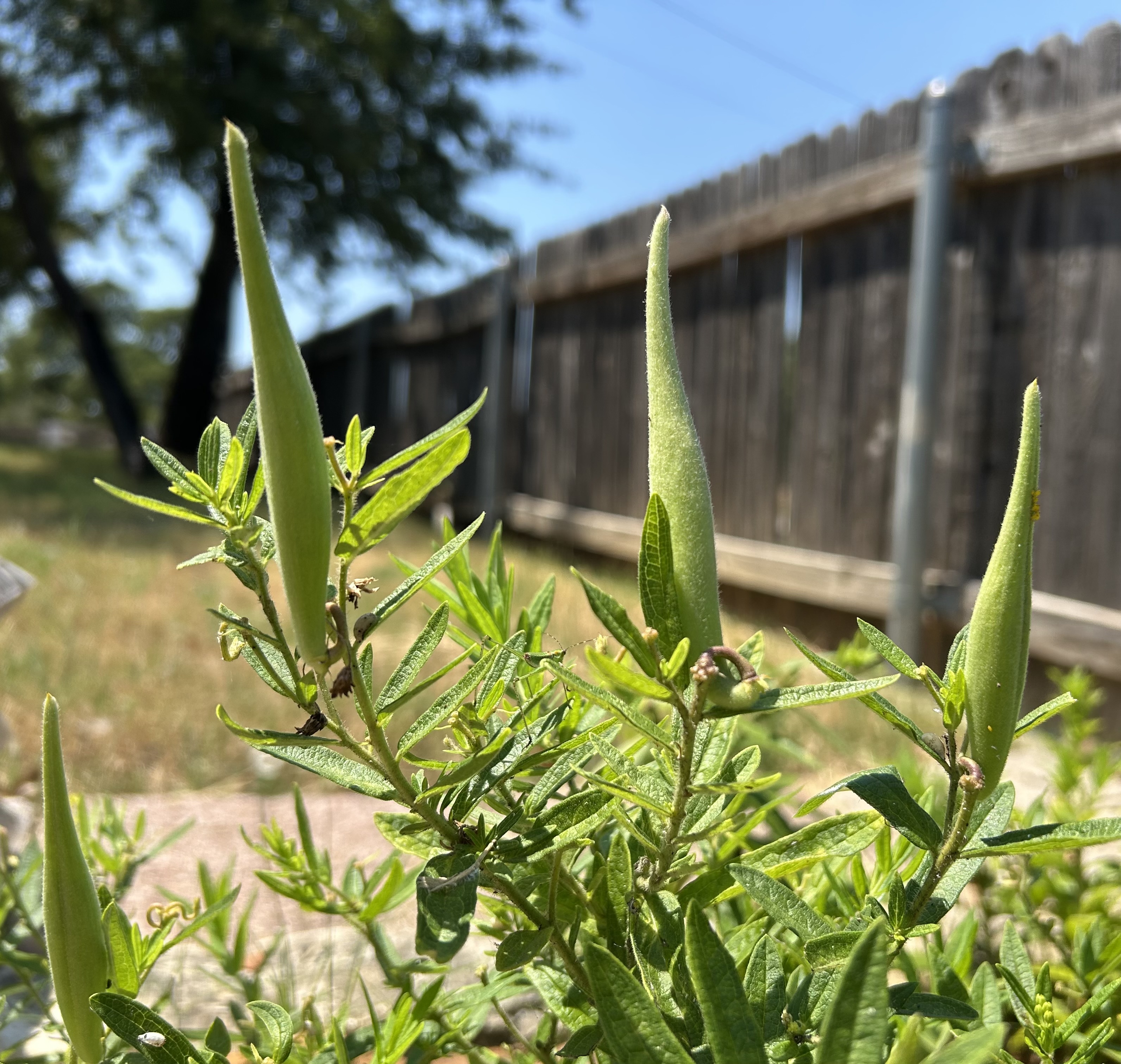
Milkweed pods while still green
1. Let the plant flower and watch the seed pods to begin to form
It can take a total of 1-2 months after the milkweed has finished blooming until the pods are ripe enough for seeds to be mature and ready to harvest.
2. Wait for the seed pods to ripen
As shown in the photo above they first look green and similar to pea pods, these are not ready yet.
The key is to allow the seeds enough time to develop, but harvest them before the pod splits open and they blow away.
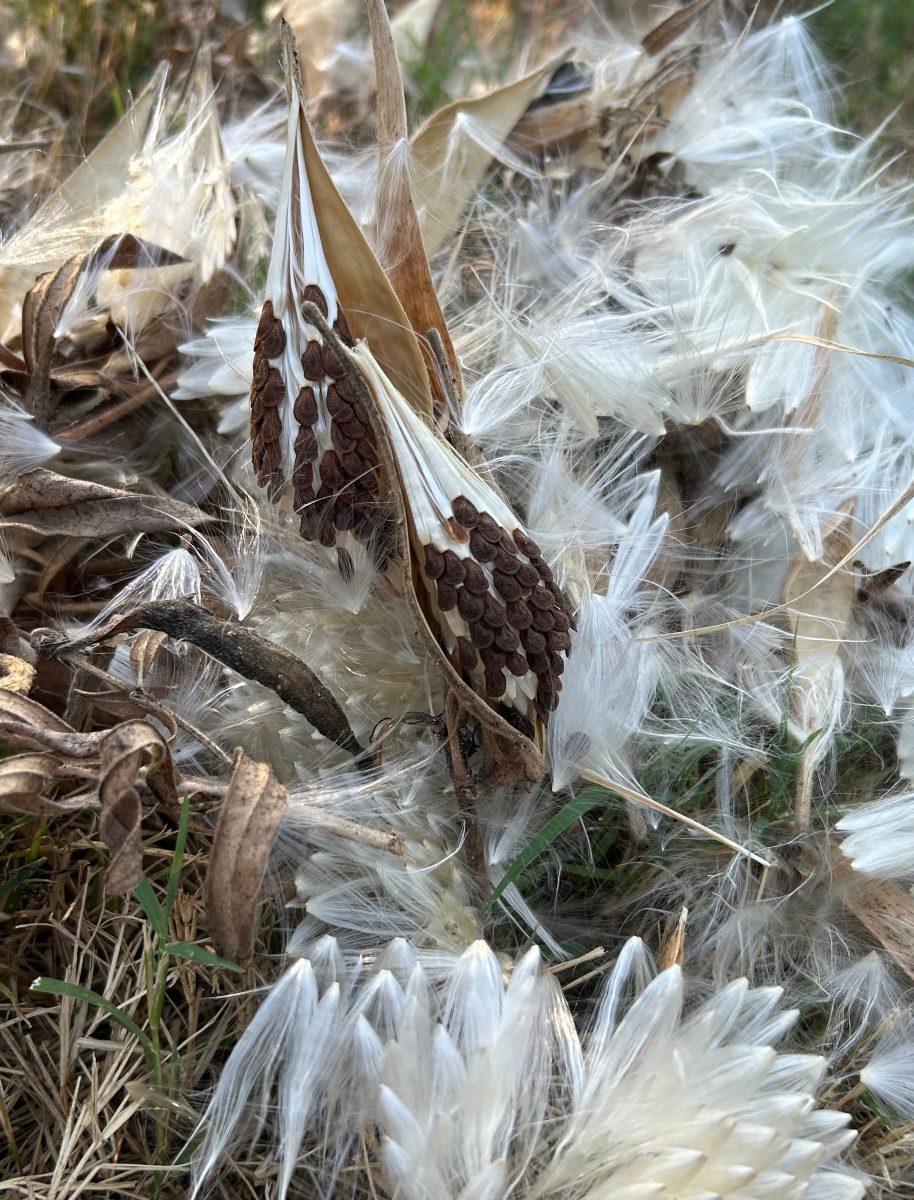
As the pods ripen they will turn lighter to tan. The pods should look and feel plump and even start to look like they are going to burst at the seams.
3. Remove pods from plant
At this point, cut them at the stems and leave them to dry in a well-aerated spot. A paper bag will work as long as they are stored somewhere warm and dry.
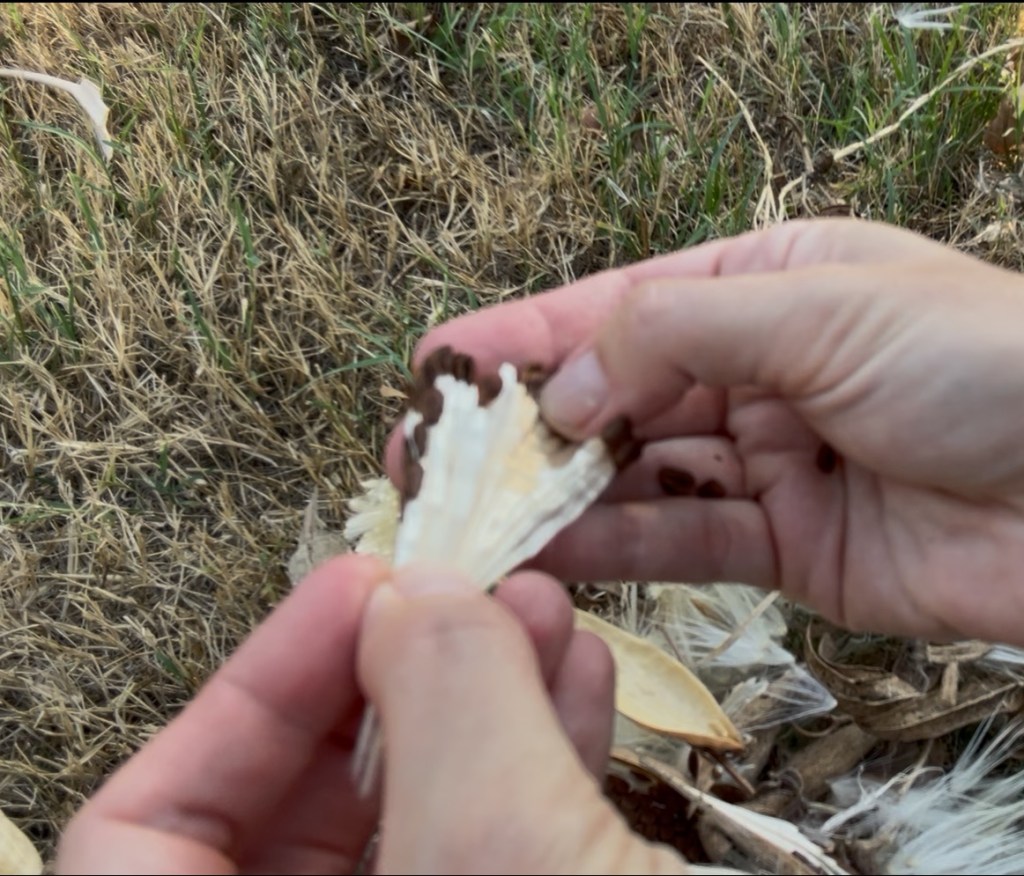
Separating the fluff from milkweed seeds
4. In 1-2 weeks when the pods are dried and splitting open, carefully remove the fluff and capture the seeds
Pinching the top of the bunches of fluff with your fingers helps to keep them together while using your other hand to gently detach the seeds. They detach easily once the pods have dried.
Viable seeds will be dark brown. If the seeds are harvested too early and not allowed to mature, they will be lighter or white and will not germinate when planted.
5. Store seeds in a cool dry place away from moisture and light
Butterfly weed is a fun and attractive native plant that requires little fuss or maintenance. Because it is a native species it is adapted to thrive in this climate. The butterfly weed I planted two years ago in my heavy clay soil has done surprisingly well with little maintenance. Better yet, it benefits many other parts of the ecosystem such as butterflies, caterpillars and additional pollinator species.

Monarch butterfly caterpillar on milkweed plant.
If you are planning or planting this season, the Butterfly Garden Cheat Sheet can help you check that the basic habitat pieces are in place.
Related Guides:
The Complete Guide to Butterfly Gardening: How to Attract, Feed, and Protect Butterflies All Year
How to Care for Milkweed: A Complete Guide for Healthy Monarch Host Plants
How to Germinate Milkweed Seeds
Photo credit: monarch caterpillar – AJ Joy
 Butterfly garden paradise
Leave a comment