

An Easy Guide to Grow More Plants
If you have ever tried planting milkweed seeds straight into soil and nothing sprouted, you are not alone. Milkweed seeds naturally go through a winter period before they will grow — a process called cold stratification. In nature, this happens when seeds fall in autumn, spend the winter in cold, moist ground, and germinate with spring warmth. The good news is, you can easily recreate that process at home with just a plastic bag, paper towel, and refrigerator.
Who This Milkweed Germination Guide Is For
This guide is ideal if:
• You tried planting milkweed seeds before and nothing came up
• You are growing native milkweed species that require cold stratification
• You want a reliable, low-effort method that works indoors
• You are growing milkweed specifically to support monarch caterpillars
This is the method that has worked most consistently for me when growing native milkweed from seed. It uses a small sealable plastic bag and paper towels. It is low-mess, space-efficient, and lets you keep a close eye on your seeds as they sprout.

Butterfly weed (Asclepias tuberosa) the yellow variant in bloom.
Many species of milkweed, especially those native to colder areas, germinate best when exposed to a cold period that mimics winter to break their dormancy. After the period of cold is over and conditions warm, the temperature change signals to the seed that it is time to grow. Growers can mimic this period by chilling seeds before planting. This ensures the best rates of seed germination.
Milkweed Germination Is Not One-Size-Fits-All
Different milkweed species have different germination needs, which is one reason many gardeners struggle.
Here is how the most common types differ:
• Butterfly Weed (Asclepias tuberosa)
Needs cold stratification (30–60 days). Slow to sprout and slow growing at first, but very drought tolerant once established.
• Common Milkweed (Asclepias syriaca)
Requires cold stratification (30–60 days). Germinates more reliably than butterfly weed can spread aggressively once mature.
• Swamp Milkweed (Asclepias incarnata)
Needs cold stratification (30 days) but germinates faster than many other species. Prefers consistently moist soil.
• Green Milkweed & Antelope Horn Milkweed (Asclepias viridis & A. asperula)
Native to hot, dry regions (including Texas). These often need longer stratification (45–60 days) and are naturally slow to emerge.
If your seeds are taking longer than expected, species differences—not failure—are often the reason.
A Note About Tropical Milkweed
Tropical milkweed (Asclepias curassavica) does not require cold stratification and germinates easily compared to most native species. However, outside of its native range, it has been linked to increased disease risk in monarch butterflies when it does not die back naturally in winter.
For this reason, I focus on native milkweed species. Native plants support healthier monarch life cycles and are better adapted to local seasonal cues. If you choose to grow tropical milkweed, it is important to manage it carefully and understand the potential risks. This guide is written primarily for gardeners growing native milkweed from seed.
Step 1: Prepare the Materials
Cut a piece of paper towel that will fit inside the plastic bag when folded. Lay it flat on a clean surface, then place your milkweed seeds on one side of the towel, spacing them at least ¼ inch apart so the roots won’t tangle later.
Step 2: Moisten and Seal
Fold the paper towel over to cover the seeds, then lightly wet it until it is damp but not dripping—you want it moist enough to keep the seeds hydrated without causing mold. Place the folded towel into the plastic bag, and label it with the seed type and today’s date.

Example of of small plastic bag, milkweed seeds and paper towel ready to be moistened and stratified in the fridge.
Step 3: Stratify in the Refrigerator
Seal the bag and place it in the refrigerator for 30 days. This cold, moist period—called moist stratification—mimics winter conditions and helps the seeds break dormancy so they can germinate successfully later. Check seeds periodically for mold. Mold can indicate too much moisture or that the seed was not viable. Remove seeds that are moldy or rotted immediately and replace paper towel and baggie.
Step 4: Move to Warmth and Light
After 30 days, remove the bag from the fridge and put it somewhere bright and warm. A sunny windowsill or spot under grow lights works perfectly. Within about 10–20 days, you will start to see small white roots emerging—sometimes even sooner.

Milkweed seedling with its two first leaves called cotyledons.
Step 5: Transplant the Seedlings
When a tiny root (called a radicle) appears, it is time to move the seedlings into soil. Gently lift each one from the paper towel using tweezers or the corner of the towel, and plant it in moist, well-draining soil. Keep the soil evenly damp and give them plenty of light as they continue to grow.
The full guide to growing healthy milkweed plants for monarchs and other pollinators can be found here.
Quick Decision Guide: What to Do Based on Your Situation
• Seeds never sprouted at all → Go to Milkweed Seeds Not Germinating
• Seeds sprouted but stalled → Check soil temperature and light
• Seedlings died suddenly → Look for damping-off causes
• Very slow growth → Normal for many native milkweeds
Milkweed often tests patience before rewarding it.
Troubleshooting
Milkweed Seeds Not Germinating? (5 Common Reasons)
Milkweed seeds can be slow to sprout, and even experienced gardeners sometimes struggle. If your seeds have not popped up yet, here are the 5 most common reasons why:
1. Seeds Were Not Cold-Stratified Long Enough
Most milkweed varieties need at least 30 days of cold, moist stratification to wake up from dormancy. Some varieties need 60 days. If they did not get enough chill time, they may stay ‘asleep’ in the soil.
Solution: Chill your seeds in the fridge for at least a month in a damp paper towel or plant outdoors in winter and let nature stratify them.
2. The Soil Temperature Is Too Warm or Too Cold
Milkweed likes soil temps between 65–75°F for germination.
Too hot = seeds stall.
Too cold = seeds stay dormant.
Solution: Keep your seed tray in bright indirect light but not in direct sun or near a heat vent.
3. Seeds Are Buried Too Deep
Milkweed seeds need light to germinate. If the seeds are covered with too much soil, they might never sprout.
Solution: Press seeds gently into the surface and cover with only a dusting of soil or vermiculite.
4. The Soil Is Staying Too Wet
Milkweed likes moisture—but not sogginess. Constantly wet soil deprives seeds of oxygen, causing rot.
Solution: Water lightly, let the top layer dry slightly, and make sure drainage holes are working.
5. The Seeds Are Old or Unviable
Milkweed seed viability drops after 1–2 years unless stored perfectly.
Fix: Use fresh seeds when possible, or plant extra to increase your chances of success.
When to Start Over (and When to Wait)
Milkweed seeds can remain dormant longer than expected, especially native species.
• If seeds show no mold and no rot, keep waiting
• If seeds smell sour, turn black, or dissolve → discard
• If nothing happens after 60–90 days, start fresh with new seeds
Starting over is not failure — it is often part of growing native plants successfully.
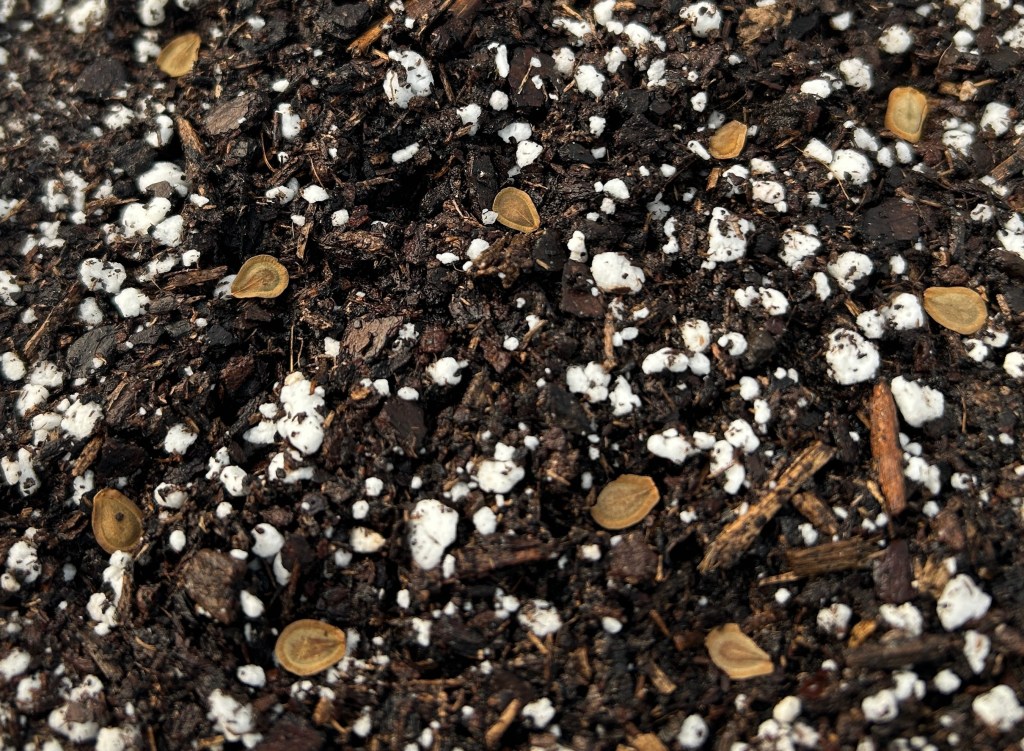
Green milkweed (Asclepias viridis) seeds surface-sown and lightly pressed into moist soil for contact.
How Long Do Milkweed Seeds Take to Sprout?
Milkweed germination can vary a lot by species. Under ideal conditions, you can expect:
• Asclepias tuberosa (Butterfly Weed): 10–20 days
• Common Milkweed (A. syriaca): 14–28 days
• Swamp Milkweed (A. incarnata): 10–20 days
• Antelope Horn & Green Antelope Horn (A. asperula & A. viridis): 20–40+ days (these are very slow and need strong cold stratification)
Cooler temps, low light, or thick soil covering can easily add another 1–3 weeks. If your seeds have not sprouted yet, do not panic — milkweed is notorious for taking its time.
Troubleshooting for Tiny Milkweed Seedlings
If your seeds sprouted but the seedlings look weak, leggy, or are dying off, here is what to look for:
1. Seedlings Are Stretching or Falling Over (Leggy)
This means they are not getting enough light.
Solution:
• Move them to a south-facing window or under bright grow lights
• Keep the light 2–4 inches above the seedlings
• Rotate containers every few days
2. Seedlings Are Turning Yellow
Usually a sign of overwatering or nutrient-poor soil.
Solution:
• Let the top layer of soil dry slightly between waterings
• Ensure drainage holes are open
• After true leaves appear, feed lightly with a diluted fertilizer (¼ strength)
3. Seedlings Sudden Collapse at the Base (Damping-Off)
A fungal issue caused by humid, stagnant conditions.
Solution:
• Increase airflow around seedlings
• Avoid watering from above — bottom water instead
• Use sterile seed-starting mix
• Sprinkle a thin layer of vermiculite on top of the soil to keep the stem dry
4. Seedlings Stop Growing
Milkweed grows slowly at first, especially butterfly weed and antelope horn types.
Solution:
• Give them more light
• Keep soil lightly moist
• Ensure they are not too cold (ideal temp: 65–75°F)
• Do not fertilize until true leaves appear
5. Seedlings Wilt After Transplanting
Milkweed hates root disturbance when small.
Solution:
• Transplant only once seedlings have 2–3 sets of true leaves
• Harden off for 7–10 days
• Plant on a cloudy day or in the evening
• Water deeply once, then let the soil dry a bit
Can You Germinate Milkweed Seeds Outdoors?
Yes. Milkweed seeds can also be planted outdoors in late fall or winter and allowed to cold stratify naturally.
This works best if:
• Winters are cold enough to break dormancy (30-60 days between 34-40 degrees F)
• Seeds are protected from washing away
• You are patient with uneven germination
Indoor stratification gives more control, but direct outdoor sowing is a valid option for larger plantings. Personally, I have not had success scattering milkweed seeds outdoors and having them germinate reliably. In hot, variable climates like Texas, seeds can wash away, dry out, or fail to receive consistent cold and moisture.
I really value my seeds, so I prefer controlled methods that protect seed viability and improve success rates. For gardeners who still want an outdoor approach, winter sowing in containers offers more protection and control than scattering seed directly on the ground. I recently sowed some green milkweed (Aclepias viridis) seeds using this winter sowing method.

Monarch butterfly caterpillar on milkweed leaves.
Why It Is Worth the Effort
Native milkweed species are adapted to long timelines and seasonal cues. Once established, they are more resilient, longer-lived, and far more valuable to monarch caterpillars than quick-growing alternatives. The patience you invest now leads to stronger plants and a healthier butterfly garden for years to come.
Taking the time to stratify your milkweed seeds dramatically improves germination rates and ensures stronger, more resilient plants. These early steps pay off later when your garden is filled with milkweed that sustains caterpillars and attracts monarch butterflies all season long.
If you are planning or planting this season, the Butterfly Garden Cheat Sheet can help you check that the basic habitat pieces are in place.
Related Guides:
The Complete Guide to Butterfly Gardening: How to Attract, Feed, and Protect Butterflies All Year
 Butterfly garden paradise
Leave a comment