

Fall is the perfect time to plant perennials, giving roots a head start before winter. These ten native, nectar-rich perennials are low-maintenance and perfect for attracting bees and butterflies.
The unique benefits of planting natives: These flowers support local pollinators with the nectar and habitat they rely on naturally, creating a healthier, more resilient garden ecosystem. Because native plants are adapted to their local climate and soils, they typically need less water, fertilizer and maintenance than non-native plants. They provide natural beauty and sustain pollinators with less time and resources than non-adapted species- to me that is a win-win!

1. Echinacea purpurea (Purple Coneflower)
Zones: 3–9
Sun: Full sun
Soil: Well-draining; tolerates poor soil
Water: Low; drought-tolerant once established
Planting Tips:
• Plant in fall to allow root establishment.
• Space 12–18 inches apart.
• Cut back old stems in late winter.
Why Butterflies Love It
Nectar-rich flowers attract monarchs, swallowtails, painted ladies, and other pollinators.
Bonus Fact
Purple echinacea is the host plant of the Silvery checkerspot butterfly.
Ease of Care
Extremely hardy, resistant to drought and disease, and self-seeds naturally.
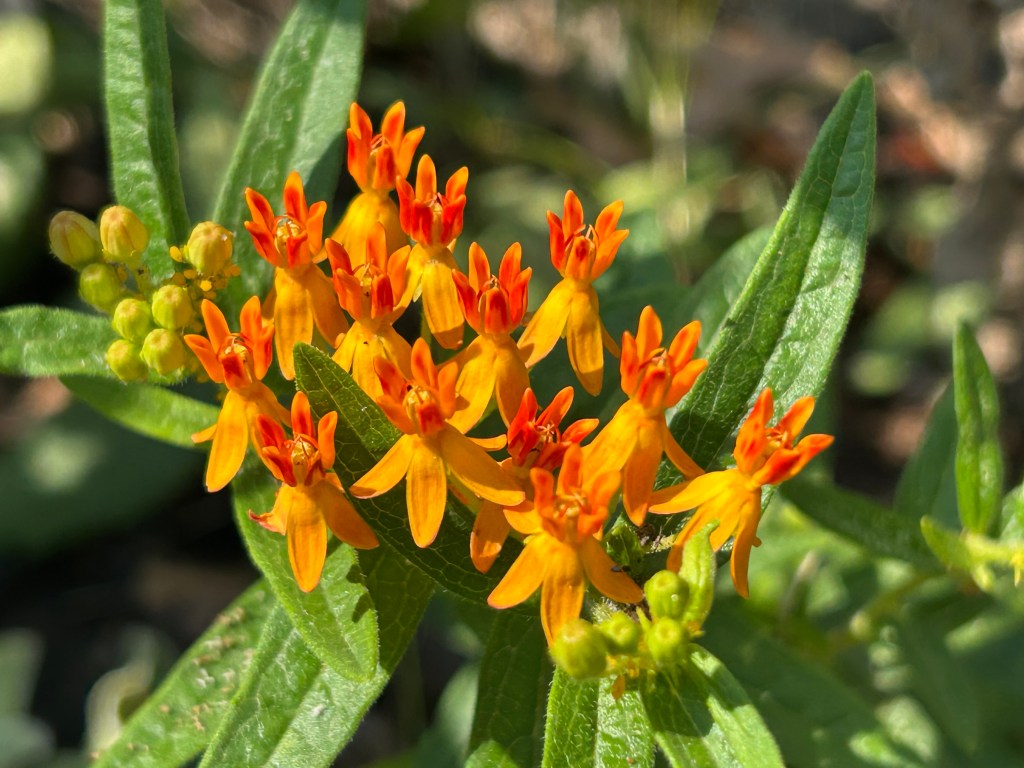
2. Asclepias tuberosa (Butterfly Milkweed)
Zones: 3–9
Sun: Full sun
Soil: Well-draining; sandy or loamy soil preferred
Water: Low; drought-tolerant once established
Planting Tips:
• Plant bare-root or potted plants in fall.
• Space 12–24 inches apart.
• Avoid over-fertilizing — lean soil encourages blooms.
Why Butterflies Love It
Essential for monarchs; caterpillars feed on leaves, while adults sip nectar.
Ease of Care
Tough, long-lived, and spreads naturally with minimal care.
Access the full guides on how to Grow your own Butterfly Milkweed from Seed and How to Harvest Milkweed Seeds.

3. Liatris spicata (a.k.a. Blazing Star, Gayfeather)
Zones: 3–9
Sun: Full sun
Soil: Well-draining; tolerates poor soil
Water: Low; drought-tolerant once established
Planting Tips:
• Plant corms 1–2 inches deep, 4–6 inches apart.
• Mulch lightly to protect roots over winter.
• Cut back dead foliage in late winter.
Why Butterflies Love It
Tall, purple flower spikes are loaded with nectar for swallowtails, monarchs, and fritillaries. A real butterfly magnet.
Ease of Care
Hardy, deer-resistant, and very low-maintenance.

4. Monarda fistulosa (Wild Bergamot)
Zones: 4–9
Sun: Full sun to partial shade
Soil: Moist, well-draining; tolerates average soil
Water: Moderate; drought-tolerant once established
Planting Tips:
• Plant in groups for maximum butterfly appeal.
• Mulch lightly to protect roots over winter.
• Divide every 3–4 years if clumps become crowded.
Why Butterflies Love It
Nectar-rich flowers attract monarchs, swallowtails, and hummingbird moths.
Ease of Care
Long-lived, hardy, and requires minimal maintenance aside from occasional division.
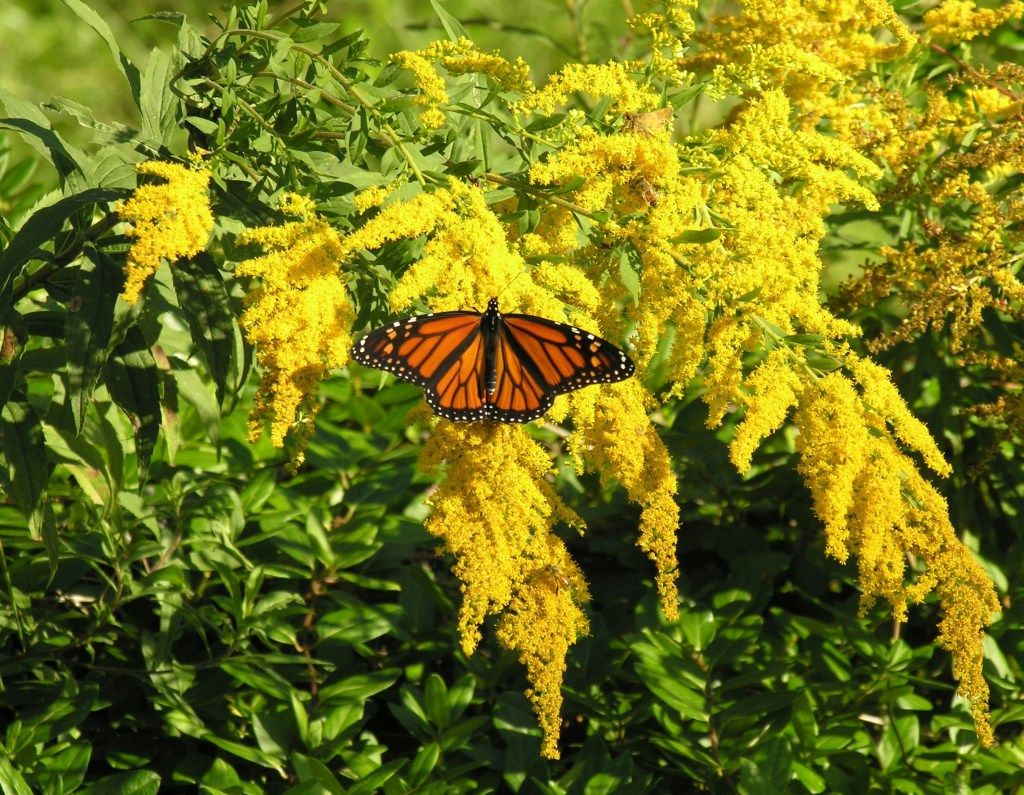
5. Solidago Species (Goldenrod, Showy Goldenrod)
Zones: 3–9
Sun: Full sun
Soil: Well-draining; tolerates poor soil
Water: Low; drought-tolerant once established
Planting Tips:
• Plant in fall 4–6 weeks before first frost.
• Space 12–18 inches apart.
• Cut back old stems in early spring.
Why Butterflies Love It
Bright yellow flowers provide late-season nectar, supporting migrating monarchs and other pollinators.
Ease of Care
Extremely hardy, drought-tolerant, and self-seeding; minimal maintenance required.
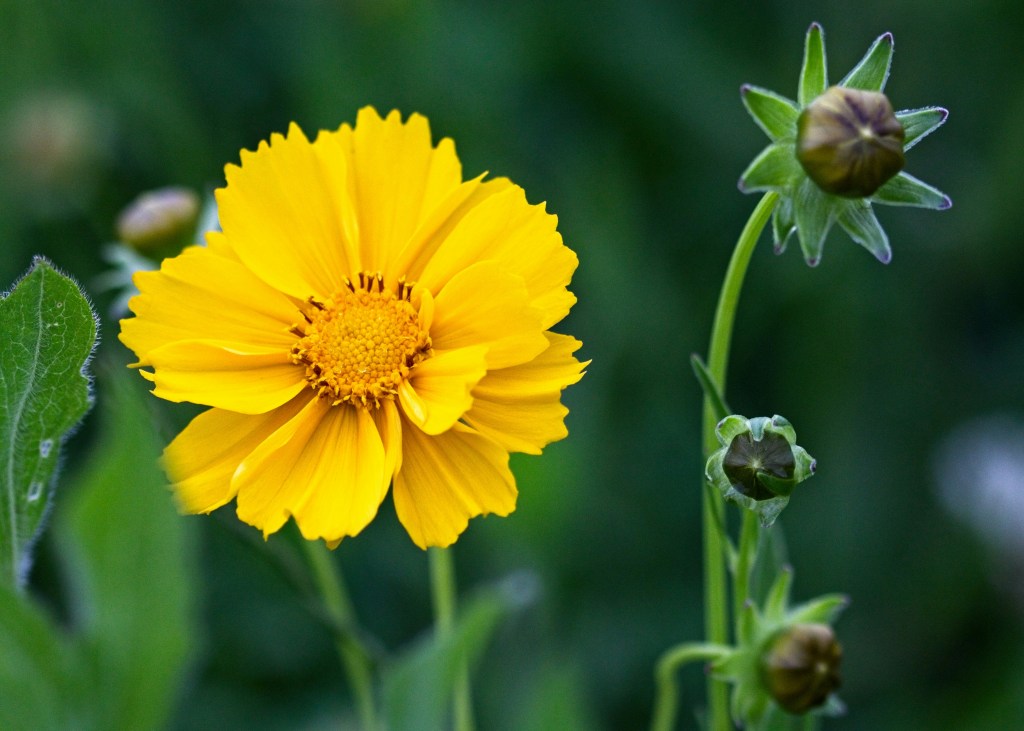
6. Coreopsis Species (Tickseed)
Zones: 4–9
Sun: Full sun
Soil: Well-draining; tolerates poor soil
Water: Low; drought-tolerant once established
Planting Tips:
• Plant in fall to allow roots to establish before frost.
• Space 12–18 inches apart.
• Deadhead lightly to extend bloom if desired, but not required.
Why Butterflies Love It
Bright yellow blooms provide easy access to nectar for swallowtails, fritillaries, and monarchs.
Ease of Care
Extremely hardy, drought-tolerant, and self-seeding without fuss.

This cultivar with green centers is called ‘Prairie Sun’.
7. Rudbeckia hirta (Black-eyed Susan)
Zones: 3–9
Sun: Full sun
Soil: Well-draining; tolerates average soil
Water: Low to moderate; drought-tolerant once established
Planting Tips:
• Plant in fall for root establishment before winter.
• Space 12–18 inches apart.
• Cut back old foliage in early spring.
Why Butterflies Love It
Nectar-rich flowers attract a variety of butterflies, including monarchs and swallowtails.
Ease of Care
Very hardy, tolerates heat and drought, and minimal maintenance needed.

8. Agastache foeniculum (Anise Hyssop)
Zones: 4–9
Sun: Full sun to light shade
Soil: Well-draining; tolerates average soil
Water: Low; drought-tolerant once established
Planting Tips:
• Plant in fall for roots to settle in before frost.
• Space 12–18 inches apart.
• Cut back stems in late winter if desired.
Why Butterflies Love It
Spikes of fragrant purple flowers attract monarchs, swallowtails, and hummingbirds. A true butterfly favorite!
Bonus Fact
Anise hyssop leaves are edible and can be steeped to make a licorice-flavored tea.
Ease of Care
Drought-tolerant, deer-resistant, long-blooming, and low-maintenance.

9. Penstemon digitalis (Foxglove Beardtongue)
Zones: 3–8
Sun: Full sun to partial shade
Soil: Well-draining; tolerates average soil
Water: Low to moderate; drought-tolerant once established
Planting Tips:
• Plant fall 4–6 weeks before first frost.
• Space 12–18 inches apart.
• Cut back after flowering if desired for tidiness.
Why Butterflies Love It
Tubular flowers provide abundant nectar for swallowtails and other long-tongued butterflies.
Ease of Care
Hardy, adaptable, and rarely bothered by pests.
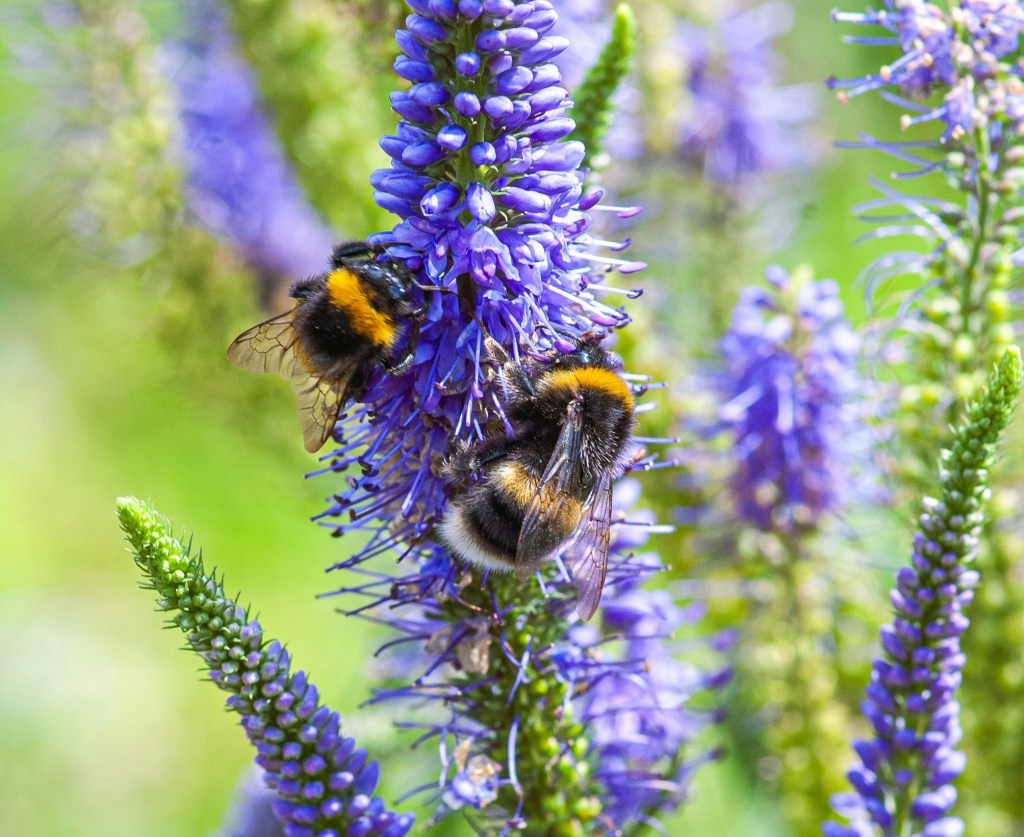
10. Veronica Species (ex. Culver’s Root or Upright Speedwell)
Zones: 3–9
Sun: Full sun to partial shade
Soil: Well-draining; tolerates average soil
Water: Low to moderate; drought-tolerant once established
Planting Tips:
• Plant in fall for best root establishment.
• Space 12–18 inches apart.
• Cut back dead stems in early spring if desired.
Why Butterflies Love It
Spikes of small flowers provide nectar for a variety of butterflies and pollinators.
Ease of Care
Low-maintenance, drought-tolerant, long-blooming, and attractive in borders or pollinator gardens.
Fall Planting Tips for Native Nectar Plants
• Soil Prep
Loosen soil and mix in compost if needed to provide nutrients. Add coarse materials to improve drainage if drainage is poor.
• Watering
Keep new plants moist until established; afterward, most natives need little, if any supplemental water.
• Mulch
Apply 2–3 inches to protect roots from frost.
• Timing
Plant at least 4–6 weeks before the first expected frost.

Final Thoughts
Fall is the perfect time to plant perennials. The soil is still warm, letting roots establish before winter, and you will be rewarded with abundant blooms and pollinators next spring and summer. These ten native, nectar-rich, low-maintenance perennials are excellent for attracting butterflies while keeping your garden easy to care for and enjoy.
If you are planning or planting this season, the Butterfly Garden Cheat Sheet can help you check that the basic habitat pieces are in place.
Related Guides:
The Complete Guide to Butterfly Gardening: How to Attract, Feed, and Protect Butterflies All Year
Monarch Host Plants vs. Nectar Plants: A Simple Beginner Guide
Fall Planting Guide for October in Texas Zone 8
Photo credits: cover – Skylar Ewing, purple coneflower- Roman Biernacki, liatris- Luo Chris, wild bergamot- Tom Fisk, Monarch on goldenrod- Michael Barrick, coreopsis- Karen Lauster, rudbeckia- Felix Schickel, Swallowtail on hyssop- Jeffrey Hamilton, penstemon digitalis- Ivan Evans, veronica- Yoksel Zok, person planting – Helena Lopes
 Butterfly garden paradise
Leave a comment