
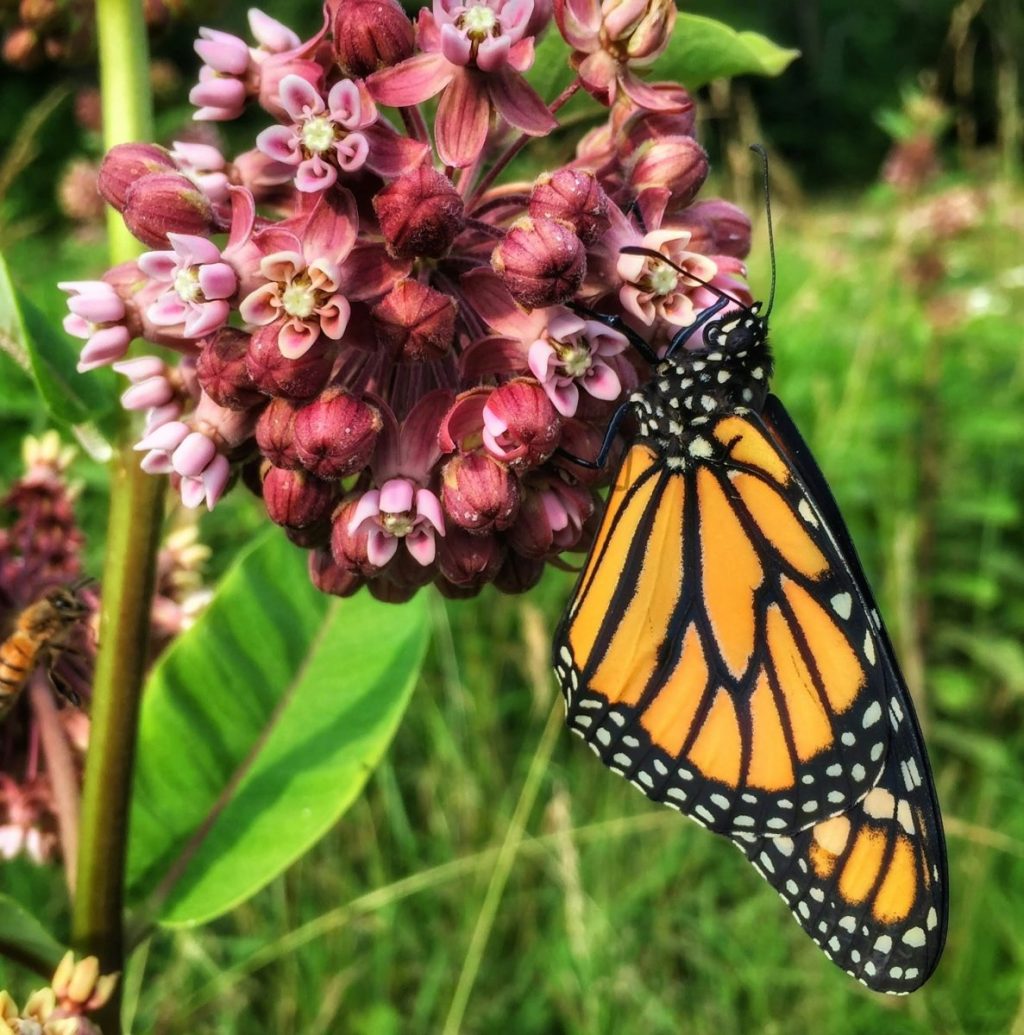
And Aid the Efforts to Save Them
Monarch butterflies are among the most beloved pollinators in North America. With their vibrant orange-and-black wings, long-distance migrations, and essential role in pollination, monarchs are both fascinating and vital to healthy ecosystems. Unfortunately, their populations have been in sharp decline due to habitat loss, pesticide use, and climate change. The good news is that gardeners like you can make a big difference by turning your outdoor space into a monarch-friendly habitat. Here is how to attract monarch butterflies to your garden—and help save them in the process.
Why Monarch Butterflies Need Our Help
Over the past two decades, monarch populations have dropped by more than 80%. The biggest reason is the decline of milkweed, the only host plant on which monarchs lay their eggs and the sole food source for monarch caterpillars. Without milkweed, monarchs cannot reproduce. In addition to host plants, nectar-rich flowers also serve as critical fuel for adult butterflies as they migrate thousands of miles from Canada and the United States down to Mexico each year.
By planting milkweed and other pollinator-friendly plants in your garden, you can provide food, shelter, and breeding grounds for monarchs at the time it is needed the most.

A monarch butterfly caterpillar on its host plant Common milkweed (Asclepias syriaca).
Step 1: Plant Milkweed (Monarch Host Plant)
• Essential for Caterpillars
Monarchs lay their eggs exclusively on milkweed (genus Asclepias). Once hatched, the caterpillars remain on the milkweed plants to feed on the leaves until they are ready to look for a place to form a crysalis or pupate.
• Native is Best
Choose native milkweed species according to your region, such as Asclepias tuberosa (Butterfly Weed), Asclepias incarnata (Swamp Milkweed), or Asclepias syriaca (Common Milkweed). Monarchwatch.org has a recommended list of milkweeds for each region of the U.S. Check local nurseries where native plants for your region may be easier to find. Some of the rarer milkweeds may only be available locally or from specific suppliers dedicated to native plants.
See the full guide on the best native milkweed for monarchs in Texas (Zone 8).
If you buy the plants from a nursery make sure they are not treated with anything that will harm caterpillars if they eat them. (Foliar sprays typically break down in 1-2 weeks, but systemic insecticides may take longer).
• Avoid Tropical Milkweed
Non-native milkweed species like Asclepias curassavica can cause disease and disrupt migration if not managed properly.

Monarch butterfly feeding from nectar from Fall aster flowers.
Extra tip: to be able to grow a lot of milkweed on a budget, I prefer to start my plants from seed. You can find the tutorial here (it is step-by-step and very easy): starting milkweed from seed.
Also see the entire guide to milkweed planting and care for more tips on growing healthy plants for healthy monarchs.
Step 2: Add Nectar Plants for Adult Monarchs
Milkweed sustains caterpillars and allows monarchs to reproduce, but adult monarchs rely on nectar plants throughout the season including during their migration. The best way to support them is to plant a variety of blooms that will flower in succession from spring through fall.
• Spring/Summer Nectar Sources
Purple coneflower (Echinacea purpurea), Black-eyed Susan (Rudbeckia hirta), Bee balm (Monarda).
• Fall Sources for Use During Migration
Lantana, Zinnias, Goldenrod (Solidago), Asters (Symphyotrichum), Frostweed (Verbesina virginica), Ironweed (Vernonia), Blazing Star (Liatris).
• Plant in Groups
Clusters of flowers are easier for butterflies to spot from the air as they fly over than a few single plants.

A monarch butterfly chrysalis with morning dew
Step 3: Provide Shelter and Water
• Shelter
Shrubs, tall grasses, or native perennials provide safe resting places from wind, rain and predators.
• Puddling Spots
Shallow water dishes with sand or mud give monarchs essential minerals and hydration. Learn how to make your own simple butterfly puddler.
• Avoid Pesticides
Chemicals can kill both caterpillars and adult butterflies. By committing to help monarch butterflies you are providing a safe haven for them in your garden in the midst of potentially unsafe environments in other areas.

Step 4: Think Migration
Especially in the southern states of the U.S., fall-blooming flowers provide essential fuel for monarchs on their southward journey to Mexico. If you live in a migration path, your garden becomes a pit stop on one of the most remarkable migrations in the insect world.
You can track the monarch migration by visiting our homepage and clicking on the monarch migration map to verify when the monarchs will arrive near you.
You can also create a Monarch Waystation and apply for certification on Monarch Watch if you meet their minimum requirements. These are: at least 10-20 milkweed plants, 4 nectar sources with scattered bloom times, and management without the use of pesticides. Certified sites receive a sign and certificate, but you can still create a Waystation without registering— it is the habitat that matters most.
Here is our guide to creating your own Monarch Waystation with all the essential elements included.
Extra Tips for a Monarch-Friendly Garden
• Go Organic
Use natural methods for weed and pest control. See natural pest control options here.
• Diversify Plant Heights
Butterflies are attracted to layered landscapes.
• Record Your Sightings
Contribute to citizen science projects like Journey North or Monarch Watch.
Final Thoughts
By planting milkweed, adding nectar-rich flowers, and creating a safe environment, you can transform your garden into a monarch oasis. Every garden counts—no matter how small. The simple act of growing the right plants helps sustain one of the most iconic butterflies in the world while adding beauty and movement to your yard.
If you are new to butterfly gardening, the Butterfly Garden Cheat Sheet outlines the basic conditions butterflies look for when choosing a garden.
Related Guides:
The Complete Guide to Butterfly Gardening: How to Attract, Feed, and Protect Butterflies All Year
Common Mistakes That Scare Butterflies Away: How to Keep Your Garden Butterfly-Friendly
Monarch Host Plants vs. Nectar Plants: A Simple Beginner Guide
Photo credits: Cover monarch on common milkweed – Ashlee Marie, monarch caterpillar on milkweed – Dawn Brown, monarch on aster – Esperanza Doronila, monarch chrysalis – Julissa Helmuth, garden sign – Nicholas Sorrenti
 Butterfly garden paradise
Leave a comment