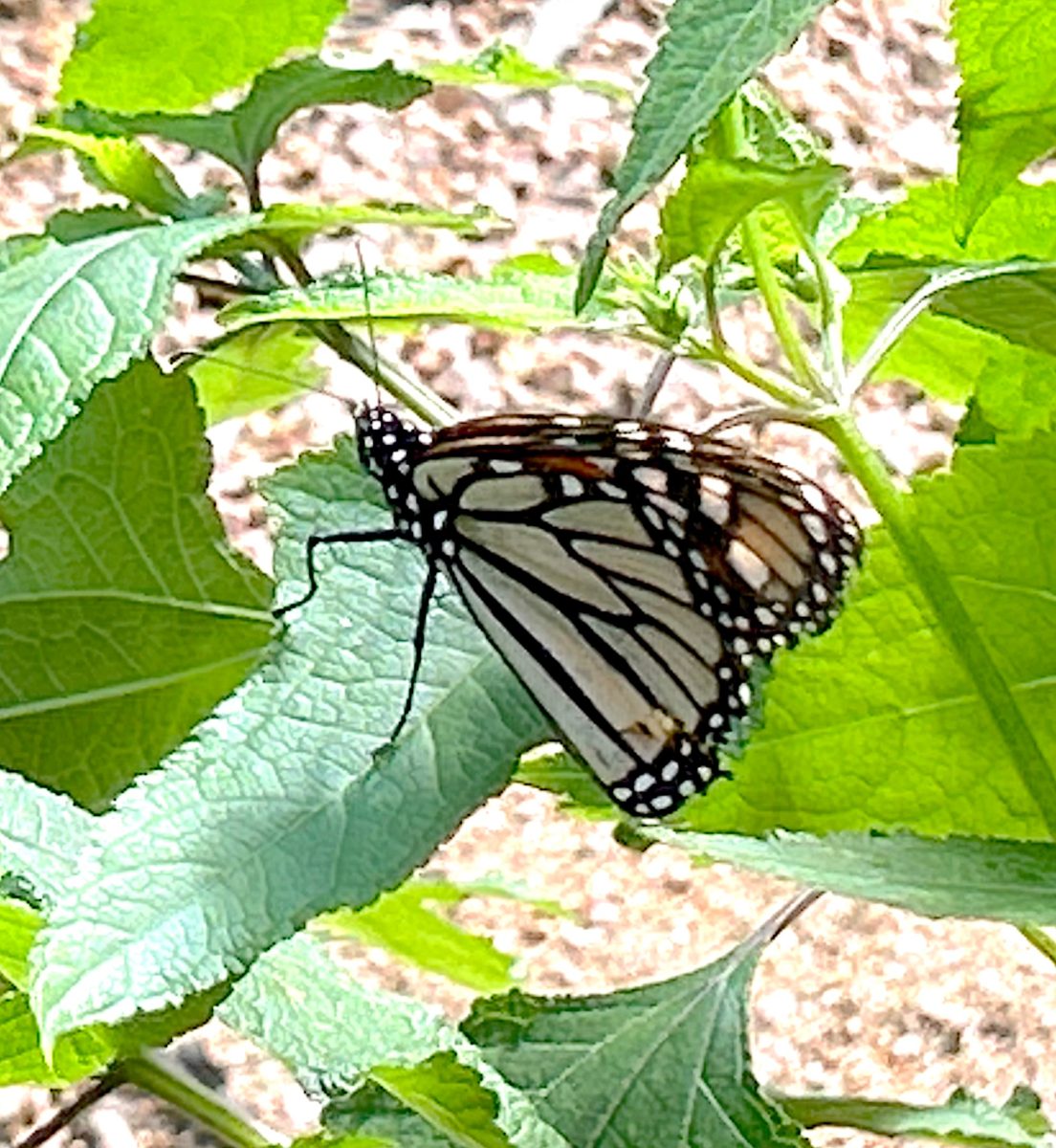
Monarch butterflies (Danaus plexippus) are one of North America’s most recognizable butterflies, but they depend on suitable habitat throughout their migration and breeding cycle. A Monarch Waystation is a garden designed to provide some of the resources monarchs need along the way, including milkweed for caterpillars, nectar plants for adults, and vegetation that provides shelter.
Texas is especially important for monarch conservation because it lies between the butterflies’ principal summer breeding grounds and their overwintering grounds in Mexico. Monarchs pass through Texas during both spring and fall migration, making gardens throughout the state potential sources of food and habitat along their journey.
For gardeners in Texas Zone 8, creating a successful waystation takes more than simply planting a few milkweeds. The garden also needs to withstand intense summer heat, periods of drought, heavy clay or other challenging soils, and the seasonal timing of monarch migration. Choosing plants that are well adapted to the local growing conditions can make the garden more resilient while providing better habitat for monarchs and other pollinators.
Texas lies along the central migration corridor— waystations are particularly important here because they provide critical stopover resources for butterflies traveling hundreds of miles between Mexico and the northern U.S.

Image courtesy of USFWS.
What Is a Monarch Waystation?
A Monarch Waystation is a garden or other habitat specifically designed to provide resources for monarch butterflies. The basic idea is simple: provide milkweed for monarch caterpillars, nectar for adult butterflies, and enough vegetation to provide shelter from predators and the elements. Monarch Watch’s guidelines are designed so that a waystation can be incorporated into an existing home landscape rather than requiring a large dedicated garden.
Milkweed is especially important because monarch caterpillars can feed only on milkweeds and milkweed vines. Female monarchs seek out these plants to lay their eggs, allowing the next generation to develop before continuing the migration cycle. Texas has more than 35 native milkweed species, although the species best suited to a garden depend on the region, soil, drainage, and moisture conditions.
Adult monarchs have different needs. They feed on flower nectar rather than milkweed leaves, so a functioning waystation should include multiple nectar plants with overlapping bloom periods. Providing flowers from spring through fall helps ensure that nectar is available during both breeding and migration.
A waystation also doesn’t have to look like a formal butterfly garden. Native grasses, shrubs, perennial flowers, and other vegetation can be incorporated into a landscape in ways that provide shelter while still creating an attractive garden.
Why Monarch Waystations Matter in Texas
Texas occupies an important position in the monarch’s annual migration. During spring, monarchs returning from their wintering grounds in Mexico move north through Texas, seeking newly emerging milkweeds where females can lay eggs. Their offspring continue northward as the next generations develop.
Fall migration brings another important opportunity for Texas gardens. Monarchs travel south through the state toward Mexico, using nectar sources to refuel along the way. A major central Texas migration corridor stretches roughly from Wichita Falls to Eagle Pass, with monarchs generally entering this portion of Texas toward the end of September and most passing through by early November. A second migration route follows the Texas coast later in the fall.
This makes habitat particularly valuable along the migration corridor, but a garden does not need to sit directly on a mapped flyway to be worthwhile. Monarchs can travel widely while migrating, and adding native host and nectar plants helps increase the amount of suitable habitat available across the landscape.
For North Texas gardeners, the timing is particularly useful to understand. Fall isn’t simply the end of the gardening season—it is an important period for monarch migration and for establishing plants that will support the garden in future seasons.
What Does a Monarch Waystation Need?
A successful waystation doesn’t need to be complicated. The essential pieces are:
- Milkweed: Host plants where monarchs can lay eggs and caterpillars can feed.
- Nectar plants: Flowers that provide food for adult monarchs throughout the growing season.
- Shelter: Vegetation that provides protection from wind, weather, and predators.
- Sunlight: Most milkweeds and nectar plants perform best in sunny locations.
- Appropriate soil and drainage: Plants should be matched to the site’s conditions rather than forcing every species to grow in the same soil.
- Ongoing management: A waystation needs to be maintained as a living habitat rather than treated as a set-it-and-forget-it flower bed.
Water can also be a useful addition to a butterfly garden, particularly in a hot Texas climate, but a water feature is not one of Monarch Watch’s basic certification requirements. A shallow butterfly puddler can be added as an enhancement, especially if the goal is to support a wider variety of butterflies and pollinators.
How Large Does a Monarch Waystation Need to Be?
One of the nice things about creating a Monarch Waystation is that there is no minimum garden size required for Monarch Watch certification. A waystation can be incorporated into an existing flower bed, backyard garden, or other landscape. However, Monarch Watch notes that a habitat of at least 100 square feet is likely to be more effective, and the total habitat can even be divided among several separate areas on the same property. There is no upper size limit.
For a homeowner, that means there is no need to wait until there is room for a huge dedicated butterfly garden. A relatively small planting can still provide useful habitat, and additional plants can be added over time.
For North Texas gardeners in particular, starting with a manageable planting and expanding it as plants become established can be more practical than trying to create a large garden all at once. This also makes it easier to learn which milkweeds and nectar plants perform best in the specific soil and moisture conditions of the property.

Official Monarch Waystation sign available from monarchwatch.org
How to Certify a Monarch Waystation
Creating monarch habitat and certifying that habitat are two separate things. A garden does not have to be officially certified to provide valuable resources for monarchs.
If you want to make the garden an official Monarch Waystation, you can register it through Monarch Watch’s Waystation Program. Once approved, the habitat is added to the Monarch Waystation Registry and receives a unique Waystation identification number. Gardeners can also purchase an official weatherproof Waystation sign.
Monarch Watch’s current guidelines recommend:
- At least 10 milkweed plants, preferably representing two or more species
- Several nectar-producing annual, biennial, or perennial plants
- Plants arranged closely enough to provide shelter without being overcrowded
- At least six hours of sunlight per day
- Suitable soil and drainage for the plants selected
- A plan for maintaining the habitat over time
Using two or more milkweed species is recommended because different species can grow and flower at different times, potentially extending the period when suitable host plants are available. However, Monarch Watch notes that having more than 10 plants of a single milkweed species can also meet the guideline.
The important takeaway is that certification is not the goal of the habitat—the habitat is the goal. Certification simply provides a way to formally register and recognize the garden.
Choose the Right Location for Your Texas Monarch Waystation
The location of a Monarch Waystation can make a major difference in how well the plants establish and how much useful habitat the garden provides. Before choosing plants, look at the sunlight, drainage, soil, wind exposure, and available space. In Texas, these considerations are especially important because a site that looks ideal in spring can become extremely hot and dry by midsummer.
Start With Plenty of Sun
Most milkweeds and nectar-producing plants used in monarch gardens perform best in full sun. Monarchs also prefer sunny areas for basking. Aim for at least 6–8 hours of direct sunlight per day.
For a Texas Zone 8 garden, more sun is generally beneficial as long as the plants are appropriately matched to the site. Morning sun with some afternoon protection can work for certain plants, but a heavily shaded location will limit the number of milkweeds and nectar plants that can thrive.
Before installing a new bed, observe the area at different times of day. A location that receives full sun in spring may become partially shaded as nearby trees leaf out, while a south- or west-facing bed may receive intense afternoon heat that is challenging for newly planted seedlings.
Don’t choose the location based on spring conditions alone. Consider what the site will be like during a typical Texas summer, when temperatures can remain in the 90s or higher for extended periods.
Provide Some Protection From Wind
A waystation should have enough open space and sunlight for its plants, but completely exposed locations can be difficult for butterflies and tender plants. Fences, shrubs, trees, tall grasses, and other vegetation can provide protection from strong winds while still allowing plenty of sunlight into the garden.
Shelter is also an important component of a successful butterfly garden. Plants should be positioned relatively close together, while still allowing enough room for each species to grow properly. This vegetation provides protection from the elements and predators for monarchs and other wildlife.
For a new garden, this doesn’t mean building a complicated windbreak. Existing landscape features can often do the job. A fence on the north or west side, a nearby shrub border, or taller native plants around the edge of a bed can create a more sheltered interior without sacrificing the sunlight that butterflies need.
Pay Attention to Drainage
Good drainage is one of the most important considerations when choosing a Texas waystation site.
Many of the native milkweeds and nectar plants used in Texas butterfly gardens are adapted to relatively dry conditions and do best when their roots are not sitting in saturated soil. Monarch Watch recommends well-drained soil for most waystation plants, although some species are appropriate for wetter locations.
This is particularly important in areas with heavy Texas clay. Clay itself does not automatically make a site unsuitable for a Monarch Waystation. Many native Texas plants can grow successfully in clay when the site drains adequately. The bigger problem is often compacted soil that remains saturated after heavy rain.
Before creating a new bed, watch what happens after a significant rainfall. Does water drain away relatively quickly, or does it remain pooled for hours or even days? That observation can help determine which plants belong there.
A poorly drained site isn’t necessarily useless—it may simply call for different plants. Swamp milkweed (Asclepias incarnata), for example, is much better suited to consistently moist conditions than drought-adapted species such as green milkweed or antelope horn.
Don’t Fight Your Soil
One of the easiest mistakes in a Texas wildlife garden is trying to make the soil suitable for plants that don’t naturally belong there. Instead of choosing a plant first and then trying to completely change the site, start by asking:
- Is the soil heavy clay, sandy, rocky, or loamy?
- Does it drain quickly or stay wet?
- Does the site become extremely dry in summer?
- Is irrigation available?
- Does the area have naturally fertile soil or relatively lean soil?
Then choose plants accordingly.
This approach is especially useful with milkweed. Texas has many native species, but they don’t all occupy the same habitats. Some are adapted to dry prairies and rocky soils, while others are associated with moist areas. The best milkweed for a waystation is not necessarily the same species that performs best in someone else’s garden.
For a closer look at individual species and how to match them to Texas growing conditions, see the Texas Native Milkweed: The Best Species to Plant for Monarchs (Zone 8 Guide).
You Don’t Need a Separate Butterfly Garden
A Monarch Waystation doesn’t have to be a newly constructed bed, they can be incorporated into existing gardens. A sunny perennial border, part of a vegetable garden, the edge of a larger native planting, or even several smaller garden areas can provide habitat.
This can be especially useful in an established landscape where removing everything and starting over isn’t practical. Add milkweed to an existing sunny bed, increase the number of nectar plants, and allow some dense vegetation to remain for shelter. Over time, the garden can become a more substantial waystation without requiring a complete landscape renovation.
For gardeners starting from scratch, a dedicated bed does have advantages: soil preparation is easier, plants can be grouped according to their needs, and the garden can be designed around bloom succession from the beginning.

This monarch caterpillar was found on orange milkweed (Asclepias tuberosa) in August in Texas.
Choose the Right Milkweed for Your Texas Waystation
Milkweed is the foundation of a Monarch Waystation because it provides the only plants monarch caterpillars can eat. Female monarchs search for milkweed when they are ready to lay eggs, while the plants themselves can also provide nectar for adult butterflies. Texas is home to more than 35 native milkweed species, but they are not interchangeable. Different species are adapted to different soils, moisture levels, and regions of the state.
For a Texas Zone 8 garden, the best approach is not to choose a milkweed simply because it is native or because it is commonly sold at a nursery. Instead, match the species to the conditions where it will actually grow. A milkweed that thrives in a dry prairie may struggle in an irrigated garden, while a species adapted to moist soil may never be happy in a hot, dry bed.
Texas Milkweeds to Consider
| Milkweed | Best suited for | What makes it useful |
|---|---|---|
| Green milkweed (Asclepias viridis) | Sunny, well-drained gardens, prairies, and dry sites | One of the most important native milkweeds in Texas; tough, drought tolerant, and well suited to many Texas gardens |
| Antelope horn (Asclepias asperula) | Dry, sunny, rocky or sandy sites | A widespread Texas native that handles heat and dry conditions well |
| Zizotes (Asclepias oenotheroides) | Sunny, relatively dry gardens and naturalistic plantings | Compact, adaptable, and particularly well suited to much of Texas |
| Whorled milkweed (Asclepias verticillata) | Dry, sunny sites and native grass gardens | Fine-textured foliage and good drought tolerance once established |
| Butterfly weed (Asclepias tuberosa) | Sunny flower beds and well-drained clay, loam, or sandy soil | Showy orange, red, or yellow flowers, long bloom season, and excellent nectar value |
| Swamp milkweed (Asclepias incarnata) | Moist beds, rain gardens, and areas with regular irrigation | A good choice where other milkweeds would be too dry |
| Broadleaf milkweed (Asclepias latifolia) | Dry western Texas sites | A tough native of dry plains and prairies, particularly relevant farther west |
| Texas milkweed (Asclepias texana) | Rocky, well-drained Central and West Texas sites | Regional native adapted to rocky habitats and relatively dry conditions |
Texas has many additional native milkweeds, so this isn’t an exhaustive list. It is a practical starting point for gardeners creating habitat rather than an attempt to rank every milkweed found in the state.
For detailed information about the individual species—including their growing conditions, establishment, and what to expect from them—see the Texas Native Milkweed: The Best Species to Plant for Monarchs (Zone 8 Guide).
More Milkweed Isn’t Necessarily Better Than the Right Milkweed
It can be tempting to plant several different milkweeds simply to increase variety, but matching the plant to the site is more important than collecting species. A sunny North Texas garden with heavy clay and relatively dry summers might be a good home for green milkweed, antelope horn, zizotes, or butterfly weed. A garden with consistently moist soil has very different possibilities, including swamp milkweed.
The same principle applies across Texas. The state contains an enormous range of habitats, and some milkweeds are much more regional than others. Choosing locally appropriate plants generally gives them a better chance of surviving Texas’s heat and weather extremes.
Consider Planting More Than One Species
If space allows, planting two or more milkweed species can be a useful strategy. Different species emerge, grow, flower, and go dormant at different times, so a mixture can provide host plants across a longer portion of the growing season.
It also gives the garden some insurance. If one species struggles during an unusually hot or wet season, another may perform better.
That doesn’t mean every waystation needs eight different milkweeds. Two or three species that genuinely fit the site can be more useful than a collection of plants that aren’t well suited to the conditions.
Don’t Forget Milkweed Vines
Milkweed isn’t limited to the upright Asclepias species most gardeners recognize. Climbing milkweeds like fringed twinevine (Funastrum cynanchoides) and pearl milkweed vine (Matelea reticulata) are other native Texas host plants used by monarch caterpillars and can be an interesting option where a twining vine fits into the landscape. Unlike the upright milkweeds above, it climbs through surrounding vegetation and needs room and support to grow.
For most home gardens, the Asclepias species above will be easier to incorporate into a traditional flower bed, but milkweed vine is worth knowing about when designing a more naturalistic habitat.
What About Tropical Milkweed?
Tropical milkweed (Asclepias curassavica) is widely sold in nurseries because it is attractive, easy to grow, and readily used by monarchs. However, it is not native to most of Texas and can spread harmful parasites.
For a Texas native garden, there are enough native choices that tropical milkweed isn’t necessary. A waystation built around locally appropriate native milkweeds also supports the broader goal of restoring native habitat rather than relying on a tropical species.
If tropical milkweed is already growing in a garden, that doesn’t mean it needs to be immediately ripped out. But when adding new plants, native Texas milkweeds are the better long-term choice for a Texas-focused habitat garden.

Flame acanthus in bloom, a great heat and drought-tolerant nectar source for butterflies and hummingbirds.
Add Nectar Plants for the Entire Growing Season
Milkweed is what makes a monarch garden a breeding habitat, but it is only one part of the picture. Adult monarchs need nectar throughout their lives, including while they are migrating through Texas. A waystation should therefore include a variety of flowering plants rather than relying on milkweed alone.
For a Texas Zone 8 garden, it is especially helpful to think about succession. Instead of having one big flush of flowers followed by a long period with little available nectar, choose plants that bloom at different times from spring through fall. This gives monarchs and other pollinators a more dependable food supply and makes the garden more useful throughout the year.
Prioritize Spring and Fall Blooms
Spring and fall deserve particular attention in a Texas monarch garden.
In spring, returning monarchs need nectar as they move north and establish the next generation. Fall brings another important migration period, when monarchs moving south need abundant nectar to fuel their journey toward Mexico. Texas native plants that bloom during these periods can make a waystation especially valuable.
Summer flowers are important too, particularly for monarchs that remain in Texas or pass through during the breeding season. A garden with spring, summer, and fall bloom periods is much more useful than one designed around a single season.
Native Texas Nectar Plants to Consider
There is no single list of plants that will work equally well throughout Texas. A plant that thrives in a dry North Texas garden may struggle in a wet East Texas site, while a Hill Country species may not be the best choice for the sandy soils of another region.
The following plants are good starting points for a Texas Zone 8 waystation, particularly where their preferred growing conditions match the site:
| Plant | Typical bloom period | Best conditions | Why include it |
|---|---|---|---|
| Prairie verbena (Glandularia bipinnatifida) | Spring–summer | Full sun, dry to average soil | Long-blooming native groundcover, provides early-season nectar and handles Texas heat |
| Indian blanket (Gaillardia pulchella) | Spring–fall | Full sun, dry to average soil | Long-blooming native annual that handles heat and drought |
| Winecup (Callirhoe spp.) | Spring–summer | Full sun, well-drained soil | Early-season flowers and a low-growing habit |
| Autumn sage (Salvia greggii) | Spring–fall | Full sun, well-drained soil | Long bloom period and valuable nectar source |
| Lantana (Lantana urticoides) | Spring–fall | Full sun, dry conditions | Texas native shrub with abundant butterfly-friendly flowers |
| Flame acanthus (Anisacanthus quadrifidus var. wrightii) | Summer–fall | Full sun, dry conditions | Heat-loving shrub with especially useful late-season flowers |
| Gayfeather (Liatris spp.) | Summer–fall | Full sun, well-drained soil | Tall flower spikes provide summer and fall nectar |
| Gregg’s mistflower (Conoclinium greggii) | Late summer–fall | Sun to part shade, average moisture | Excellent late-season nectar source where moisture is adequate |
| Frostweed (Verbesina virginica) | Late summer–fall | Sun to part shade, average moisture | One of the most valuable late-season Texas nectar plants |
| Maximilian sunflower (Helianthus maximiliani) | Fall | Full sun, average to dry soil | Tall fall bloomer that attracts many pollinators |
| Goldenrod (Solidago spp.) | Late summer–fall | Varies by species; generally sun | Important late-season nectar for butterflies and bees |
| Asters (Symphyotrichum spp.) | Fall | Varies by species | Valuable late-season flowers when many other plants are finishing |
Bloom periods are approximate and can vary with species, location, weather, and growing conditions.
The goal isn’t to plant every species on this list. Choose several that fit your particular site and combine plants with different bloom periods. Texas gardeners have an enormous number of native options, and even a relatively small waystation can contain considerably more plant diversity than a simple milkweed bed.
Native Texas nectar plants are particularly useful because they can provide resources for monarchs alongside a much broader community of butterflies, bees, moths, and other pollinators.
Build a Blooming Sequence, Not Just a Plant List
When choosing plants, look at the garden as a whole.
For example, a Zone 8 garden might begin with winecups, blanket flower, prairie verbena, and spring-blooming salvias, transition into lantana, flame acanthus, and other summer flowers, and finish with frostweed, Maximilian sunflower, goldenrod, asters, and other fall bloomers.
The exact combination will depend on the region and the conditions of the garden, but the principle is the same: something should be coming into bloom as something else begins to fade.
This also makes the garden more attractive to gardeners. A waystation doesn’t have to look like a wildlife restoration project with flowers crammed into every available space. With some planning, it can be a beautiful perennial garden that happens to provide excellent habitat.
Don’t Forget Nectar During the Texas Heat
One of the biggest challenges in Zone 8 is the midsummer period when heat, drought, and prolonged stretches of high temperatures can cause many plants to stop blooming. This is one reason it helps to choose plants specifically for the conditions of the garden rather than simply selecting the plants with the prettiest flowers at the nursery.
Heat-tolerant native shrubs and perennials can keep flowering when less-adapted plants have faded. Flame acanthus, lantana, autumn sage, blackfoot daisy, and other Texas-adapted plants can help maintain nectar availability through difficult weather, while fall bloomers become increasingly important as temperatures moderate.
And if a plant takes a break during the worst part of summer, that doesn’t necessarily mean the waystation has failed. A garden can have natural gaps while still providing an excellent succession of resources over the entire growing season.
Plant Nectar Flowers in Groups
A few flowers scattered randomly through a large garden can provide nectar, but planting several of the same species together usually creates a more substantial patch of flowers and makes maintenance easier. Groups also make it easier to see where one bloom period ends and another begins. Instead of trying to create a perfectly continuous wall of flowers, think in terms of overlapping waves of bloom.
A useful way to approach the design is:
- Early season: provide the first substantial flush of flowers.
- Summer: maintain nectar through heat and drought.
- Late summer and fall: make sure there are still abundant flowers when monarch migration picks up again.
- Throughout: include several different plant species rather than depending on one favorite.
This approach also benefits other pollinators that use the garden throughout the year.
Create Shelter & Structure
A monarch waystation doesn’t need to be a perfectly manicured flower bed. In fact, a little structure and density can make the garden more useful to butterflies and other wildlife. Plants provide places for butterflies to rest, seek protection from wind and weather, and move through the garden without being completely exposed. Dense foliage can also provide shelter for caterpillars and other insects living among the plants.
The best way to create this structure is to combine plants of different heights and growth habits rather than filling the entire garden with flowers of the same size.
Use a Mix of Plant Heights
A simple layered planting works well:
- Low-growing plants can fill the front of the garden and cover bare soil.
- Medium-sized perennials and shrubs create the main body of the planting.
- Taller flowers, grasses, and shrubs provide additional structure and protection toward the back or along exposed edges.
This doesn’t have to be rigid. A natural-looking garden with plants woven together often provides better habitat than rows of identical plants.
Native grasses can be particularly useful for adding structure without requiring another layer of flowering plants. They can also provide habitat for many insects and help the garden maintain some visual interest after flowering plants have gone dormant or been cut back.
Give Butterflies Some Wind Protection
A completely exposed garden can be difficult for butterflies to use, particularly on windy days. If the site is naturally sheltered by a fence, building, mature shrub, or group of trees, take advantage of it. In an open yard, taller plants can help create pockets of protection without blocking the sunlight that nectar plants and milkweeds need.
The goal isn’t to enclose the entire garden. A sunny garden with some protection from prevailing winds is generally more useful than either a completely exposed planting or a deeply shaded one.
Don’t Overcrowd the Garden
Dense vegetation is useful, but plants still need enough room for good air circulation and healthy growth.
When establishing a new waystation, it can be tempting to fill every empty space immediately. Give plants enough room to reach their mature size, especially shrubs and vigorous perennials. As the garden fills in, the resulting layers of foliage will create much more structure than the newly planted bed initially suggests.
This also makes the garden easier to maintain and reduces competition for water during the hottest part of the Texas summer.
Let the Garden Look a Little Wild
A monarch waystation doesn’t need to look untidy, but it shouldn’t have to look sterile either. A few seed heads, fallen leaves, grasses, dormant stems, and dense patches of foliage are signs that the garden is functioning as habitat. Some leaves may be chewed, and some plants may look less than perfect after supporting caterpillars or other insects.
A successful waystation is not simply a collection of pretty flowers. It is a small ecosystem, and allowing some natural processes to remain visible can make the garden more valuable to wildlife while also reducing unnecessary maintenance.
Provide a Simple Water Source (optional)
Water can be a useful addition to a monarch waystation, but it doesn’t need to be elaborate. Butterflies may gather around shallow damp areas to drink and obtain minerals, and a simple butterfly puddler can provide this resource in a small garden.
A shallow dish or container filled with sand, soil, or small stones works well. Keep the surface damp rather than creating deep standing water, and refresh it regularly during hot weather. Flat stones can provide secure places for butterflies to land.
How to Make a Butterfly Puddler: An Easy DIY That Really Works
Water features should be easy to maintain and shouldn’t become a source of stagnant water or mosquitoes. And while providing moisture for butterflies can be helpful, the more important watering task is establishing the plants themselves. Newly planted milkweed and nectar plants generally need more consistent moisture than established Texas natives.
Manage Soil, Mulch & Watering
A monarch waystation doesn’t require perfect soil. In fact, many Texas native plants are well adapted to the conditions gardeners are trying to improve, including heavy clay, rocky soil, and periods of drought.
The most important consideration is matching plants to the site rather than trying to completely remake the site for every plant. Good drainage is particularly important for many milkweeds and drought-tolerant nectar plants, while species such as swamp milkweed are better suited to consistently moist conditions.
If the soil is heavily compacted, improving its structure before planting can help roots establish. In a small garden bed, incorporating organic matter and loosening compacted soil can be worthwhile, but extensive soil amendment isn’t always necessary. Choosing plants that naturally tolerate the existing soil can be the more sustainable approach.
Mulch can help moderate soil temperature, reduce evaporation, and suppress weeds during the Texas growing season. Keep mulch a little away from plant crowns and stems, particularly with plants that prefer dry conditions.
Water New Plants, Even If They’re Drought Tolerant
“Drought tolerant” doesn’t mean “never needs water.” Newly planted milkweed, nectar plants, grasses, and shrubs need regular moisture while their roots become established. This is particularly important when planting during a warm or unusually dry period.
Once plants are established, gradually reduce supplemental irrigation according to their individual needs. Some species may still benefit from occasional deep watering during prolonged Texas heat and drought, while others can largely fend for themselves. The goal is to help plants establish strong root systems rather than keep the entire garden constantly irrigated.
Avoid Pesticides Whenever Possible
A monarch waystation is designed to support insects, so routine pesticide use works against the purpose of the garden. Broad-spectrum insecticides can kill beneficial insects along with the pests they target, including caterpillars.
Some chewing damage is something to expect. Milkweed may look considerably less attractive after monarch caterpillars have been feeding on it, but that damage is evidence that the plant is doing its job.
Aphids are also common on milkweed. Small populations generally don’t require intervention, particularly when natural predators such as lady beetles, lacewings, and hoverfly larvae are present. More importantly, the orange-colored oleander aphids that commonly appear on milkweed stems are not harmful to monarch caterpillars.
Instead of treating every insect as a problem, observe first and intervene only when there is a genuine need. Healthy native plants can usually tolerate a surprising amount of insect activity. If a serious pest problem does occur, use the least harmful and most targeted approach possible, such as manual removal with gloves or water jet for aphids, and avoid applying insecticides to flowering plants when butterflies and other pollinators are actively visiting them.
Chemical-free options to reduce common garden pests.
Maintain Your Waystation Through the Seasons
A monarch waystation is not something that gets planted once and then left completely alone. The plants need normal garden care, but the best approach is generally light-touch maintenance that preserves habitat while keeping the garden healthy.
Texas weather can make the timing unpredictable, so use the seasons below as general guidelines rather than rigid dates.
Spring
Spring is an important time for monarch activity in Texas as butterflies return north and begin searching for emerging milkweed.
- Watch for new milkweed growth and monarch eggs or caterpillars.
- Plant milkweed and nectar plants while temperatures are still moderate.
- Water newly planted plants consistently while they establish.
- Allow early-blooming native plants to finish flowering and reseed rather than cutting them back prematurely.
- Remove aggressive weeds before they become established among young plants.
Summer
Summer is when a Texas waystation is really put to the test.
- Water newly established plants during prolonged heat and drought.
- Watch for signs of heat or drought dormancy before assuming a milkweed or perennial has died.
- Avoid unnecessary pruning during periods when plants are providing habitat.
- Leave healthy foliage in place even when it has been chewed by caterpillars.
- Keep an eye on nectar availability and add or maintain summer-blooming plants where needed.
A plant going dormant during extreme Texas heat isn’t necessarily a failure. Many native perennials are adapted to periods of heat and drought and may resume growth when conditions improve.
Fall
Fall is particularly important for Texas waystations because migrating monarchs pass through the state on their journey south.
Prioritize abundant nectar during late summer and fall, when monarchs need energy for migration. Avoid cutting back flowering plants that are still providing nectar, and continue watering newly planted plants if fall weather remains hot and dry.
Fall is also an excellent time to plant many native perennials and milkweeds, giving them cooler weather and winter to establish their roots before the following summer.
Winter
Winter maintenance can be surprisingly simple. Leave dormant stems, grasses, and some leaf litter in place rather than cutting everything to the ground and clearing the soil completely. This preserves habitat for insects and gives the garden structure during the dormant season. Remove diseased plant material or anything that genuinely needs attention, but otherwise resist the urge to make the garden perfectly tidy.
Winter is also a good time to evaluate what worked during the previous growing season. Which plants handled the heat? Where were the gaps in flowering? Which areas needed too much water? Those observations can guide additions and changes the following spring.
Monitor Your Waystation and Enjoy It
One of the most rewarding parts of creating a monarch waystation is seeing how the garden changes once butterflies begin using it. You don’t need formal equipment or detailed records to learn from what you observe.
Keep a simple notebook, phone note, or gardening app to record things such as:
- Monarch eggs on milkweed
- Caterpillars and chrysalis sightings
- Adult monarch visits
- Which nectar plants are attracting the most butterflies
- When different plants begin flowering
- Which plants handle Texas heat and drought particularly well
Over time, these observations can help you understand which plants are performing best in your garden and where the habitat could be improved. They can also make it easier to notice seasonal patterns from one year to the next.
If you want to take monitoring a step further, monarch observations can also be contributed to citizen-science projects that help researchers understand monarch populations and habitat use. But there is no requirement to turn the garden into a research project. Sometimes the best part is simply noticing that a monarch has found the garden you created for it.
Common Monarch Waystation Mistakes
Creating a monarch waystation doesn’t have to be complicated, but a few common mistakes can make a garden less effective or much harder to maintain.
Planting Milkweed Without Enough Nectar
Milkweed is essential for monarch caterpillars, but adult monarchs need nectar. A garden with plenty of milkweed and very few flowers won’t provide everything monarchs need.
Choosing Plants That Don’t Fit the Site
A plant can be native to Texas and still be a poor choice for a particular garden. Consider sunlight, drainage, soil, and moisture before choosing plants.
Planting Only One Milkweed Species
One species can certainly support monarchs, but planting several suitable native milkweeds can provide greater diversity and help extend host-plant availability across different conditions.
Overwatering Native Plants
Newly planted natives need water while they establish, but that doesn’t mean they should remain constantly wet once established. Match irrigation to the plants and their growing conditions. See How to Water Native Plants the Right Way.
Cleaning the Garden Too Aggressively
Cutting everything back and removing every fallen leaf may make a garden look tidy, but it also removes potential habitat. Leave healthy stems, grasses, seed heads, and some leaf litter whenever practical.
Expecting an Instant Wildlife Garden
New plants need time to establish, and wildlife may not appear immediately. Some native perennials spend their first year developing roots before putting on substantial top growth or flowers.
Trying to Make Everything Perfect
A few chewed leaves, caterpillars, aphids, seed heads, and dormant plants are not signs that a waystation is failing. They’re often evidence that the garden is being used.
Frequently Asked Questions
How many milkweed plants do I need for a Monarch Waystation?
For official certification, the current guidelines call for at least 10 milkweed plants, with two or more species recommended. A larger planting can support more caterpillars and provide greater resilience when individual plants are damaged or go dormant.
For a small home garden, however, there is no need to wait until you can create a huge planting. Start with the space and plants you can maintain successfully and expand over time.
Does a Monarch Waystation have to be in full sun?
Most milkweeds and many nectar plants prefer full sun. For certification, the habitat should receive at least six hours of sunlight per day. Some individual plants can tolerate partial shade, but a bright location generally gives you many more options.
Can I create a waystation in heavy Texas clay?
Yes. Heavy clay does not automatically rule out a monarch garden. The important question is whether the soil drains adequately and whether the plants you choose are suited to those conditions.
Some native plants tolerate clay quite well, while others need much better drainage. If the site stays saturated after rain, choose plants suited to wet conditions or improve the drainage rather than simply watering less.
When should I plant milkweed in Texas?
Fall and early spring are generally good planting periods because cooler temperatures make establishment easier. Fall planting can also allow seeds to experience natural winter conditions.
Container-grown plants can be planted at other times, but summer installation requires considerably more attention to watering.
Do monarchs need more than one kind of milkweed?
No single species is required. Monarchs use many different milkweeds, and the best choices depend on the region and growing conditions. Planting two or more native species that are well suited to your garden can provide useful diversity without requiring a large collection.
Do I need a pond or water feature?
No. Water can be a useful addition, but a pond is not necessary for a waystation. A shallow butterfly puddler or damp area can provide access to moisture without taking up much space.
Should I remove milkweed after monarch caterpillars eat it?
No. Caterpillar damage is an expected part of growing milkweed for monarchs. Healthy plants can often recover after being heavily grazed. If a garden has only a few milkweed plants, adding more can help prevent caterpillars from completely defoliating the available host plants.
What should I do about aphids on milkweed?
Aphids are common on milkweed and usually don’t require immediate treatment. Small populations can often be left alone, particularly when predators are present.
Avoid automatically spraying insecticides on milkweed simply because aphids appear. Remember that the goal of a waystation is to support an entire insect community.
Does a Monarch Waystation have to be certified?
No. Creating habitat and registering that habitat are two different things.
Certification is an optional way to officially register the garden and have it recognized as a Monarch Waystation. A garden can still provide meaningful monarch habitat without being registered.
Does a waystation need to be a separate garden?
Not at all. Milkweed and nectar plants can be incorporated into an existing perennial border, native plant garden, vegetable garden, meadow, or other landscaped area.
A dedicated bed can make planning easier, but monarch habitat can be created wherever suitable plants and conditions are available.
Final Thoughts
A successful monarch waystation doesn’t have to be large, expensive, or perfectly manicured. It simply needs to provide the resources monarchs need at the right times: milkweed for caterpillars, nectar for adults, and vegetation that provides shelter and habitat.
For Texas gardeners, the most important step is choosing plants that can actually thrive in the conditions of the site. A waystation filled with well-adapted native plants will generally require less intervention and provide more reliable habitat than one built around plants that struggle with Texas heat, drought, soil, or moisture.
Don’t worry about creating a perfect garden all at once. Start with a few appropriate milkweeds, build in nectar from spring through fall, and allow the planting to develop over time. Pay attention to what thrives, what struggles, when flowers are missing, and which plants the butterflies actually use. A garden doesn’t have to be perfect to be valuable.
Even a small patch of well-chosen habitat can become part of the larger network of gardens, natural areas, and restored landscapes that monarchs depend on throughout Texas and their migration route.
Keep Growing With Butterfly Garden Paradise
Want more Texas gardening tips throughout the year?
Subscribe to the Butterfly Garden Paradise newsletter for seasonal gardening advice, Texas-native plant ideas, butterfly and pollinator gardening tips, and new guides from the garden. You’ll also get the free Butterfly Garden Cheat Sheet, a one-page printable reference for creating a garden that supports butterflies and other pollinators.
Keep Exploring Texas Butterfly Gardening
If you’re building a monarch garden, these guides are natural next steps:
- Texas Native Milkweed: The Best Species to Plant for Monarchs (Zone 8 Guide) — Compare native milkweed species and learn how to grow them successfully in Texas.
- The Complete Guide to Gardening for Butterflies: How to Attract, Feed, and Protect Butterflies All Year — A complete guide to creating a butterfly-friendly garden, from choosing the right plants and providing food and shelter to supporting butterflies throughout the seasons.
- The Ultimate Texas Zone 8 Garden Guide: What to Plant and When — Plan your planting around Texas Zone 8’s seasons, temperatures, and growing conditions.
Leave a Reply