

Every gardener dreams of lush, thriving plants, bountiful vegetables, and vibrant flowers. But even the healthiest seeds won’t reach their full potential if your soil isn’t in balance. One of the most critical—but often overlooked—factors in garden health is soil pH.
Soil pH affects how well plants can absorb nutrients, influences soil microbes, and can even determine which plants will flourish or struggle. Fortunately, with a little understanding and some simple testing, you can adjust your soil to create the perfect environment for your garden. This guide will cover everything you need to know about soil pH, how to test it, and how to correct imbalances to grow stronger, healthier plants.
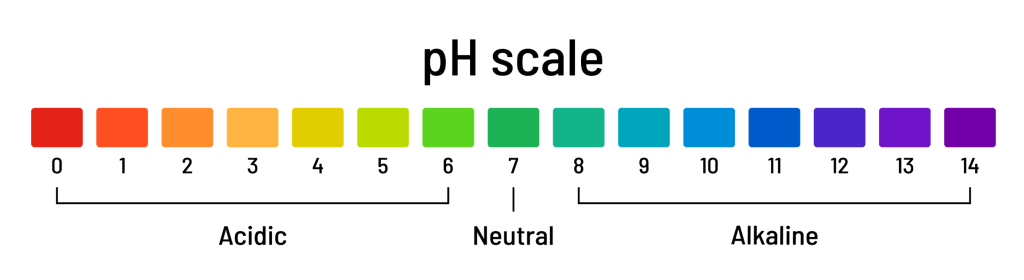
Understanding Soil pH
What Is Soil pH?
Soil pH is a measure of the acidity or alkalinity of your soil, expressed on a scale from 0 to 14:
• Acidic soil: pH less than 7
• Neutral soil: pH around 7
• Alkaline soil: pH greater than 7
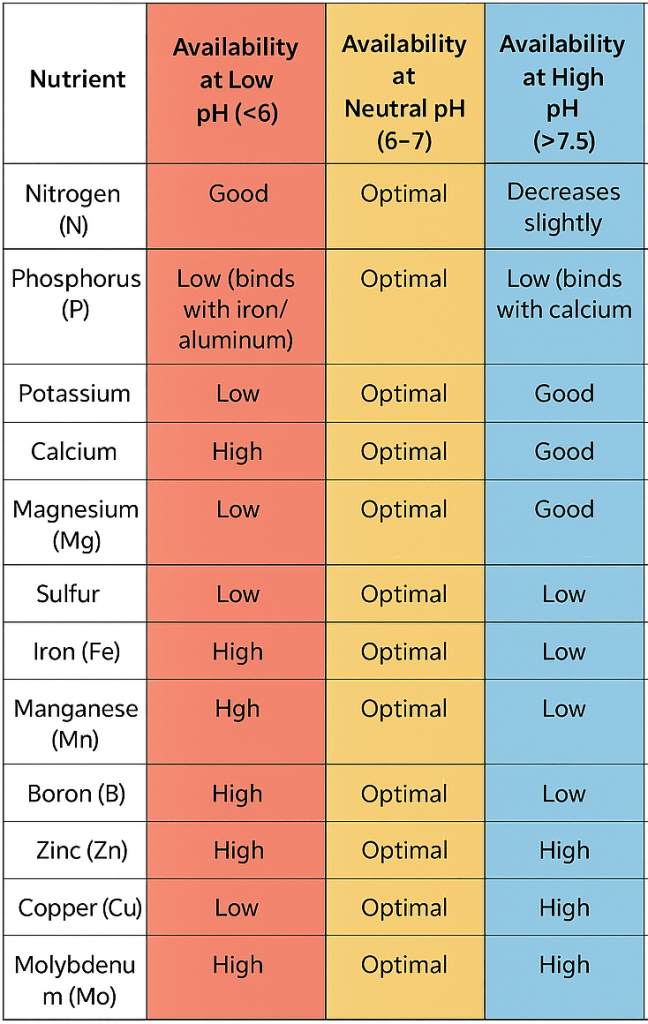
The pH of your soil affects the availability of nutrients. For example, iron and phosphorus are less available in alkaline soils, while nitrogen can become less accessible in very acidic soils. Even small differences in pH can have a noticeable effect on plant growth.
Why Soil pH Matters
• Nutrient Uptake
Plants cannot absorb essential nutrients efficiently if the pH is too far from their ideal range.
• Microbial Activity
Beneficial soil microbes thrive within certain pH ranges, breaking down organic matter into nutrients.
• Plant Selection
Some plants are picky about pH. Azaleas, blueberries, and rhododendrons prefer acidic soil, while lavender, lilacs, and many vegetables tolerate slightly alkaline conditions.
Ideal Soil pH Ranges for Most Plants
• Vegetables: 6.0–7.0
• Most flowers: 6.0–7.0
• Lawn grasses: 6.0–7.0
• Acid-loving plants (azaleas, blueberries): 4.5–5.5
Soil Nutrient Availability at Different pH Levels
How to Test Your Soil pH
Testing your soil is the first step toward a balanced garden. You can choose from several methods depending on how precise you want to be.
1. DIY Soil Test Kits
Available at garden centers and online, these kits are affordable and simple. They usually involve:
• Collecting a small soil sample
• Mixing it with water and a chemical indicator
• Comparing the resulting color to a pH chart
Pros: Quick, inexpensive, easy for beginners
Cons: Less precise than lab tests
2. Soil pH Meters and Probes
Digital meters give a direct pH reading. Simply insert the probe into moist soil and read the display.
Pros: Immediate results, reusable, more accurate than DIY kits
Cons: Requires calibration and proper storage to maintain accuracy
3. Laboratory Testing
For the most accurate results, send your soil to a local extension service or private lab. They provide detailed pH readings along with recommendations for adjustments.
Tips for Accurate Testing
• Test in multiple spots: Soil can vary even within one garden bed.
• Test at the same depth: Usually 2–4 inches for most garden plants.
• Test when soil is moist but not wet.

Using a pH meter to test the soil pH in garden next to fragrant mistflower (Eupatorium havanense).
How to Adjust Soil pH
Once you know your soil’s pH, you can correct imbalances to optimize plant growth.
Raising Soil pH (Making It More Alkaline)
• Lime (Calcium Carbonate)
The most common way to raise pH. Apply according to soil test recommendations.
• Wood Ash
Can also increase pH, but use carefully — too much can over-alkalize soil.
• Time and Patience
pH changes gradually; avoid applying too much at once.
Lowering Soil pH (Making It More Acidic)
• Elemental Sulfur
Reacts slowly with soil microbes to produce acidity.
• Peat Moss
Adds acidity and improves soil texture.
• Compost
Well-decomposed organic matter often slightly lowers pH and boosts fertility.
General Tips for Adjusting pH
• Always follow soil test recommendations for amounts — too much lime or sulfur can harm plants.
• Apply amendments in the fall or early spring for best results.
• Re-test soil annually; pH can shift over time with rainfall, irrigation, and organic amendments.
Important: Aim for a 0.5-1 pH unit change per season to avoid shocking plants or harming the soil biology. After adding soil amendments, retest 4-6 weeks after application; it takes time for the soil chemistry to change.
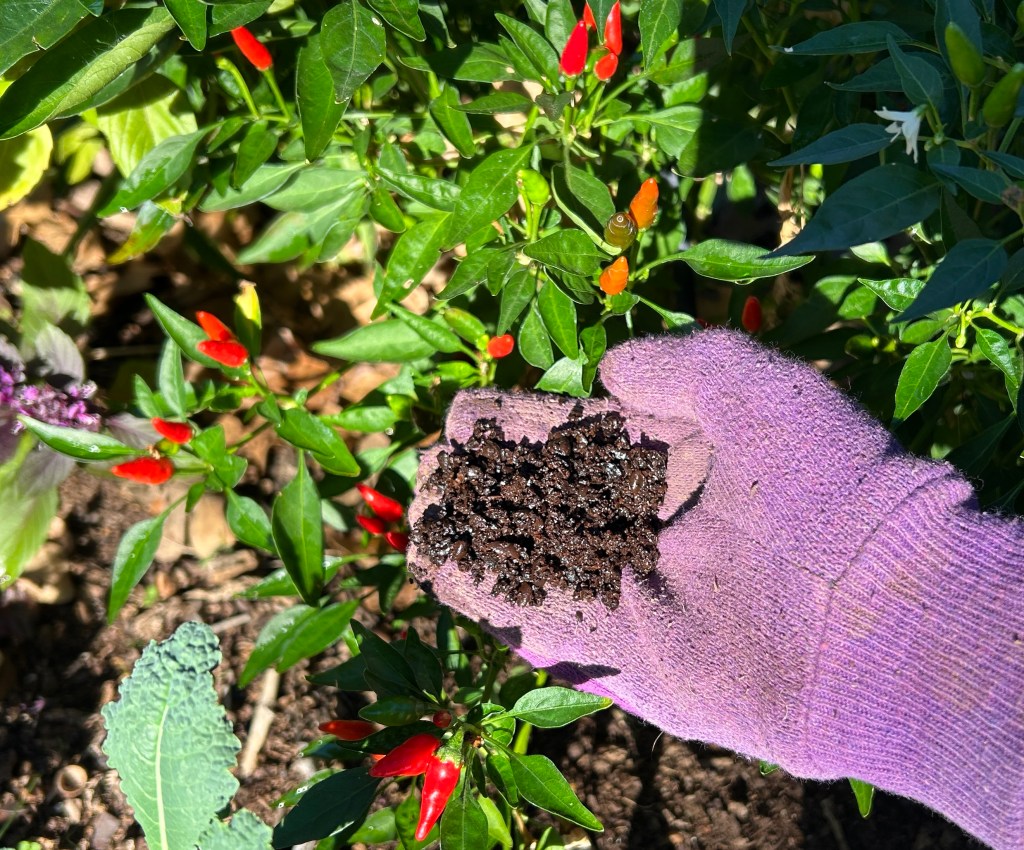
Spent coffee grounds can be added to the soil to lower soil pH in moderation
Choosing Plants for Your Soil pH
Not all plants require perfect pH adjustments. Some are naturally tolerant of a wide range, while others are more finicky.
Acid-Loving Plants:
• Blueberries
• Azaleas
• Rhododendrons
• Camellias
Neutral-Preference Plants (Most Vegetables & Flowers):
• Tomatoes, peppers, carrots
• Marigolds, zinnias, sunflowers
• Lawn grasses
Alkaline-Tolerant Plants:
• Lavender
• Lilacs
• Clematis
Extra Tip: If your soil is slightly off for a specific plant, you can often amend just that bed with organic matter rather than changing the entire garden.
Common Mistakes Gardeners Make
Even experienced gardeners sometimes struggle with soil pH. Avoid these pitfalls:
• Overcorrecting Too Quickly
Adding too much lime or sulfur can shock plants. Change pH gradually.
• Assuming All Garden Soil is the Same
Different beds or containers can have very different pH.
• Ignoring Soil Texture and Organic Matter
Clay-heavy or sandy soils respond differently to amendments.
• Skipping Re-testing
Soil pH changes over time; annual testing keeps your garden on track.

Monarch butterfly feeding from marigolds in the vegetable garden, where soil pH is slightly more acidic than surrounding areas.
Conclusion
Understanding soil pH is one of the simplest ways to improve your garden. By testing your soil, making careful adjustments, and choosing plants that match your pH, you set the stage for healthier, more productive gardens. Even small changes in soil chemistry can lead to big results in plant growth, flower blooms, and vegetable harvests.
Remember: Start by testing, adjust slowly, and monitor your soil each year. With a little attention to pH, you will be rewarded with thriving plants and a more resilient garden.
This article covers one part of butterfly gardening. The Butterfly Garden Cheat Sheet shows how these elements fit together at a basic level.
Related Guides:
How to Start a Garden from Scratch
 Butterfly garden paradise
Leave a comment