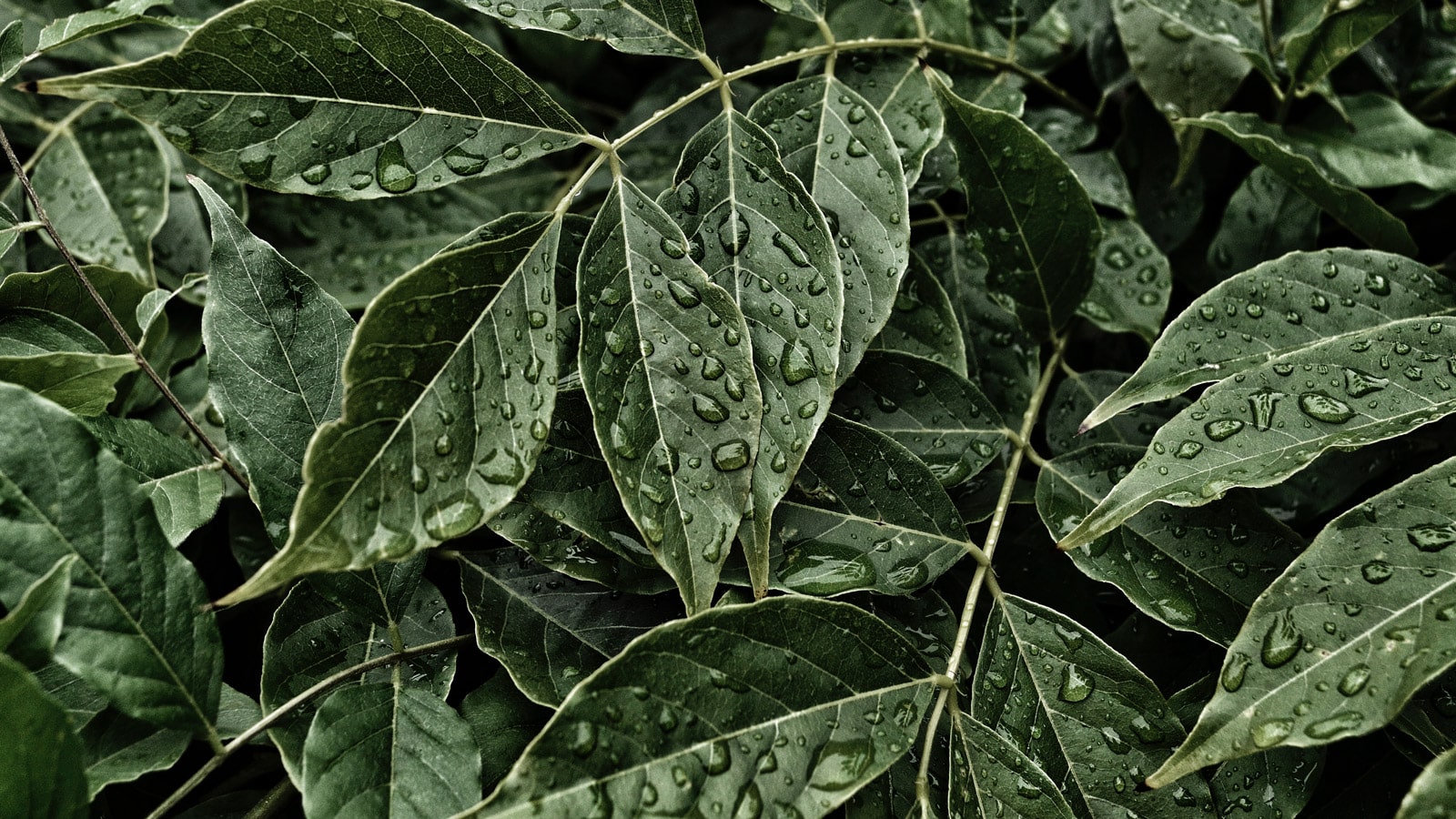

In Texas, heat arrives suddenly and stays longer than expected. One week, plants are growing steadily. The next, they look wilted, faded, or stalled. Leaves curl. Flowers drop. Growth slows. The garden feels like it is slipping out of balance.
The most common response is immediate: “They look stressed. I need to water more.”
Sometimes, water is exactly what a garden needs.
Often, it is not.
In hot climates, heat stress is frequently mistaken for drought. When that happens, well-meaning gardeners respond with more irrigation — and unintentionally make the problem worse.
Understanding why this happens changes how you care for your garden during summer. It replaces panic with clarity, and constant rescue with quiet adjustment.
Heat Stress Is Not the Same as Drought
Drought stress happens when plants cannot access enough water.
Heat stress happens when plants cannot regulate temperature and moisture fast enough — even when water is present.
In Texas summers, soil can be moist and plants can still struggle. That is because extreme heat affects more than hydration. It affects:
- Root oxygen levels
- Soil temperature
- Leaf transpiration rates
- Microbial activity
- Nutrient uptake
- Photosynthesis efficiency
When temperatures remain high day after day, plants enter a protective mode. Growth slows. Leaves conserve moisture. Flowering pauses.
This is not failure — it is survival.
What Actually Happens to Plants in Extreme Heat
When temperatures climb above a plant’s comfort range, several things happen at once.
1. Water Loss Accelerates
Plants cool themselves by releasing water through tiny pores in their leaves. In extreme heat, this process speeds up. Moisture leaves the plant faster than roots can replace it.
2. Roots Struggle in Hot Soil
Soil temperatures in Texas can exceed 90–100°F near the surface. At these temperatures:
- Root growth slows
- Oxygen availability decreases
- Beneficial microbes decline
Even well-watered roots become less effective.
3. Photosynthesis Slows
Heat interferes with the plant’s ability to convert sunlight into energy. When this process slows, growth pauses — regardless of water.
4. Energy Shifts to Defense
Instead of producing new leaves and flowers, plants divert energy to maintaining basic function. They conserve. They endure. They wait.

Watering Gregg’s mistflower during a stretch of hot weather.
Why Overwatering Often Makes Heat Stress Worse
Adding more water feels helpful. It feels responsible.
But in many Texas gardens, frequent shallow watering creates new problems.
Oxygen Deprivation
Roots need oxygen as much as they need water. Constantly saturated soil pushes air out of pore spaces. Roots begin to suffocate. Uptake slows further.
Increased Root Rot Risk
Warm, wet soil is ideal for fungal pathogens. Overwatered plants become more vulnerable to disease.
Shallow Root Development
Frequent surface watering encourages roots to stay near the top of the soil — exactly where heat is most intense.
These shallow roots are the first to fail during prolonged heat.
Salt and Mineral Buildup
In dry climates, frequent watering can concentrate salts in the soil, further stressing roots.
How to Tell Heat Stress from True Drought
Before adjusting irrigation, look closely.
Likely Heat Stress
- Leaves wilt in afternoon but recover overnight
- Soil is still moist several inches down
- Growth slows without obvious leaf death
- Flowers drop without disease signs
Likely Drought Stress
- Leaves remain wilted morning and night
- Soil is dry below the surface
- Leaf edges turn crisp and brown
- Entire plant declines steadily
Heat-stressed plants are tired. Drought-stressed plants are dehydrated.
They need different responses.

Zinnias temporarily wilted from heat stress. These will recover quickly with water and cooler evening temperatures.
When Water Does Help
Water is essential during establishment and true drought. It helps when:
- Plants were recently transplanted
- Roots are still shallow
- Soil is genuinely dry
- Leaves remain limp overnight
In these cases, water deeply and slowly. One thorough soaking is more effective than many light ones.
What Helps More Than Extra Water
In Texas heat, temperature management matters more than volume.
Mulch
A 2–4 inch layer of organic mulch:
- Cools soil
- Reduces evaporation
- Protects microbes
- Stabilizes moisture
Mulch is one of the most powerful heat tools available.
Afternoon Shade
Partial shade during late afternoon reduces stress dramatically. This can come from:
- Taller plants
- Shrubs
- Fences
- Temporary shade cloth
Even 2–3 hours of filtered shade helps.
Wind Protection
Hot wind increases moisture loss. Sheltered areas remain cooler and more stable.
Healthy Soil Structure
Soil rich in organic matter holds moisture and oxygen simultaneously. This allows roots to function under stress.
Appropriate Plant Placement
Plants adapted to full sun and heat belong in exposed areas. Others need protection.
This is where long-term planning pays off.
Why Native and Adapted Plants Cope Better
Native and regionally adapted plants are naturally selected for Texas conditions. They expect:
- Heat
- Drought
- Variable rainfall
- Clay and limestone soils
Their root systems, leaf structures, and growth cycles are designed for this environment. This is why gardens built around native communities require less emergency care. They are not immune to stress — but they recover faster.

Pearl crescent butterfly resting in the grass. As temperatures rise, butterflies may spend more time sheltering and less time actively feeding during the hottest parts of the day.
Butterflies and Heat Stress
Butterflies adjust alongside plants. During extreme heat:
- Activity shifts to mornings and evenings
- Feeding decreases
- Rest increases
- Egg-laying slows
Host plants under heat stress may pause growth. This limits caterpillar numbers temporarily.
This is part of the seasonal rhythm, not failure. Gardens that remain structurally intact through heat continue supporting butterflies when conditions improve.
Useful Things to Do When Heat Anxiety Hits
When plants look tired, the urge to “fix” everything is strong. Instead, focus on actions that help without harm.
Check Soil Moisture Properly
Dig or probe 3–4 inches down before watering. Surface dryness is misleading.
Refresh Mulch
Replace thin or broken-down mulch. This is often more effective than watering.
Observe Timing Patterns
Notice when stress appears and fades. Daily recovery indicates tolerance.
Protect New Plants
Give temporary shade to recent transplants. They need time to establish before they are resilient.
Remove Only What Is Truly Dead
Do not over-prune stressed plants. Leaves provide shade to stems and soil.
Adjust Expectations
Summer is not a growth season in Texas. It is a survival season.
Long-Term Fixes That Reduce Summer Stress
If heat stress feels constant every year, look deeper.
Improve Soil Gradually
Compost, leaf mold, and organic mulch build resilience over time.
Consider Reflected Heat
Planting or positioning planters near driveways, concrete patios and even rocks can increase heat stress.
Reevaluate Plant Choices
Replace high-demand plants with adapted ones. This reduces intervention permanently.
Build Plant Communities
Dense, layered plantings create their own microclimates. They cool soil and retain moisture. Sometimes plant spacing guidelines can be adjusted to accommodate this reality.
Accept Seasonal Cycles
Texas gardens surge in spring and fall. Summer is more like a pause. Designing with this in mind makes everything easier.

Echinacea, coreopsis, and prairie verbena forming a plant community with mulch added to help retain soil moisture.
Why This Understanding Changes Gardening
When you realize that more water is not always the answer, something shifts.
You stop reacting to every drooping leaf. You start reading patterns instead of symptoms. You begin managing systems instead of emergencies.
This is what separates exhausting gardens from enduring ones.
Final Thoughts
In Texas, heat stress is inevitable.
Plant failure is not.
Gardens designed for this climate slow down in summer. They rest. They conserve. They wait.
Water supports this process when used wisely. But it cannot replace shade, soil health, or natural adaptation.
When you respond to heat with understanding instead of urgency, your garden becomes more resilient — and so do you.
If you would like a clear way to understand how butterfly gardens respond to heat, stress, and seasonal change, the Butterfly Garden Cheat Sheet brings the core ideas together in one place.
Want To Go Deeper?
Butterfly Gardens That Work in Texas Heat expands on many of the ideas discussed here, including plant communities, seasonal adaptation, habitat function, and long-term garden stability.
Related Guides:
The Complete Guide to Butterfly Gardening: How to Attract, Feed, and Protect Butterflies All Year
How to Keep Butterfly Plants Alive in Extreme Texas Heat (Zone 8)
Drought-Tolerant Pollinator Plants that Survive Texas Heat
Photo credits: Rudbeckia cover – Abdel Achkouk
Leave a Reply