One of the most common surprises for Texas butterfly gardeners is how dramatically a garden can change between spring and summer. A butterfly garden that looked full of blooms and activity in April may begin looking noticeably different by June. Some flowers fade quickly. Certain plants slow down. Areas that seemed full of movement may become quieter during the hottest parts of the day.
This often leads gardeners to assume something is going wrong.
In many cases, what they are seeing is not failure.
It is seasonal transition.
As temperatures rise across Texas, butterfly gardens naturally begin shifting from spring abundance into summer endurance. During this transition, some plants fade after completing their seasonal role while others begin proving themselves as the true structural support of the garden.
These are the plants that carry a butterfly garden through summer.
Learning to identify them is one of the most useful skills a Texas butterfly gardener can develop.
They reveal which plants are truly adapted to local conditions, which provide reliable butterfly support under pressure, and which deserve a permanent place in the long-term design of the garden.
Why Summer Reveals What Matters Most
Spring can make almost everything look successful. Cooler nights, occasional rainfall, and milder daytime temperatures create conditions that allow many plants to bloom heavily for a short period. Even species that are poorly suited to sustained Texas heat can appear vigorous during spring.
Summer tells a different story.
As temperatures move into the upper 90s and beyond, prolonged heat begins testing every part of the garden. Root systems are challenged. Shallow soils dry quickly. Bloom cycles shorten.
Plants that appeared healthy in spring may begin declining rapidly.
At the same time, heat-adapted species often become more productive.
This is why summer reveals which plants are carrying functional butterfly support and which were only contributing temporary seasonal color.

A funeral duskywing butterfly feeding on native lantana flowers persisting through the heat.
What It Means to “Carry” a Butterfly Garden
A plant carrying the garden through summer is doing far more than simply surviving.
It is continuing to contribute function. This may include:
Reliable Nectar Production
As spring flowers fade, fewer nectar sources remain consistently available. Plants that continue blooming through heat become increasingly valuable for butterflies moving through the garden.
Heat-Tolerant Structure
Dense foliage, ground-level cover, and stable branching help create cooler microclimates where butterflies and beneficial insects can rest.
Consistent Recovery
Many strong summer plants will show temporary afternoon stress, then rebound quickly as evening temperatures cool. This ability to recover matters far more than looking perfect every hour of the day.
Continued Butterfly Use
Repeated butterfly visits are often the clearest signal. If butterflies continue returning to a plant during difficult weather, it is likely playing an important ecological role.
Plants That Often Carry Texas Butterfly Gardens Through Summer
While every garden is different, certain plants repeatedly prove themselves in Texas heat.
Salvia greggii
One of the most dependable summer nectar plants for Texas gardens. Its small tubular flowers often continue blooming steadily through prolonged heat when given good drainage and full sun.
It provides reliable nectar for:
- hairstreaks
- skippers
- sulphurs
- hummingbirds
Because it maintains both structure and bloom persistence, it often becomes one of the quiet backbone plants of summer butterfly activity.
Lantana
Lantana is sometimes overlooked because it is so commonly planted, but its summer performance is difficult to ignore.
Well-established lantana tolerates:
- reflected heat
- dry periods
- intense sun
- long bloom seasons
Its clustered flowers provide repeated nectar access for butterflies throughout the hottest months. In many Texas gardens, lantana becomes one of the most visibly active butterfly plants during summer.

Top view of frogfruit flowers spreading over a wall.
Frogfruit
Frogfruit rarely receives the attention given to showier flowering plants. Yet it is one of the most ecologically valuable summer performers.
As a low-growing native groundcover, it offers:
- nectar for small butterflies
- host plant value for several species
- living ground cover that helps cool soil
Its ability to tolerate mowing, spreading heat, and poor soil makes it one of the most functional summer support plants available.
Mealy Blue Sage
Mealy Blue Sage is one of the most dependable native perennials for carrying a butterfly garden through the heat of summer. Its tall spikes of blue flowers bloom for months, providing a reliable source of nectar long after many spring flowers have faded.
It frequently attracts:
- monarchs
- queens
- swallowtails
- skippers
- native bees
Heat-Adaptive Zinnias
Though not native, many zinnia varieties begin performing best once real heat arrives.
They often provide:
- fast seasonal nectar continuity
- strong bloom production
- highly visible butterfly activity
They can help bridge periods when spring bloomers are fading and slower native summer performers are still developing.

Gulf fritillary butterfly feeding on profusion zinnias, a heat-tolerant variety.
Plants That Often Fade Earlier
Just as important as knowing what carries the garden is recognizing what often completes its seasonal role earlier.
Cool-season annuals such as violas and pansies typically decline quickly as temperatures rise. Some spring-blooming perennials may also reduce flowering significantly once sustained heat arrives.
This is not necessarily a problem. A healthy butterfly garden depends on succession.
Different plants contribute at different times. The goal is not year-round peak bloom from every species.
The goal is seasonal continuity.
How to Identify Summer Backbone Plants in Your Own Garden
Lists are helpful, but observation is more powerful. Watch for plants that continue showing:
Repeated Butterfly Visits
Which plants remain active while others become quiet?
Bloom Persistence
Which continue producing flowers week after week?
Recovery After Heat
Which plants rebound quickly by morning?
Structural Stability
Which maintain healthy foliage and form despite difficult conditions?
These are often the plants worth repeating elsewhere in the garden.

Purple salvia greggii shrub flowers throughout the spring and even into late fall in Texas.
Build Around What Endures
Many gardeners design around spring excitement.
Texas butterfly gardens become stronger when they are also designed around summer endurance.
The plants that quietly continue supporting nectar, shelter, and movement through extreme heat often become the true framework of the system.
Summer reveals these plants clearly. Paying attention now helps shape better planting decisions in fall and the following spring.
Over time, this is how butterfly gardens become more stable, resilient, and ecologically functional.
If you want a simple reference for understanding how nectar plants, host plants, shelter, and seasonal support work together in a butterfly garden, the Butterfly Garden Cheat Sheet brings the essentials together in one place.
Want To Go Deeper?
Butterfly Gardens That Work in Texas Heat expands on many of the ideas discussed here, including plant communities, seasonal adaptation, habitat function, and long-term garden stability.
Related Guides:
The Complete Guide to Butterfly Gardening: How to Attract, Feed, and Protect Butterflies All Year
How to Keep Butterfly Plants Alive in Extreme Texas Heat (Zone 8)
Drought-Tolerant Pollinator Plants that Survive Texas Heat
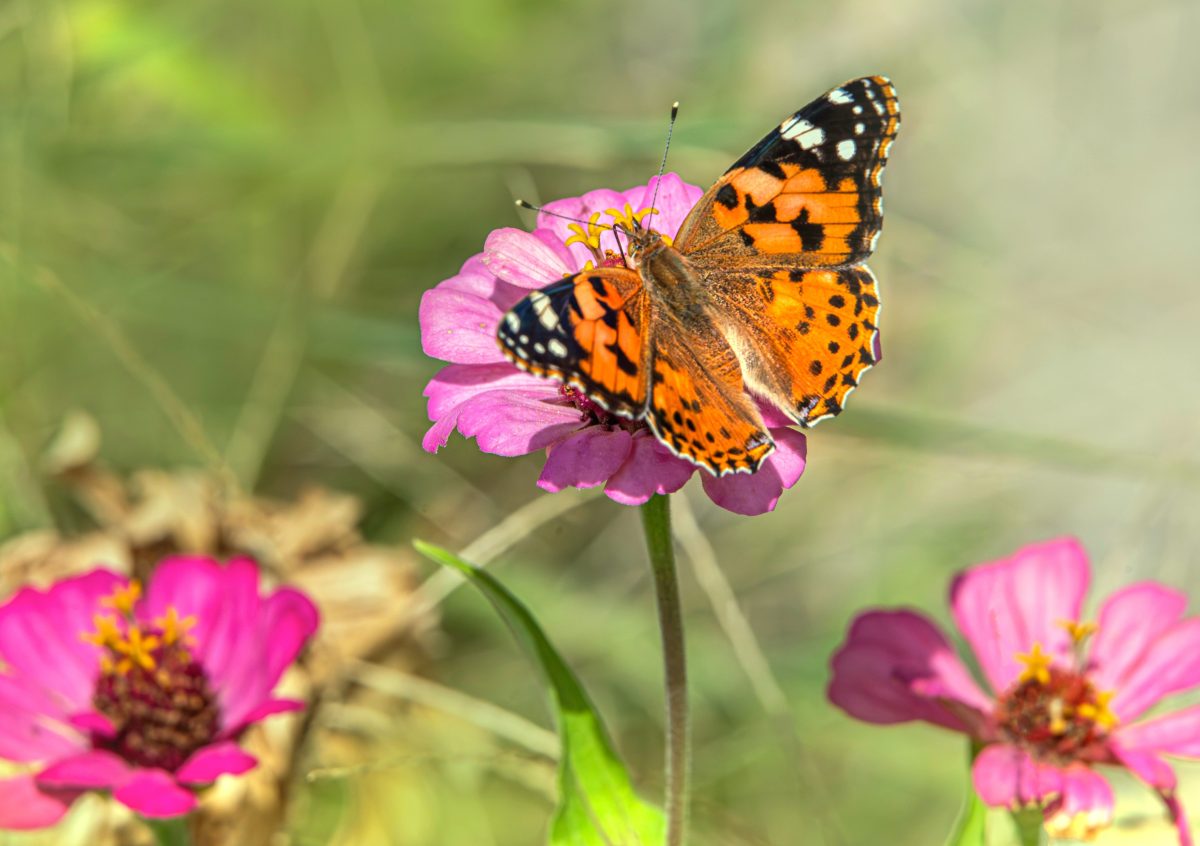
Photo credits: Cover – painted lady on pink zinnias – Erik Karits, gulf fritillary on zinnias – Saplak
Leave a Reply