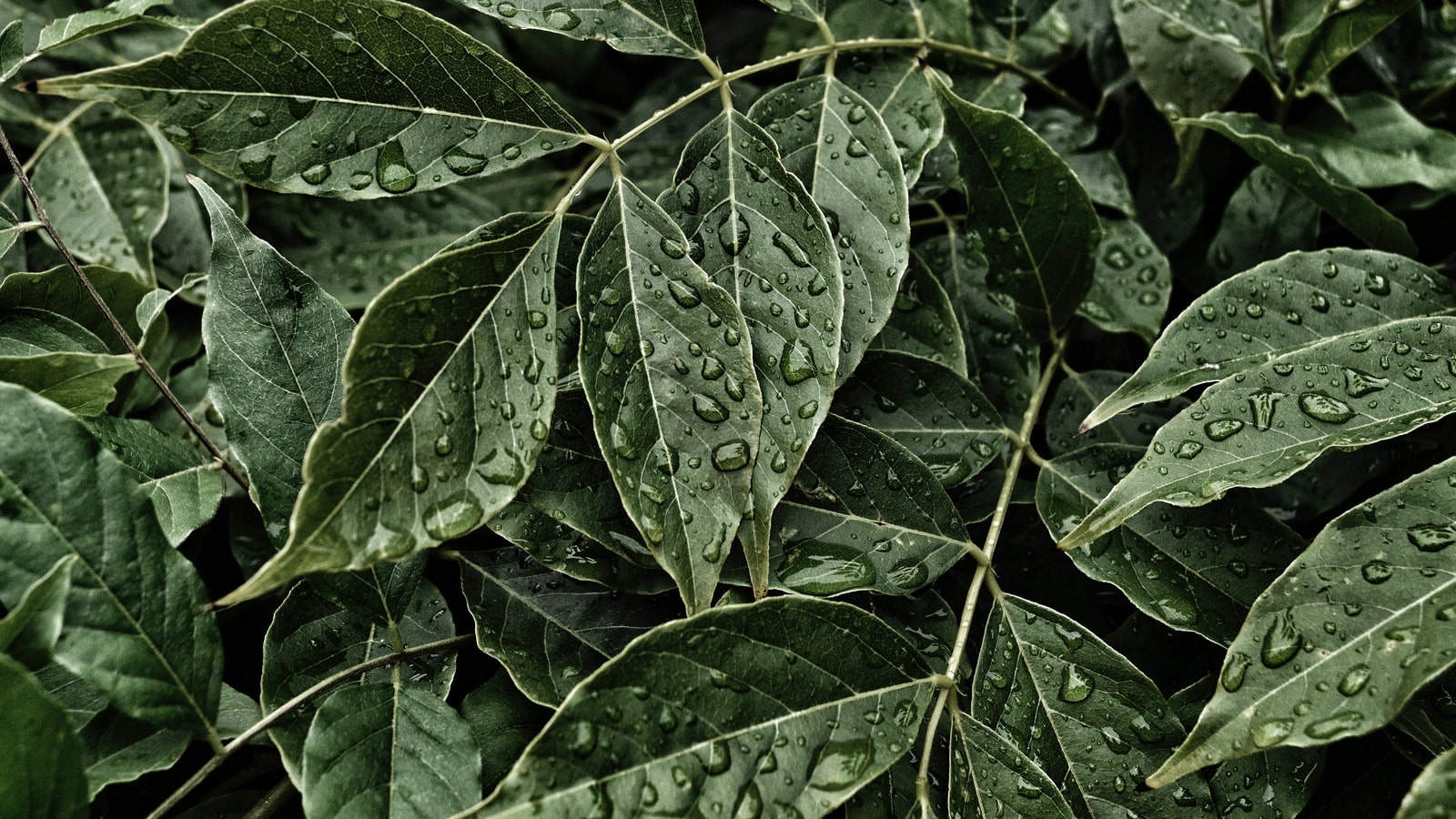
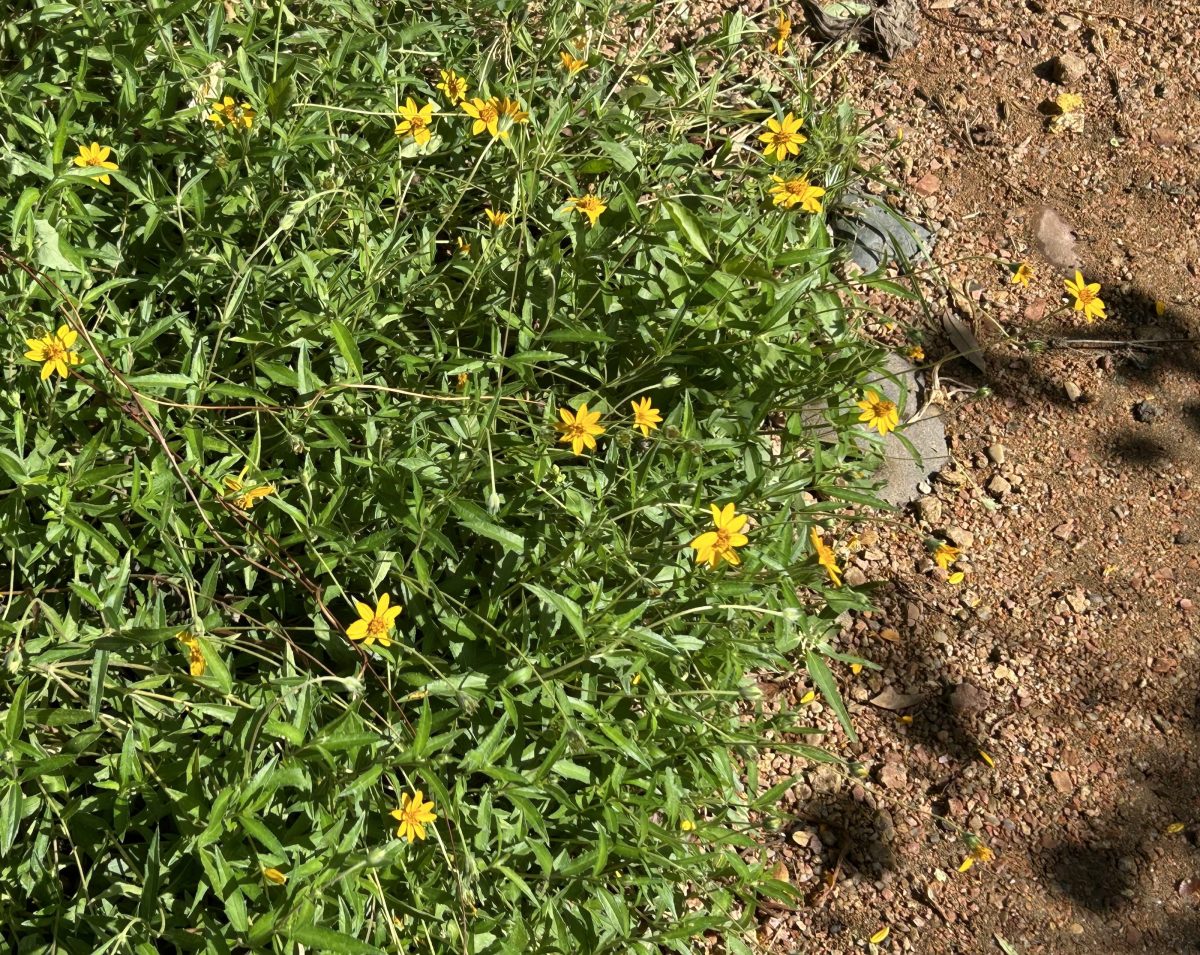
Cover: Zexmenia slowly spreading and flowering through the Texas summer heat.
One of the most common mistakes Texas gardeners make in summer is assuming that visible growth is the only sign a plant is doing well. When spring transitions into prolonged heat, many butterfly gardeners begin noticing changes that can feel discouraging.
Growth slows.
Bloom production becomes less dramatic.
Some plants stop putting on obvious new foliage.
Others show temporary afternoon wilt or appear to pause altogether.
It is easy to interpret these changes as decline.
In many cases, they are not signs of failure. They are signs of adaptation.
Texas summer creates conditions that force plants to make strategic decisions about how they use energy, moisture, and resources. The healthiest butterfly plants are not always the ones growing most visibly through summer. Often, they are the ones shifting successfully into survival mode.
Understanding the difference between summer growth and summer survival is one of the most important mindset shifts a Texas butterfly gardener can make. It changes how you interpret the garden, how you respond to stress, and how you decide which plants truly belong in your long-term system.
Why Spring Creates Misleading Expectations
Spring makes rapid growth feel normal. Cooler nights, moderate daytime temperatures, and seasonal rainfall allow many plants to grow quickly and bloom heavily.
Fresh foliage expands rapidly.
Flowers appear in succession.
Entire sections of the garden may seem to change almost overnight.
This creates an understandable expectation that healthy plants should always continue performing this way. But Texas summer is a completely different ecological season.
Once prolonged heat arrives, many plants stop prioritizing visible expansion. Instead, they shift resources toward endurance.
A garden that no longer looks like spring is not necessarily declining. It is often adjusting appropriately to a new set of environmental demands.
What Summer Growth Looks Like
Some plants continue active visible growth even during heat. These are often species naturally adapted to high temperatures and extended sun exposure.
Summer growth may include:
- continued flower production
- steady new foliage
- active vertical expansion
- vigorous branching
- repeated butterfly visitation
Plants such as:
- heat-adapted zinnias
- lantana
- salvia greggii
- gaillardia
- some native sunflowers
often continue showing visible summer momentum when conditions are favorable. These are the plants many gardeners notice most easily.
But they are only part of the picture.

An established clump of Salvia greggii continuing to bloom despite prolonged summer heat.
What Summer Survival Looks Like
Many well-adapted butterfly plants respond differently. Instead of pushing obvious growth, they conserve resources.
This often looks like:
Slower Flowering
Bloom cycles may pause or become less dramatic.
Smaller New Leaves
Plants reduce leaf size to limit moisture loss.
Temporary Afternoon Wilt
This can be a normal protective response during peak heat.
Holding Structure Without Expanding
A plant may remain stable without obvious visible growth.
Energy Directed Below Ground
Root development and moisture management often become higher priority than top growth.
To an inexperienced gardener, this can look like stagnation. In reality, it is often resilience.

Maximilian sunflower with leaves curled during the hottest part of the day— a common response that helps reduce water loss.
Why This Strategy Matters
Texas heat places enormous pressure on plants. High temperatures increase moisture loss through transpiration and create difficult decisions about energy use. If a plant continued pursuing aggressive visible growth under extreme heat, it could quickly deplete resources and become vulnerable to long-term damage.
Strategic slowdown helps plants:
- conserve moisture
- protect tissues
- stabilize root systems
- reduce heat stress
- preserve long-term function
This is not weakness. It is adaptation. Many native and heat-adapted plants adapted specifically to respond this way.
What This Means for Butterfly Gardens
Butterfly gardeners often focus heavily on flowers. While nectar is important, a butterfly garden supports far more than visible bloom.
A plant contributing summer survival may still provide:
Shelter
Dense foliage offers cooling refuge.
Host Plant Function
Even slower-growing host plants may continue supporting eggs and caterpillars.
Structural Habitat
Stable plant communities create movement pathways and protective layering.
Microclimate Support
Groundcover and foliage help moderate soil and air temperatures.
A butterfly plant does not need to be putting on dramatic visible growth to remain ecologically useful. This is one of the most important distinctions to understand.
See also: How to Prepare Butterfly Gardens for Extreme Texas Heat (Before It Starts)
What Gardeners Often Do Wrong
Misinterpreting survival behavior often leads to unnecessary intervention. Common mistakes include:
Overwatering
Attempting to force visible growth through excess moisture.
Fertilizing During Extreme Heat
Encouraging vulnerable tender growth.
Replacing Plants Too Quickly
Removing plants that are adapting appropriately.
Constant Adjustment
Disrupting natural stabilization processes.
These responses often create more stress than the original slowdown.

Native Texas lantana showing temporary wilting and minor insect damage before recovering with cooler temperatures.
How to Tell the Difference Between Survival and Decline
Observation matters. A plant in healthy summer survival often shows:
- firm central growth
- stable stem structure
- recovery by morning
- consistent root anchoring
- intact foliage despite slowed production
A genuinely struggling plant may show:
- persistent collapse
- mushy stems
- crown damage
- widespread tissue death
- failure to recover overnight
This distinction becomes easier to recognize with seasonal experience.
Why Summer Changes How You Evaluate Plants
Summer is one of the most honest testing periods in a Texas butterfly garden.
It reveals which plants:
- remain functional under pressure
- recover efficiently
- continue supporting butterfly activity
- belong in the long-term system
A plant that merely survives spring tells you very little. A plant that stabilizes through summer reveals far more.
This is why summer observation matters so much. It helps guide smarter fall planting and long-term design decisions.

Orange milkweed during its first summer after planting. Although it looks stressed, surviving plants often become much stronger in their second year.
Redefining Success in Summer
Many gardeners continue measuring summer success by spring standards. But Texas butterfly gardens require a different framework.
Summer success is not always:
- constant bloom
- rapid expansion
- lush visible growth
Sometimes success looks like:
- persistence
- stability
- strategic slowdown
- ecological function under stress
The strongest butterfly gardens are not the ones forcing continuous spring-like performance. They are the ones built to endure seasonal pressure while continuing to support life. Learning to recognize this shift changes how you understand the entire garden.
If you want a simple reference for understanding how nectar plants, host plants, shelter, and seasonal support work together in a butterfly garden, the Butterfly Garden Cheat Sheet brings the essentials together in one place.
Want To Go Deeper?
Butterfly Gardens That Work in Texas Heat expands on many of the ideas discussed here, including plant communities, seasonal adaptation, habitat function, and long-term garden stability.
Related Guides:
The Ultimate Texas Zone 8 Garden Guide: What to Plant and When
How to Keep Butterfly Plants Alive in Extreme Texas Heat (Zone 8)
Leave a Reply