How to Grow This Heat-Loving Texas Native That Butterflies Can’t Resist
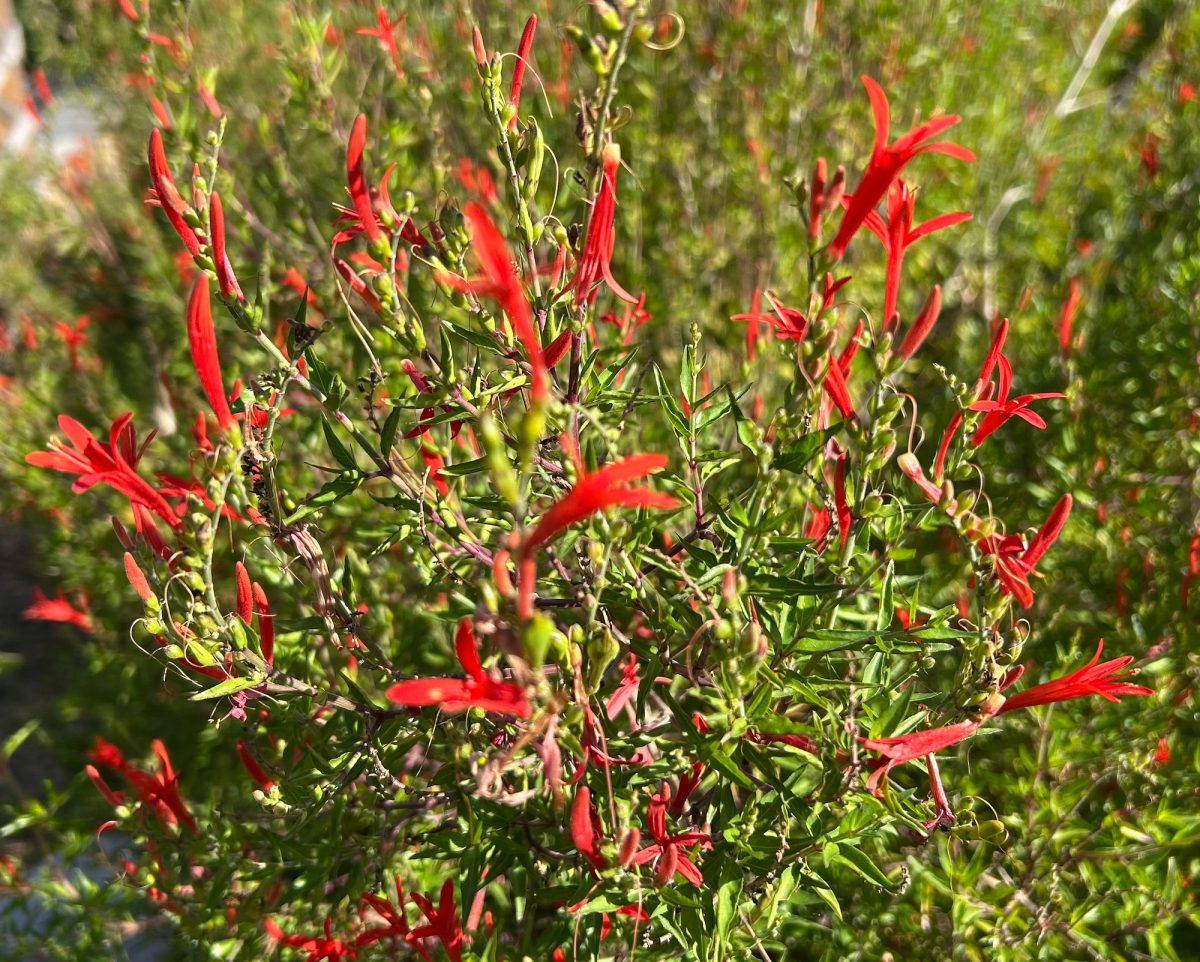
Flame acanthus is one of those plants that seems almost tailor-made for Texas gardens. Just when the summer heat has many flowers struggling, this native shrub begins putting on a spectacular display of fiery orange-red blooms that continue well into fall. It asks for very little once established, shrugs off drought, and quickly becomes a favorite stop for butterflies, hummingbirds, and native bees.
Whether you’re building a dedicated butterfly garden or simply looking for a dependable shrub that thrives in challenging conditions, flame acanthus deserves a closer look. Its long bloom season, exceptional heat tolerance, and wildlife value make it one of the most rewarding native plants you can grow. In North Texas, where long, hot summers can test even experienced gardeners, it’s a reliable performer that often looks its best when many other plants are fading.
Plant Profile:
| Flame Acanthus | Attributes |
|---|---|
| Botanical name | Anisacanthus quadrifidus var. wrightii |
| Common names | Flame acanthus, Wright’s desert honeysuckle, hummingbird bush, Mexican flame |
| Plant type | Deciduous native shrub |
| Native range | Texas, New Mexico, and northern Mexico |
| USDA Zones | 7–10 |
| Height | 3–5 feet |
| Spread | 3–5 feet |
| Bloom color | Bright orange-red to scarlet |
| Bloom season | Summer through first frost |
| Sun requirements | Full sun |
| Water needs | Low once established |
🦋 Butterfly Garden Snapshot:
| Feature | Rating |
|---|---|
| 🦋 Butterfly Nectar | ⭐⭐⭐⭐⭐ |
| 🐛 Host Plant | ⭐☆☆☆☆ |
| 🐝 Native Bees | ⭐⭐⭐⭐⭐ |
| 🐦 Hummingbirds | ⭐⭐⭐⭐⭐ |
| 🌺 Bloom Length | ⭐⭐⭐⭐⭐ |
| ☀️ Heat Tolerance | ⭐⭐⭐⭐⭐ |
| 💧 Drought Tolerance | ⭐⭐⭐⭐⭐ |
| 🌱 Beginner Friendly | ⭐⭐⭐⭐⭐ |
Why You’ll Love It
Flame acanthus isn’t the kind of shrub that demands constant attention. Instead, it’s one of those dependable plants that quietly earns its place in the garden year after year.
Its greatest strength is timing. While many spring bloomers have finished and midsummer heat has slowed other perennials, flame acanthus is just getting started. The brilliant tubular flowers continue for months, providing one of the most reliable nectar sources during the hottest part of the growing season.
Its naturally airy branching habit gives it a relaxed, informal appearance that fits beautifully into native gardens, cottage gardens, and wildlife landscapes. Rather than becoming a dense hedge, it weaves easily among grasses and flowering perennials, adding movement and bright color without overwhelming nearby plants. It also comes in a cultivar with yellow flowers.
Because it evolved in the dry landscapes of Texas and the Southwest, it’s remarkably well adapted to our challenging climate. Once established, it requires little supplemental water, rarely suffers from pests, and handles triple-digit temperatures with ease.

Female cloudless sulphur butterfly on flame acanthus in Texas garden in July.
Butterfly & Pollinator Value
If your goal is attracting butterflies, flame acanthus earns its reputation.
Its tubular flowers produce nectar continuously through summer and into fall, making it especially valuable during periods when nectar sources can become scarce. Swallowtails, queens, sulphurs, painted ladies, skippers, and many other butterfly species regularly visit the blooms.
Although flame acanthus is grown primarily as a nectar plant rather than a host plant, its long flowering season makes it an important part of a butterfly garden. Adult butterflies rely on dependable nectar sources throughout their lives, especially during late summer when migration and reproduction are still underway.
Native bees are frequent visitors as well, particularly smaller solitary bees that work the flowers throughout the day.
Perhaps no visitor enjoys flame acanthus more than hummingbirds. The bright orange-red tubular flowers seem perfectly designed for them, and in many Texas gardens the shrub becomes a regular feeding station from midsummer until migration in the fall.
By extending nectar availability well beyond spring, flame acanthus helps create a garden that supports pollinators throughout the growing season instead of only during peak bloom.
Growing Conditions
Flame acanthus performs best in full sun, where it develops the heaviest flowering and strongest branching. Six or more hours of direct sunlight each day will usually produce the best results.
One of its greatest strengths is adaptability. It tolerates rocky soils, sandy soils, limestone, and even many clay soils as long as drainage is reasonably good. In North Texas, where heavy clay is common, planting slightly above grade or incorporating organic matter can improve long-term performance if drainage is poor.
This shrub was built for heat. Reflective pavement, south-facing foundations, and exposed locations that stress many ornamental plants rarely bother flame acanthus. In fact, hot weather often encourages its best flowering.
During its first growing season, consistent watering helps develop a deep root system. Once established, however, it becomes impressively drought tolerant and usually requires supplemental irrigation only during prolonged dry periods.
Avoid locations that remain wet for extended periods, especially during winter. Like many Texas natives, flame acanthus prefers to dry slightly between waterings.

Planting Tips
Spring and fall are both excellent times to plant flame acanthus, though many Texas gardeners prefer fall planting. Cooler temperatures allow roots to establish over winter before the following summer’s heat arrives.
- Space plants about three to five feet apart, depending on the mature size you want them to reach. While they may look small in the nursery, they fill out surprisingly well after a couple of growing seasons.
- After planting, water deeply once or twice each week during the first several weeks, adjusting for rainfall. Gradually reduce watering as the shrub becomes established.
- A two- to three-inch layer of mulch helps moderate soil temperatures, conserve moisture, and reduce weed competition. Keep mulch a few inches away from the base of the stems to discourage rot.
- Resist the temptation to over-fertilize newly planted shrubs. Flame acanthus naturally thrives in relatively lean soils, and excessive fertilizer often encourages lush growth at the expense of flowers.
Care & Maintenance
One of the reasons gardeners appreciate flame acanthus is that maintenance is refreshingly simple.
- After establishment, supplemental watering is rarely necessary except during extended drought. In fact, plants often perform better with slightly drier conditions than overly frequent irrigation.
- Routine fertilization usually isn’t needed. If growth appears weak, a light application of compost in spring is generally all that’s required.
- Because flame acanthus blooms on new growth, many gardeners wait until late winter or very early spring to prune. Cutting plants back by about one-third encourages fresh stems and abundant flowering without sacrificing the coming season’s blooms.
- Deadheading isn’t necessary. The plant naturally continues producing flowers throughout the season without much encouragement.
In North Texas, flame acanthus is deciduous. After the first hard freeze, stems often appear lifeless, but healthy plants reliably re-sprout from the base once warm weather returns in spring. It’s often one of the later shrubs to break dormancy, so don’t be too quick to assume it didn’t survive the winter.
Common Problems
Flame acanthus is remarkably trouble-free. The most common issue is planting in poorly drained soil, where prolonged moisture can lead to root decline. Choosing a sunny site with good drainage prevents most problems.
Young plants may appear slow to establish during their first year as they focus on developing roots. By the second or third season, growth and flowering usually increase dramatically.
Occasionally, aphids may gather on tender new growth, but they seldom cause lasting damage and are often controlled naturally by lady beetles and other beneficial insects.
Deer generally browse flame acanthus less than many ornamental shrubs, although no plant is completely deer-proof if food is scarce.
Companion Plants
Flame acanthus shines when paired with other drought-tolerant Texas natives that bloom across the seasons:
Mealy blue sage provides cool blue flower spikes that beautifully contrast with flame acanthus’ fiery orange blooms while attracting many of the same pollinators.
Blackfoot daisy forms a low mound of cheerful white flowers that softens the front of the planting and flowers for months.
Mistflower adds late-season lavender blooms that draw clouds of butterflies just as flame acanthus reaches its peak.
Winecups create an attractive groundcover beneath the shrub, filling bare spaces with vibrant magenta flowers in spring.
Prairie verbena extends flowering into early spring and provides another valuable nectar source before flame acanthus begins blooming.
Gulf muhly grass contributes fine-textured foliage through summer before producing its soft pink flower plumes in autumn, adding movement and seasonal interest.
Together, these plants create a layered planting that provides nectar from spring through fall while requiring relatively little maintenance once established.
In the Garden
One of the things you’ll quickly notice about flame acanthus is that it doesn’t seem to mind being ignored. It often sits quietly through late spring while other shrubs leaf out, leading first-time gardeners to wonder if it’s coming back at all. Then, as temperatures climb, it suddenly bursts into growth and begins flowering just as many other plants start slowing down.
In my experience, this is one of those shrubs that seems happier after a long stretch of hot, sunny weather than after weeks of cool, wet conditions. By late summer, when butterflies are actively searching for nectar and hummingbirds are fueling up for migration, flame acanthus often becomes one of the busiest plants in the garden.
Frequently Asked Questions
Is flame acanthus native to Texas?
Yes. Flame acanthus is native to much of western and central Texas, as well as parts of New Mexico and northern Mexico. Its natural adaptation to hot, dry climates makes it an excellent choice for many Texas gardens.
Is flame acanthus a host plant for butterflies?
Not generally. It is primarily valued as a nectar plant rather than a larval host plant. Its exceptionally long bloom season provides food for many adult butterflies throughout summer and fall.
Does flame acanthus need a lot of water?
No. During its first year, regular watering helps establish a healthy root system. After that, it becomes highly drought tolerant and usually requires little supplemental irrigation.
Why hasn’t my flame acanthus leafed out in spring?
Don’t panic. Flame acanthus is often one of the last shrubs to emerge from winter dormancy. Wait until consistent warm weather arrives before deciding whether pruning or replacement is necessary.
Can flame acanthus grow in containers?
Yes, although it performs best in the ground. If growing it in a container, choose a large pot with excellent drainage and be prepared to water more frequently during hot weather.
Final Thoughts
If you garden in Texas, it’s hard to find a shrub that offers more with less effort than flame acanthus. It thrives in intense summer heat, flowers for months, supports butterflies, hummingbirds, and native bees, and asks for very little once established.
Whether you’re creating your first butterfly garden or expanding an existing one, flame acanthus is one of those dependable native plants that rewards you year after year. Combined with other Texas natives that bloom across the seasons, it helps create a landscape that’s not only beautiful but also supports the wildlife that makes a garden truly come alive.
Continue Exploring the Plant Library:
Leave a Reply