Category: Practical Gardening
-

Healthy soil is essential for a successful garden, providing nutrients and supporting a diverse ecosystem. This guide emphasizes natural soil-building methods over chemical fertilizers, detailing…
-

Butterflies enhance gardens, but many gardeners unknowingly repel them through common mistakes. Key issues include overusing pesticides, planting non-native species, neglecting sunlight and shelter, overcrowding…
-

A healthy garden starts with balanced soil pH, which is crucial for nutrient absorption, microbial activity, and plant selection. Soil pH ranges from acidic (less…
-
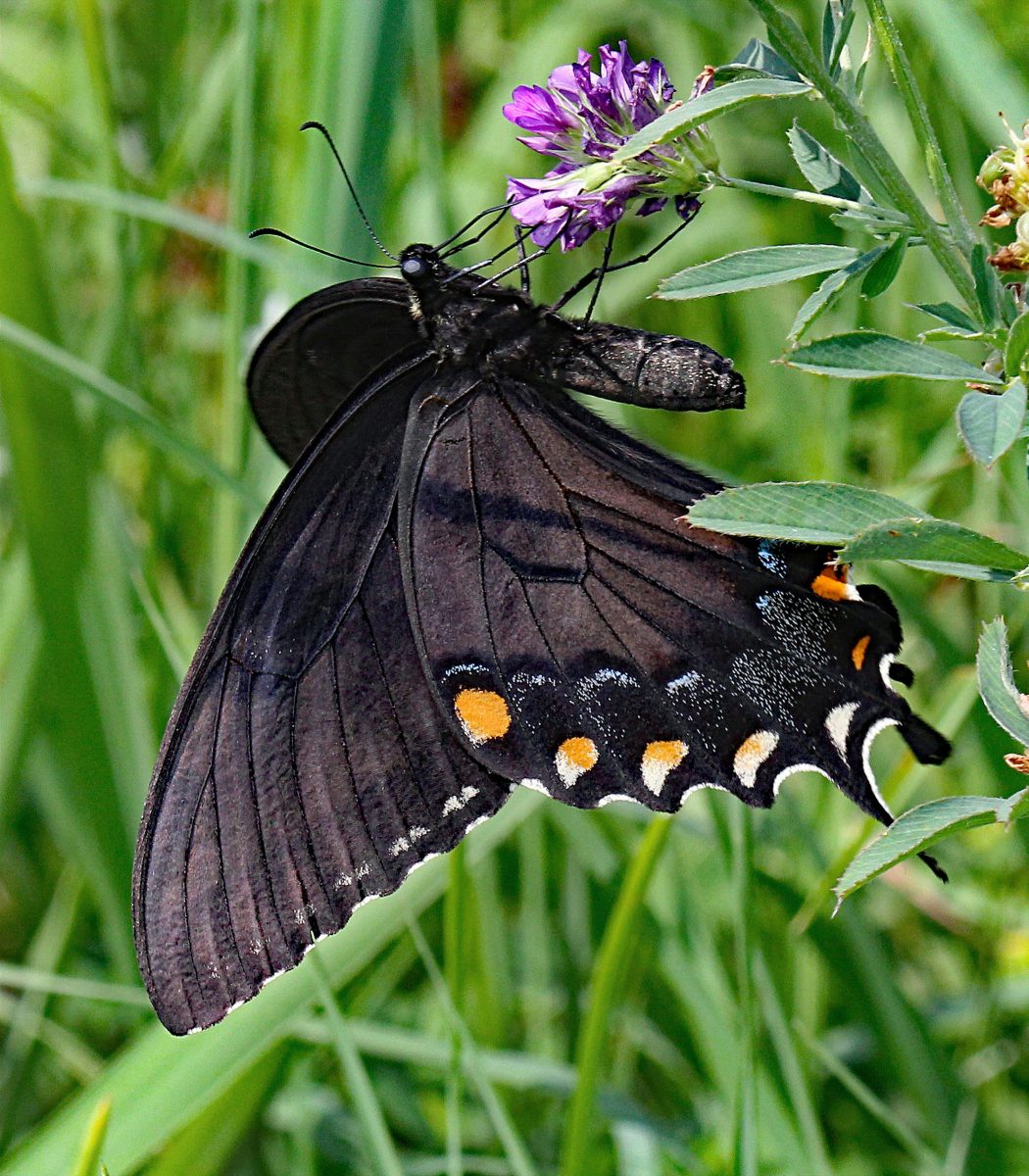
Creating a butterfly garden brings beauty and ecological benefits to your outdoor space. By understanding the needs of butterflies—such as food, shelter, water, and sunlight—you…
-
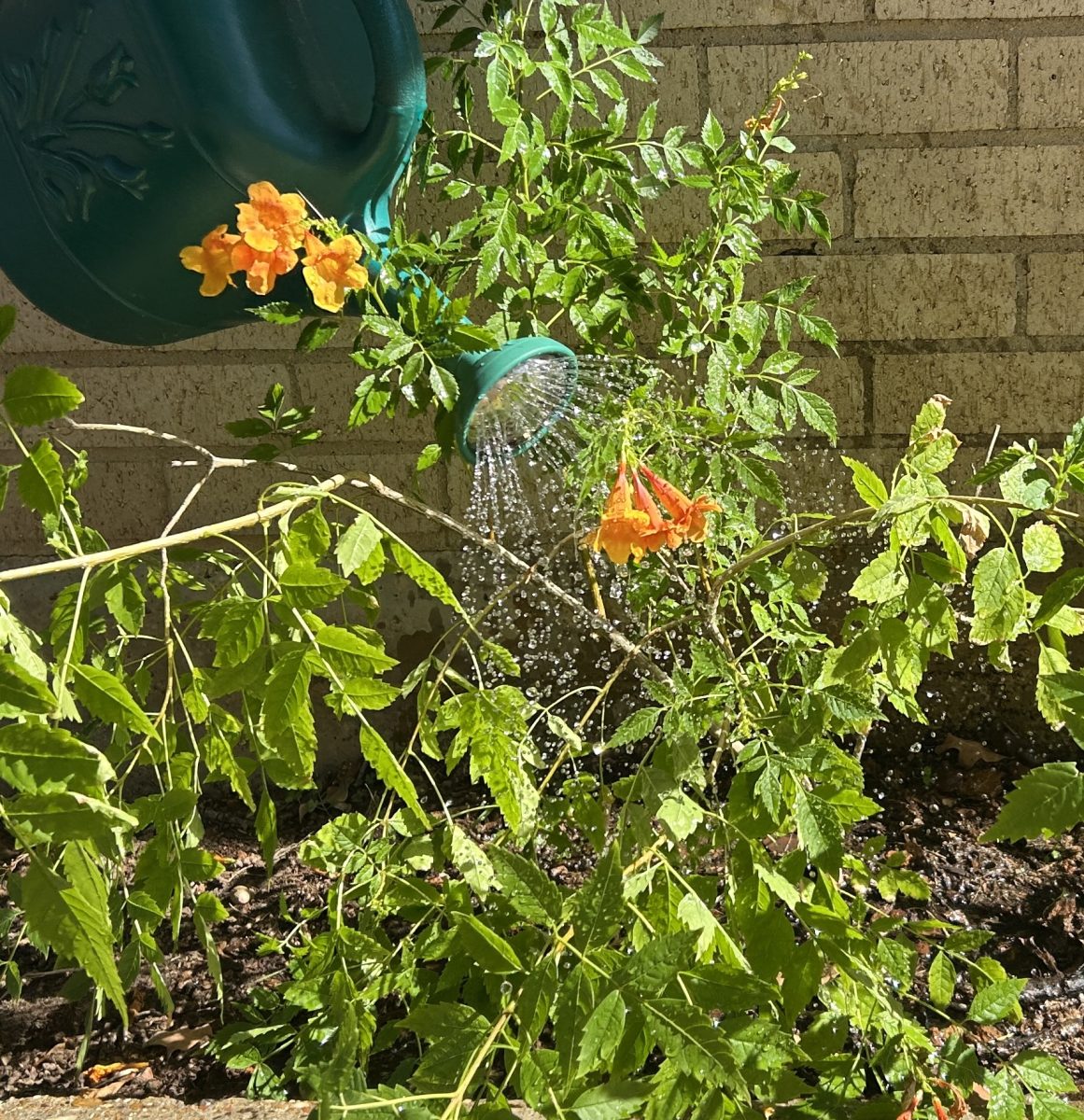
Native plants require careful watering, particularly when newly planted, despite being labeled as “low-maintenance.” Proper knowledge of their water needs—varying for new versus established plants,…
-
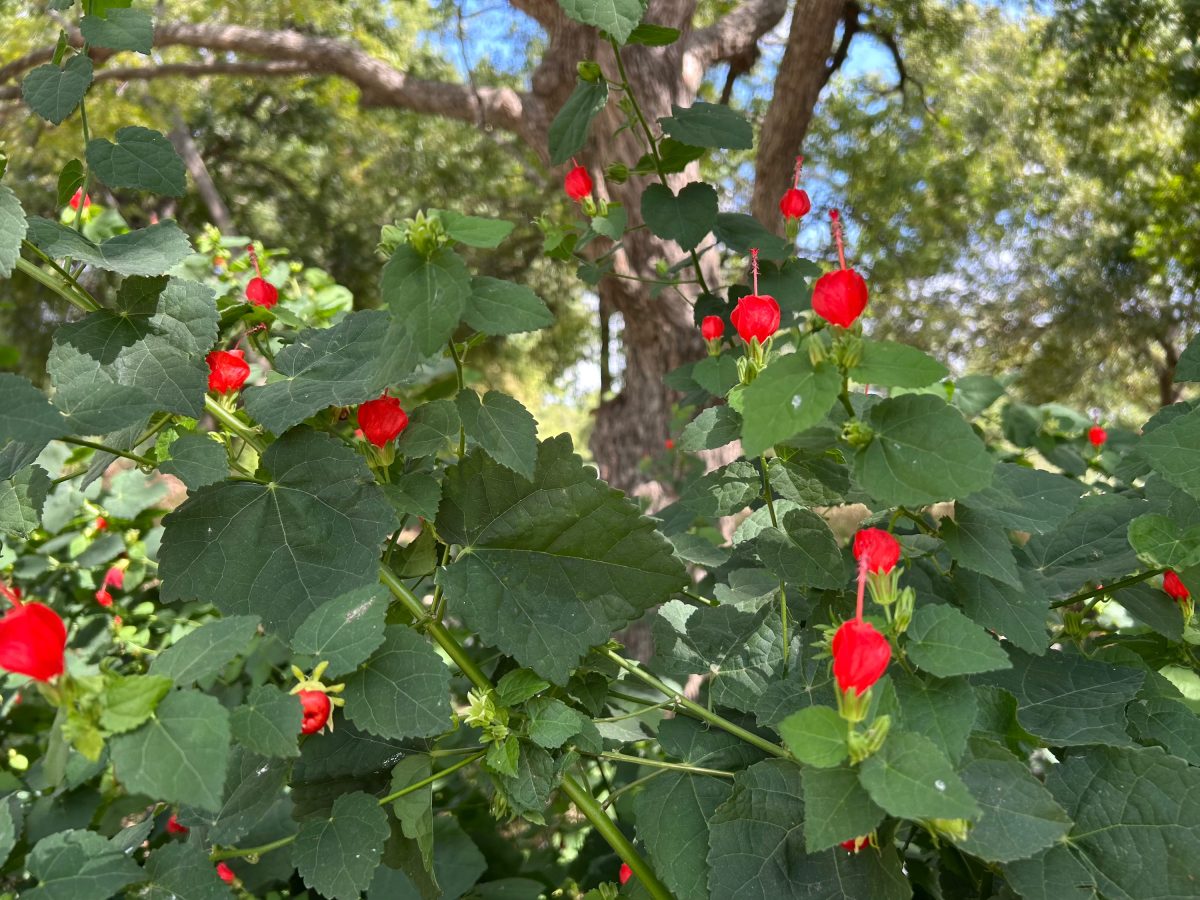
Shade gardens in hot, dry climates can thrive by using native plants that require less water and support local wildlife. Recognizing different shade types—full, partial,…
-

Native plants are vital for ecosystems, particularly through their impressive underground root systems. Unlike ornamental plants, these roots, which can extend deep into the soil,…
-
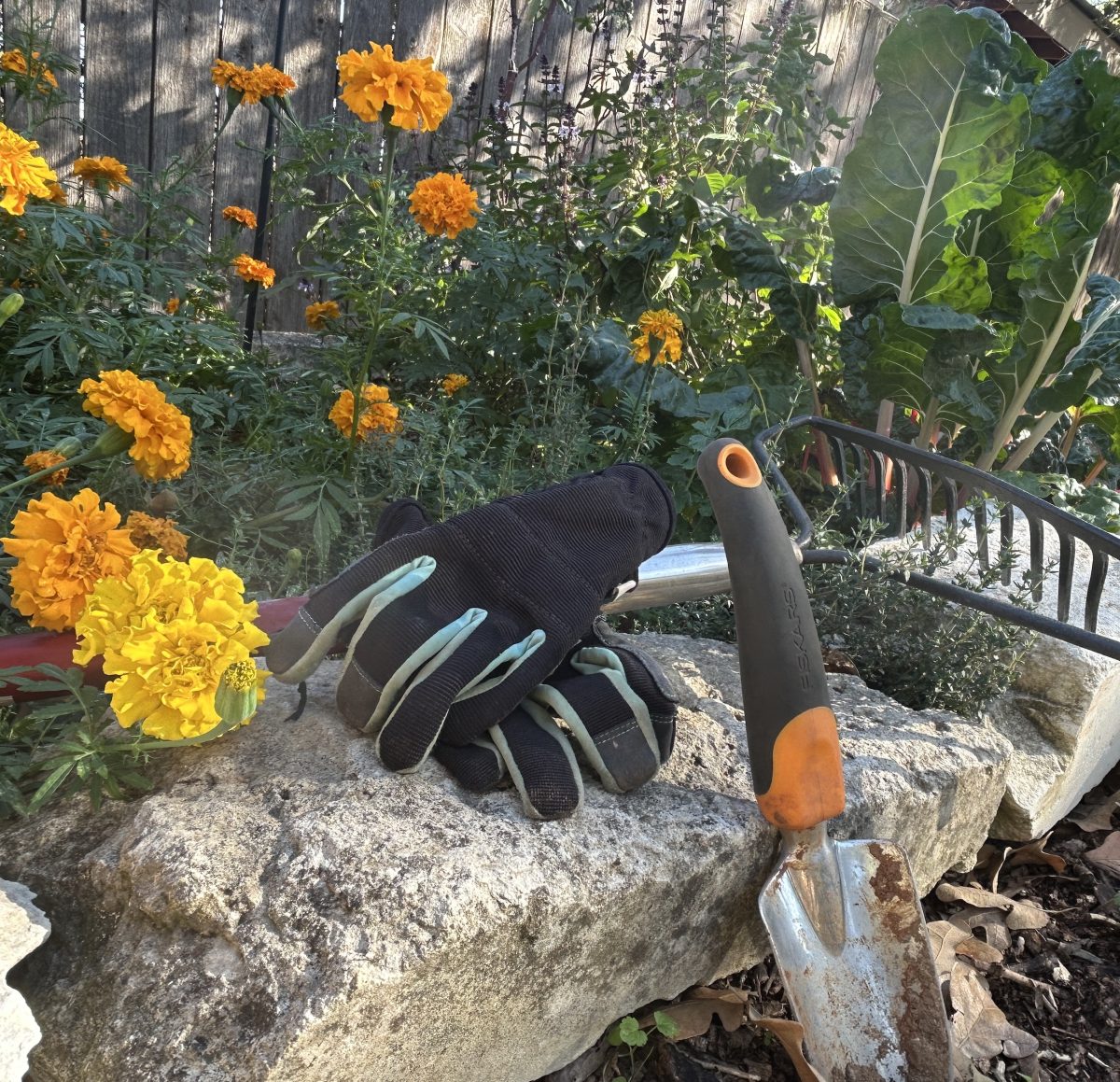
This beginner’s guide aims to simplify the process of establishing and maintaining a pollinator-friendly garden. It covers essential steps, starting with selecting an appropriate location,…
-

Rock gardens offer an aesthetically pleasing and low-maintenance addition to your yard, ideal for dry climates and showcasing succulents or small perennials. To create one,…
-

Bronze Fennel (Foeniculum vulgare ‘Purpureum’) is a vital host plant for swallowtail caterpillars and attracts various butterflies with its nectar. It features dark purplish foliage…