
Milkweed is the foundation of any successful butterfly garden in Texas — especially if you want to support monarchs and queens. But many gardeners struggle to keep milkweed alive in Zone 8 heat, clay soil, and unpredictable rainfall.
The problem is rarely effort. It’s usually plant choice and timing.
This guide explains which native milkweed species actually thrive in North and Central Texas, when to plant them, and what to expect as they establish over time.
Quick Answer: Best Milkweed for Texas Zone 8
For most Texas gardens, the most reliable native milkweeds are:
- Green milkweed (Asclepias viridis) – best overall
- Antelope horn milkweed (Asclepias asperula) – best for dry soil
- Whorled milkweed (Asclepias verticillata) – best for low water
- Butterfly weed (Asclepias tuberosa) – best for amended beds
- Zizotes milkweed (Asclepias oenotheroides) – best for wild plantings
These species tolerate heat, drought, and clay soil better than tropical milkweed and support monarch breeding safely.
Why Native Milkweed Matters
Native milkweeds are adapted to Texas heat, local rainfall patterns, native soil chemistry, and regional pests. Unlike tropical milkweed, native species:
• Die back naturally in winter (important for monarch parasite control)
• Do not disrupt migration timing
• Support a variety of native insects beyond monarchs
• Handle drought and heat with far less water
If you have ever struggled to keep milkweed alive before, you will find that choosing the right species for your site makes all the difference.
Top Native Milkweed Species for Texas Zone 8
Below are the most reliable, garden-worthy choices for North/ Central Texas (Zone 8), with notes on soil, water, and how beginner-friendly each one is to grow.

1. Green Milkweed (Asclepias viridis) — The Texas Superstar
Best for: Open sunny spots, drought, heavy clay soil, minimal maintenance.
Why It’s Great:
• Extremely heat tolerant
• Deep taproot makes it long-lived
• Grows naturally throughout Texas
• Monarchs prefer it for egg laying in spring
Growth Habit:
• 1–2 ft tall
• Broad leaves, pale green flower umbels
• Goes fully dormant by mid-summer if weather is hot
How to Grow:
• Full sun
• Average to poor soil; do not overwater
• Plant in fall or early spring
Notes: Slow to establish the first year but strong and reliable afterward.
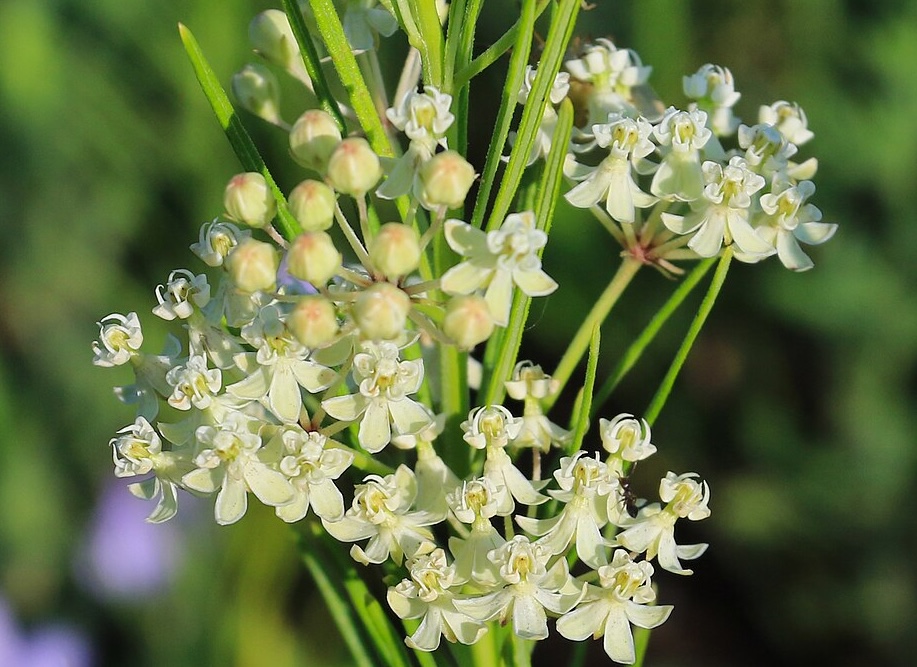
2. Whorled Milkweed (Asclepias verticillata) — Fine-Textured and Tough
Best for: Dry gardens, prairie-inspired beds, full-sun meadows.
Why It’s Great:
• Extremely drought-hardy in hot Texas summers
• Narrow leaves make it blend beautifully with other perennials
• Forms small clumps over time
Growth Habit:
• 1–2 ft tall
• Slender, thread-like leaves
• White, highly fragrant flowers
How to Grow:
• Full sun to part sun
• Very well-drained soil
• Water lightly during establishment
Notes: This species often blooms in its first year, even from seed.
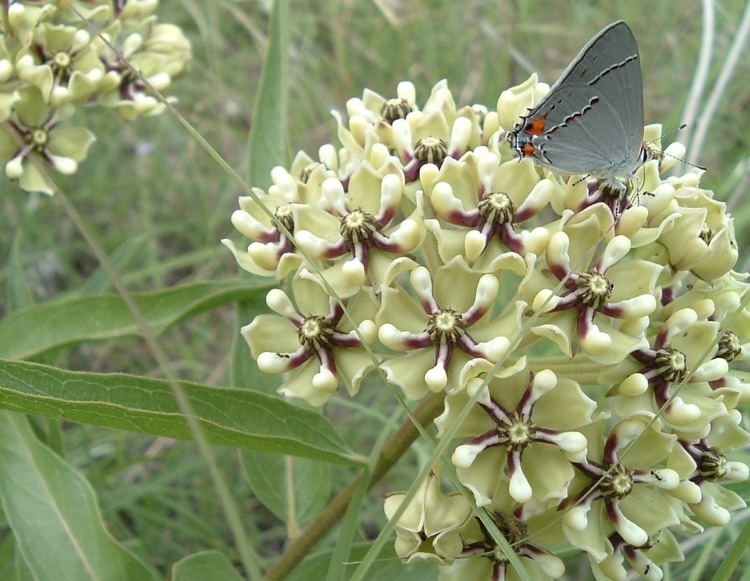
Gray hairstreak butterfly on antelope horn milkweed in Texas.
3. Antelope Horn Milkweed (Asclepias asperula) — Striking Form With Unusual Blooms
Best for: Rocky beds, wildflower meadows, low-water gardens.
Why It’s Great:
• Distinctive star-shaped flowers
• Monarch magnet in spring
• Thrives on heat and neglect
Growth Habit:
• Low-growing rosette
• Thick, rubbery leaves
• Forms large seed pods resembling antelope horns
How to Grow:
• Full sun
• Sandy, rocky, or decomposed-granite soil preferred
• Dislikes wet clay
Notes: Excellent for xeriscaping and pollinator landscapes.

4. Butterfly Weed (Asclepias tuberosa) — Brilliant Orange Blooms
Best for: Well-drained borders, raised beds, pollinator gardens.
Why It’s Great:
• Gardeners love the bright orange flowers
• Long bloom window
• Also attracts swallowtails and bees
Growth Habit:
• 1.5–2 ft tall
• Bushy clumping habit
How to Grow:
• Needs excellent drainage
• Prefers sandy loam or raised beds
• Full sun
Notes: Often slower in heavy Texas clay but thrives in amended beds.
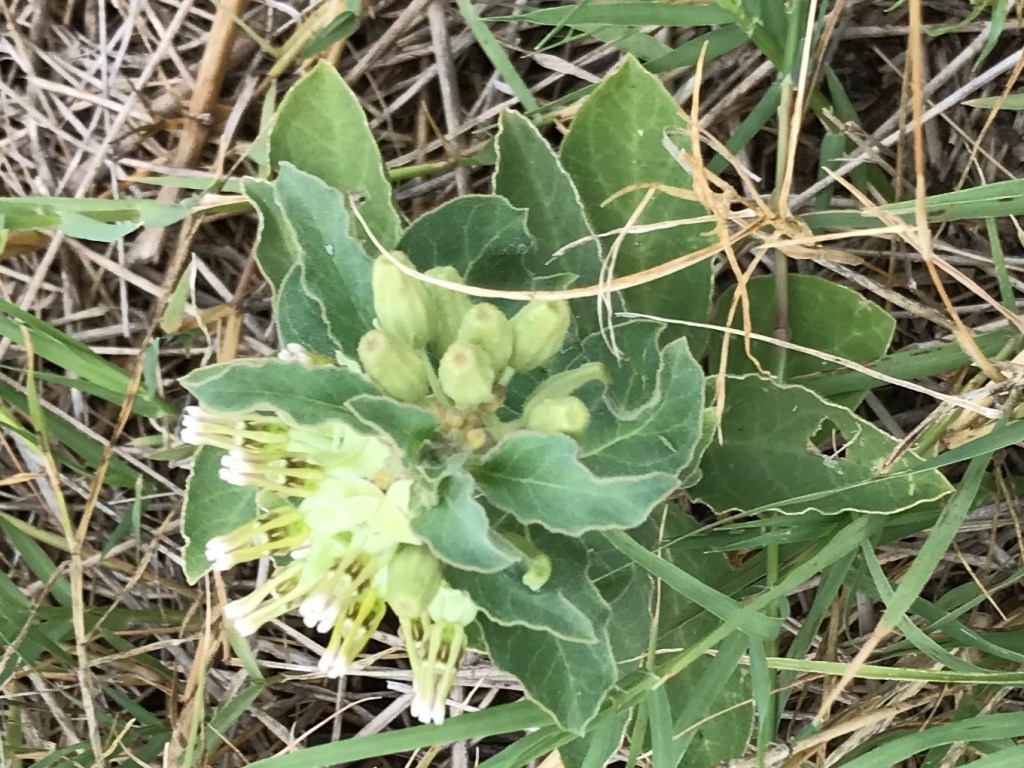
5. Zizotes Milkweed (Asclepias oenotheroides) — Tough and Adaptable
Best for: Dry or sandy soils, rural or wild plantings.
Why It’s Great:
• Native to much of Texas
• Handles heat, drought, and neglect
• Early season growth supports spring monarchs
Growth Habit:
• Low-growing, sprawling form
• Pale green leaves with wavy edges
How to Grow:
• Full sun
• Average to poor soil
• Minimal watering once established
Notes: Not as ornamental as others but very important ecologically.
When to Plant Milkweed in Texas (Zone 8 Timing)
BEST: Fall (October–December)
• Gives roots the entire winter to develop
• Better survival and earlier blooms
• Mimics natural germination cues
SECOND BEST: Early Spring (February–March)
• Works well for greenhouse-grown plugs
• May require summer watering during establishment
AVOID: Mid-Summer
• Too hot for young plants
• High failure rate
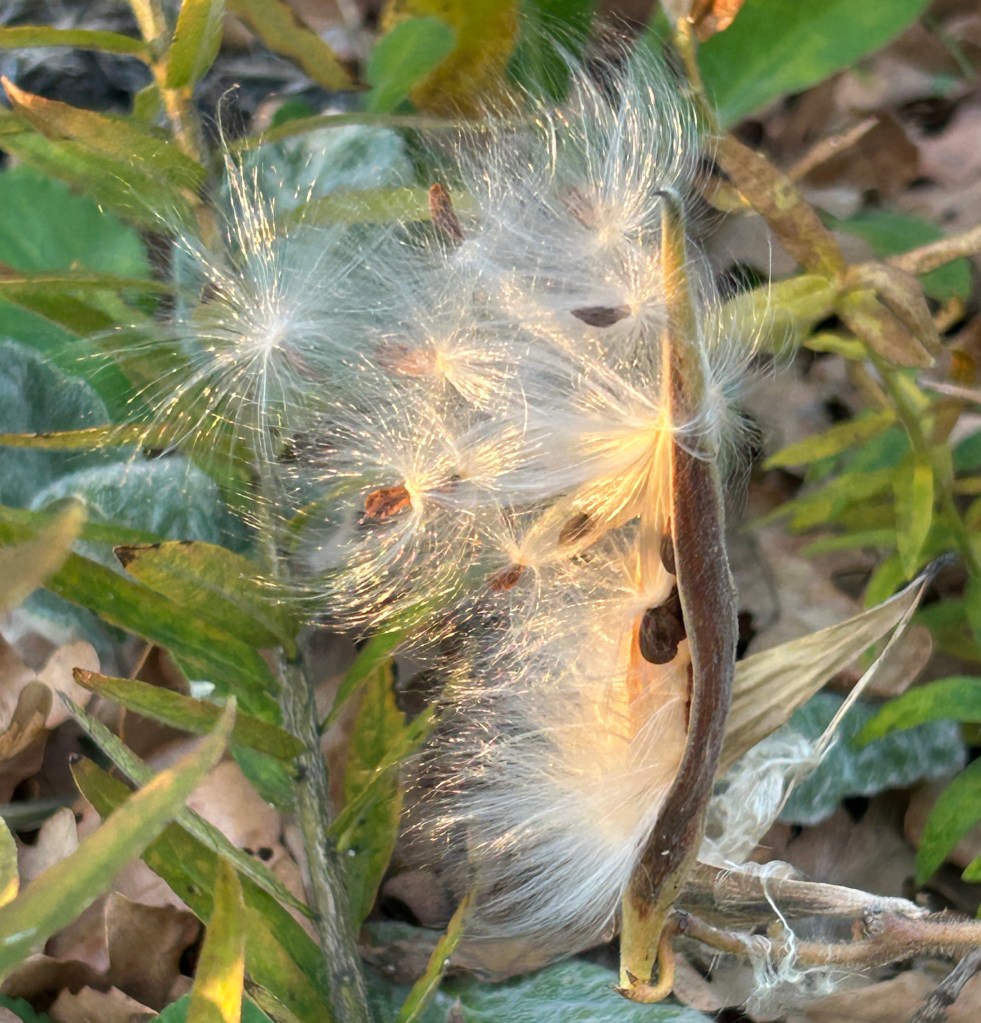
See the step by step guides on how to collect milkweed seeds and how to germinate milkweed seeds.
Watering & Care in the First Year
Most Native Milkweeds Follow a Pattern:
• Year 1: Small plant, building a root system
• Year 2: Larger plant, reliable blooms
• Year 3: Fully mature, vigorous growth
Watering Schedule:
• Water once weekly for the first 6–8 weeks
• After that, only water during prolonged drought
Native Milkweed Dislikes:
• Overwatering
• Rich, heavily fertilized soil
• Crowded, dense plantings
The full guide on Planting and Caring for Milkweed for Monarchs is available here.
Will Monarchs Find Them?
Yes—as long as you plant in sun. Monarchs rarely lay eggs on milkweed growing in full shade.
Native species are strongly preferred during the spring migration because tropical types remain too soft and lush and harbor disease.
Planting 2–4 species together gives monarchs options depending on temperature and season. See the full guide on Creating a Monarch Waystation for instructions on making a suitable habitat for monarchs to live and breed in year round.
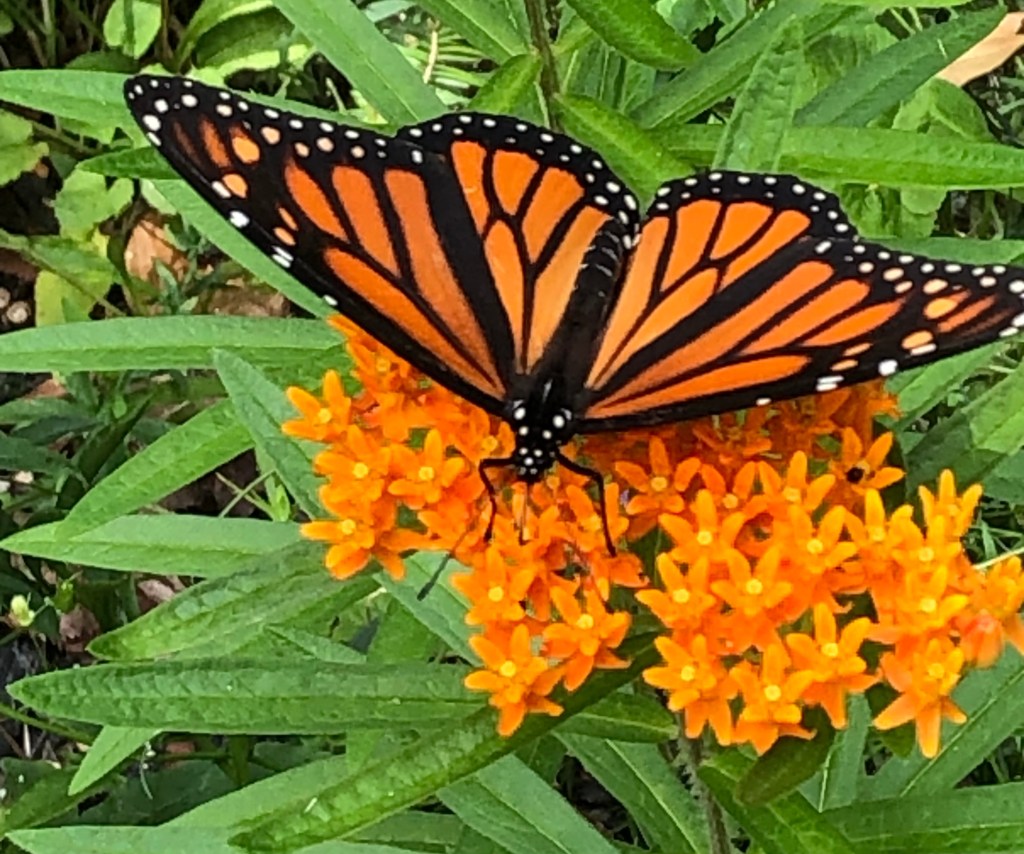
Monarch butterfly feeding on nectar from orange milkweed (Asclepias tuberosa)
Best Companion Plants for Milkweed in Texas Zone 8
Pair milkweed with other drought-tolerant natives that feed adult butterflies:
• Gregg’s mistflower
• Blackfoot daisy
• Coreopsis
• Gaillardia
• Liatris species
• Penstemon
• Ironweed
These native flowers extend bloom seasons and create a true pollinator habitat.
Why Milkweed Fails in Texas Gardens (And How to Fix It)
Common Issues:
• Planting at the wrong time of season
• Lack of sun/ too much sun too early
• Starting from seed without cold stratification (seeds fail to sprout)
• Poor drainage/ overwatering leading to root rot
Quick Fixes:
• Add coarse materials for drainage
• Plant in fall in cooler temperatures
• Choose tougher species like viridis, asperula, or verticillata
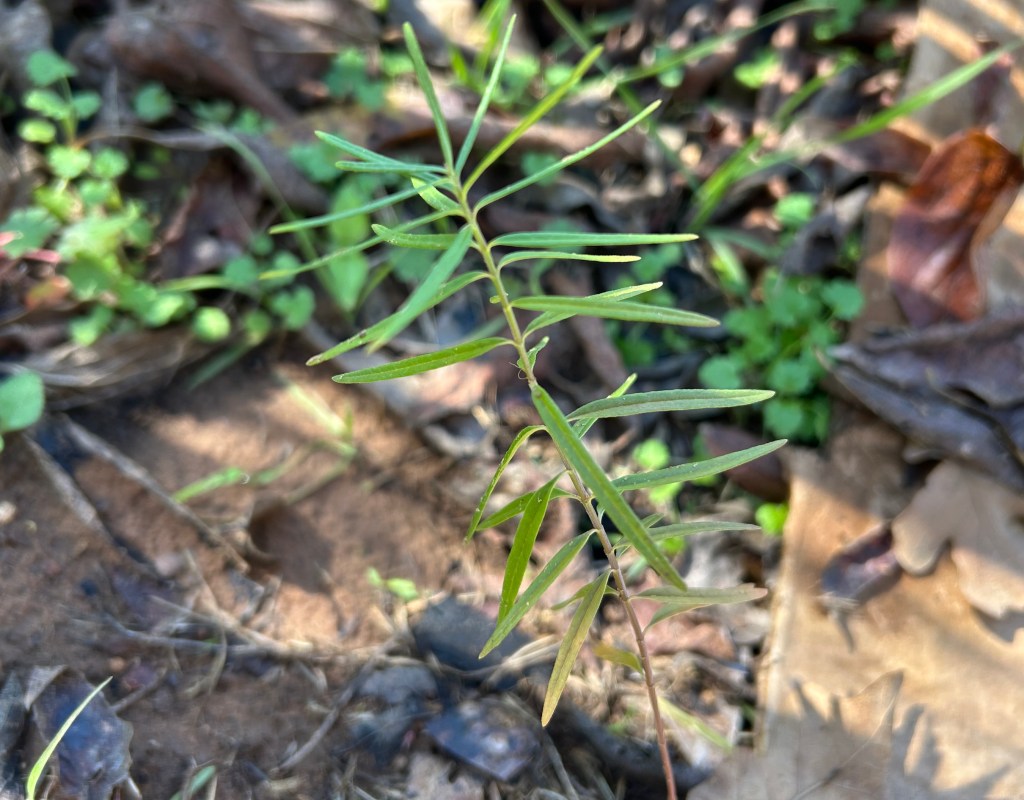
Whorled milkweed seedling transplanted into cool fall soil. Cannot wait to see its growth next year!
Frequently Asked Questions About Milkweed in Texas
Is tropical milkweed bad in Texas?
Yes. Tropical milkweed does not die back in winter and can increase parasite levels that harm monarchs. Native species are safer and better adapted.
How many milkweed plants should I plant?
For most home gardens, 3–7 plants spread across different areas works better than one large cluster.
Can milkweed grow in Texas clay soil?
Some species, like green milkweed, tolerate clay well. Others need improved drainage.
Will milkweed attract monarchs immediately?
Sometimes. More often, it takes one full season for monarchs to locate and use new plantings.
Conclusion
Native milkweeds are the foundation of a resilient butterfly garden in Texas Zone 8. When you choose species adapted to heat, drought, and local soils, you will get plants that return stronger each year—and support monarchs exactly when they need it most.
Start with a few reliable species, plant in fall, give them sun and space, and let their deep roots handle the rest. Native milkweed adapted to the local climate is not only the easiest to grow but also provides monarch butterflies with the habitat they need to continue to reproduce and thrive.
This article covers one part of butterfly gardening. The Butterfly Garden Cheat Sheet shows how these elements fit together at a basic level.
Related Guides:
The Complete Guide to Butterfly Gardening: How to Attract, Feed, and Protect Butterflies All Year
How to Attract Monarch Butterflies to Your Garden
How to Keep Butterfly Garden Plants Alive in Extreme Texas Heat
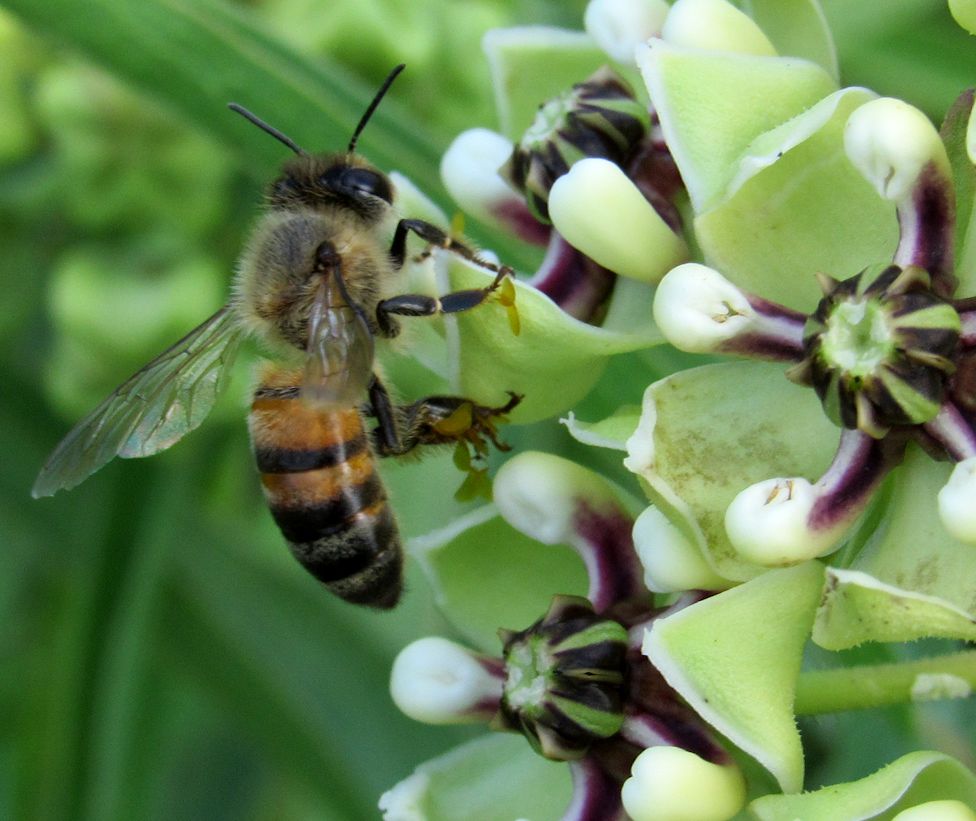
Photo credits: cover bee on antelope horn milkweed – LevyRat; green milkweed – Dr. Thomas G Barnes, USFWS; whorled milkweed – USFWS Midwest Region; antelope horn milkweed and gray hairstreak – En el nido (Nest), https://creativecommons.org/licenses/by/3.0 ; zizotes milkweed – Tyler Cannon
 Butterfly garden paradise
Leave a comment