
Summer changes the way butterflies use a garden. Many Texas gardeners notice fewer butterflies during the hottest weeks of the year and assume activity has dropped sharply. While some seasonal shifts do reduce visible movement, butterflies often remain present in the garden in ways that are simply less obvious.
As temperatures rise, butterflies change how they move, feed, and rest. Instead of remaining active throughout the day, many shift their activity toward cooler morning and evening hours. During the hottest parts of the afternoon, they often seek shelter in protected areas where heat, wind, and direct sun are less intense.
This is where refuge zones become important.
A butterfly garden that provides cooler protected spaces can continue supporting butterfly activity even during prolonged Texas heat. These areas help reduce stress, conserve moisture, and create the conditions butterflies need to rest, recover, and remain active through difficult summer conditions.
Creating cool refuge zones does not require a large property or elaborate redesign. Often, small intentional adjustments make a meaningful difference.
Why Butterflies Need Summer Refuge
Butterflies are highly sensitive to environmental conditions. Because they are ectothermic, their body temperature is strongly influenced by surrounding temperatures. Warmth helps butterflies become active and fly efficiently, but excessive heat creates physiological stress.
During extreme summer conditions, butterflies may respond by:
- reducing midday activity
- seeking lower vegetation
- resting beneath leaves
- moving toward shaded edges
- remaining inactive during peak afternoon exposure
This is normal adaptive behavior. A butterfly that disappears from view during intense afternoon heat has not necessarily left the garden. It may simply be sheltering nearby until conditions improve.
Gardens that provide refuge allow butterflies to remain within the landscape rather than forcing them to move elsewhere in search of relief.

Giant swallowtail resting in the dappled shade of Turk’s cap, which also provides nectar during the summer months.
What Makes a Good Refuge Zone
A cool refuge zone does not need to be fully shaded. In fact, most butterflies still benefit from nearby access to warmth and sun. The goal is partial protection and temperature moderation.
Effective refuge zones often provide:
- filtered light
- lower ambient temperature
- reduced reflected heat
- protection from drying wind
- nearby nectar access
- dense foliage for shelter
These conditions help butterflies regulate activity while conserving energy.
The best refuge spaces often include a mix of shelter and accessibility rather than deep isolated shade.
Use Layered Planting for Natural Cooling
One of the most effective ways to create summer refuge is through plant layering. Layered planting mimics natural ecological structure by combining plants at different heights and densities. This creates cooler air pockets and helps moderate ground-level temperature.
A simple layered refuge might include:
- low-growing groundcover such as frogfruit or horseherb
- mid-level flowering plants like salvia or gaillardia
- taller structural plants such as native grasses or rudbeckia
This combination provides shade at multiple levels while still allowing movement through the space. Layering also improves humidity retention near the soil surface, helping both plants and insects tolerate prolonged heat more effectively.

A skipper butterfly resting on foliage in a partially shaded area of the garden, where established plants create cooler, more sheltered conditions.
Preserve Dense Foliage Where It Matters
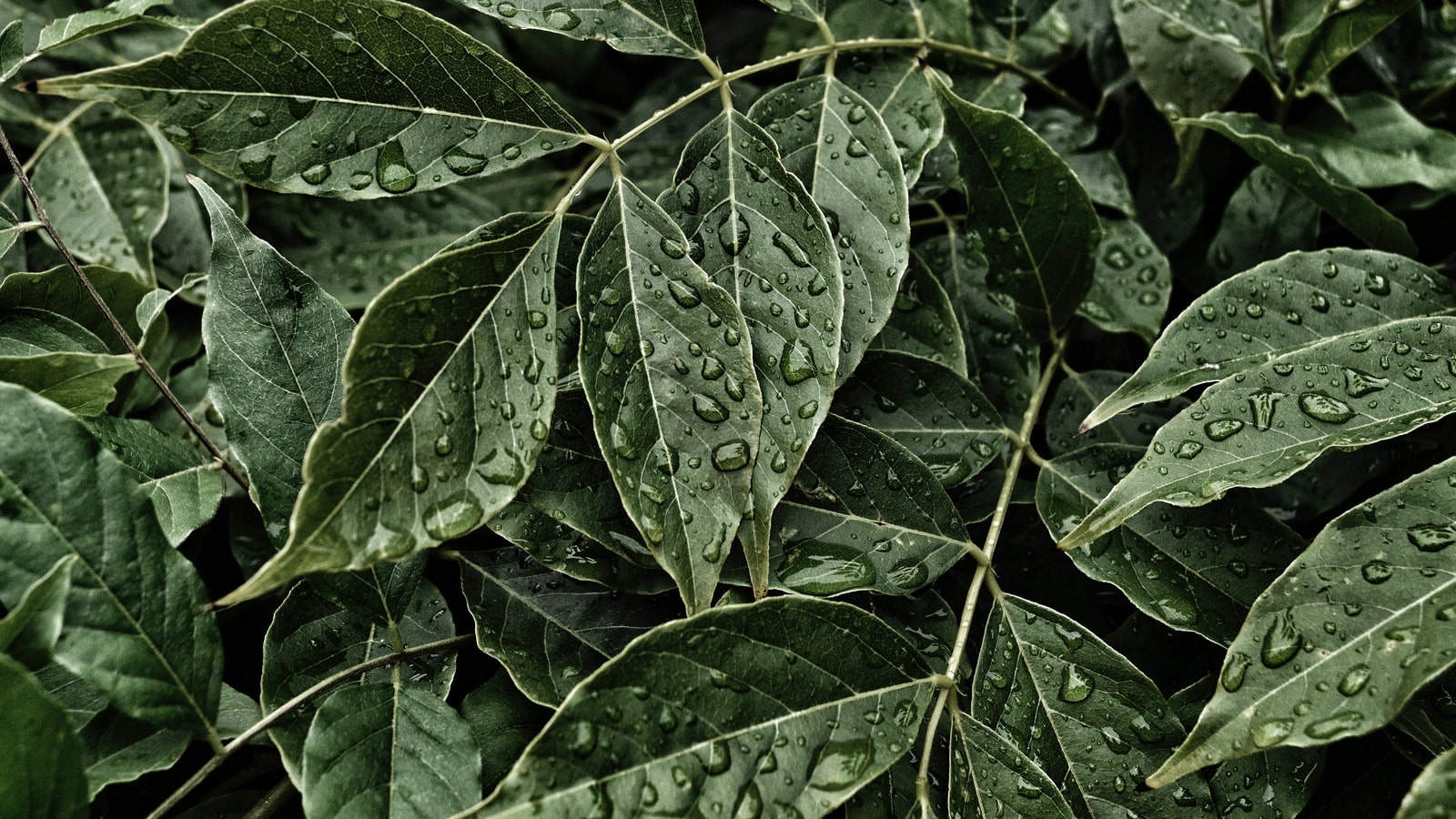
Summer often tempts gardeners to trim aggressively. Plants may look uneven, stretched, or less tidy than they did in spring. But dense foliage is often performing important work.
Leafy growth helps:
- shade soil
- reduce heat reflection
- hold moisture
- create resting surfaces
- buffer wind exposure
When possible, avoid removing protective foliage simply for appearance. A slightly untidy summer plant often offers more ecological value than a heavily pruned one. This is especially true around garden edges where butterflies frequently shelter.
Use Groundcover to Moderate Heat
Bare soil becomes extremely hot in Texas summer. This increases surrounding air temperature and creates harsher conditions at butterfly resting level.
Groundcover helps regulate this. Low-growing plants such as frogfruit and horseherb create cooler microclimates by shading soil and reducing heat radiating upward.
These spaces often become valuable shelter zones for:
- small skippers
- hairstreaks
- beneficial beetles
- native bees
- other pollinating insects
Living groundcover often performs this role more effectively than decorative mulch alone.
Add Afternoon Protection Strategically
Texas summer sun is often most intense from late afternoon into early evening, especially on western exposures. Even partial afternoon protection can noticeably improve butterfly comfort.
This may come from:
- taller perennial plantings
- nearby shrubs
- trellised vines
- temporary shade from existing non-native structure
- carefully placed containers
You do not need to shade the entire garden. Creating even a few partially protected pockets can provide meaningful refuge. Observe where heat feels most intense in your own space and prioritize those areas.

Hackberry emperor drinking from moist soil after watering. Damp soil and shallow puddles can provide butterflies with water and dissolved minerals during hot weather.
Provide Moisture Without Saturation
Butterflies benefit from access to moisture, particularly during extended dry periods. This does not mean keeping the entire garden wet. Instead, small intentional moisture-supporting features can help create more hospitable summer conditions.
Useful options include:
- butterfly puddlers
- shallow damp soil areas
- mulched zones with moderated evaporation
- watering practices that maintain stable root-zone moisture
These features help butterflies access both water and dissolved minerals while supporting overall garden function. The goal is moisture balance, not constant saturation.
Watch How Butterflies Use the Garden
One of the best ways to improve refuge design is observation. Butterflies often reveal exactly where refuge already exists. Watch for where they gather during hotter periods. Notice:
- which plants attract resting butterflies
- where activity remains visible longest
- which areas stay cooler into afternoon
- where smaller butterflies shelter
These patterns provide direct information about how your garden is functioning. The most effective refuge zones are often built by strengthening what butterflies are already choosing.

Vines like this snapdragon vine add vertical structure and sheltered resting places for butterflies and other wildlife. Texas betony and a garden spider are also pictured.
Summer Refuge Is Part of Long-Term Garden Design
Many butterfly gardeners focus primarily on flowers. Nectar matters, but summer support depends on more than bloom alone.
A garden that functions through Texas heat also provides:
- temperature moderation
- structural shelter
- resting space
- protected movement pathways
- moisture stability
These less visible elements often determine whether butterflies continue using the garden consistently through summer.
Cool refuge zones are not extra features added after the garden is complete. They are part of what makes a butterfly garden complete in the first place. As your garden matures, these spaces become increasingly important. They help transform the garden from a collection of butterfly-friendly plants into a functioning habitat capable of supporting life through difficult seasonal conditions.
If you want a simple reference for understanding how nectar plants, host plants, shelter, and seasonal support work together in a butterfly garden, the Butterfly Garden Cheat Sheet brings the essentials together in one place.
Want To Go Deeper?
Butterfly Gardens That Work in Texas Heat expands on many of the ideas discussed here, including plant communities, seasonal adaptation, habitat function, and long-term garden stability.
Related Guides:
The Complete Guide to Butterfly Gardening: How to Attract, Feed, and Protect Butterflies All Year
How to Keep Butterfly Plants Alive in Extreme Texas Heat (Zone 8)
Why More Water Doesn’t Fix Heat Stress in Texas Gardens
Photo credits: cover gulf fritillary – Tomás Asurmendi
Leave a Reply