August can be a frustrating month for Texas gardeners. Weeks of triple-digit temperatures leave many flower beds looking tired. Plants that were covered in blooms during spring may now be struggling through the heat, weeds seem to grow faster than everything else, and spending more than a few minutes outside quickly becomes uncomfortable.
It’s easy to look at the garden and think the growing season is winding down. In reality, one of the best gardening seasons is just around the corner.
As temperatures begin to moderate, many plants experience a second flush of growth, butterflies become increasingly active, and gardeners have another opportunity to add color before winter arrives. But those beautiful fall gardens rarely happen by accident.
The work that creates a successful autumn garden often begins weeks before cooler weather arrives. By taking advantage of late summer to prepare your beds, evaluate your plants, and plan new additions, you’ll be ready to make the most of the cooler days ahead instead of scrambling to catch up.
Why August Is the Perfect Time to Start Planning
Planting may still be a few weeks away, but August is one of the best months for planning.
Summer has revealed which parts of your garden thrive and which ones struggle. You can clearly see where plants have outgrown their space, where blooms disappeared too early, and which areas could use more color heading into fall.
These observations are surprisingly valuable. It’s much easier to make good decisions when you can still see the garden’s strengths and weaknesses rather than trying to remember them months later.
Take a slow walk through your garden and ask yourself a few simple questions:
- Which plants bloomed the longest?
- Where are the empty spaces?
- Which flowers attracted the most butterflies?
- Are there areas that need more height or structure?
- Which plants struggled with the summer heat?
A few notes or photos taken now can save a lot of guesswork when it’s time to plant.

Keeping a garden journal or photo log helps you track seasonal changes and make better planting decisions year after year.
Clean Up Without Starting Over
By late summer, many gardens look a little worn.
Annuals may have finished blooming, flower stalks have faded, and a few plants may have been lost to heat or drought. It’s tempting to start pulling everything out and giving the garden a fresh start.
Resist that urge.
Many perennials are simply resting through the hottest part of the year. Once cooler temperatures arrive, they’ll begin producing fresh growth and new flowers.
Instead of clearing entire beds, focus on light maintenance.
Remove dead or diseased growth, pull aggressive weeds before they set seed, and cut back plants that have become leggy or untidy. A light pruning often encourages fresh growth without sacrificing plants that still have plenty of life left in them.
Leaving healthy plants in place also means butterflies and other beneficial insects continue finding food and shelter while your garden transitions into fall.
Refresh Your Mulch
After months of intense sun, wind, and heavy summer rains, mulch often becomes thinner than many gardeners realize. Refreshing mulch before fall offers several benefits.
A fresh layer helps conserve moisture during lingering summer heat, suppresses late-season weeds, protects plant roots from temperature swings, and slowly improves soil as organic mulch breaks down.
Aim for a layer about two to three inches deep, keeping mulch a few inches away from the crowns of perennial plants and the trunks of shrubs to reduce the risk of rot.
If your existing mulch is still in good condition, you may only need to rake it smooth and add a thin layer rather than replacing it completely.
Resist the Urge to Fertilize Everything
When plants begin looking tired, fertilizer often seems like the obvious solution. In many cases, however, the problem isn’t a lack of nutrients—it’s the heat.
During the hottest weeks of summer, many plants naturally slow their growth to conserve energy. Pushing them with heavy applications of fertilizer can encourage tender new growth that struggles in extreme temperatures or becomes more attractive to insect pests.
Instead, focus on keeping plants healthy until cooler weather arrives. Continue watering deeply when needed, remove damaged growth, and wait until temperatures begin moderating before encouraging vigorous new growth.
Healthy roots entering fall are usually far more important than producing a burst of late-summer foliage.

Fall is one of the best times to plant many Texas natives, giving roots time to establish before the following summer’s heat.
Take Inventory Before You Go Shopping
Garden centers become especially tempting as fall approaches. New shipments begin arriving, colorful displays appear, and it’s easy to come home with plants simply because they’re blooming.
Before buying anything, take inventory of what you already have. Walk through your garden and make a list of:
- Perennials that need dividing.
- Empty spaces that need filling.
- Areas lacking fall color.
- Host plants you’d like to add.
- Nectar plants that would extend your bloom season.
This simple exercise helps prevent impulse purchases while making sure every new plant has a purpose. You may even discover you already have enough plants to fill some empty spaces just by dividing existing perennials later in the season.
Think Beyond Flowers
When planning a fall butterfly garden, flowers naturally get most of the attention. They’re important—but they’re only part of the picture.
Fall is also an excellent time to improve the overall habitat your garden provides. Ask yourself:
- Do butterflies have sheltered places to escape strong winds?
- Are there sunny areas where they can warm themselves on cool mornings?
- Do you have enough host plants for caterpillars?
- Is there a shallow water source or damp soil for butterflies to drink from?
- Are there places where beneficial insects can safely overwinter?
Small improvements in habitat often have just as much impact as planting another flowering perennial.

A young monarch caterpillar feeding on native milkweed, the only host plant where monarchs lay their eggs. Learn more about the difference between nectar plants and host plants in our complete guide.
The Best Plants to Add Before Fall Arrives
Once your garden is cleaned up and you’ve identified where improvements are needed, it’s time to think about what you’ll add when temperatures begin to cool. Rather than filling every empty space, focus on plants that will carry your garden through autumn while also supporting butterflies and other pollinators.
Some of the best additions include:
Late-Blooming Native Perennials
Plants that bloom in late summer and fall provide valuable nectar when many spring flowers have already finished.
Some excellent choices include:
- Mistflower
- Goldenrod
- Frostweed
- Azure sage
- Maximilian sunflower
- Mexican bush sage
Together, these plants help keep your garden colorful while providing an important food source for migrating butterflies. For more fall blooming nectar sources for pollinators see: Fall Blooming Plants to Fuel Butterflies at the End of the Season.
Long-Blooming Salvias
If your garden fades during summer, adding a few salvias can make a dramatic difference next year. Species like Gregg’s salvia, mealy blue sage, and cedar sage often bloom for months and bridge the gap between spring and fall. See also: The Best Salvias for Butterflies in Texas: Native & Heat-Tolerant Favorites.
Host Plants
Fall is an excellent time to think beyond flowers. If your goal is to see more caterpillars next year, adding host plants now gives them time to establish before spring arrives.
Depending on the butterflies you hope to attract, consider planting:
- Milkweed for monarchs
- Passionvine for gulf fritillaries
- Bronze fennel, parsley, or dill for black swallowtails
- Citrus for giant swallowtails
A butterfly garden becomes much more valuable when it supports the entire life cycle, not just the adult butterflies. Read more about The Best Host Plants for Caterpillars in Zone 8.
Why Fall Is One of the Best Times to Plant
Many gardeners assume spring is always the best time to plant.
In Texas, that’s not always true.
As the weather begins cooling, plants can spend less energy coping with heat and more energy developing healthy root systems. Warm soil combined with cooler air creates ideal conditions for many trees, shrubs, and perennials to establish before winter.
By the time spring arrives, those plants often have a significant head start over ones planted later.
Fall planting also has another advantage. Instead of struggling through months of triple-digit temperatures immediately after planting, young plants usually experience several months of relatively mild weather before the next summer arrives.
That stronger root system often translates into healthier, more drought-tolerant plants the following year.

A monarch butterfly fueling up on the nectar-rich flowers of Mexican bush sage during late summer.
Prepare for Fall Butterfly Activity
While many gardeners begin winding down after summer, butterflies are often doing the opposite. Late summer and fall can be some of the busiest months in a butterfly garden.
Many species are producing another generation before winter, while monarchs begin their remarkable migration south. Fresh nectar becomes increasingly important as butterflies prepare for the journey or build energy reserves before colder weather arrives.
If possible, aim to have something blooming from late August until the first frost. Gardens that continue providing nectar during this period often remain active with butterflies long after many neighboring landscapes have stopped flowering.
It’s one of the reasons I encourage gardeners to think about succession blooming rather than focusing only on spring color. A garden that offers nectar across multiple seasons supports far more wildlife than one that peaks for a few weeks and then fades.
Also see: How You Can Support Monarch Butterflies During Their Migration
Your Late Summer Garden Checklist
If you’re not sure where to begin, here’s a simple checklist to work through before cooler weather arrives.
✔ Walk through the garden and take notes on what worked well.
✔ Remove dead or diseased growth.
✔ Pull weeds before they produce seed.
✔ Refresh mulch where needed.
✔ Continue watering deeply during dry periods.
✔ Identify empty spaces that need more color or structure.
✔ Make a list of fall plants you’d like to add.
✔ Add compost to beds if needed.
✔ Start shopping for native perennials and host plants before the best selections sell out.
✔ Plan your fall planting days around cooler weather rather than the calendar.
Completing even a few of these tasks now can make fall gardening much more enjoyable.
Frequently Asked Questions
When should I start preparing my Texas garden for fall?
Late July through August is an excellent time to begin planning. While temperatures are still high, you can evaluate your garden, clean up beds, refresh mulch, and decide which plants you’d like to add once cooler weather arrives.
Is it too hot to plant in August?
For many perennials, trees, and shrubs, it’s usually better to wait until temperatures begin moderating. However, August is an ideal time to prepare beds, improve soil, and make a planting plan so you’re ready when conditions improve.
Should I cut back all my perennials?
Not necessarily. Many perennials continue growing or bloom again once temperatures cool. Remove dead or diseased growth, but avoid cutting back healthy plants unless they truly need shaping.
Why is fall planting so successful in Texas?
Warm soil encourages root growth while cooler air reduces stress on the plant. This allows many perennials, shrubs, and trees to establish before facing the heat of the following summer.

Queen butterfly feeding on fall-blooming Gregg’s mistflower, one of the best late-season nectar plants for migrating butterflies.
Final Thoughts
By August, it’s easy to feel like the gardening season is coming to an end. The heat can be relentless, plants may look tired, and spending time outside isn’t always enjoyable. But in Texas, late summer isn’t the finish line—it’s the transition to another growing season.
The work you do now doesn’t have to be dramatic. A little cleanup, thoughtful planning, refreshed mulch, and a list of plants to add can completely change how your garden looks and performs in the months ahead.
When cooler temperatures finally arrive, you’ll be ready to plant instead of starting from scratch.
And while many gardeners are just beginning to think about fall, you’ll already have the foundation in place for a healthier, more colorful, and more butterfly-friendly garden.
Enjoy learning about butterfly gardening?
Subscribe to the Butterfly Garden Paradise newsletter and receive the free Butterfly Garden Cheat Sheet—a one-page printable checklist that highlights the key concepts from this article. You’ll also receive seasonal gardening tips, new guides, and occasional updates as the garden changes throughout the year.
Related Guides:
- The Ultimate Texas Zone 8 Garden Guide: What to Plant & When
- How to Create a Monarch Waystation in Texas Zone 8
- The Complete Guide to Butterfly Gardening: How to Attract, Feed, and Protect Butterflies All Year
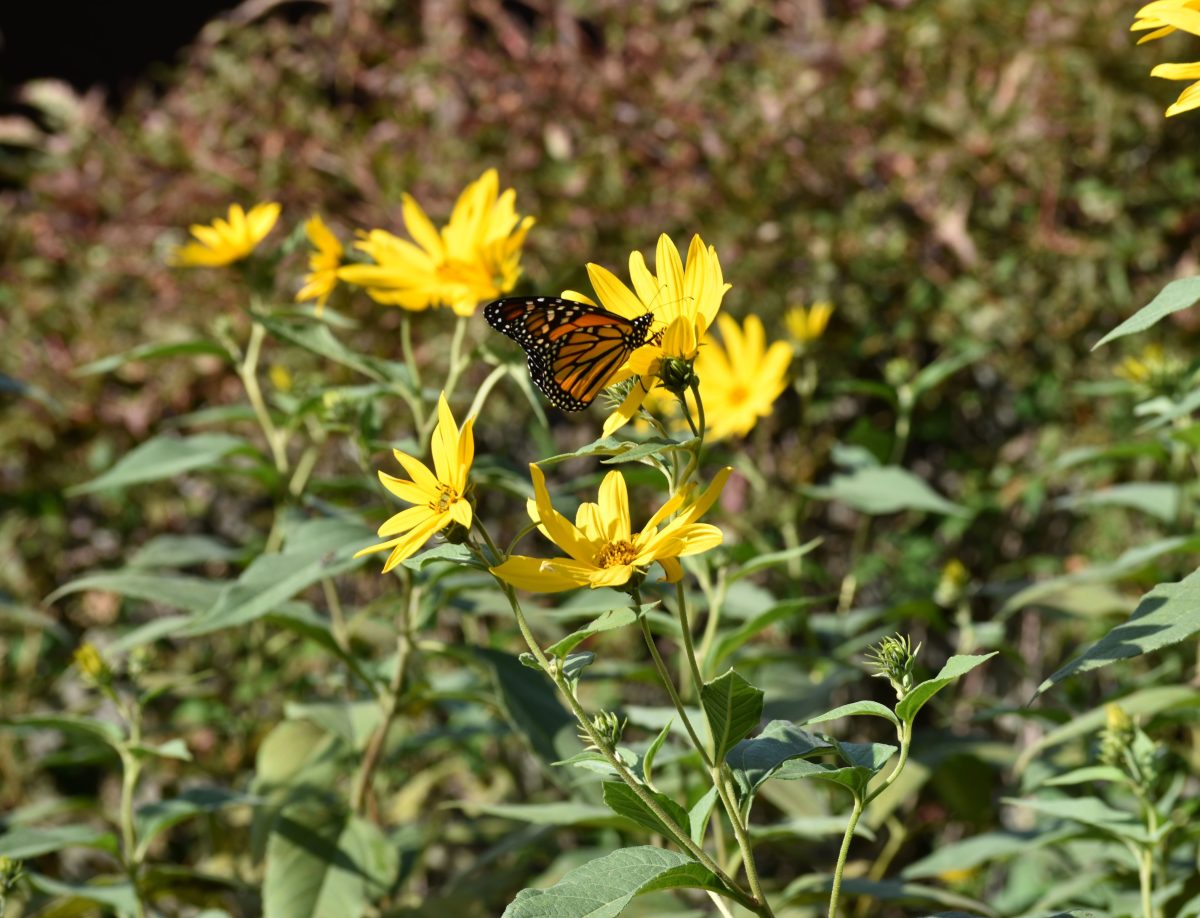
Photo credits: Cover monarch on Maximillian sunflower – Rod Alblas, garden planning – AI25.Studio, monarch on Mexican sage – Alan Villegas, queen on mistflower – Becka H
Leave a Reply