
Category: Butterfly & Pollinator Gardening
-
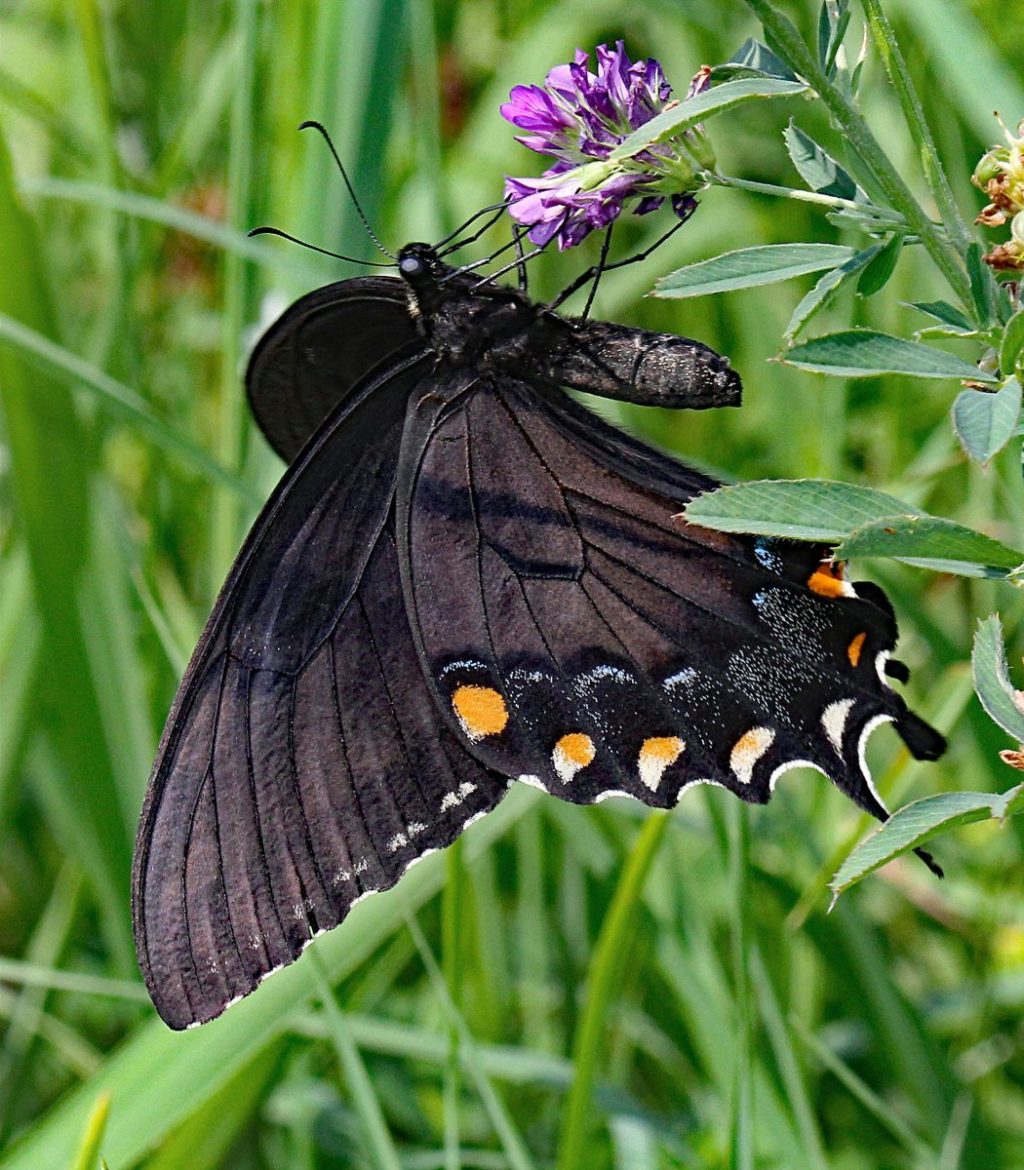
Creating a butterfly garden brings beauty and ecological benefits to your outdoor space. By understanding the needs of butterflies—such as food, shelter, water, and sunlight—you…
-

Shade gardens in hot, dry climates can thrive by using native plants that require less water and support local wildlife. Recognizing different shade types—full, partial,…
-
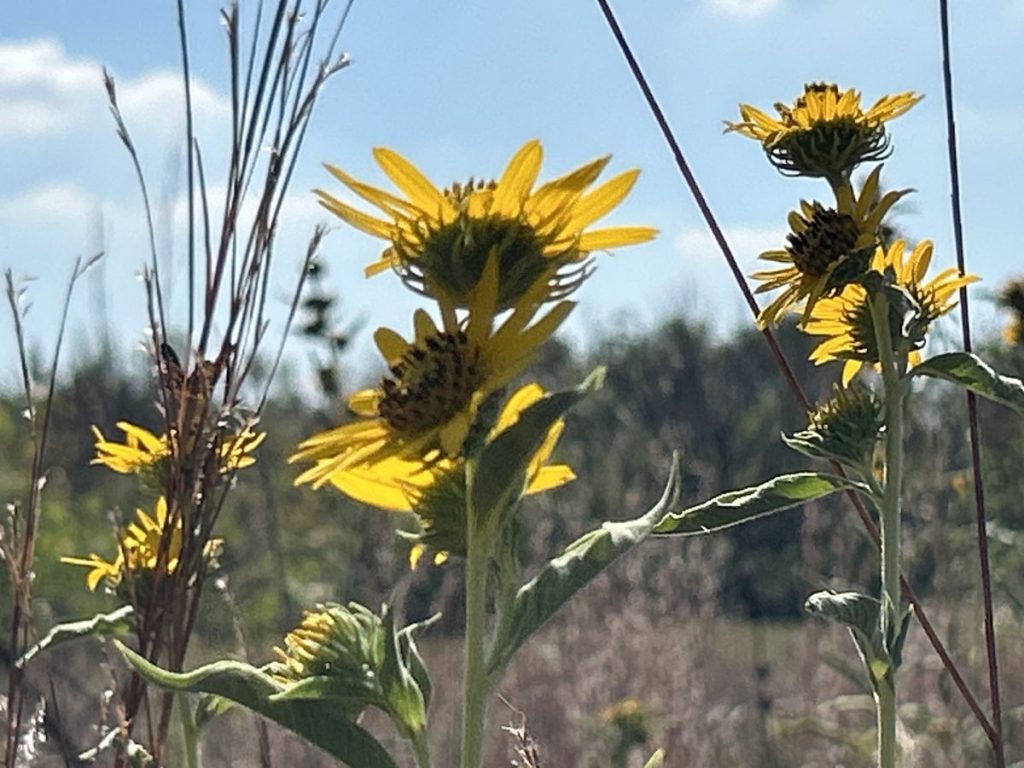
Native plants are vital for ecosystems, particularly through their impressive underground root systems. Unlike ornamental plants, these roots, which can extend deep into the soil,…
-
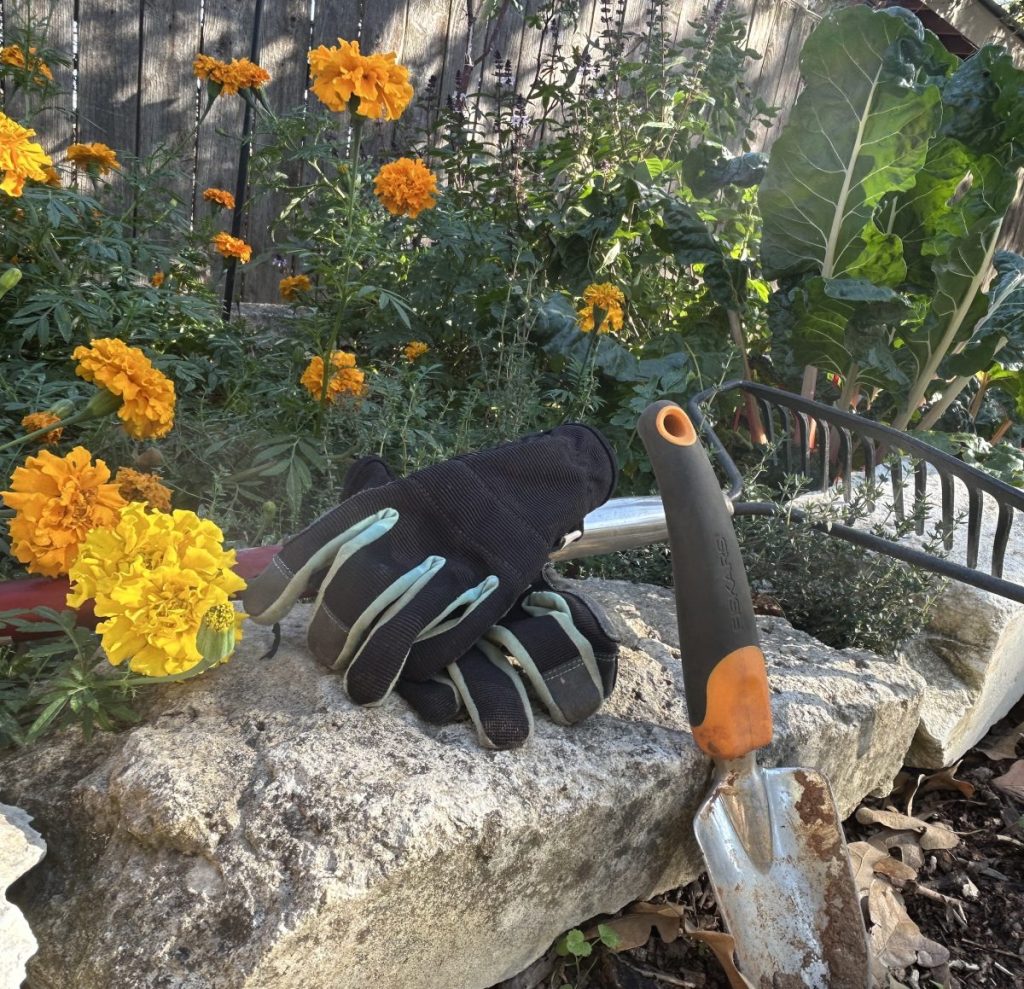
This beginner’s guide aims to simplify the process of establishing and maintaining a pollinator-friendly garden. It covers essential steps, starting with selecting an appropriate location,…
-

Rock gardens offer an aesthetically pleasing and low-maintenance addition to your yard, ideal for dry climates and showcasing succulents or small perennials. To create one,…
-

Monarch butterflies face population declines due to habitat loss and pesticide use. A Monarch Waystation is a specially designed garden providing essential resources for these…
-

The post emphasizes the advantages of incorporating native plants in pollinator gardens over non-native species. Native plants, such as the American beautyberry and Texas bluebonnet,…
-

Autumn’s fallen leaves can be transformed into leaf mold, a nutritious soil amendment that enhances garden health by improving structure and water retention. Made primarily…
-

Milkweed is essential for monarch butterflies, serving as their sole egg-laying and caterpillar food source. Proper care of milkweed in gardens enhances its health and…
-
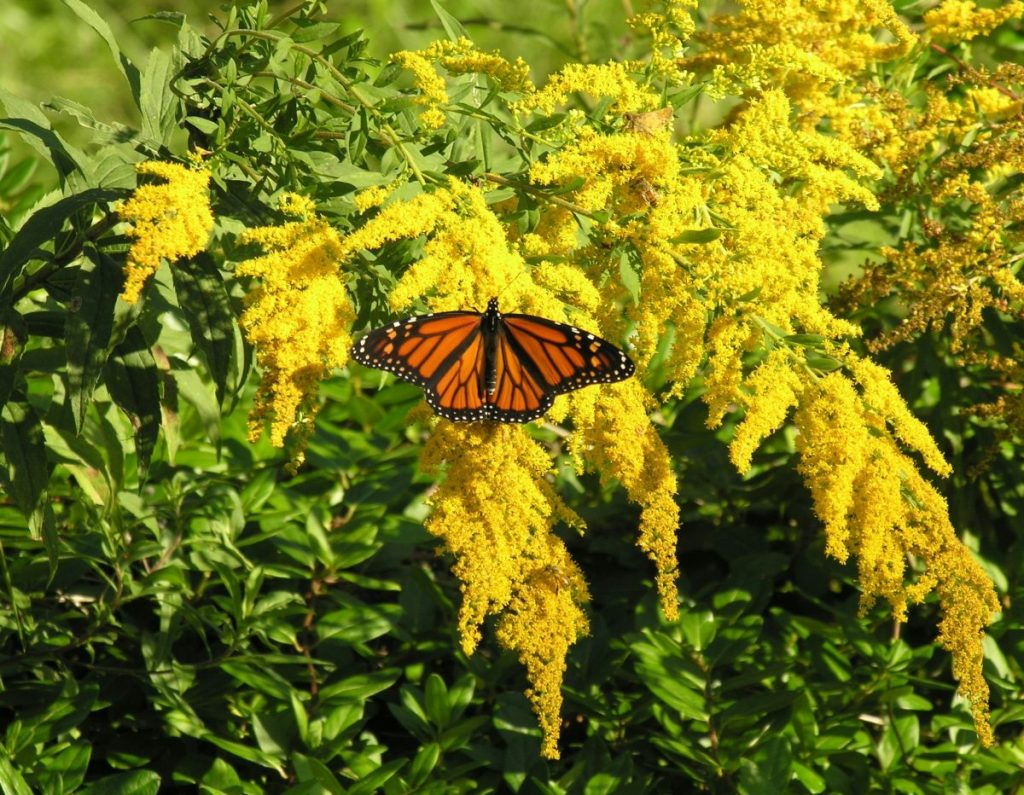
Monarch butterflies undertake a remarkable migration between Canada, the United States, and Mexico, but face significant population declines due to habitat destruction, pesticide use, and…
 Butterfly garden paradise