Summer Dormancy, Heat Stress, and Why Many Texas Butterfly Gardens are Healthier than They Appear
By the time July arrives in Texas, many butterfly gardeners begin asking the same question:
“What happened to my garden?”
Only a few weeks earlier, flowers seemed to be blooming everywhere. Butterflies were easy to spot, fresh growth appeared almost daily, and the garden felt full of life. Now some plants have stopped flowering, leaves curl during the afternoon, and butterfly activity seems quieter than it did in spring. It is easy to look across the garden and conclude that something has gone wrong.
In many cases, however, the opposite is true.
July represents a major seasonal shift, not only for plants but for the entire garden ecosystem. The rapid growth of spring gives way to a period of conservation as prolonged heat, intense sunlight, and occasional drought place increasing demands on both plants and wildlife. Instead of producing constant new foliage and flowers, many perennial species begin directing more of their energy toward maintaining healthy tissues and protecting the root systems that will carry them through the remainder of summer.
Butterflies respond to these same environmental pressures. Many species become less active during the hottest hours of the day, concentrate their feeding during cooler morning and evening periods, or spend more time resting in sheltered areas of the garden. At the same time, much of the next generation is developing quietly as eggs, caterpillars, and chrysalides hidden among host plants. Although the garden may appear less active, many important processes are continuing just out of sight.
Understanding these seasonal rhythms is one of the biggest transitions new butterfly gardeners make. Rather than comparing July to the abundance of April, it helps to recognize that a healthy summer garden has a different purpose. Instead of maximizing growth, it is focused on endurance. Plants are surviving one of the most demanding periods of the year while continuing to provide nectar, shelter, and host plants for the insects that depend on them.
Learning to recognize the difference between normal summer adaptation and genuine signs of decline can prevent unnecessary watering, fertilizing, or replacing plants that are simply doing exactly what they were designed to do.
A Healthy Summer Garden Doesn’t Look Like a Spring Garden
One of the most common mistakes new butterfly gardeners make is expecting their garden to look the same throughout the growing season. Spring creates that expectation because favorable temperatures, longer days, and more consistent rainfall encourage rapid growth. Plants produce lush foliage, many species flower simultaneously, and butterflies become highly visible as they search for nectar and begin laying eggs.
July tells a different story.
As temperatures climb into the upper 90s and beyond, the priorities of many perennial plants begin to change. Producing large amounts of new foliage requires both water and stored carbohydrates, resources that become increasingly limited during prolonged heat. Rather than continuing to grow at the same pace, many species temporarily reduce above-ground growth, slow flowering, or allow older leaves to decline while conserving energy for survival. These changes are not signs of failure but adaptations that have helped native and drought-tolerant plants persist through countless Texas summers.
Even plants that continue blooming often do so differently than they did in spring. Flower production may occur in cycles, with periods of abundant blooms followed by short pauses before another flush begins. Lantana, Gregg’s mistflower, gaillardia, and several native salvias commonly follow this pattern, continuing to support pollinators while adjusting their growth to changing environmental conditions.
For gardeners accustomed to traditional ornamental landscapes, these seasonal changes can be unsettling. We often associate healthy plants with constant growth and perfect foliage. Butterfly gardens, however, are functioning ecosystems rather than decorative displays. Their success is measured less by uninterrupted blooms and more by their ability to continue supporting life through difficult conditions.
That shift in perspective is one of the most valuable lessons July has to offer. A garden that looks quieter than it did in spring is not necessarily declining. More often, it is demonstrating the resilience that allows it to continue functioning long after the excitement of spring has passed.

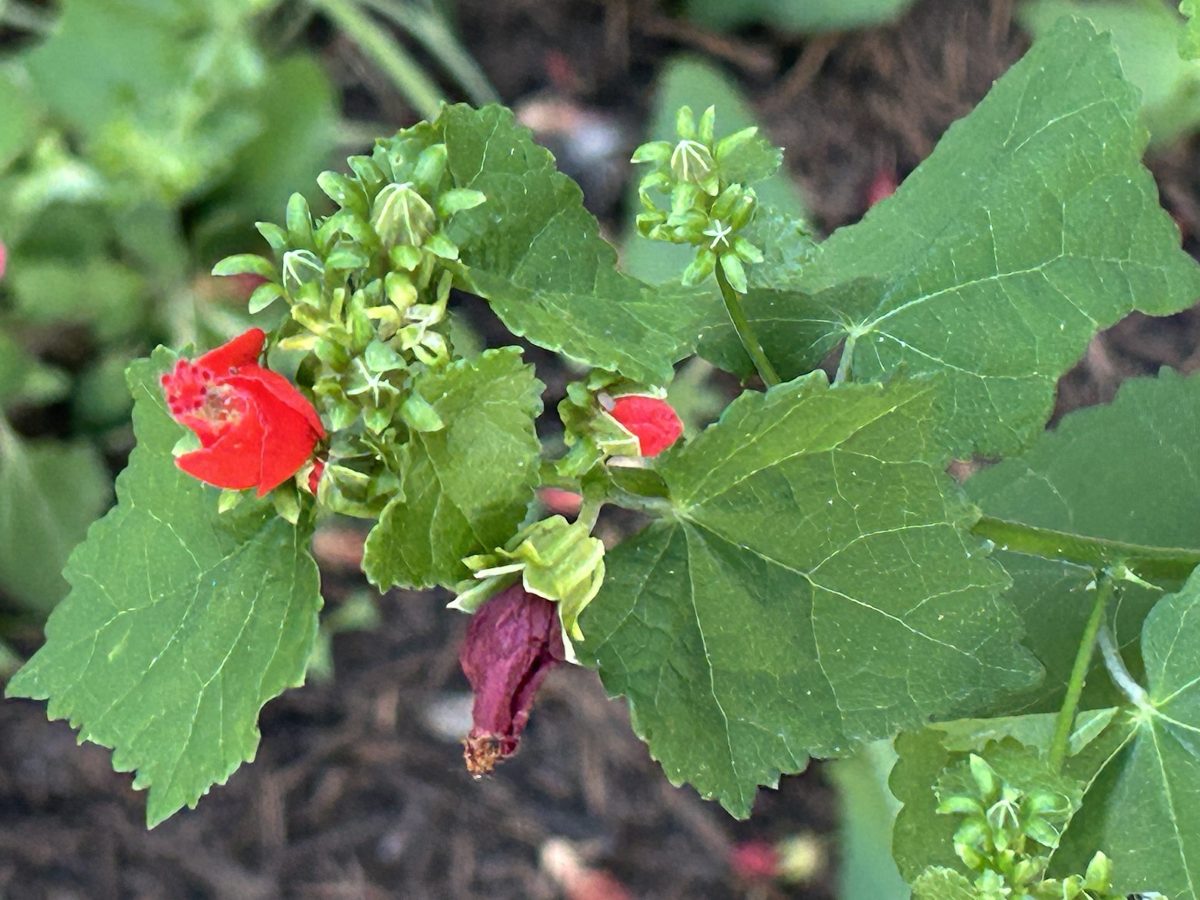
This first-year butterfly weed appeared badly damaged after prolonged heat, but new shoots emerged following rainfall. Many perennial plants continue growing below ground and can recover surprisingly well when conditions improve.
What Your Butterfly Garden Is Really Doing in July
Although a summer butterfly garden may appear quieter above ground, much of its most important work is happening where we cannot easily see it.
For perennial plants, July is often a period of investment rather than expansion. Instead of producing continuous flushes of new leaves and flowers, many species devote more energy to maintaining existing growth while continuing to develop extensive root systems. Those roots allow plants to access moisture deeper in the soil, improve drought tolerance, and store carbohydrates that fuel future growth once temperatures become more favorable.
This is particularly true for young native perennials. During their first growing season, many species seem almost disappointing compared to fast-growing annuals. They may remain small, produce only a few flowers, or appear unchanged for weeks at a time. Yet below the surface, they are laying the foundation for the dramatic increase in growth that often occurs during the second and third years.
Understanding this difference helps explain why first-year butterfly gardens frequently look less impressive than mature ones.
The same pattern can be seen throughout the garden. Some plants temporarily pause flowering before producing another flush of blooms later in the summer. Others allow older leaves to yellow while directing resources toward healthy new growth. Even plants showing mild afternoon wilting may recover completely by the following morning once temperatures cool and water movement through the plant resumes.
Not every sign of stress requires intervention.
In fact, overreacting can sometimes create new problems. Applying fertilizer during extreme heat may encourage tender new growth that is more vulnerable to drought. Watering too frequently with shallow irrigation can discourage plants from developing deeper root systems. Replacing a perennial that appears slow during its first summer may mean removing a plant that was only weeks away from becoming established. (See also How to Keep Butterfly Plants Alive in Extreme Heat.)
Observation is often more valuable than immediate action.
July offers an opportunity to learn how individual plants respond to your specific garden conditions. Which species continue flowering? Which areas remain cooler during the afternoon? Which plants recover quickly after a hot day, and which struggle even after watering? These observations become invaluable when deciding what to plant, divide, or relocate during the much more favorable planting conditions of fall.

A giant swallowtail nectaring on ‘Mystic Spires’ salvia during midsummer. While butterfly activity often shifts toward the cooler parts of the day, dependable summer bloomers continue providing valuable nectar through the heat.
Butterflies Change Their Behavior Too
The butterflies themselves are responding to the same environmental conditions.
Because butterflies rely on external temperatures to regulate their activity, the intense heat of a Texas afternoon presents challenges just as it does for plants. Rather than remaining active throughout the day, many species adjust both when and where they fly.
Morning often becomes the busiest time in a butterfly garden. Nectar feeding, courtship, and egg-laying frequently occur before temperatures become excessive. As the day warms, butterflies may retreat beneath shrubs, rest within dense vegetation, or perch quietly on the undersides of leaves where temperatures are several degrees cooler than in direct sunlight.
(Find more about this subject here: How to create cool refuge zones for butterflies in summer).
This shift in behavior is one reason many gardeners believe butterflies have disappeared.
Often, they are still present—they are simply using the habitat differently.
Meanwhile, another part of the butterfly life cycle continues almost unnoticed. Eggs hatch on host plants. Caterpillars feed quietly among the foliage. Chrysalides remain attached to stems, fences, or nearby vegetation as the next generation develops. Adult butterflies may seem less abundant for a time because much of the population is temporarily hidden within these earlier life stages.
Looking for these quieter signs of activity often changes how July feels.
Instead of seeing an empty garden, you begin noticing feeding damage on passionflower leaves, black swallowtail caterpillars tucked among fennel fronds, or fresh eggs carefully placed beneath milkweed leaves. These small discoveries reveal that the garden is still functioning exactly as intended, even when fewer butterflies are visiting flowers.
What July Can Teach You
One of the greatest benefits of a butterfly garden is that it encourages us to slow down and observe seasonal change rather than expect the landscape to remain constant.
By July, the garden has already revealed many of its strengths and weaknesses. Heat-loving plants begin separating themselves from those that struggle. Areas lacking afternoon shade become obvious. Butterflies show which nectar sources they continue visiting, while host plants quietly support the next generation of caterpillars. Even the places where plants seem to stall or decline provide valuable information about how the garden functions under stress.
These observations become the foundation for future improvements.
Rather than reacting to every curled leaf or temporary pause in flowering, experienced gardeners learn to ask different questions. Is this plant recovering each morning? Does it continue producing new growth after a period of rest? Are butterflies still finding nectar, shelter, and host plants somewhere within the garden? Does this area need more mulch, another shrub for shade, or additional summer-blooming species?
By viewing July as a season of evaluation instead of disappointment, the garden becomes much easier to understand.
That doesn’t mean every struggling plant should be ignored. Persistent wilting that continues overnight, obvious signs of disease, or plants that fail to establish despite appropriate care deserve closer attention. But many of the changes gardeners notice during midsummer are simply normal adaptations that allow both plants and butterflies to endure one of the most challenging parts of the year.
Each summer also makes the next one easier.
The observations you make now help guide fall planting, improve plant selection, and reveal where additional habitat will have the greatest impact. Over time, the garden becomes more resilient as perennial root systems mature, plant communities become denser, and nectar and host plants begin supporting butterflies across more of the growing season.

Ironweed preparing a flush of blooms. Even during the hottest part of summer, many perennial plants continue developing new growth and flower buds that become more apparent as conditions improve.
Looking Ahead
If your butterfly garden looks quieter than it did in spring, don’t assume it has failed.
A healthy Texas butterfly garden is not designed to look the same in every season. Spring emphasizes rapid growth and abundant blooms, while July is a season of endurance. Plants conserve water, roots continue developing, butterflies adjust their behavior to the heat, and much of the next generation remains hidden among the leaves.
Once you begin recognizing these seasonal rhythms, the garden no longer appears to be declining. Instead, it becomes a living system that is adapting exactly as it was designed to do.
Some of the most successful butterfly gardens in Texas are not the ones that look perfect in July—they are the ones that continue providing nectar, shelter, and host plants despite the heat. Learning to recognize that quiet resilience is one of the most rewarding parts of butterfly gardening.
If you want a simple reference for understanding how nectar plants, host plants, shelter, and seasonal support work together in a butterfly garden, the Butterfly Garden Cheat Sheet brings the essentials together in one place.
Want To Go Deeper?
Butterfly Gardens That Work in Texas Heat expands on many of the ideas discussed here, including plant communities, seasonal adaptation, habitat function, and long-term garden stability.
Related Guides:
The Ultimate Texas Zone 8 Garden Guide: What to Plant and When
Summer Survival vs Summer Growth: What Texas Gardeners Confuse
Leave a Reply