How to Grow This Tough Texas Native That Blooms All Summer
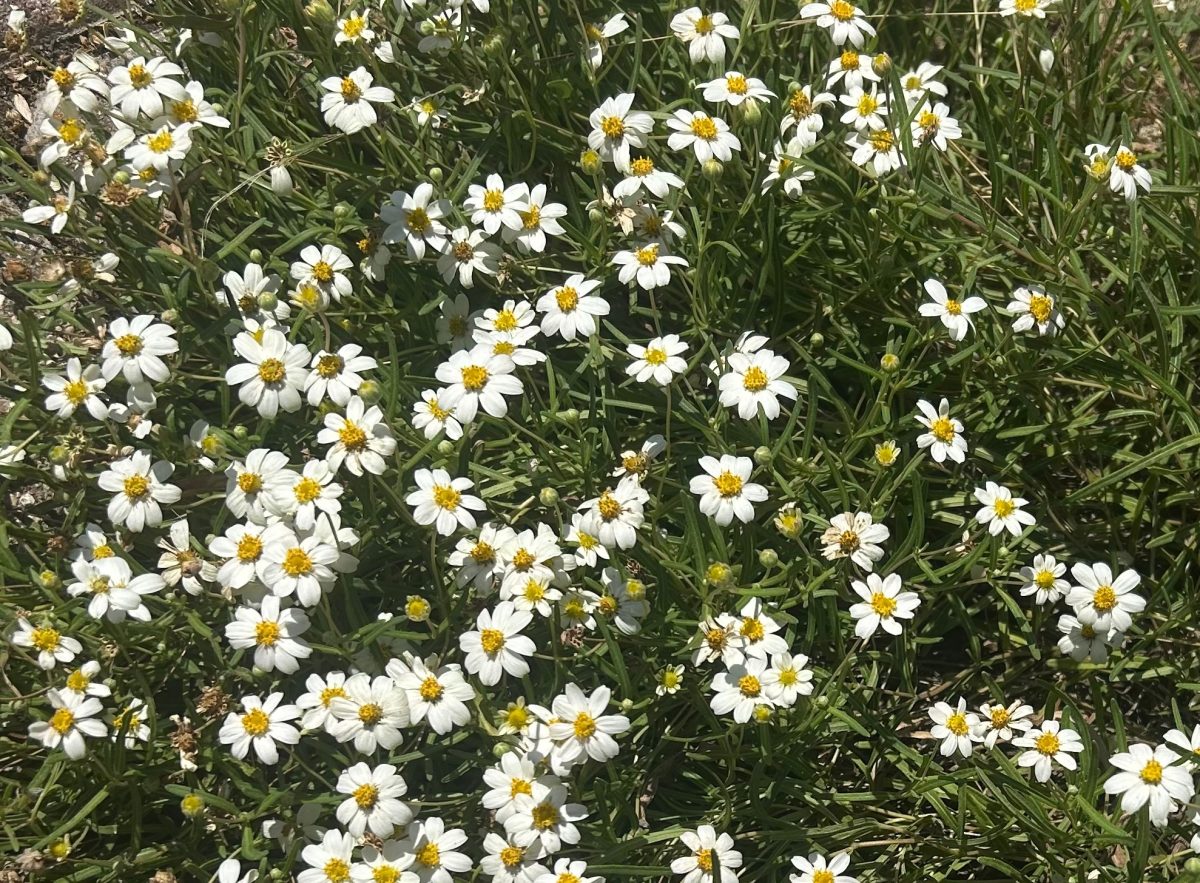
If you’re looking for a native perennial that thrives in heat, laughs at drought, and flowers for months with almost no attention, Blackfoot daisy should be high on your list. This cheerful Texas native forms tidy mounds of gray-green foliage covered in crisp white daisies with sunny yellow centers from spring well into fall. Despite its delicate appearance, it’s one of the toughest plants you’ll find for hot, dry landscapes.
Blackfoot daisy is especially valuable in butterfly gardens because it provides a long-lasting source of nectar while fitting neatly into smaller spaces. Whether planted along pathways, spilling over rock walls, or tucked among taller prairie flowers, it adds brightness without becoming overwhelming. For gardeners in North Texas, it’s one of the most dependable native perennials for sunny locations with well-drained soil.
Plant Profile:
| Blackfoot Daisy | Attributes |
|---|---|
| Botanical name | Melampodium leucanthum |
| Plant family | Asteraceae (Aster Family) |
| Common names | Blackfoot daisy, plains blackfoot |
| Plant type | Herbaceous perennial |
| Native to Texas? | Yes |
| Texas ecoregions | Edwards Plateau, Cross Timbers, Rolling Plains, High Plains, Trans-Pecos, and parts of the Blackland Prairie |
| Native range | Texas, Oklahoma, New Mexico, Arizona, Kansas, Colorado, and northern Mexico |
| USDA Zones | 5–10 |
| Height | 12–18 inches |
| Spread | 18–24 inches |
| Bloom color | White petals with yellow centers |
| Bloom season | Spring through frost |
| Sun requirements | Full sun |
| Water needs | Very low once established |
🦋 Butterfly Garden Snapshot
| Feature | Rating |
|---|---|
| 🦋 Butterfly Nectar | ⭐⭐⭐⭐☆ |
| 🐛 Host Plant | ⭐☆☆☆☆ |
| 🐝 Native Bees | ⭐⭐⭐⭐⭐ |
| 🐦 Hummingbirds | ⭐☆☆☆☆ |
| 🌺 Bloom Length | ⭐⭐⭐⭐⭐ |
| ☀️ Heat Tolerance | ⭐⭐⭐⭐⭐ |
| 💧 Drought Tolerance | ⭐⭐⭐⭐⭐ |
| 🌱 Beginner Friendly | ⭐⭐⭐⭐⭐ |
Why You’ll Love It
Blackfoot daisy is proof that some of the hardest-working garden plants are also the simplest.
Instead of producing one spectacular flush of blooms, it flowers steadily for months, creating the appearance of a plant that’s almost always in bloom. The bright white flowers stand out beautifully against the gray-green foliage and complement nearly every color in the garden.
Its naturally rounded growth habit means it rarely needs staking or shaping, making it an excellent edging plant or foreground perennial. It also works beautifully in rock gardens, xeriscapes, pollinator borders, and native prairie plantings. It can even be used as a spiller in containers.
Perhaps best of all, Blackfoot daisy thrives where many ornamental plants struggle. Poor soil, reflected heat, drought, and rocky conditions rarely slow it down.

Butterfly & Pollinator Value
Although Blackfoot daisy is often planted for its beauty, pollinators quickly discover it as well.
The open, daisy-like flowers provide easy access to nectar and pollen, making them especially attractive to native bees, small butterflies, hoverflies, and other beneficial insects. Because the plant flowers continuously over such a long season, it provides a dependable food source from late spring until frost.
Who Visits Blackfoot Daisy?
| Pollinator | What You’ll Typically See |
|---|---|
| 🦋 Skippers | Frequent nectar visitors throughout summer. |
| 🦋 Sulphurs | Common visitors on warm sunny afternoons. |
| 🦋 Painted Ladies | Often stop to nectar while moving through the garden. |
| 🐝 Native Bees | Bumble bees and many solitary bee species visit daily. |
| 🐞 Beneficial Insects | Hoverflies, tiny native wasps, and other beneficial insects regularly use the flowers. |
| 🕷️ Garden Predators | Flowering plants help support the insects that keep garden pests in balance. |
While Blackfoot daisy isn’t considered a butterfly host plant, it contributes to a healthy pollinator garden by supplying nectar over an exceptionally long bloom period and supporting a wide diversity of beneficial insects.
Growing Conditions
Blackfoot daisy performs best in full sun. Six to eight hours of direct sunlight each day encourages compact growth and nearly continuous flowering.
Excellent drainage is the key to success. This plant naturally grows in rocky limestone soils, gravelly hillsides, and dry prairies where water drains quickly. In North Texas clay, planting on a slight mound, raised bed, or slope can greatly improve long-term survival.
Once established, Blackfoot daisy needs remarkably little supplemental water. In fact, consistently wet soil is far more likely to cause problems than drought. Because it has long adapted under challenging conditions, Blackfoot daisy often performs better in lean soil than heavily amended garden beds.
Planting Tips
- Plant Blackfoot daisy in spring or fall when temperatures are moderate.
- Space plants about 18 to 24 inches apart to allow room for their naturally rounded shape while maintaining good air circulation.
- Water regularly during the first several weeks after planting, then gradually reduce irrigation as roots become established.
- Use a light layer of mulch if desired, but avoid piling mulch directly against the crown or using thick organic mulch that traps moisture. Gravel mulch often works especially well around Blackfoot daisy because it improves drainage while reflecting heat.
Care & Maintenance
One of Blackfoot daisy’s greatest strengths is how little maintenance it requires.
- Once established, occasional deep watering during prolonged drought is usually all that’s needed.
- Lightly shearing the plant after its heaviest flush of flowers can encourage fresh growth and another wave of blooms, although many gardeners simply allow it to flower continuously with minimal pruning.
- Avoid heavy fertilization. Rich soil often leads to excessive leafy growth and fewer flowers.
- In colder winters, some foliage may die back, but healthy plants typically rebound with fresh growth in spring.
Common Problems
Most problems with Blackfoot daisy are related to excess moisture rather than insects or disease.
Poor drainage can lead to crown or root rot, especially during wet winters.
Plants growing in partial shade may become loose or floppy and flower less heavily.
Occasionally, older plants become woody in the center after several years. Replacing them with divisions or new plants helps maintain a fresh appearance.
Overall, Blackfoot daisy is one of the easiest native perennials you’ll grow.
Companion Plants
Because of its compact size and neutral white flowers, Blackfoot daisy pairs beautifully with almost every Texas native.
Mealy blue sage creates one of the classic blue-and-white combinations while attracting butterflies and native bees throughout summer.
Flame acanthus adds brilliant orange-red flowers that contrast beautifully against the white blooms.
Gregg’s mistflower extends the nectar season into fall with soft lavender-blue flowers.
Black-eyed Susan provides cheerful yellow blooms for a bright summer display.
Little bluestem adds graceful texture and warm autumn color behind the compact mounds.
Frogfruit can weave around the base of Blackfoot daisy, creating living mulch while supporting butterfly caterpillars.
Together, these plants create a colorful, drought-tolerant butterfly garden with blooms from spring until frost.

Blackfoot daisy still blooming in August next to rattlesnake master and orange milkweed.
In the Garden
Blackfoot daisy is one of those plants that quietly earns your respect over time. It rarely demands attention, yet every time you walk through the garden, it’s blooming.
Even during stretches of intense Texas heat, when other perennials begin looking tired, Blackfoot daisy often continues producing fresh flowers. The bright white blooms seem to glow in the evening light, softening pathways and brightening the edges of planting beds.
It’s also one of the easiest plants to design with. Its compact size means it rarely overwhelms neighboring plants, making it an excellent “filler” that ties larger shrubs and perennials together into a cohesive planting.
Frequently Asked Questions
Is Blackfoot daisy native to Texas?
Yes. Blackfoot daisy is native to much of Texas and is especially well adapted to dry, sunny landscapes.
Does Blackfoot daisy attract butterflies?
Yes. Although it isn’t a host plant, its flowers provide nectar for skippers, sulphurs, painted ladies, and many other pollinators throughout the growing season.
Does Blackfoot daisy need full sun?
Yes. Full sun produces the healthiest plants and the heaviest flowering.
Is Blackfoot daisy drought tolerant?
Very much so. Once established, it’s one of the most drought-tolerant native perennials available for Texas gardens.
Should I deadhead Blackfoot daisy?
Deadheading isn’t necessary, but lightly trimming plants after heavy blooming can encourage fresh growth and help maintain a tidy appearance.
Final Thoughts
If you want a native perennial that combines exceptional drought tolerance with months of cheerful blooms, Blackfoot daisy is difficult to surpass. Its bright white flowers, compact growth, and outstanding resilience make it one of the most useful plants for Texas butterfly gardens.
Whether you’re filling the front of a sunny border, creating a rock garden, or adding nectar plants to a larger pollinator landscape, Blackfoot daisy provides beauty with very little effort. Pair it with mealy blue sage, flame acanthus, Gregg’s mistflower, and frogfruit, and you’ll have a resilient planting that supports butterflies and pollinators from spring until frost.
Continue Exploring the Plant Library:
Leave a Reply