A Heat-Loving Native That Brings Butterflies to the Garden
If you want a native Texas plant that can take intense summer heat, thrive with very little water, and produce colorful flowers for months, Texas lantana is hard to beat. Lantana urticoides is a tough, woody perennial native to much of Texas, where it naturally grows in sunny, dry habitats and handles conditions that can be challenging for many garden plants.
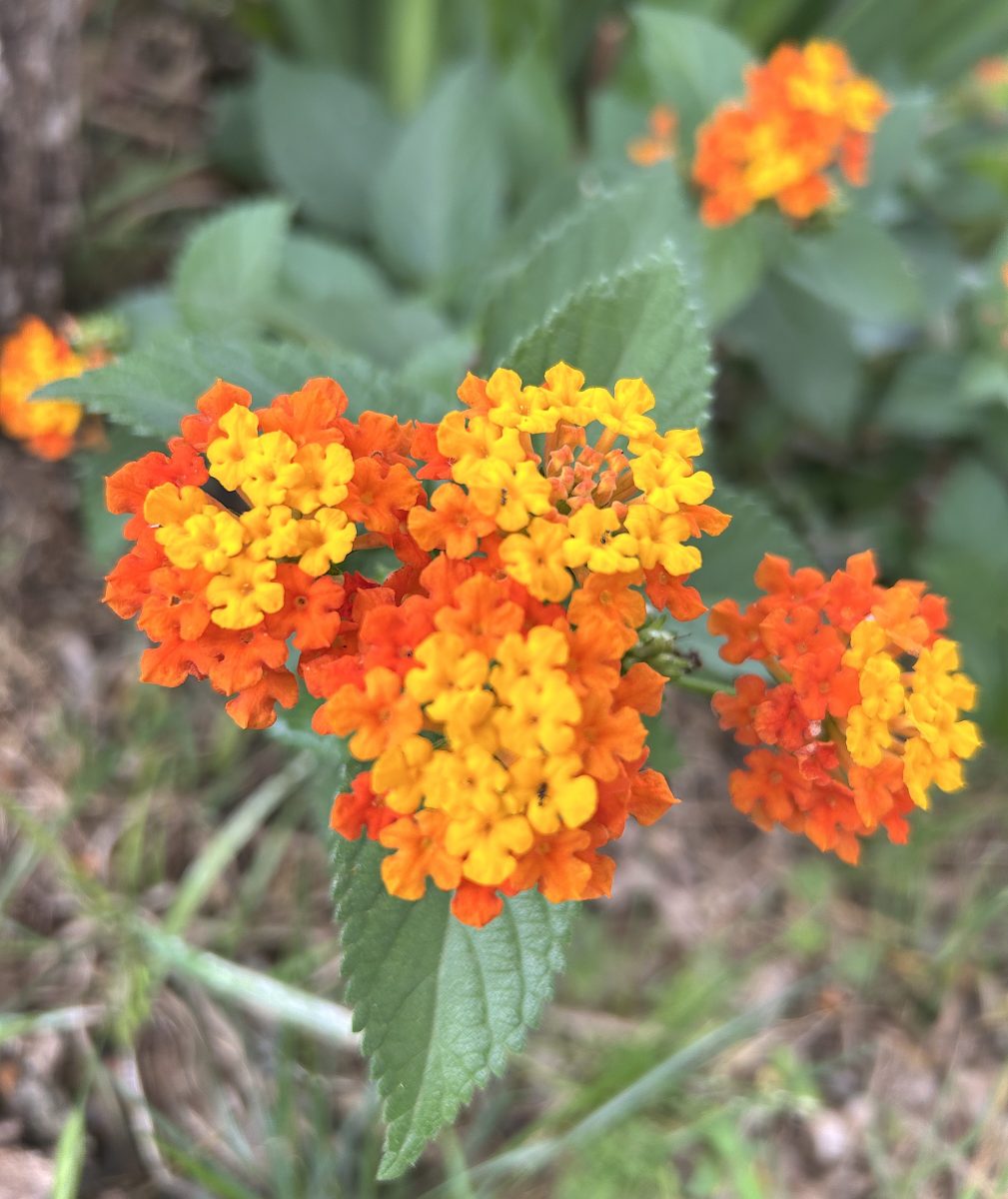
Its clusters of yellow, orange, and reddish flowers bring plenty of color to the landscape from spring through fall, while butterflies, bees, and hummingbirds visit the blooms for nectar. Later in the season, the plant develops dark berries that provide food for birds.
Texas lantana is particularly useful in a wildlife garden because it combines several qualities gardeners often struggle to find in one plant: long-lasting flowers, excellent heat and drought tolerance, wildlife value, and very little maintenance once established.
Plant Profile:
| Texas Lantana | Attributes |
|---|---|
| Botanical name | Lantana urticoides |
| Plant family | Verbenaceae |
| Common names | Texas lantana, West Indian lantana, calico bush |
| Plant type | Woody perennial shrub |
| Native to Texas? | Yes |
| Texas ecoregions | South Texas Plains, Edwards Plateau, Rolling Plains, Trans-Pecos, Cross Timbers, and parts of the Blackland Prairie |
| Native range | Texas, New Mexico, Arizona, and northern Mexico |
| USDA Zones | 8–11 |
| Height | 2–4 feet |
| Spread | 3–6 feet |
| Bloom color | Yellow, orange, and red |
| Bloom season | Spring through fall |
| Sun requirements | Full sun |
| Water needs | Very low once established |
🦋 Butterfly Garden Snapshot
| Feature | Rating |
|---|---|
| 🦋 Butterfly Nectar | ⭐⭐⭐⭐⭐ |
| 🐛 Host Plant | ⭐☆☆☆☆ |
| 🐝 Native Bees | ⭐⭐⭐⭐⭐ |
| 🐦 Hummingbirds | ⭐⭐⭐⭐☆ |
| 🌺 Bloom Length | ⭐⭐⭐⭐⭐ |
| ☀️ Heat Tolerance | ⭐⭐⭐⭐⭐ |
| 💧 Drought Tolerance | ⭐⭐⭐⭐⭐ |
| 🌱 Beginner Friendly | ⭐⭐⭐⭐⭐ |
Why You’ll Love It
Texas lantana is one of those plants that seems almost determined to survive a Texas summer. When temperatures climb and rainfall disappears, established plants can continue flowering while more delicate garden plants begin to struggle. Its woody stems and small, rough-textured leaves help it tolerate the heat and dryness of its native environment.
The flowers are another reason to grow it. Individual blooms are small, but they occur in rounded clusters that can cover the plant with color. Flowers often begin yellow and gradually develop orange or reddish tones, giving a mature plant a multicolored appearance.
That makes Texas lantana particularly useful when you want a native plant that provides both ecological value and a strong visual impact. Rather than looking like a sprawling wildflower, established plants can develop into full, bushy shrubs with a rounded form, especially when lightly pruned.
The foliage is aromatic when crushed, adding another sensory quality to a plant that’s already colorful and wildlife-friendly.

Horace’s duskywing enjoying lantana blooms.
Butterfly & Pollinator Value
Texas lantana is an outstanding nectar plant.
Its clustered flowers provide easily accessible nectar for a wide variety of butterflies and other pollinators, and the long flowering season makes it particularly valuable during the hottest part of the year.
Who Visits Texas Lantana?
| Visitor | What You’ll Typically See |
|---|---|
| 🦋 Swallowtails | Giant and other swallowtails regularly stop for nectar. |
| 🦋 Monarchs | Can visit during migration and throughout the growing season. |
| 🦋 Queens | Frequent nectar visitors in warm weather. |
| 🦋 Sulphurs | Often attracted to the bright flower clusters. |
| 🦋 Skippers | Common visitors that spend considerable time feeding on the blooms. |
| 🐝 Native Bees | Many bees visit for nectar, particularly during peak flowering. |
| 🐦 Hummingbirds | May visit the flowers, especially where other nectar sources are nearby. |
Texas lantana is primarily a nectar plant, not a major butterfly host plant. That makes it especially useful when paired with native host plants such as frogfruit and milkweeds.
A diverse butterfly garden needs both. Lantana helps feed the adults, while host plants provide the foliage caterpillars need.
After flowering, Texas lantana produces dark berries that are eaten by birds and other wildlife. This means the plant continues contributing to the garden even after individual flowers have faded.
Growing Conditions
Texas lantana is at its best in full sun. Give it at least six hours of direct sunlight, with more being even better in most Texas gardens.
Excellent drainage is important. In nature, Lantana urticoides is commonly found in dry, sunny habitats, so it doesn’t appreciate sitting in saturated soil.
This can be particularly important in North Texas clay. If your soil drains poorly, consider planting lantana on a slight mound or slope rather than in a low spot.
Once established, its drought tolerance is exceptional. Supplemental irrigation during extreme drought can keep plants looking fuller and flowering more heavily, but established plants can survive surprisingly long periods without rainfall.
Texas lantana also tolerates reflected heat, making it useful near driveways, sidewalks, rock gardens, and other hot locations.
Planting Tips
Spring is generally the easiest time to establish Texas lantana because warm soil encourages rapid root development. Fall planting can also work in Texas when plants have enough time to establish before hard freezes.
- Give individual plants approximately 3–4 feet of space, or more if you want them to develop into broad, informal shrubs.
- Water deeply after planting and continue providing regular moisture during the establishment period. Once the plant is rooted well, gradually reduce irrigation.
- Avoid planting lantana in an area that stays consistently wet. Good drainage is far more important than rich soil.
- A light layer of mulch can help conserve moisture while the plant establishes, but don’t pile mulch around the woody base.
Care & Maintenance
Established Texas lantana is remarkably easy to maintain.
- During prolonged drought, occasional deep watering will help maintain flowering, but avoid frequent shallow irrigation.
- Pruning is usually best done in late winter or early spring before new growth begins. Remove dead or damaged branches and cut the plant back as needed to maintain its size and shape.
- Don’t be alarmed if the plant looks rough after a hard freeze. In North Texas, lantana may die back significantly during winter before producing vigorous new growth in spring.
- Fertilizer is generally unnecessary. Like many Texas natives adapted to lean soils, lantana usually performs perfectly well without routine feeding.
- Deadheading isn’t required either. Allowing flowers to mature naturally provides an opportunity for the plant to produce its dark berries for wildlife.
Common Problems
Texas lantana is generally resistant to most serious pest problems, but a few issues can occur.
Poor drainage is probably the biggest threat. Constantly wet roots can lead to decline or root problems.
Spider mites may occasionally appear during extremely hot and dry weather, although established plants generally tolerate them well.
Leggy growth can occur if plants don’t receive enough sunlight. Moving them into a sunnier location or pruning them back can encourage a fuller shape.
Another potential issue is simply size. Texas lantana can spread several feet and may become larger than expected in a fertile, irrigated garden. Give it room to develop naturally, or prune it periodically if you need to keep it contained.
Companion Plants
Texas lantana looks particularly good when combined with other drought-tolerant Texas natives that share its preference for sun and good drainage.
Blackfoot daisy provides a beautiful white contrast beneath the lantana’s warm yellow and orange flowers.
Mealy blue sage adds tall blue flower spikes and creates a striking complementary color combination.
Flame acanthus continues the hot-color theme while providing another excellent nectar source for hummingbirds.
Autumn sage adds red, pink, or coral tubular flowers and brings additional hummingbird activity to the planting.
Frogfruit can spread beneath lantana and provide both groundcover and butterfly host-plant value.
Little bluestem adds upright texture and beautiful coppery fall color, helping anchor the somewhat loose form of lantana.
Together, these plants create a highly resilient Texas planting that can continue providing flowers and wildlife habitat through the hottest months of the year.

Native Texas lantana blooming with tall verbena in the summer heat in full sun.
In the Garden
Texas lantana can develop into a surprisingly handsome shrub in the landscape. Left to grow naturally, it has a broad, somewhat informal shape, but regular light pruning can encourage a fuller, bushier form.
The flower clusters also change character as they age. New flowers can begin yellow before developing orange and reddish tones, so a mature plant may have several colors visible at once.
On a warm afternoon, the flowers can be covered with butterflies and bees, particularly when lantana is planted in a sunny location with other nectar-rich natives nearby.
After flowering, Texas lantana develops small bluish-black berries that provide food for birds. If plants begin appearing naturally elsewhere in the garden, birds may be helping distribute the seeds.
And when winter finally arrives, you can cut the plant back and wait for spring. The roots are much tougher than the winter appearance of the plant might suggest.
Frequently Asked Questions
Is Texas lantana native to Texas?
Yes. Lantana urticoides is a Texas native and naturally occurs across much of the state, particularly in central, western, and southern regions.
Is Texas lantana the same as the lantana sold at garden centers?
Not necessarily. Garden centers sell many ornamental lantanas, including hybrids and species that aren’t native to Texas. If you’re specifically looking for the Texas native, check the botanical name and look for Lantana urticoides (formerly called horrida).
Does Texas lantana attract butterflies?
Yes. Texas lantana is an excellent nectar plant and attracts many butterflies, including swallowtails, monarchs, queens, sulphurs, and skippers.
Is Texas lantana drought tolerant?
Extremely. Once established in well-drained soil, Texas lantana is one of the more drought-tolerant flowering shrubs available for Texas gardens.
Does Texas lantana come back after winter?
Yes. In much of Texas, the top growth may be damaged or killed by freezing temperatures, but established plants generally resprout from their roots in spring.
Final Thoughts
Texas lantana is almost a perfect example of what makes native plants so useful in a Texas butterfly garden. It combines months of colorful blooms with exceptional heat and drought tolerance, attracts a wide range of pollinators, and requires very little care once established.
If you’re trying to build a garden that can withstand the realities of a Texas summer rather than simply survive one in theory, Lantana urticoides deserves serious consideration.
Just remember that “lantana” doesn’t automatically mean Texas native. When shopping for a wildlife garden, look for the botanical name Lantana urticoides so you know you’re getting the native species you intended to plant.
Pair it with native host plants such as frogfruit and milkweeds and nectar plants like mealy blue sage, autumn sage, and flame acanthus, and you’ll have a garden that provides food and habitat for wildlife throughout the growing season.
Continue Exploring the Plant Library:
Texas Native Plants for Beginners
12 Drought-Tolerant Pollinator Plants That Thrive in Texas Heat
Leave a Reply