How to Grow This Texas Native Salvia for Butterflies and Hummingbirds
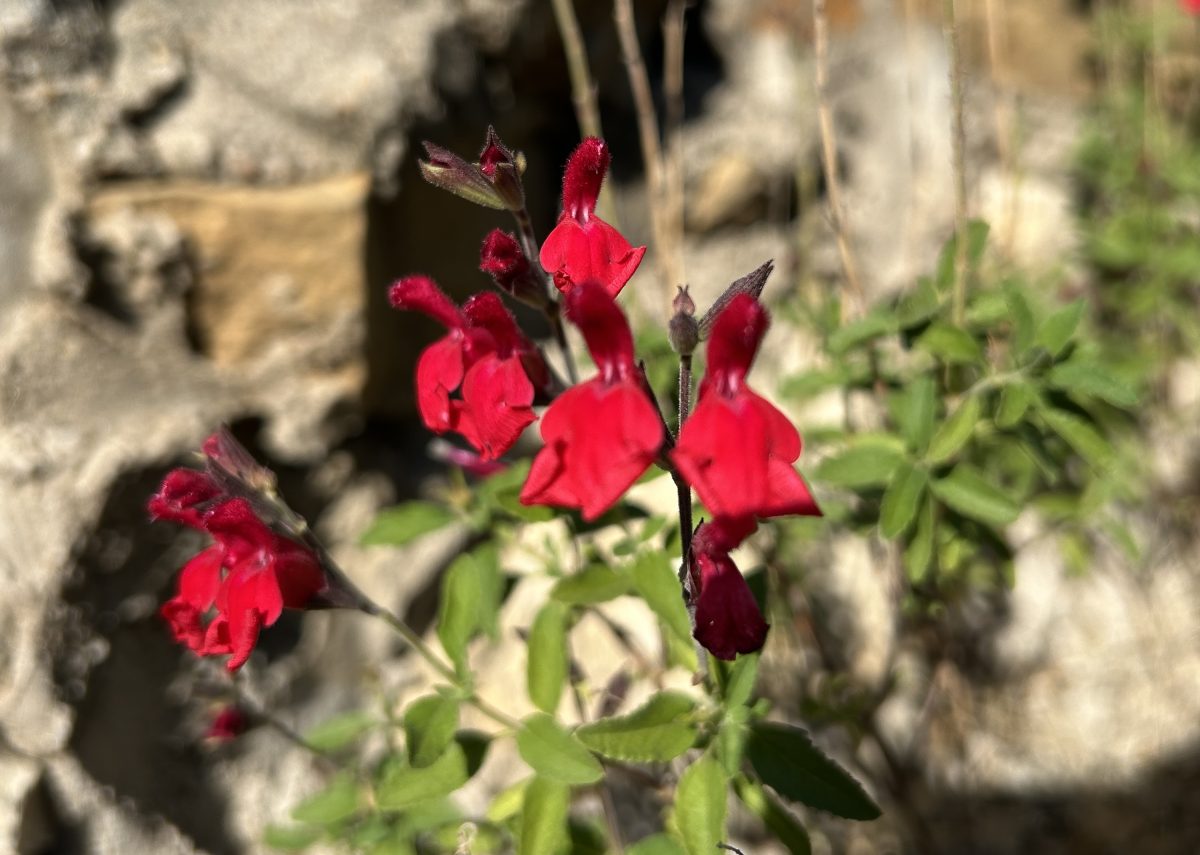
If you’re looking for a native plant that can handle Texas heat while producing flowers for months on end, autumn sage is one of the best choices you can make. Salvia greggii is a small, woody perennial native to Texas and the Southwest, valued for its colorful tubular flowers, exceptional heat tolerance, and ability to attract both butterflies and hummingbirds.
Despite its common name, autumn sage isn’t limited to fall. In the right conditions, it can begin flowering in spring and continue blooming through summer and into fall. Its compact size also makes it useful in smaller gardens where larger native shrubs would be overwhelming.
For Texas gardeners, there’s another reason to know the botanical name: garden centers sell many cultivars and hybrids using “autumn sage” or “salvia” in their names. If you’re specifically looking for the Texas native, look for Salvia greggii on the plant label.
Plant Profile:
| Autumn Sage | Attributes |
|---|---|
| Botanical name | Salvia greggii |
| Plant family | Lamiaceae (Mint Family) |
| Common names | Autumn sage, Gregg’s sage |
| Plant type | Woody perennial/subshrub |
| Native to Texas? | Yes |
| Texas ecoregions | Edwards Plateau, Trans-Pecos, South Texas Plains, and parts of the Rolling Plains and western Cross Timbers |
| Native range | Texas, New Mexico, and northern Mexico |
| USDA Zones | 7–10 |
| Height | 2–4 feet, sometimes larger |
| Spread | 2–4 feet, sometimes larger |
| Bloom color | Usually red, pink, or coral; wild plants can vary |
| Bloom season | Spring through fall, often with multiple flushes |
| Sun requirements | Full sun to light part shade |
| Water needs | Low once established |
🦋 Butterfly Garden Snapshot
| Feature | Rating |
|---|---|
| 🦋 Butterfly Nectar | ⭐⭐⭐⭐⭐ |
| 🐛 Host Plant | ⭐☆☆☆☆ |
| 🐝 Native Bees | ⭐⭐⭐⭐⭐ |
| 🐦 Hummingbirds | ⭐⭐⭐⭐⭐ |
| 🌺 Bloom Length | ⭐⭐⭐⭐⭐ |
| ☀️ Heat Tolerance | ⭐⭐⭐⭐⭐ |
| 💧 Drought Tolerance | ⭐⭐⭐⭐⭐ |
| 🌱 Beginner Friendly | ⭐⭐⭐⭐⭐ |
Why You’ll Love It
Autumn sage is one of those plants that seems almost tailor-made for Texas gardens. It’s compact enough for a residential landscape, colorful enough to make an impact, and tough enough to tolerate conditions that can quickly wear out less-adapted plants.
The tubular flowers are particularly attractive to hummingbirds, while butterflies and bees also make frequent use of the blooms. Because plants can flower in repeated flushes, autumn sage provides nectar over a much longer period than many spring-only wildflowers.
Its naturally rounded, somewhat shrubby form makes autumn sage better suited to the middle or back of a perennial bed than many of the smaller salvias. Give established plants room to develop rather than treating them like a compact border perennial. Plant several together for a larger display, or combine it with other Texas natives for a succession of blooms.
And unlike some of the huge native shrubs that can eventually take over a garden bed, Salvia greggii remains relatively manageable.

Butterfly & Pollinator Value
The tubular flowers of autumn sage are packed with nectar and particularly well suited to long-tongued pollinators.
Hummingbirds are among its most conspicuous visitors. They may return repeatedly to the same plants throughout the day, especially when several plants are blooming together.
Butterflies and bees also visit the flowers, making autumn sage a useful addition to a mixed pollinator garden rather than a plant that caters to just one type of visitor.
Who Visits Autumn Sage?
| Visitor | What You’ll Typically See |
|---|---|
| 🐦 Hummingbirds | Frequent visitors to the tubular flowers, especially red-flowered forms. |
| 🦋 Skippers | Commonly nectar on the flowers during warm weather. |
| 🦋 Swallowtails | May visit when plants are in heavy bloom. |
| 🦋 Hairstreaks | Small butterflies can be attracted to the abundant nectar. |
| 🐝 Bumble Bees | Often work the flowers, particularly during heavy blooming. |
| 🐝 Native Bees | Various long-tongued bees use the flowers for nectar. |
Autumn sage is primarily a nectar plant, rather than a significant butterfly host plant. That’s not a drawback—it simply means it fills a different role in the garden. Pairing it with host plants such as frogfruit or milkweeds creates a more complete habitat that supports both adult butterflies and caterpillars.
Growing Conditions
Full sun is ideal for autumn sage. Aim for at least six hours of direct sunlight, particularly if you want compact growth and abundant flowering.
The plant naturally occurs in rocky, well-drained habitats, so drainage is one of the most important factors in keeping it healthy. This is particularly important in North Texas, where heavy clay can remain saturated after periods of rain. If your soil drains slowly, plant autumn sage on a slight mound or raised area rather than in a low spot where water collects.
Once established, Salvia greggii is exceptionally drought tolerant. It may look somewhat tired during a prolonged drought, but established plants can survive conditions that would severely stress many ornamental perennials. A little supplemental water during extreme heat and drought can keep plants flowering more heavily, but avoid keeping the soil constantly moist.
Planting Tips
- Spring and fall are both good planting seasons in Texas. Fall planting can be particularly useful because cooler temperatures allow roots to establish before the following summer.
- Give plants approximately two to three feet of space, depending on the mature size of the particular plant.
- After planting, water deeply and regularly while the root system develops. Once established, gradually reduce the frequency of irrigation.
- Avoid burying the crown or planting too deeply. Good drainage around the base is much more important than heavily amended soil.
- A thin layer of mulch can help moderate soil temperatures and conserve moisture, but leave some space around the woody crown.
Care & Maintenance
Autumn sage doesn’t require much attention once established.
- One of the most useful maintenance tasks is pruning at the appropriate time. After a major flush of flowering, lightly trimming the plant can encourage fresh growth and another round of blooms.
- Avoid severe shearing into old, woody stems. A light, selective pruning that maintains the plant’s natural rounded form is generally preferable.
- Spring is also a good time to remove winter-damaged growth and shape the plant if necessary.
- Fertilizer is usually unnecessary. Excess fertilizer can encourage soft, leafy
- Growth at the expense of the compact habit and abundant flowers that make autumn sage so useful.
- Water deeply during prolonged drought, particularly for plants growing in full sun.
Common Problems
Autumn sage is generally easy to grow, but poor drainage is the biggest threat. Root and crown problems can occur when plants remain wet for extended periods. This is especially important in heavy clay soils or during unusually rainy winters.
Woody or leggy growth can develop as plants age, particularly if they aren’t lightly pruned. Periodic rejuvenation pruning helps maintain a fuller shape.
Spider mites can occasionally become an issue during extremely hot, dry weather. Keeping plants appropriately watered and avoiding unnecessary insecticide use helps preserve beneficial predators.
Plants grown in too much shade may become open and floppy and produce fewer flowers.
Companion Plants
Autumn sage works beautifully with other Texas natives that appreciate sunny, well-drained conditions.
Mealy blue sage creates a striking blue-and-red combination while extending the garden’s nectar supply.
Blackfoot daisy provides a low-growing carpet of white flowers beneath the taller sage.
Flame acanthus adds larger orange-red flowers and another excellent hummingbird nectar source.
Frogfruit can spread around the base of the planting, providing ground-level habitat and a butterfly host plant.
Gregg’s mistflower brings lavender-blue flowers later in the season and can create spectacular butterfly activity.
Little bluestem adds height, movement, and fall color while giving the planting a distinctly Texas prairie character.

Red salvia greggii planted next to purple skullcap is another heat-tolerant and attractive pairing.
In the Garden
One of the best things about autumn sage is watching the hummingbirds discover it. Once a plant is established and flowering heavily, the tubular blooms can become regular stops on a hummingbird’s daily route. Butterflies and bees work the same plants, turning what initially looks like a simple ornamental shrub into a busy little pollinator station.
The flowers are also a wonderful way to bring strong color into a native planting without relying on tropical or highly water-dependent ornamentals.
If you’re shopping for one, however, take a moment to read the label. Salvia greggii is the species to look for if you specifically want the Texas native autumn sage. Cultivars can be excellent garden plants, but hybrids and plants of other salvia species aren’t necessarily equivalent to the native species in ecological value.
Frequently Asked Questions
Is autumn sage native to Texas?
Yes. Salvia greggii is native to Texas, particularly the western and central portions of the state, as well as parts of New Mexico and northern Mexico.
Is all autumn sage sold in nurseries Salvia greggii?
No. “Autumn sage” is commonly used for Salvia greggii, but nurseries also sell cultivars, hybrids, and other salvias with similar common names. Check the botanical name on the label if having the corrrect native species is important to you.
Does autumn sage attract hummingbirds?
Yes. Its tubular flowers are particularly attractive to hummingbirds, especially red and coral-flowered forms.
Does autumn sage need full sun?
Full sun produces the best flowering and most compact growth. It can tolerate some light shade, but plants grown with too little sunlight tend to become less floriferous and more open.
Is autumn sage drought tolerant?
Yes. Established Salvia greggii is highly drought tolerant and is particularly well suited to well-drained Texas landscapes.
Final Thoughts
Autumn sage is one of the best examples of why native plants can be such a good fit for Texas gardens. Salvia greggii combines months of colorful blooms with exceptional heat and drought tolerance, while providing nectar for butterflies, native bees, and hummingbirds.
For gardeners building a butterfly garden, it’s an especially useful companion to host plants and other long-blooming natives. Pair it with frogfruit, milkweeds, mealy blue sage, Blackfoot daisy, or Gregg’s mistflower, and you’ll have a planting that offers both beauty and meaningful wildlife habitat.
Continue Exploring the Plant Library:
Leave a Reply