If you’ve recently become interested in native plants, you’re not alone. Across Texas, more gardeners are discovering that native plants can create beautiful landscapes while requiring less water, supporting more wildlife, and handling our unpredictable weather better than many traditional ornamentals.
At first, though, learning about native plants can feel overwhelming. Hundreds of species are available, every nursery seems to recommend something different, and it’s hard to know where to begin. Should you replace your entire landscape? Do native plants look messy? Will they survive in clay soil? Which ones actually attract butterflies?
The good news is that you don’t have to transform your yard overnight. In fact, the best native gardens usually develop one plant at a time.
Adding just a few well-chosen native species each season can gradually create a landscape that’s easier to maintain, more resilient during drought, and filled with butterflies, bees, birds, and other wildlife.
Whether you’re starting with a small flower bed or planning an entire backyard habitat, this guide will introduce the basics and help you choose native plants with confidence.
What Is a Native Plant?
A native plant is a species that naturally occurred in a region long before modern development and landscaping changed the landscape. Over thousands of years, these plants adapted to local rainfall patterns, soils, temperatures, and wildlife. As they cycled through successive generations, they developed though interactions with countless insects, birds, and other animals that depended on them for food and shelter.
Their relationships with other species is one reason native plants are so valuable.
Many butterflies lay their eggs only on specific native host plants. Native bees often rely on the pollen and nectar of local wildflowers. Birds depend on the insects that native plants support to feed their young.
While many non-native garden plants provide nectar, native plants often support far more of the ecosystem because they’ve adapted alongside the wildlife that lives here.
That doesn’t mean every plant in your landscape has to be native. Many gardeners successfully combine native plants with well-behaved ornamental species. The goal isn’t perfection—it’s creating a healthier, more diverse garden over time.
Why Choose Native Plants?
There are plenty of beautiful plants available at garden centers, so why are so many gardeners choosing natives?
One of the biggest reasons is that they’re simply well suited to Texas.
After thousands of years growing here, many native plants have adapted to our specific climate, making them better prepared for drought, intense summer heat, heavy clay soils, and periods of heavy rainfall than many plants introduced from other parts of the world.
That doesn’t mean they’re maintenance free, but once established, many require less attention than traditional landscape plants.
Native plants also provide something ornamental plants often can’t: habitat. Instead of simply decorating a garden, they become part of the local food web by supporting butterflies, native bees, moths, birds, and countless beneficial insects.
For butterfly gardeners, this is especially important. Many butterflies can only reproduce on certain host plants. Without those plants, butterflies may stop by for nectar but won’t stay to lay eggs or raise the next generation.
By adding even a handful of native species, you’re helping create a garden that supports the entire butterfly life cycle.

Tiny gulf fritillary caterpillar feeding on its native host plant passionvine.
Common Myths About Native Plants
Many people love the idea of growing native plants but hesitate because they’ve heard a few common misconceptions.
Fortunately, most aren’t true:
“Native gardens always look messy.”
Not at all. Native plants can be incorporated into formal landscapes, cottage gardens, suburban flower beds, or natural prairie-style gardens. The overall appearance depends far more on the design than the plants themselves.
Thoughtful spacing, defined borders, mulch, and repeating groups of plants can make a native garden look just as intentional as any traditional landscape.
“Native plants don’t have colorful flowers.”
Some of Texas’ most spectacular flowers are native.
Bluebonnets, Indian paintbrush, winecups, mistflower, black-eyed Susans, autumn sage, mealy blue sage, and countless others provide months of color while supporting wildlife.
A well-planned native garden can bloom from early spring until the first frost.
“Native plants never need watering.”
Even native plants need regular watering while they’re becoming established. After their first growing season, however, many become significantly more drought tolerant than non-native ornamentals.
Exactly how much water they’ll need depends on the species, soil, and weather.
“Native plants attract too many bugs.”
They do attract insects—and that’s actually one of their greatest strengths.
Most of those insects are beneficial pollinators or the caterpillars that eventually become butterflies and moths. Those insects also provide food for birds, lizards, and other wildlife that help keep gardens healthy.
A garden full of life isn’t a sign something is wrong. It’s often a sign the ecosystem is functioning as it should.
Start Small
One of the biggest mistakes new native gardeners make is trying to change everything at once. Replacing an entire landscape can become expensive, time-consuming, and overwhelming.
Instead, start with one flower bed or even one corner of your yard. Plant a few native species, watch how they perform through the seasons, and learn what thrives in your particular conditions. As your confidence grows, you can gradually expand.
This slower approach also gives you time to discover which plants you enjoy most and which butterflies, bees, and birds begin visiting your garden.
Native gardening isn’t about finishing quickly. It’s about creating a landscape that becomes richer and more vibrant with each passing year.

Newly planted echinacea purpurea (coneflower) transplants, a nectar source for pollinators.
Choosing the Right Native Plants
One of the reasons new gardeners become frustrated with native plants is that they assume every native species will grow well anywhere in Texas.
That’s rarely the case.
Texas is enormous, with deserts in the west, forests in the east, coastal plains along the Gulf, and prairies stretching across the center of the state. A plant that’s perfectly happy in one region may struggle in another.
Even within the same yard, growing conditions can vary quite a bit. Some areas stay wet after every rain while others dry out within a day. One flower bed may bake in full afternoon sun while another only receives a few hours of morning light.
Before buying plants, spend a little time getting to know your garden. The better you understand your site, the easier it will be to choose plants that will thrive instead of simply survive.
Start With Sunlight
The amount of sunlight a garden receives is usually the most important factor when selecting plants.
Take a few days to observe each planting area. You don’t have to be exact, but knowing whether a bed receives full sun, partial shade, or mostly shade will help narrow your choices.
As a general guide:
- Full sun: Six or more hours of direct sunlight each day.
- Part sun or part shade: Around three to six hours of sun.
- Shade: Less than three hours of direct sunlight.
Many of Texas’ most popular native wildflowers, including mealy blue sage, black-eyed Susan, winecups, and prairie verbena, perform best in full sun. Others, like lyreleaf sage and Turk’s cap, are much happier where they’re protected from the hottest afternoon sun.
Matching the plant to the available light is one of the easiest ways to set yourself up for success.
Learn About Your Soil
Gardeners often worry that they need perfect soil before they can grow native plants.
In reality, many native species have adapted to challenging conditions. Some naturally grow in rocky limestone soils, while others tolerate heavy clay or sandy ground.
Instead of trying to completely change your soil, look for plants that are naturally suited to it. For example, if you garden in much of North Texas, chances are you’ll run into some heavy clay. Rather than fighting it, choose native plants known to perform well there, such as Gregg’s salvia, mealy blue sage, mistflower, frogfruit, and inland sea oats.
Healthy soil still matters, but choosing plants adapted to your existing conditions usually produces better results than trying to force unsuitable plants to grow.
Think About Moisture
Some native plants are remarkably drought tolerant, while others naturally grow along streams, ponds, or woodland edges where moisture is more consistent.
If one area of your yard tends to stay damp after rain, take advantage of it by planting species that appreciate those conditions. Likewise, dry slopes and hot foundation beds are excellent places for drought-tolerant natives.
Paying attention to moisture now can save you from replacing struggling plants later.

Mealy blue sage in its first year in the garden.
Easy Native Plants for Beginners
If you’re just getting started, there’s no need to grow dozens of different species. A handful of reliable natives can provide color for much of the year while attracting butterflies, bees, and hummingbirds.
Gregg’s Salvia (Salvia greggii)
One of the easiest native shrubs to grow in Texas, Gregg’s salvia blooms for months and thrives in heat, drought, and poor soil once established. Its colorful flowers are visited regularly by butterflies, hummingbirds, and native bees.
Mealy Blue Sage (Salvia farinacea)
This dependable perennial produces tall spikes of blue flowers from late spring into fall. It’s easy to grow, handles Texas summers well, and looks especially beautiful planted in groups.
Mistflower (Conoclinium coelestinum)
If your goal is attracting butterflies, mistflower deserves serious consideration. Its soft blue flowers bloom late in the season and are often covered with queens, monarchs, painted ladies, and many other species.
Because it spreads by underground stems, it’s best planted where it has room to naturalize.
Frogfruit (Phyla nodiflora)
Frogfruit isn’t the showiest plant in the garden, but it may be one of the most valuable. It serves as a host plant for several butterfly species while also providing nectar from its small flowers. It spreads into an attractive groundcover that can tolerate light foot traffic and requires relatively little maintenance once established.
Winecups (Callirhoe involucrata)
With its bright magenta flowers and trailing habit, winecups add vivid spring color to sunny gardens. It handles heat and drought well once established and pairs beautifully with other prairie natives.
Black-Eyed Susan (Rudbeckia hirta)
Few wildflowers are easier for beginners. Black-eyed Susans establish quickly, bloom for weeks, and attract a wide variety of pollinators while adding cheerful color to the garden. One of their best qualities is that they are easily grown from seed and often reseed themselves.
Don’t Feel Like You Need Every Native Plant
After discovering native gardening, it’s easy to come away with a long wish list.
The truth is, you don’t need dozens of species to create a beautiful and productive garden. Starting with five or six dependable plants is often enough to attract noticeably more butterflies and other pollinators. As those plants mature, you’ll learn what grows well in your garden and naturally begin adding more over time. That’s how many of the best native gardens develop—not from a single shopping trip, but through years of thoughtful additions and observation.
Designing a Native Garden You’ll Love
One concern I hear from gardeners who are new to native plants is that they don’t want their yard to look wild or unkempt.
Fortunately, growing native plants doesn’t mean giving up on a beautiful landscape.
The secret is to combine natural-looking plants with intentional design. Repeating the same plants throughout a bed creates a sense of rhythm, while clearly defined borders, pathways, and mulched areas help the garden feel organized. Instead of planting one of everything, group several plants of the same species together. Larger drifts are not only more attractive visually, but they’re also easier for pollinators to find.
Adding a few shrubs, ornamental grasses, or small trees provides structure throughout the year and helps balance the softer appearance of flowering perennials.
Most importantly, don’t feel pressured to replace every non-native plant you already own. Many gardeners successfully combine native plants with well-behaved ornamentals to create landscapes that are both beautiful and beneficial to wildlife.

Blackfoot daisy and Zexmenia planted together with feather grass for a softened textured look.
Caring for Native Plants
One of the biggest advantages of native plants is that they’re generally lower maintenance than many traditional landscape plants once they’ve become established.
During the first growing season, however, they still need regular care. Water deeply during dry periods, keep weeds from competing for moisture, and add a layer of mulch to help conserve water while roots develop.
After the first year, many native plants become much more self-sufficient. They often require less supplemental watering, little fertilizer, and only occasional pruning to remove dead growth or encourage fresh blooms.
It’s also worth remembering that native gardens change throughout the seasons. A plant that looks quiet in early spring may become one of the stars of the garden in late summer, while another may put on a spectacular spring display before fading into the background. Learning these seasonal rhythms is part of the enjoyment of gardening with native plants.
Common Beginner Mistakes
Every gardener makes mistakes, especially when trying something new. Fortunately, most of the common problems are easy to avoid.
Expecting Instant Results
Native gardens take time to mature.
Some perennials spend much of their first year developing strong root systems before putting on impressive top growth. Although it can be tempting to assume a slow-growing plant isn’t doing well, patience is often rewarded with healthier, longer-lived plants.
Planting Without Considering Mature Size
A one-gallon perennial may look tiny at the nursery, but many native plants become surprisingly large after a couple of growing seasons.
Before planting, check the mature height and spread so each plant has enough room to grow without crowding its neighbors.
Watering Too Much
It’s natural to assume that more water will help struggling plants, but many Texas natives actually prefer soil that dries slightly between waterings once they’re established.
Deep, infrequent watering usually encourages stronger roots than shallow daily irrigation.
Giving Up Too Soon
Native gardening is different from growing annual flower beds that peak within a few weeks.
Each season brings new surprises as different plants begin blooming and new butterflies discover your garden. The longer a native garden grows, the more diverse and resilient it often becomes.
Frequently Asked Questions
Should I remove all my non-native plants?
Not at all. Many gardeners create wonderful landscapes by combining native plants with non-invasive ornamental species. Replacing plants gradually is usually more affordable and much less overwhelming than starting over.
Are native plants expensive?
Some can be, especially larger container plants, but prices have become more reasonable as native gardening has grown in popularity. Starting with a few small plants each season is an affordable way to build your garden over time.
Do native plants require fertilizer?
Most native plants need very little fertilizer once they’re established. In many cases, adding compost occasionally is enough to keep them healthy.
Can I grow native plants in a small yard?
Absolutely. Native plants work just as well in small suburban landscapes as they do on large rural properties. Even a single flower bed can provide valuable habitat for butterflies and other pollinators.
Where should I buy native plants?
Look for local nurseries that specialize in native plants or participate in native plant sales hosted by conservation organizations and native plant societies. Plants grown locally are often better adapted to your region than those shipped long distances.

Final Thoughts
Starting a native plant garden doesn’t require a complete landscape makeover or years of experience.
It begins with paying attention to your garden, choosing plants that match your growing conditions, and adding a few species that support the wildlife around you. As those plants mature, you’ll likely notice more butterflies, more bees, more birds, and a garden that becomes increasingly resilient with each passing season.
The best part is that native gardening is always changing. Every new plant teaches you something, every season brings different blooms, and every year your garden becomes a little more connected to the natural world around it.
If you’re just getting started, don’t worry about creating the perfect native garden. Plant a few species, observe what happens, and enjoy the process. Before long, you’ll have a landscape that’s not only beautiful but also provides a lasting home for the butterflies and pollinators that make Texas gardens so rewarding.
Enjoy learning about butterfly gardening?
Subscribe to the Butterfly Garden Paradise newsletter and receive the free Butterfly Garden Cheat Sheet—a one-page printable checklist that highlights the key concepts from this article. You’ll also receive seasonal gardening tips, new guides, and occasional updates as the garden changes throughout the year.
Related Articles
As your native garden grows, these guides can help you choose the right plants and attract even more wildlife:
- The Ultimate Texas Zone 8 Garden Guide: What to Plant & When
- 12 Drought-Tolerant Pollinator Plants That Thrive in Texas Heat
- The Complete Guide to Butterfly Gardening: How to Attract, Feed, and Protect Butterflies All Year
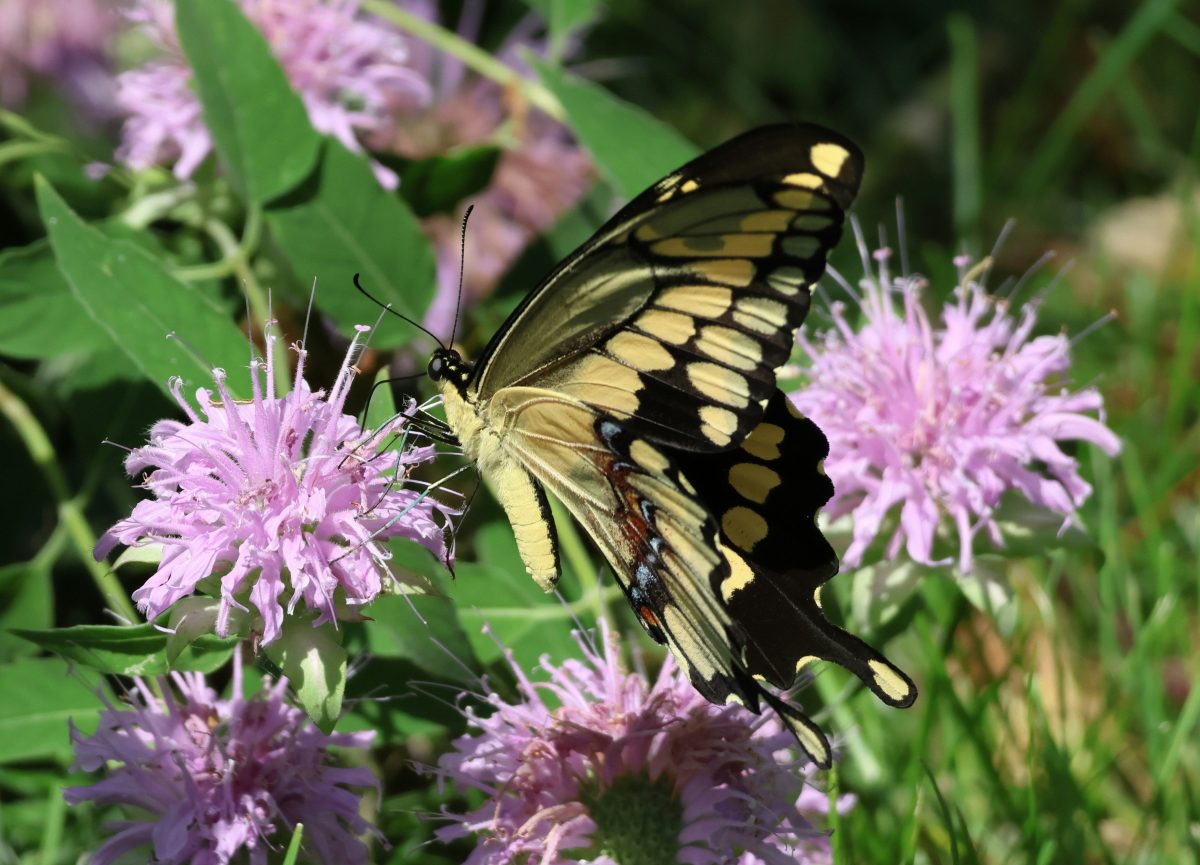
Photo credits: Cover giant swallowtail on wild bergamot – Nick Godfrey, tiger swallowtail on echinacea – Bryan White
Leave a Reply